
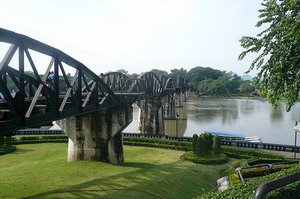
Bridge over the River Kwai works best when you treat it as a respectful history visit that balances the famous bridge, railway logistics and wartime memory. It is easy to arrive, take a few photos and leave, but the better visit starts with a small plan: what you want from the stop, how much heat or crowding you can handle and where you are going next.
Why Go
The bridge is one of Thailand’s best-known historical landmarks, but fame can flatten the story if you arrive without context
Its connection to the Thailand-Burma Railway means the visit should include memory, not only scenery
Kanchanaburi is easy enough to visit from Bangkok, but an overnight stay gives the history more room
The strongest reason to go is not that Bridge over the River Kwai appears on a list. It is that the stop gives you a clearer read on Thailand in a specific way: through food, transport, art, worship, green space, shopping, family logistics or memory. That specificity is what separates a useful guide from a generic pin on a map.
A second reason is control. When you understand the basic route, etiquette and timing before arrival, you spend less energy solving avoidable problems and more energy actually noticing the place. That matters in Thailand, where heat, traffic and crowds can quickly turn a simple stop into a tiring one.
What To Do
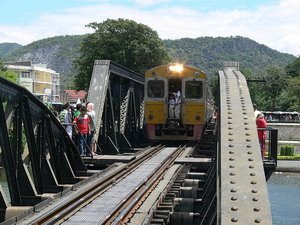
Walk only where visitors are permitted and stay alert if trains are operating
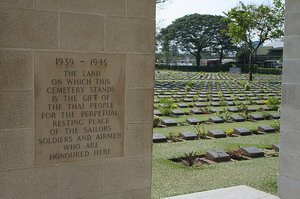
Pair the bridge with a cemetery, museum or railway centre if your schedule allows
Check current train times if you want to ride or photograph the rail crossing
Treat the site as a place of remembrance, not only a film reference or photo prop
Move at the speed of the place. If people are worshipping, slow down. If vendors are busy, step aside before choosing. If trains, cyclists or crowds are moving through the same space, make room first and take photos second. That habit improves almost every Thailand visit.
Do not try to extract every possible detail from the stop. Choose two or three things to notice properly, then leave room for ordinary moments: the way locals order, how staff manage the space, where shade falls or which route people naturally take.
Timing And Route
Early morning and late afternoon are best for heat and light
A Bangkok day trip is possible, but build in slack because road and rail timings can stretch
Festival periods can change crowd levels dramatically
Keep children close on and around the bridge because the setting can feel more casual than it really is
For most readers, the smartest version of this visit is a half-day plan rather than a full-day commitment. Put Bridge over the River Kwai at the centre, then choose one meal, one nearby walk or one onward transport link. More stops can sound efficient on paper, but Bangkok and provincial Thailand often reward a cleaner route.
If you are visiting during the rainy season, build in a backup plan nearby. If you are visiting in the hot season, protect the first two hours of the day and avoid long exposed walks after lunch. These small choices do more for comfort than any perfect itinerary.
Who It Suits
This is a good fit for travellers who want a respectful history visit that balances the famous bridge, railway logistics and wartime memory. It also works for repeat visitors who already know the headline stops and want a more specific plan with fewer wasted transfers.
It is less useful for readers who want a fully packaged experience with every variable removed. Opening hours, weather, queues, worship activity, road traffic and local events can all change the feel of the visit, so keep enough flexibility to adjust without spoiling the day.
Pair It With
For a stronger route, pair this with Khao Yai National Park guide, Thailand national parks guide and Thailand travel guides. These links keep the next step related, so you are building a coherent day instead of jumping between unrelated parts of the map.
Before You Go
Check the official or primary source and supporting source before making a special trip. Hours, access, fees, transport details and event conditions can change, especially around public holidays, ceremonies, school breaks and heavy rain.
Bring the basics that make Thailand days easier: water, small cash, sun protection, a charged phone and enough patience for small delays. The best visits usually come from being prepared without over-scheduling every minute.
FAQ
How long should I allow?
Most readers should allow 60 to 120 minutes at the main stop, then add time for meals, transport and one nearby pairing. Rushing usually makes the visit feel smaller than it is.
Is it better in the morning or evening?
Morning is usually easier for heat, photos and crowd control. Evening can be better for food, shopping and atmosphere, but transport and closing times need more attention.