
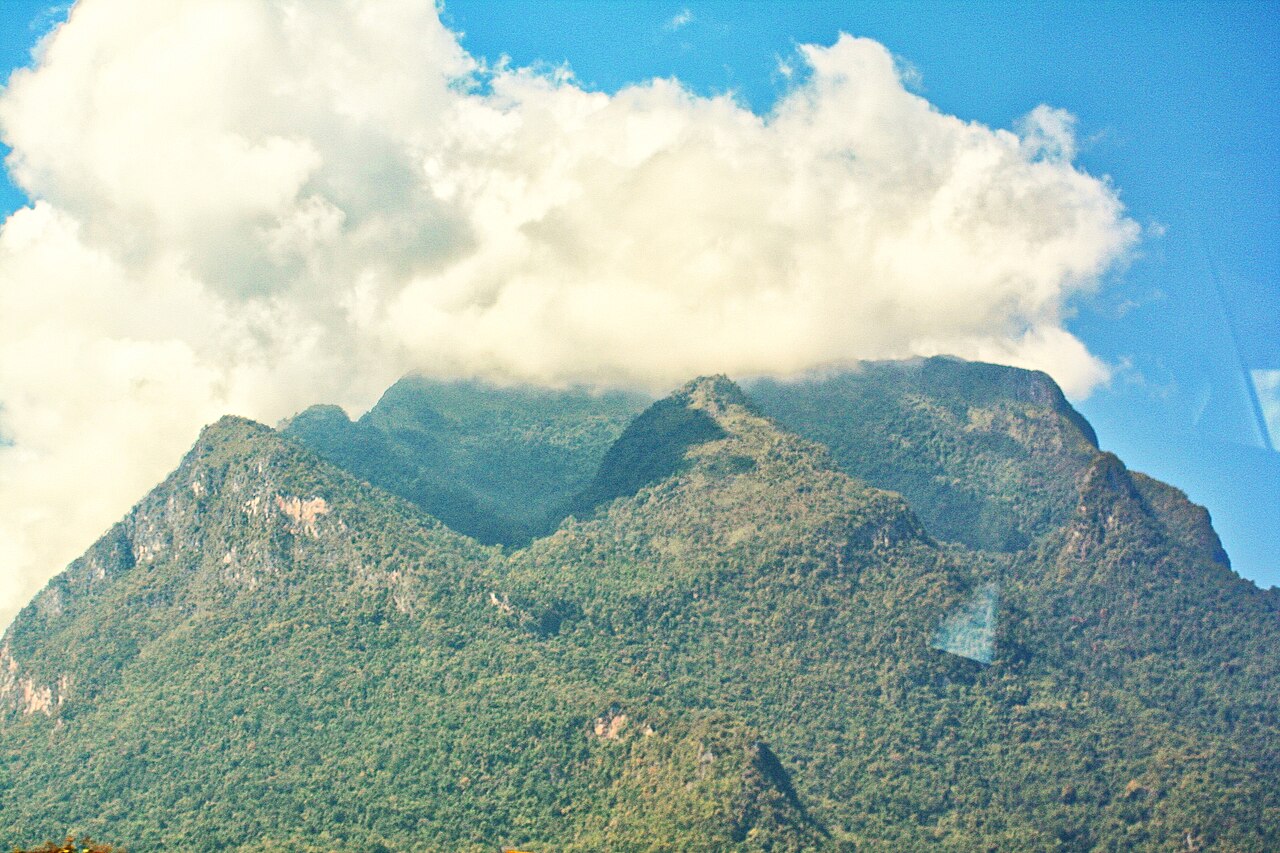
Doi Luang Chiang Dao is not a casual viewpoint to add between cafe stops. Thailand’s public portal describes the mountain inside Chiang Dao Wildlife Sanctuary as a major conservation area and notes its UNESCO biosphere reserve status, limestone character and high biodiversity.
That context should shape the trip. Readers should treat Chiang Dao as a protected mountain landscape where access, permits, guides and seasonal rules matter more than a fixed Instagram plan.
Why Go
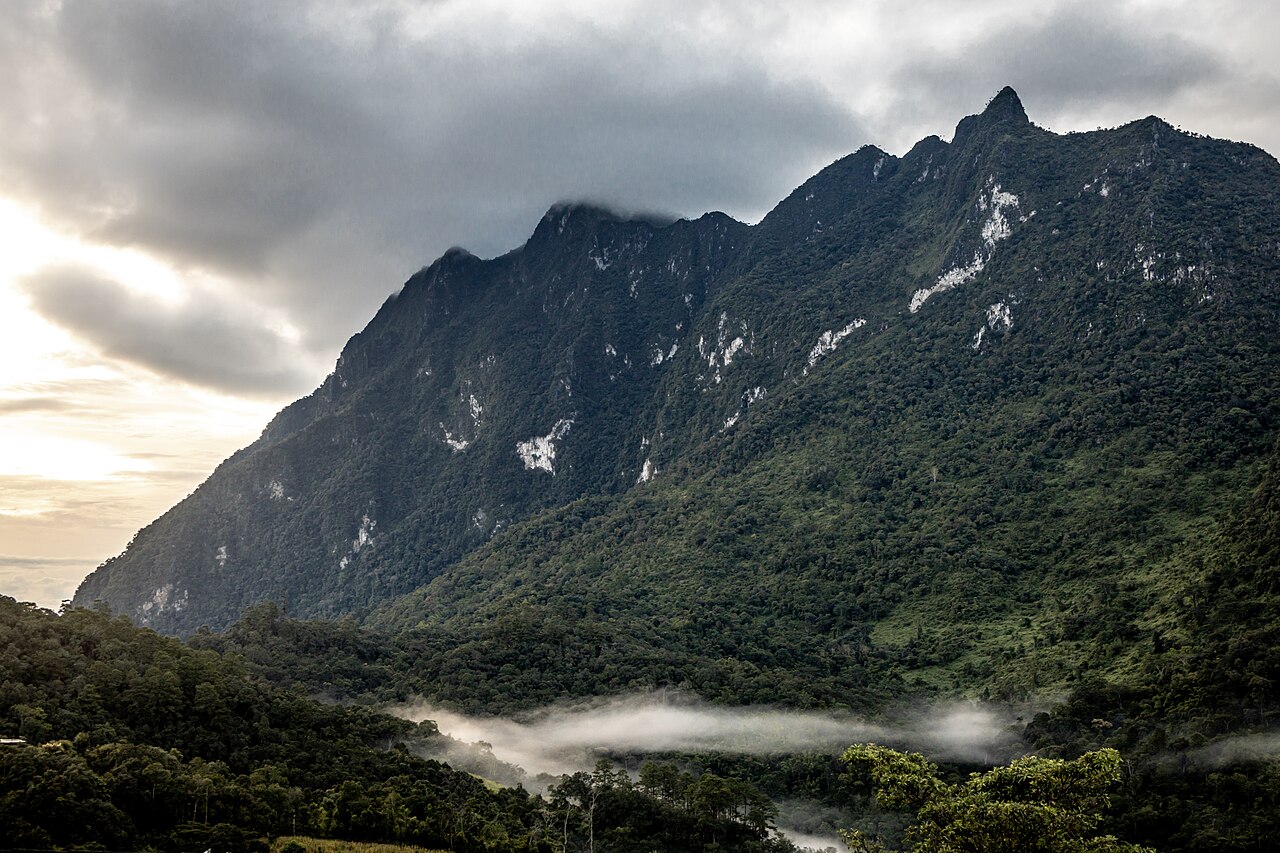
The draw is obvious: a dramatic limestone massif, northern light, forest, mist and the sense of being in a mountain district that feels very different from Chiang Mai city.
The harder truth is that the mountain cannot be planned like a normal open trail. Access rules can change, hiking windows are limited, and conservation restrictions are part of why the place remains special.
This belongs with Travel, Wellness and Culture planning because the visit is physical, scenic and culturally sensitive.
For active travellers, the best reason to go is not only the summit. Chiang Dao village, cave temple, birding and mountain views can make the trip worthwhile even when hiking access is restricted.
What To Expect
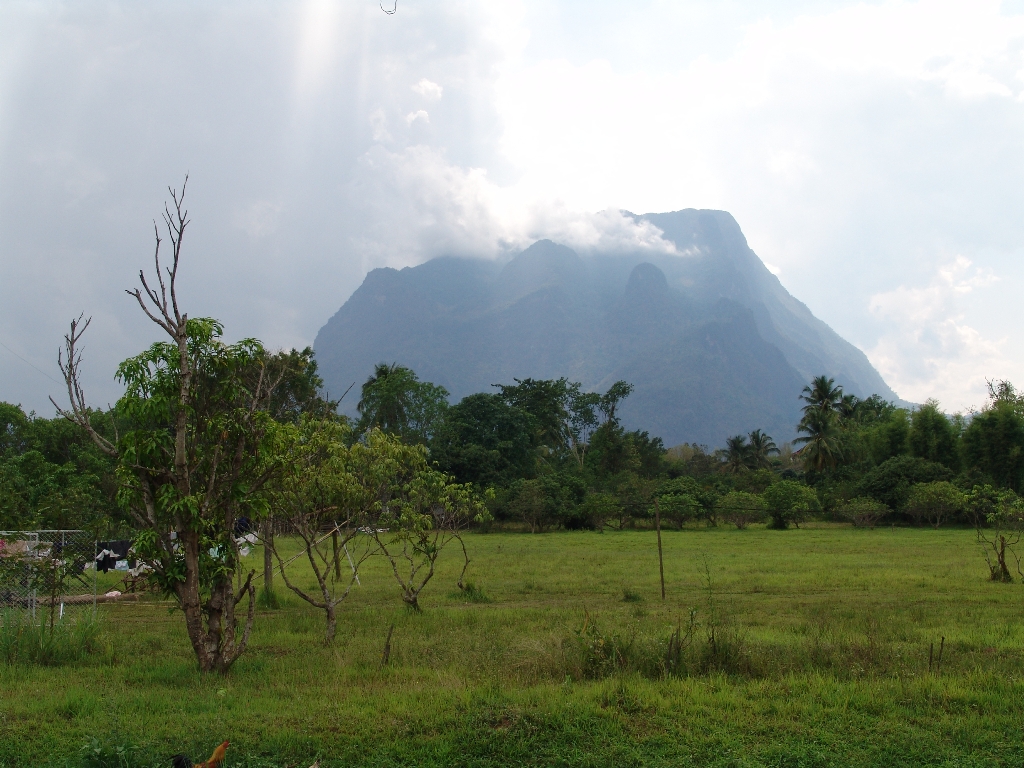
Expect a trip that needs advance checking. Do not arrive assuming you can walk up independently on the day.
The mountain is associated with Chiang Dao Wildlife Sanctuary, so guide requirements, caps, booking windows and seasonal closures should be respected without argument.
Weather changes quickly in northern mountains. A clear morning can become wet, cold or slippery, especially around shoulder periods.
The surrounding district is quieter than Chiang Mai city. Accommodation, restaurants and transport options exist, but they are not as dense or late-running.
How To Plan
Start by checking current access through official sanctuary or tourism channels. If the summit route is not open, build a Chiang Dao plan around viewpoints, cave temple, birding and local stays instead.
Do not attempt closed or informal routes. Conservation restrictions, fire risk and rescue difficulty are real issues in the area.
If hiking is available, use a legitimate guide or organiser, carry layers, water, headlamp, rain protection and proper shoes, and keep the route slower than your city fitness suggests.
Stay at least one night in Chiang Dao if possible. A same-day rush from Chiang Mai turns the trip into driving with a view rather than a mountain visit.
Avoid burning-season assumptions. Northern visibility and air quality can change the experience dramatically, so check conditions before booking non-refundable plans.
For groups, agree on physical ability before committing. A mountain that excites one person can be stressful for another if the route, heat or cold is underestimated.
Leave no waste, stay on permitted paths and treat local guidance as part of the destination rather than an inconvenience.
Before you leave, check the latest hours, booking rules and route conditions from the venue or destination itself. Bangkok restaurants, hotel bars, fair halls and northern mountain areas can all change operating details faster than a static guide can keep up.
Build the outing around one main reason to go. A hotel stay, coffee run, cocktail night, event visit, mountain trip or Phuket dinner is more enjoyable when the schedule gives that choice enough room to breathe.
Keep the route home as clear as the arrival route. Rain, late-night demand, large events and island or mountain roads can make the final leg slower than expected.
For groups, settle budget, pace and dress expectations before leaving. The same place can feel relaxed or awkward depending on whether everyone expected a quick stop, a long meal, a smart night out or an active day.
If the first plan is full, closed or too crowded, switch early instead of forcing the original idea. A nearby second choice usually protects the day better than waiting too long for a perfect version of the plan.
Take photos and notes when they help you remember useful specifics, but do not let documentation take over the visit. Food, coffee, views and rooms are easier to judge when you spend a little time simply using the place.
For visitors on a short Thailand itinerary, avoid stacking this stop with several far-apart attractions. One strong meal, cafe, bar, event or outdoor route often leaves a better memory than three rushed checkboxes.
If you are comparing several options, decide what would make this specific stop successful before you go. Convenience, atmosphere, value, food quality, views, learning and comfort are different goals, and each one changes the right choice.
Leave a little slack for Thailand’s small frictions: a full lift, a queue, a slow bill, a sudden shower, a late ride-hailing driver or a route that looks shorter online than it feels in real life.
Practical Information
Location: Chiang Dao district, Chiang Mai province.
Best for: experienced walkers, birders, mountain-view seekers and travellers who can plan around conservation rules.
Access note: confirm current permits, guide rules and opening periods before travelling.
View on Google Maps | View on Apple Maps
FAQ
Can I hike Doi Luang Chiang Dao anytime?
No. Access can be seasonal and permit-controlled, so check current official rules before travelling.
Is Doi Luang Chiang Dao near Chiang Mai?
It is in Chiang Dao district north of Chiang Mai city, usually planned as an overnight or long day trip.
Worth it if the summit is closed?
Yes, if you enjoy mountain scenery, Chiang Dao village, cave temple visits and slower northern travel.