
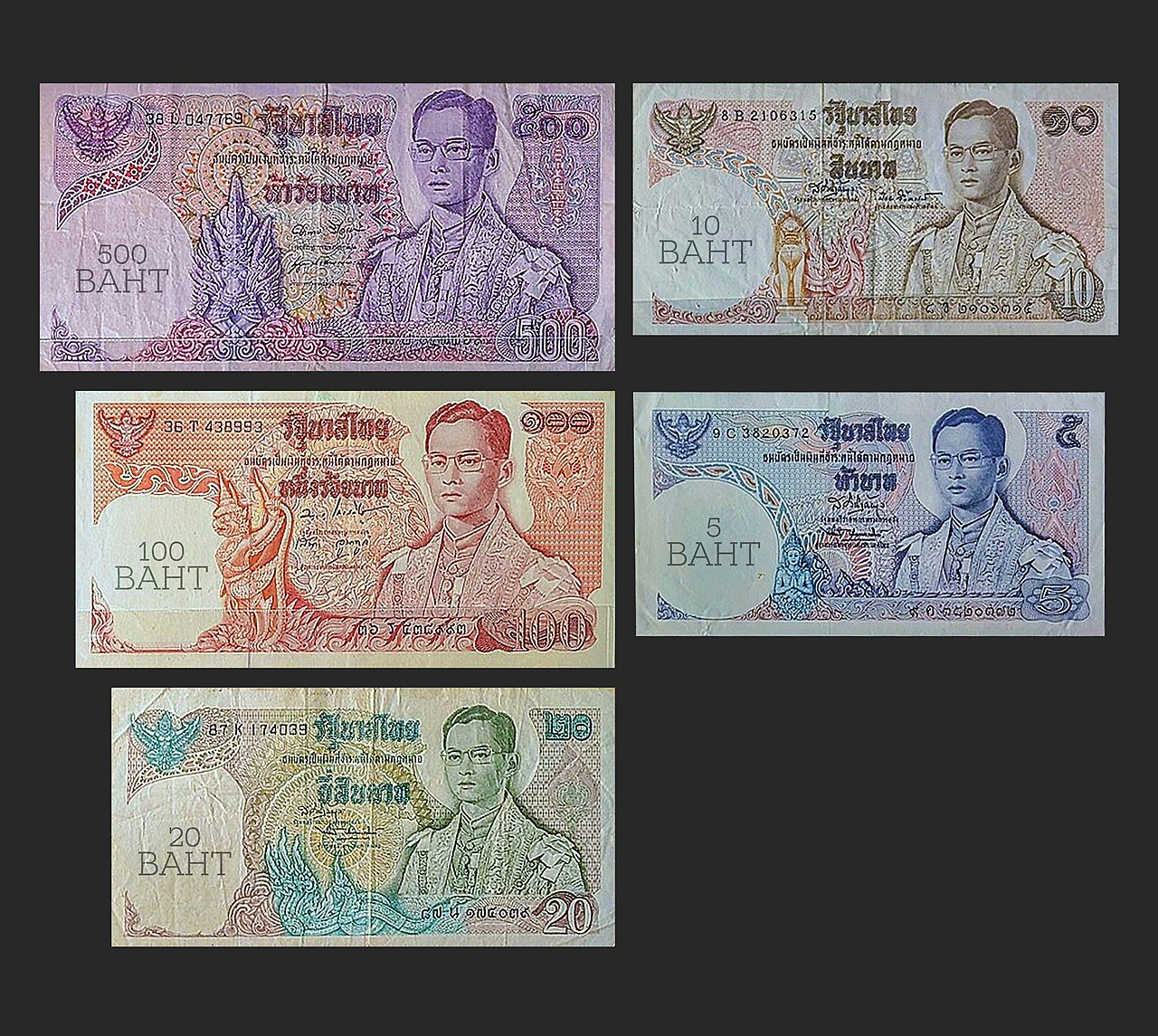
Thailand’s deposit-protection system matters if you hold meaningful cash in a Thai bank account. The Deposit Protection Agency is the key institution, and major banks such as Bangkok Bank state that Thai baht deposits are protected up to THB 1 million per depositor per financial institution.
This guide is general practical information, not personal financial advice. It is meant to help residents, expats and long-stay visitors understand the questions to ask before leaving large cash balances in one place.
Why Go
The THB 1 million limit is useful because it is concrete. It does not mean every financial product in Thailand is protected, and it does not mean every account structure behaves the same way.
Deposit protection is most relevant when a licensed financial institution has its licence revoked. It is not a shield against scams, bad investments, exchange-rate losses, personal account misuse or losing access because your documents are out of date.
For foreigners, the practical issue is often concentration. Visa deposits, salary savings, emergency funds and living money can end up in one account because opening accounts takes effort. That may be convenient, but it is still worth understanding the protection limit.
Use this with Money, Nomads and Properties when planning longer-term finances in Thailand.
What To Expect
Coverage is generally framed per depositor per financial institution. If you hold several deposit accounts at the same protected institution, do not assume each account gets a separate THB 1 million layer.
Protected deposits are Thai baht deposits at insured financial institutions. Foreign-currency accounts, securities, insurance products, mutual funds, crypto, gold products and structured investments should be checked separately.
Joint accounts, business accounts and nominee arrangements deserve extra care. The simple headline limit can become more complicated when the account holder is not just one individual.
The safest habit is to verify the institution, product type, account name and current DPA guidance before treating a balance as protected.
How To Plan
Start by listing where your cash sits: bank, account type, currency and holder name. Many people do not know this until there is a problem.
Check whether the institution is protected by Thailand’s DPA and whether the product is a deposit rather than an investment.
If your balance is materially above THB 1 million, think about concentration risk. Splitting money across institutions can reduce exposure, but it also adds admin and security considerations.
Keep account documentation current. Passport changes, visa updates, address checks and phone-number changes can affect ordinary banking access even when the money itself is safe.
For visa-related balances, do not move money casually. Immigration timing and bank-letter requirements can matter more than theoretical optimisation.
For business owners, separate personal reserves from operating cash and talk to a licensed professional about company-account exposure.
For families, document who can access funds in an emergency. Protection limits are only one part of practical financial resilience.
Build the visit around what Thailand deposit protection actually does well, not around a long checklist. A focused money plan is usually more satisfying than adding unrelated stops just because they look close on a map.
Check current opening hours, reservation rules and route conditions on the same week you go. Bangkok traffic, northern weather, mall campaign rules and venue events can change the shape of a day quickly.
Give the route a sensible meal or rest point. Thailand days often fail not because the main stop is weak, but because heat, hunger or a transfer gap arrives before anyone has planned for it.
If you are travelling as a group, agree on budget and pace before leaving. One person may want a long tasting menu, another a quick drink, another a quiet museum hour; those are different outings.
Keep a backup payment method and some cash. Card terminals, bank apps, market stalls and park gates do not all behave the same way, especially outside the most polished central Bangkok settings.
For image-heavy places, arrive with enough time to look before photographing. The better memory often comes from slowing down, noticing service flow, light, crowds and local etiquette.
Avoid stacking distant districts. A stronger Bangkok day usually stays in one corridor; a stronger provincial day usually gives one park, market or old-town stop enough room to breathe.
Use ride-hailing, rail, songthaews or a driver according to the real route rather than the cheapest theoretical option. The most efficient plan is the one you can still enjoy when it is hot or raining.
If the experience involves alcohol, wellness treatments, outdoor walking or money decisions, keep the rest of the day simple. Those topics reward clear judgment more than a packed itinerary.
Recheck public holidays, private events and seasonal closures. A restaurant can change seating, a bar can close for a takeover, a spa can fill prime slots and a park trail can close after rain.
Practical Information
Coverage reference: THB 1 million per depositor per financial institution for Thai baht deposits, as described by major Thai bank guidance and DPA context.
Best for: expats, residents, retirees, business owners and long-stay visitors holding cash in Thailand.
Caution: this is general information only and not personal financial, legal or tax advice.
FAQ
How much deposit protection is listed in Thailand?
Major bank guidance states Thai baht deposits are protected up to THB 1 million per depositor per financial institution.
Does deposit protection cover investments?
Do not assume so. Check whether the product is a protected deposit, not a fund, security, crypto product or insurance product.
Should foreigners split deposits?
That depends on visa needs, admin burden, account access and personal risk tolerance; get licensed advice for large balances.