
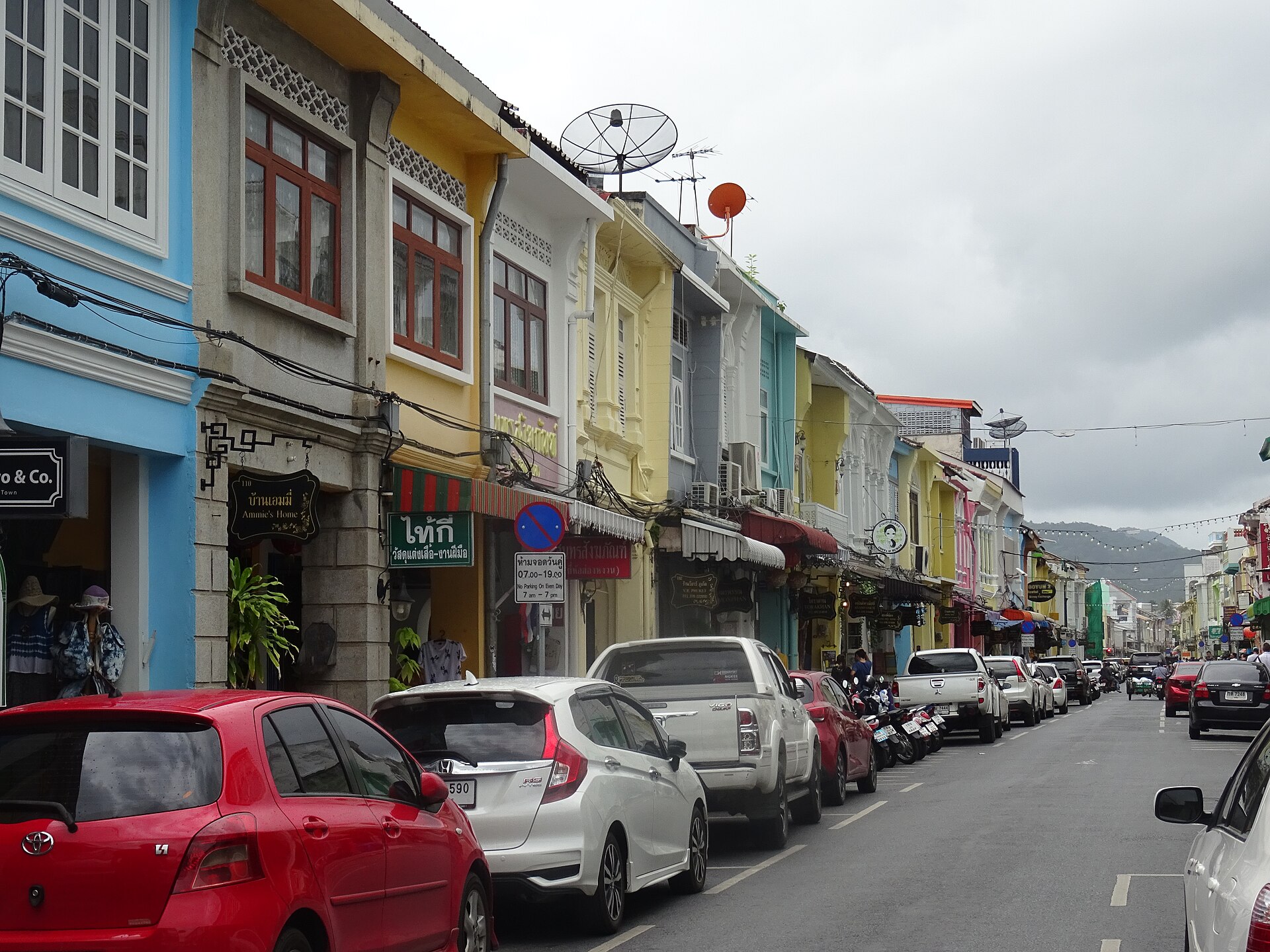
Phuket Old Town wakes up with steam baskets, curry pots and bowls of noodles long before its colourful shophouses become a photo route. Breakfast here reflects the island’s Chinese migration, southern Thai pantry, Muslim communities and trading history. Dim sum, mee sua, kanom jeen and kopi can all belong to the same morning, but the best crawl uses small portions rather than trying to turn every famous shop into one sitting.
Start between 7am and 8am, choose one savoury anchor, then add a sweet or drink. Some long-running kitchens sell out or slow down before late morning, and their rest days can be personal. Check the current opening pattern, carry cash and remember that a queue shows popularity, not automatic suitability for every diet.
Begin With Dim Sum
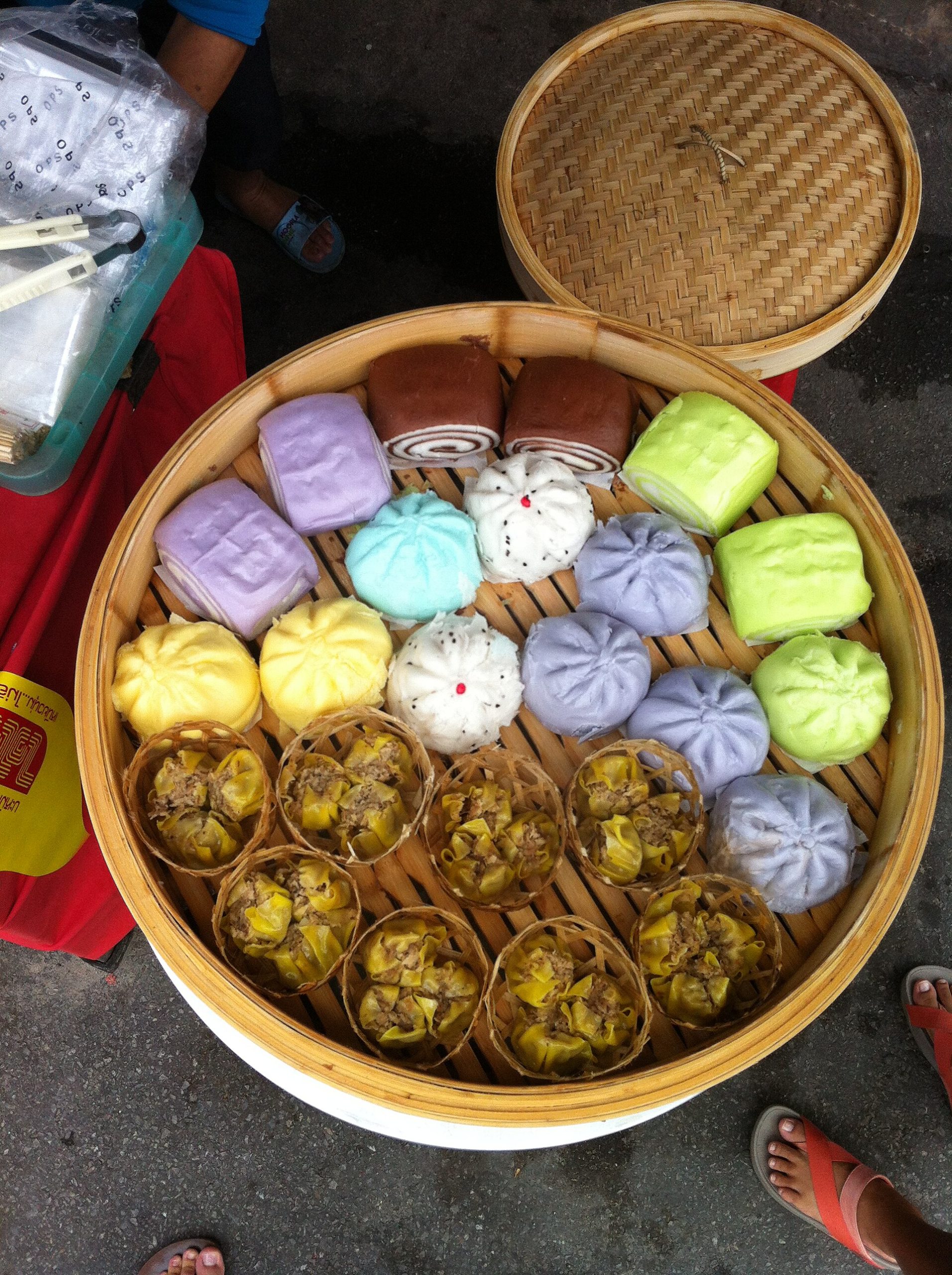
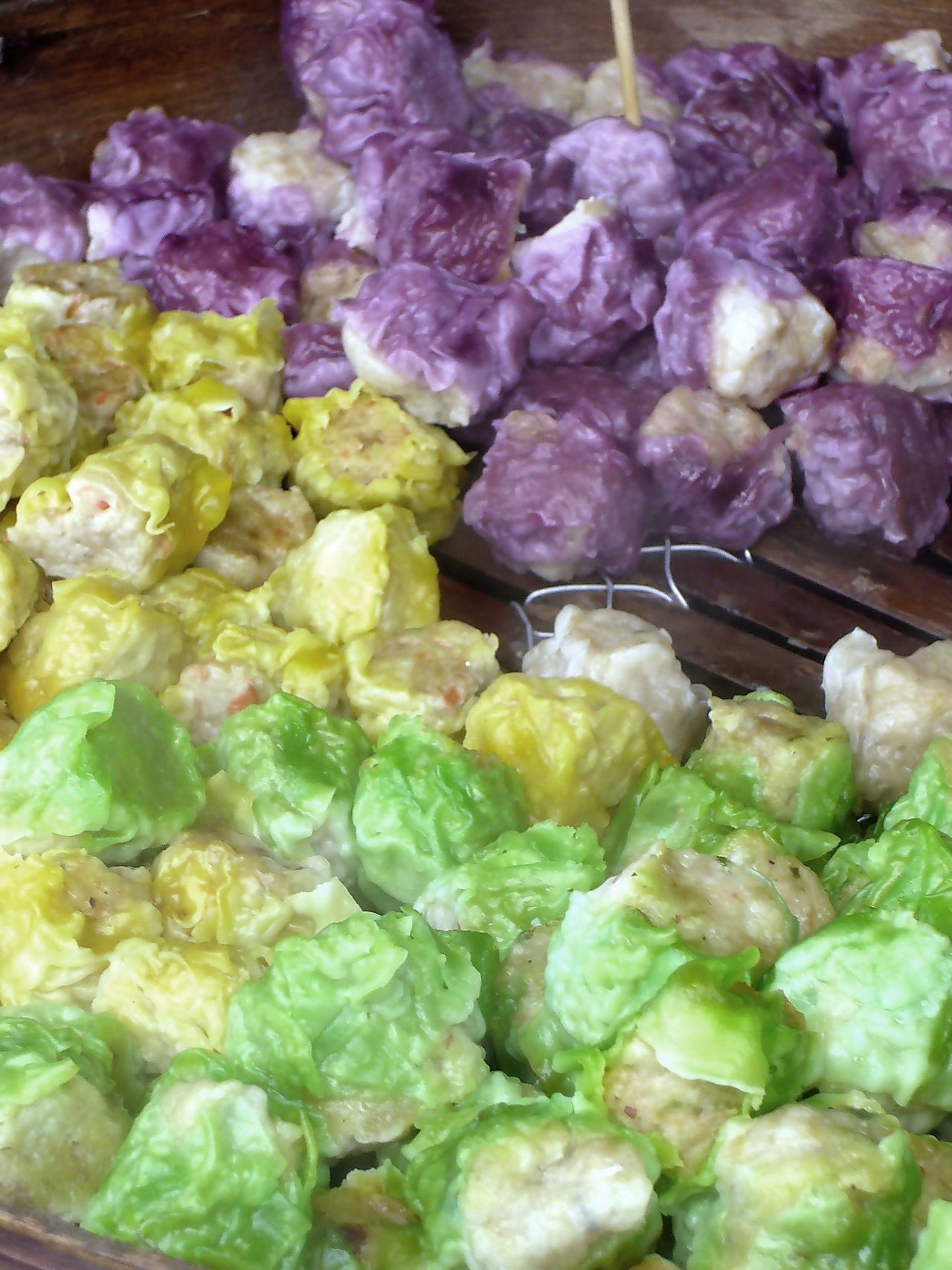
Phuket-style breakfast rooms often present trays or allow diners to choose small steamed and fried dishes. Take fewer baskets than your appetite initially suggests; more can be added. Pork, prawn, fish, egg and mushrooms appear in many combinations. Ask how pricing is counted, because the final bill may depend on plates, baskets or special dishes rather than one buffet price.
Try Mee Sua
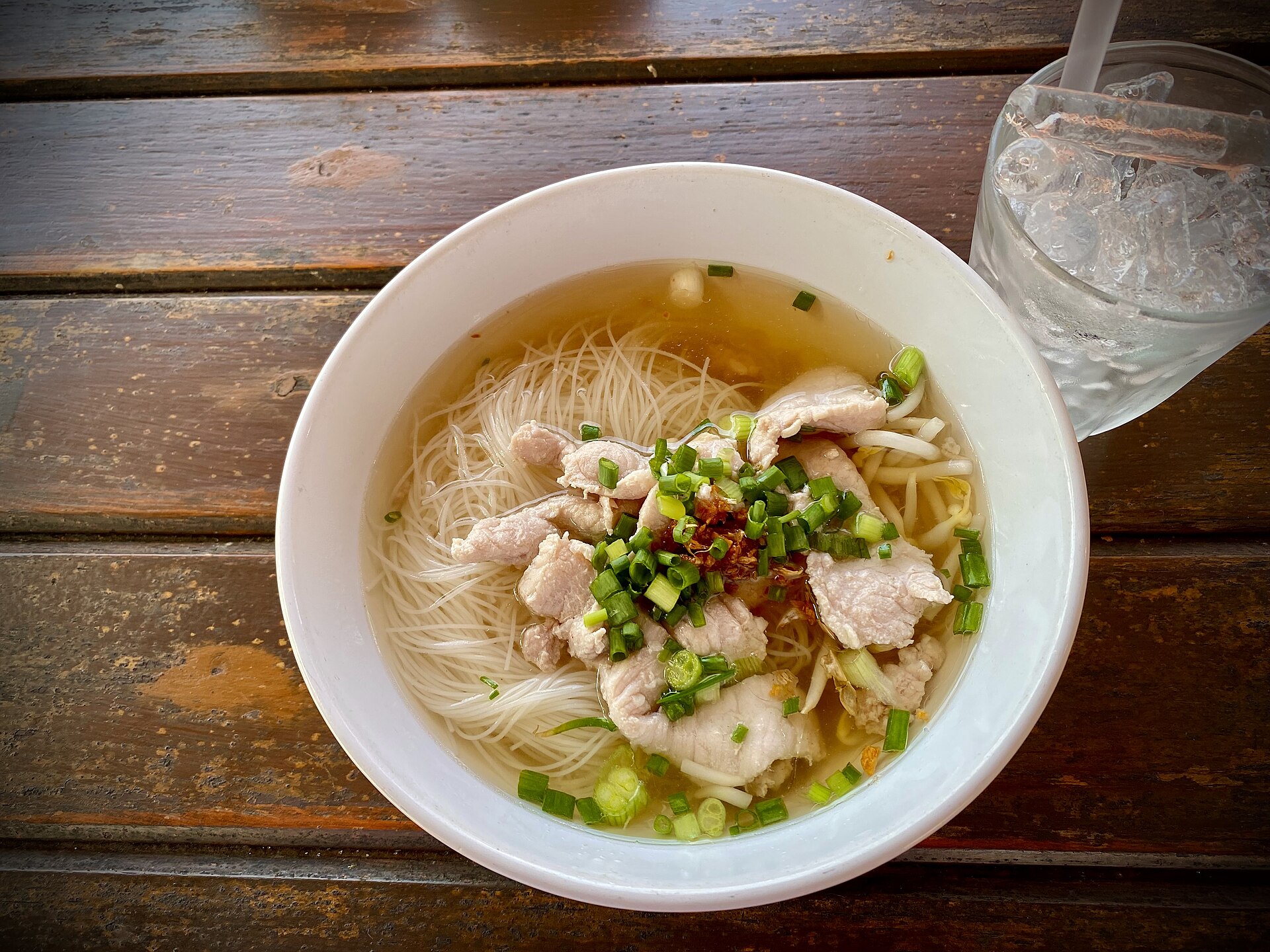
Mee sua are fine wheat noodles associated with Chinese family cooking and auspicious occasions. In Phuket they may arrive in a light broth with pork, seafood, egg or vegetables. The apparent simplicity makes stock quality important. Eat a bowl slowly, then decide whether the crawl needs another full dish. Travellers avoiding gluten should know that mee sua are normally wheat noodles.
Order Kanom Jeen
Kanom jeen pairs fermented rice noodles with ladled curries and a table of herbs, vegetables and pickles. Phuket breakfasts can offer several gravies, from fish-based southern sauces to coconut-rich curries. Ask which pot is mild before pouring; colour is not a reliable heat guide. Start with a small mix, then return for more vegetables and a second sauce if the flavours work together.
Look For A-Pong
A-pong is a thin Phuket crepe with crisp edges and a tender, lightly sweet centre, often scented with coconut. It is ideal after a savoury bowl because one piece adds texture without becoming a second heavy meal. Freshness matters: wait for a hot batch where possible and eat it promptly. Buying a large stack for later loses much of the contrast.
Drink Like A Kopitiam
Traditional coffee shops may serve strong filtered coffee, tea, condensed milk drinks and soft-boiled eggs alongside toast. Specify sweetness if the kitchen can adjust it, or order unsweetened tea after rich food. Phuket’s kopitiam culture is as much about pace as caffeine. Share a table considerately, keep orders moving during the rush and let regulars have their morning routine.
Use The Fresh Market
A market detour helps connect breakfast with ingredients: curry pastes, herbs, fish, fruit, coconut and prepared sweets. Walk with purpose and do not block traders for photographs. Food carried without refrigeration should be eaten promptly. If buying fruit, ask the seller to choose something ready for that day rather than judging ripeness only by colour.
Understand The Influences
Labels such as Chinese, Peranakan, Baba, southern Thai and Muslim describe overlapping histories rather than sealed menu boxes. A breakfast can carry Hokkien technique, Thai herbs and island seafood at once. Use the dish name the shop uses and ask simple questions without forcing every plate into a tourist category. The town’s food story is strongest when complexity is allowed.
Plan Allergies Carefully
Shrimp, fish sauce, shellfish, pork, peanuts, egg, wheat and coconut are common, and small kitchens may share steamers, oil, ladles and preparation space. Translate the exact allergen into Thai and ask before ordering. ‘Vegetarian’ can still require clarification about fish sauce or stock. A severe allergy may need a restaurant with documented procedures rather than a spontaneous stall crawl.
Budget And Payment
Simple bowls, drinks and small baskets can remain affordable, but the bill grows when a group points at many dim sum trays. Ask prices before ordering specialty seafood or a large set. Carry small cash and use Thai QR only when the account name and amount are correct. Tipping is optional; courteous ordering and clearing space promptly matter just as much.
Walk After Breakfast
Use Dibuk, Thalang, Phang Nga and Krabi roads for an architectural walk after the kitchens quiet. Morning light is comfortable, but pavements are uneven and traffic continues. Museums and shops often open later than breakfast venues, so do not rush a second schedule. A bench, coffee and a slow look at upper-storey details can be the most satisfying course.
Build A Two-Stop Route
For a first morning, choose one dim sum or noodle shop and one dessert or coffee stop within walking distance. Save kanom jeen for the next day if the table is already full. This is not restraint for its own sake: repeat breakfasts let each dish remain distinct and give travellers a reason to explore another part of town.
Keep Planning
Browse more TFT coverage in Restaurants, Travel and Deals.
Questions
What time should I eat breakfast in Phuket Old Town?
Start around 7am-8am; popular kitchens may sell out or wind down before late morning.
What is mee sua?
Fine wheat noodles, commonly served in broth with meat, seafood, egg or vegetables.
Is Phuket dim sum all-you-can-eat?
Not necessarily. Many shops charge by basket or plate, so ask how the bill is calculated.
What sweet should I try?
A-pong is a light coconut-scented crepe with crisp edges and a soft centre.
Practical Information
- Best time: About 7am-9am for active breakfast kitchens and cooler walking.
- Core dishes: Dim sum, mee sua, kanom jeen, a-pong and kopitiam drinks.
- Allow: Two to three hours for two food stops and a short Old Town walk.
- Payment: Carry small cash; payment methods vary.
- Destination context: Review Phuket Old Town visitor context
- Map: Open in Google Maps