
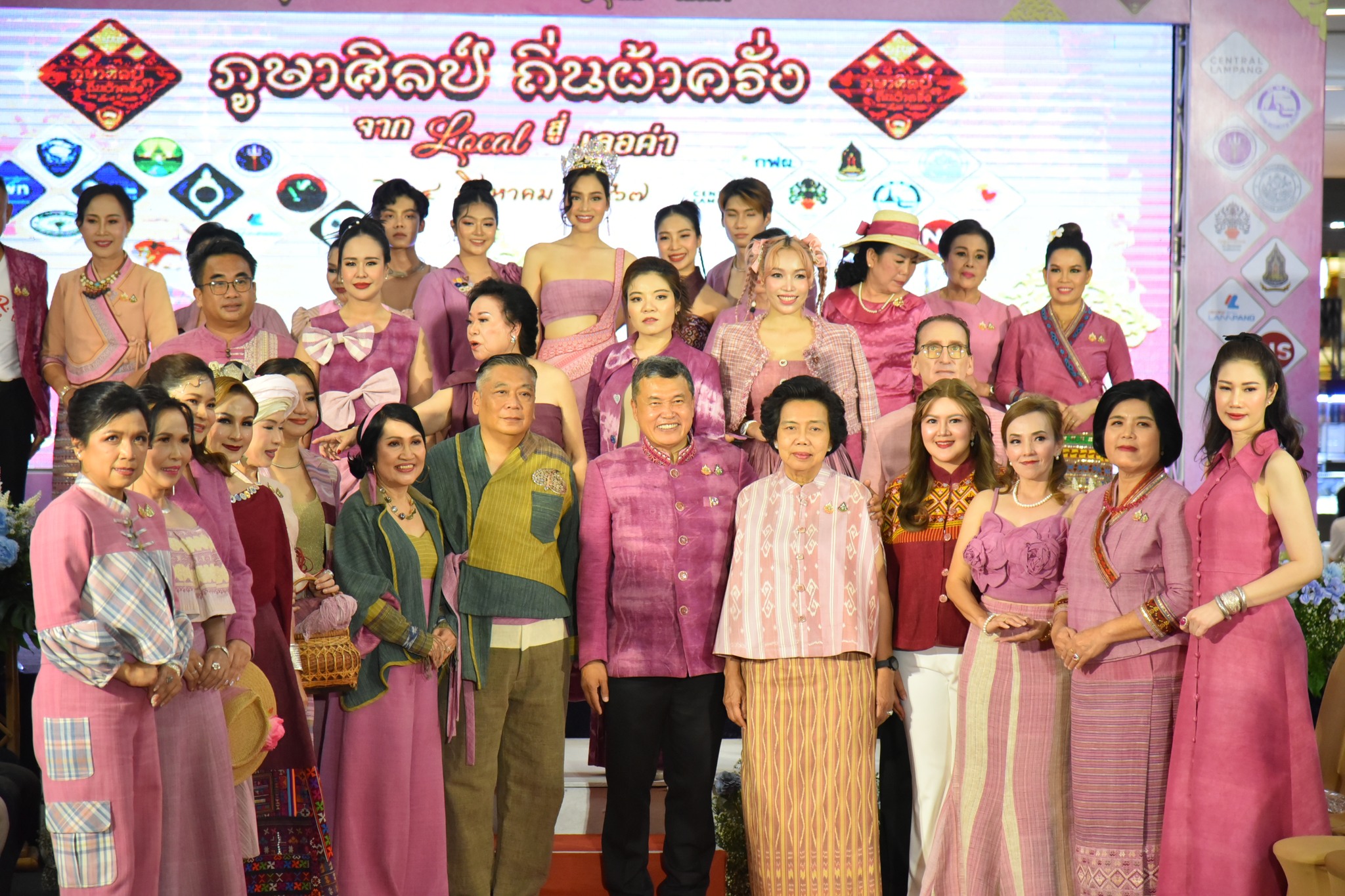
Phusa Sin Thin Pha Khrang returns for its fifth edition at Central Lampang on 10 and 11 August 2026. The two-day event celebrates Lampang’s pha khrang tradition: textiles coloured with lac, a natural dye associated with deep reds, warm pinks and earthy tones, then shaped by local weaving knowledge and contemporary design.
The 2026 edition arrives with added attention after Lampang’s lac-dyed textile identity received geographical-indication recognition. That status is a starting point for curiosity, not a shortcut past the maker. Read labels, ask who wove and dyed each piece, watch demonstrations when available and buy according to craftsmanship and use rather than treating every red textile as interchangeable.
Understand Lac Dye
Lac is produced through the life cycle of an insect on host trees and can create a family of reds rather than one fixed shade. Fibre, water, mordant, temperature and repeated dyeing all affect the result. Natural variation is not necessarily a flaw. Ask the maker how the colour was achieved and how it will age; a good answer makes the cloth more meaningful to own.
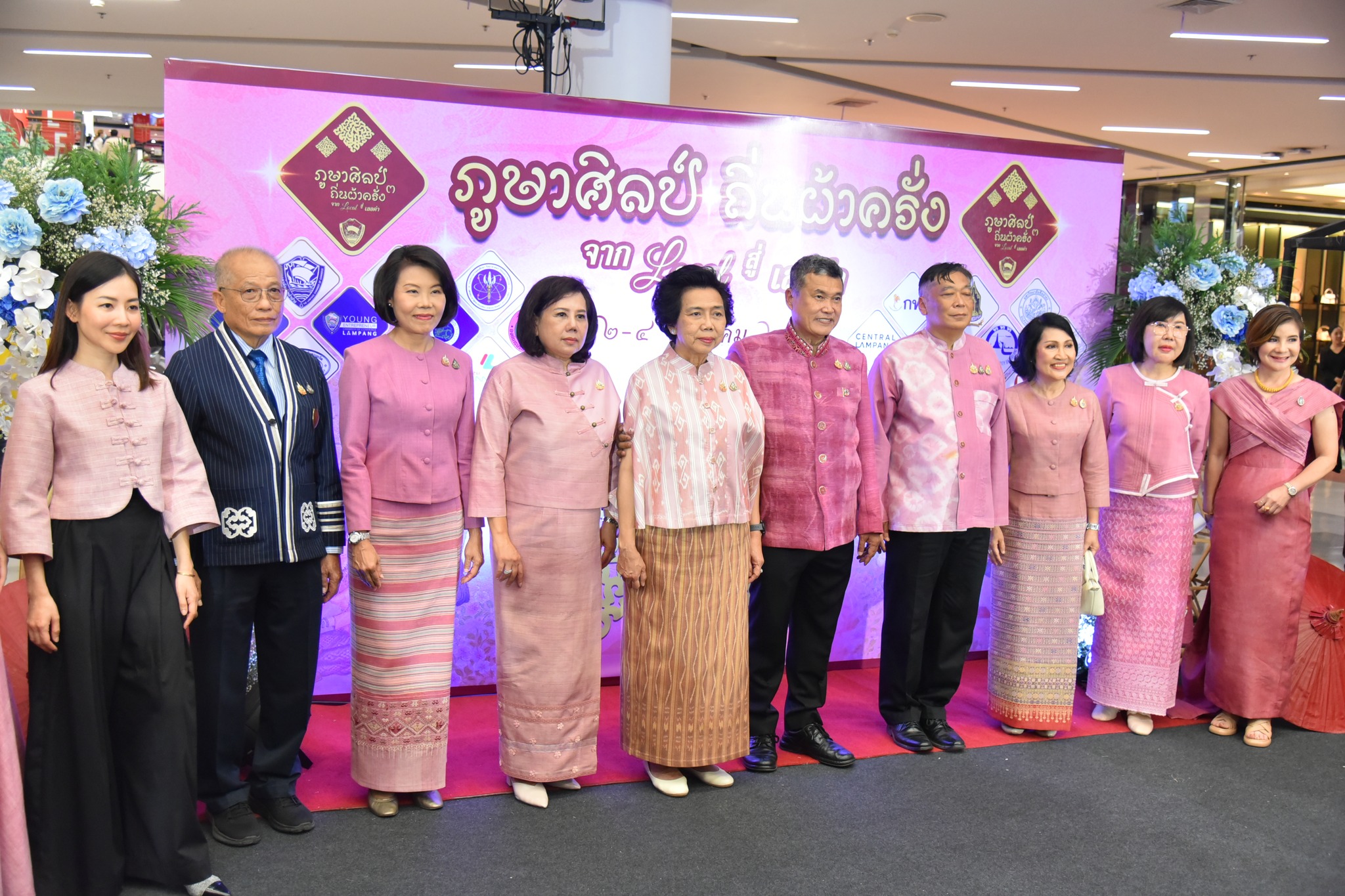
Read The GI Story
Geographical indication connects a product’s reputation and qualities to a place, defined practices and recognised producers. It does not mean every red fabric sold in Lampang is certified or identical. Look for the exact producer and product information attached to the claim. The festival is a useful place to ask how the new recognition will protect knowledge, raise value and prevent misleading imitation.
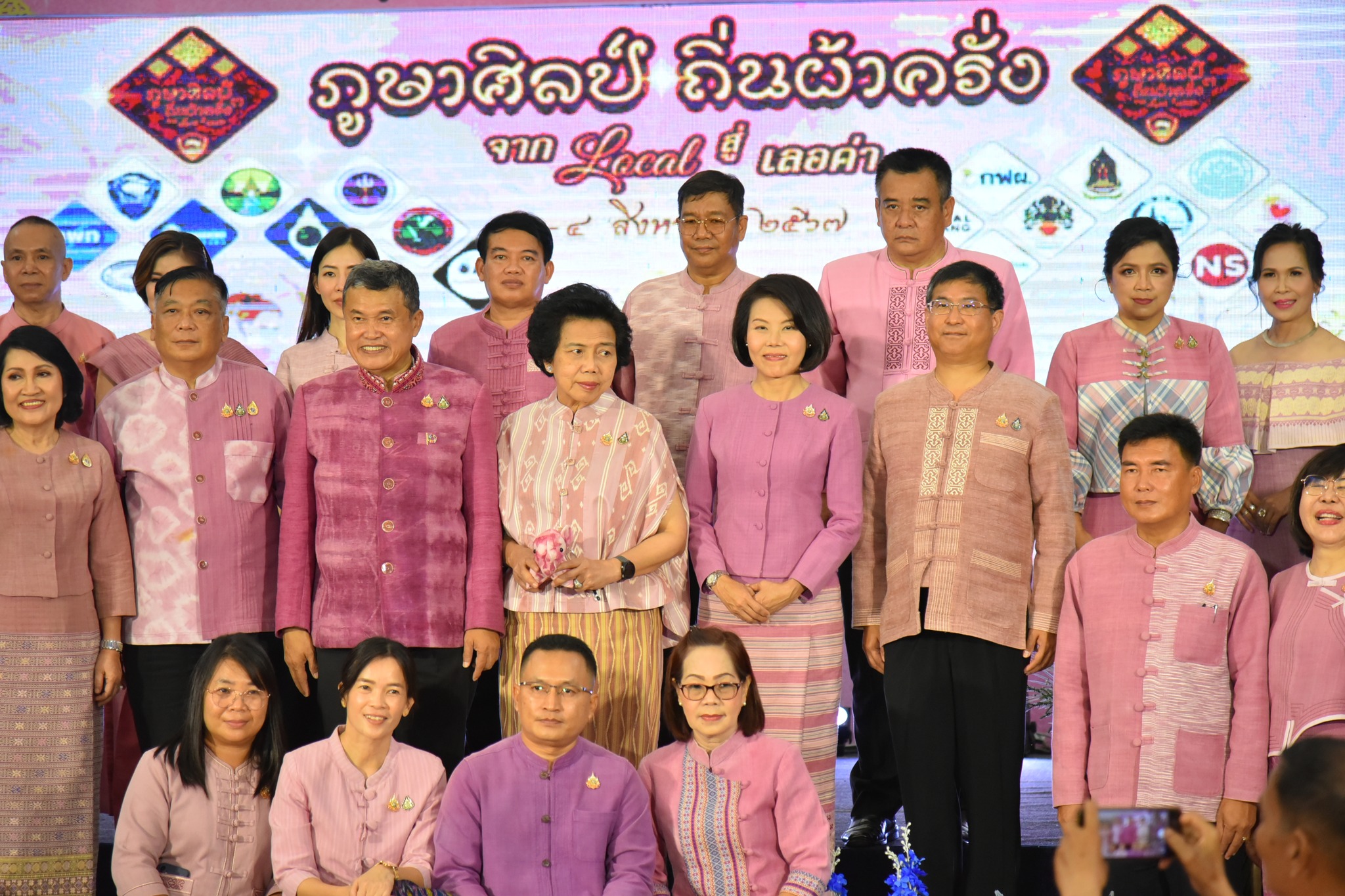
Watch The Programme
Fashion presentations, community showcases, demonstrations and sales areas reveal different parts of the textile chain. Check the live schedule on arrival and choose one stage session plus one slower conversation with a maker. Standing through every performance can leave no time to examine cloth. Arrive early for a good view and avoid holding a phone above another guest for the entire runway.
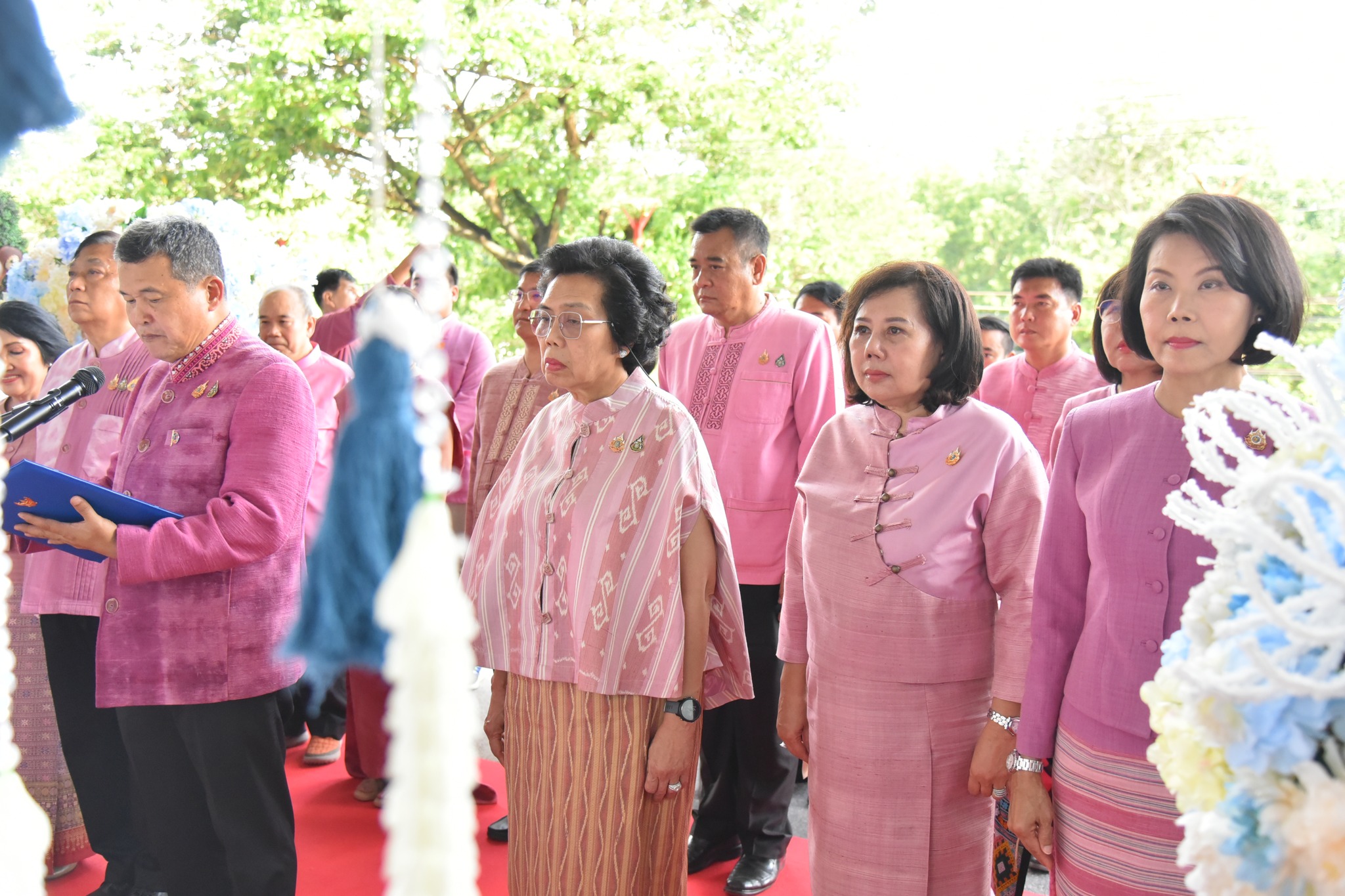
Examine The Cloth
Open a scarf or garment with permission and inspect both sides, the selvedge, joins and finishing. Ask whether the fibre is cotton, silk or a blend, whether it was handwoven, and which steps were done in the named community. Small irregularities can show hand process, but loose threads, unstable seams and uneven tension still deserve questions. Craft appreciation does not require abandoning practical quality.
Try Before Buying
Colour behaves differently beside the face, under mall lighting and outdoors. If trying clothing is allowed, check movement, transparency, fastenings and care. A beautiful structured jacket may need professional cleaning; a scarf may be easier for everyday use. Measure gifts rather than guessing. Buying one piece that fits a real wardrobe supports the maker more honestly than an impulsive pile left unworn.
Ask About Care
Natural dyes can be sensitive to harsh detergent, long soaking, strong sun and careless storage. Request written guidance when possible. Washing separately in cool water with a gentle product and drying in shade may be recommended, but the maker’s advice should govern the exact item. Store clean, dry cloth away from moisture and insects, and do not assume colour transfer means the work is defective.
Meet The Makers
Ask open questions: where is the weaving community, how long did the piece take, which plant or lac process created the shade, and who designed the motif? Listen without turning a working artisan into a free performance. If photography is allowed, request permission before recording a person or detailed technique. Credit the maker when sharing a purchase and keep their contact for future orders.
Budget Fairly
Handwoven and naturally dyed textiles reflect material, time, skill, failed experiments and small production scale. Compare like with like and avoid aggressive bargaining with community makers. Ask what the price includes and whether alterations are available. If the budget is limited, consider a small accessory, naturally dyed yarn or documented sample rather than pressuring a producer to match an industrial souvenir price.
Reach The Festival
Central Lampang is a practical indoor venue for August weather and is accessible by road from Lampang city. Check the mall’s current event zone and daily opening hours before travelling. Visitors coming by train or bus should allow for a local taxi or ride-hailing connection and arrange the return after evening sessions. Keep purchases protected from rain during the final transfer.
Explore Beyond The Mall
Use the festival as an introduction to Lampang rather than the only contact with the province. Add ceramic workshops, old-town streets, temples or a community textile visit only where access is welcomed and properly arranged. Do not arrive unannounced at a weaving home expecting a demonstration. Community-based visits work best when scheduled through a legitimate local group with clear payment and respectful timing.
Keep Planning
Browse more TFT coverage in Culture, Travel and Deals.
Questions
What is pha khrang?
A Lampang textile tradition associated with lac-derived natural red tones and local weaving knowledge.
When is the 2026 festival?
10 and 11 August 2026.
Where is it held?
At Central Lampang.
What should I ask before buying?
Ask who made the piece, what fibre and dye process were used, whether a GI claim applies and how to care for it.
Practical Information
- Dates: 10 and 11 August 2026.
- Place: Central Lampang, Lampang province.
- Focus: Pha khrang textiles, natural lac dye, maker showcases, fashion and craft knowledge.
- Edition: The fifth Phusa Sin Thin Pha Khrang event.
- Programme context: Check the August event listing
- Map: Open in Google Maps