
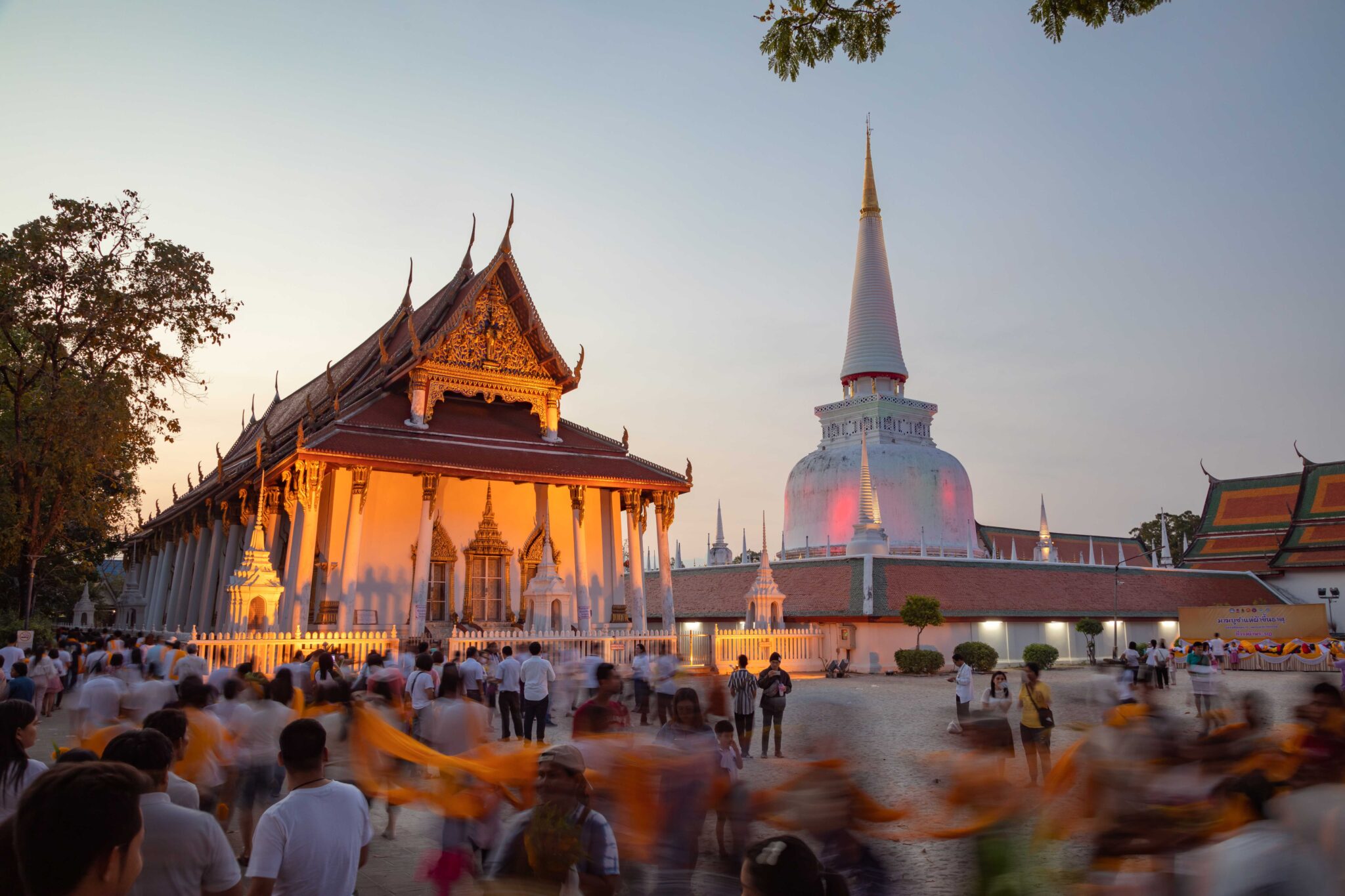
Wat Phra Mahathat Woramahawihan in Nakhon Si Thammarat was inscribed on the World Heritage List in July 2026. It is Thailand’s ninth World Heritage property and sixth cultural site, but the recognition is not simply for an old monument. The temple represents more than 1,500 years of continuing Buddhist belief, ritual and community practice.
Visitors should approach it as a living sacred place first and an international heritage landmark second. The great stupa shapes the skyline, yet the most rewarding visit also notices worshippers, smaller shrines, ceremonial routes and local traditions. Quiet time in the complex reveals more than a rapid circuit built around one photograph.
Understand The Site
The temple’s history reaches to the eighth century and connects Nakhon Si Thammarat with wider Buddhist networks across the region. Its importance comes from continuity: architecture, relic veneration, festivals and daily devotion remain intertwined. Read a short introduction before arrival so the stupa is understood as a focus of belief rather than an isolated object.
Arrive Early
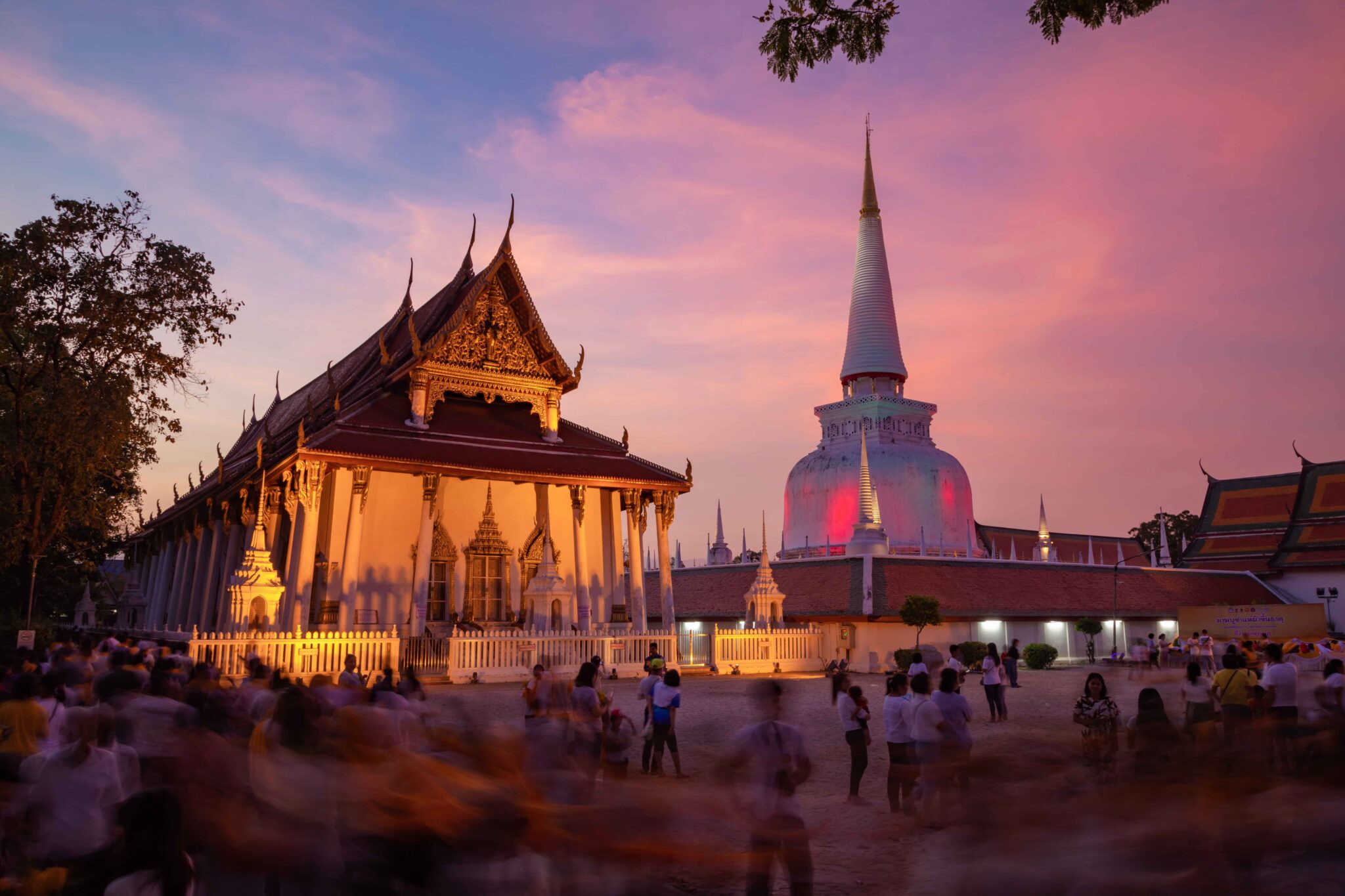
Morning offers cooler temperatures, softer light and a calmer chance to observe the complex. Religious days and major festivals can be busier but also reveal the temple’s living role. If visiting during a ceremony, follow staff directions and allow worshippers priority. Do not force a standard sightseeing route through an active ritual.
Dress Respectfully
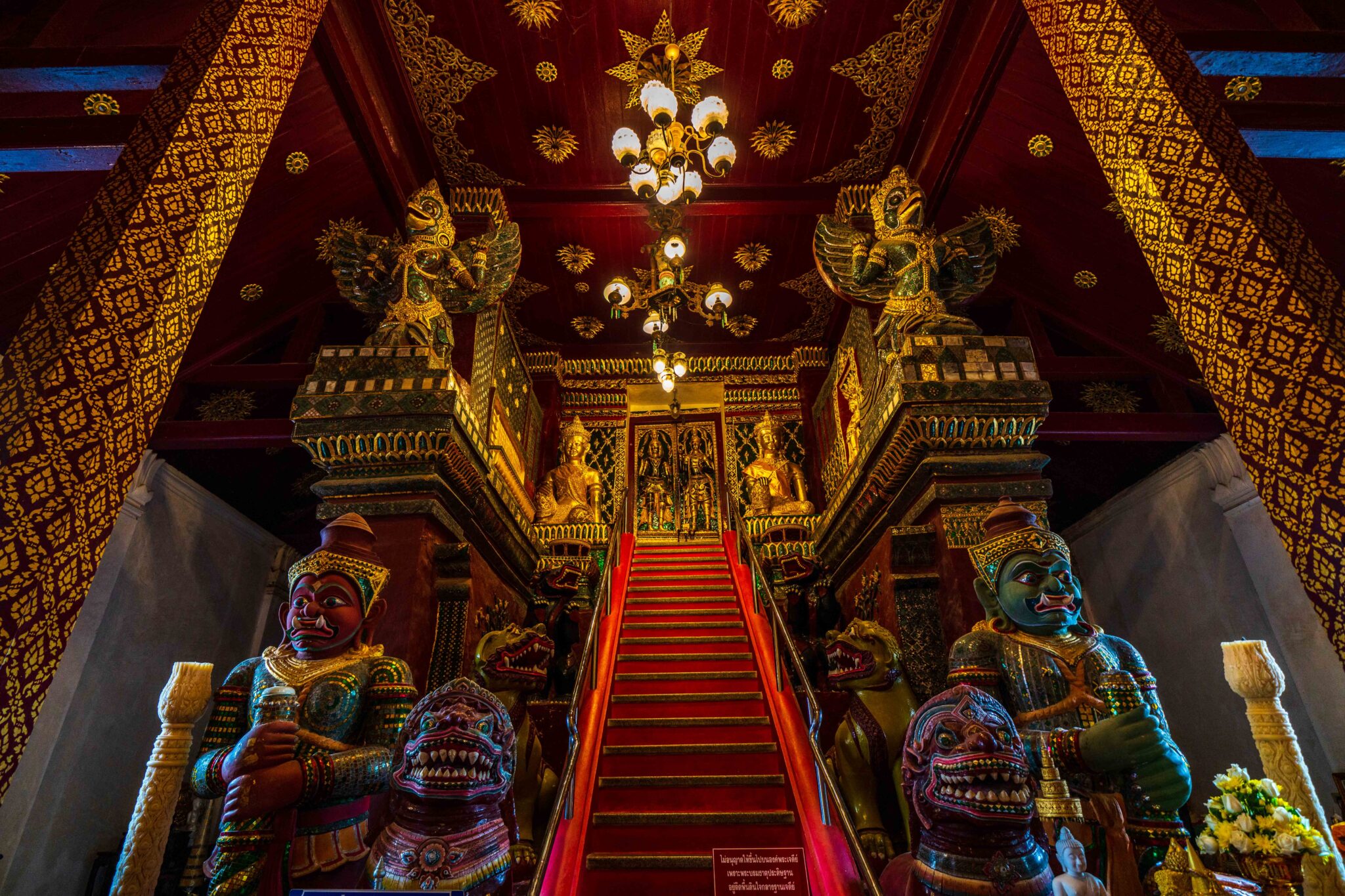
Cover shoulders and knees, remove hats where appropriate and wear footwear that can be taken off easily at sacred interiors. Avoid sheer clothing and beachwear. Carry socks if hot paving is uncomfortable, but follow local signs. A light scarf can help with coverage, though it should not replace otherwise respectful clothing.
Move With Care
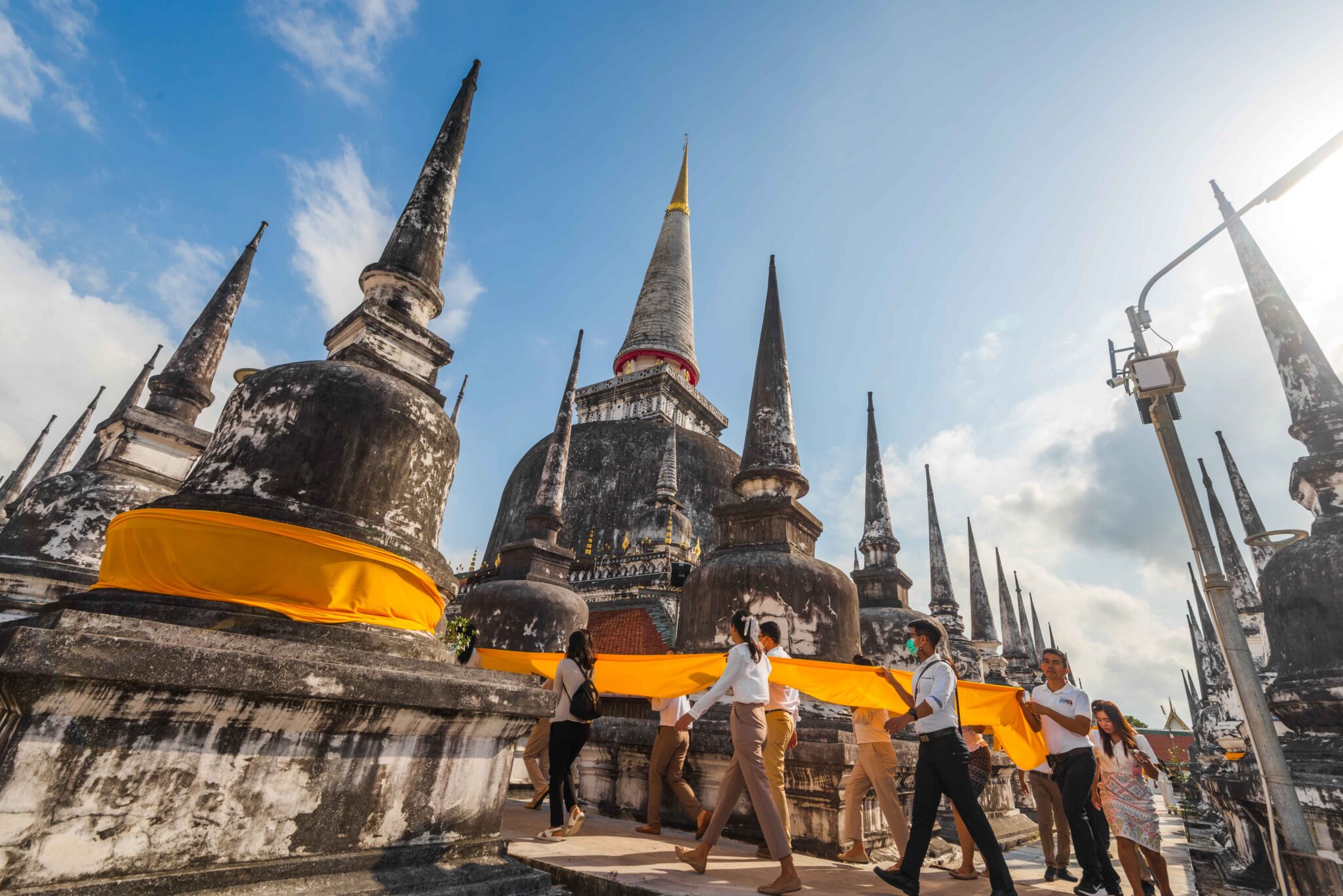
Walk clockwise where a devotional circuit calls for it, keep feet away from Buddha images and never climb structures for a better angle. Lower voices, silence phones and keep doorways clear. Sit with feet directed away from sacred images. When uncertain, watch local practice or ask temple staff politely.
Photograph Thoughtfully
Check signs before photographing interiors, relics, monks or worshippers. Ask individuals for permission and avoid flash during prayer. A photograph of a private devotional moment is not automatically acceptable because the temple is famous. Step aside after taking an exterior view so other visitors and religious activity can continue.
Look Beyond The Stupa
Smaller halls, sculpture, inscriptions and courtyard relationships explain how the complex developed. Give the visit at least an hour and longer if a guide is available. The year-round Twelve Sacred Discoveries campaign may add interpretation and community activities, so check local schedules without treating them as entertainment detached from worship.
Explore The City
Nakhon Si Thammarat rewards more than a temple stop. Add local shadow-puppet traditions, regional food, old neighbourhoods and craft to understand the cultural environment around the monument. A two-day, one-night stay is more humane than flying or driving in only for a photograph, and it spreads spending through the city.
Plan The Journey
Nakhon Si Thammarat has an airport and rail station, with road connections across southern Thailand. The temple is in the city rather than a remote archaeological park. Use a local taxi or arranged transfer, save the Thai name and return address, and allow weather time during the southern rainy seasons.
Support Conservation
Use designated paths, avoid touching fragile surfaces and follow any capacity controls introduced after inscription. Buy from responsible local guides and community businesses. Donations should go through recognised temple channels. World Heritage status can increase pressure quickly, so considerate behaviour is part of preserving both fabric and living tradition.
Choose A Guide
A knowledgeable local guide can explain ritual, architecture and city history that signs alone may not connect. Ask whether the guide is licensed or works through a recognised community or tourism organisation, what language is available and how long the visit lasts. A private guide is especially useful for families and travellers with limited time, but should never override temple rules. Even with interpretation, leave a few quiet minutes to observe the complex without a continuous stream of facts.
Keep Planning
Continue with Culture, Travel, Deals on The Finest Thai.
Questions
Why is Wat Phra Mahathat important?
It combines a major Buddhist monument with more than 1,500 years of continuing ritual and community tradition.
When did it become a World Heritage property?
The inscription was completed in July 2026.
What should visitors wear?
Clothing should cover shoulders and knees, with shoes that are easy to remove.
How long should I spend there?
Allow at least an hour and more if you want interpretation or time to observe the wider complex.
Practical Information
- Status: Inscribed on the World Heritage List in July 2026.
- National position: Thailand’s ninth World Heritage property and sixth cultural site.
- History: Founded in the eighth century, with more than 1,500 years of living Buddhist tradition.
- Location: Nakhon Si Thammarat city, southern Thailand.
- Visit length: Allow at least one hour, longer with interpretation or ceremonies.
- Etiquette: Cover shoulders and knees, remove shoes when required and give worshippers priority.