
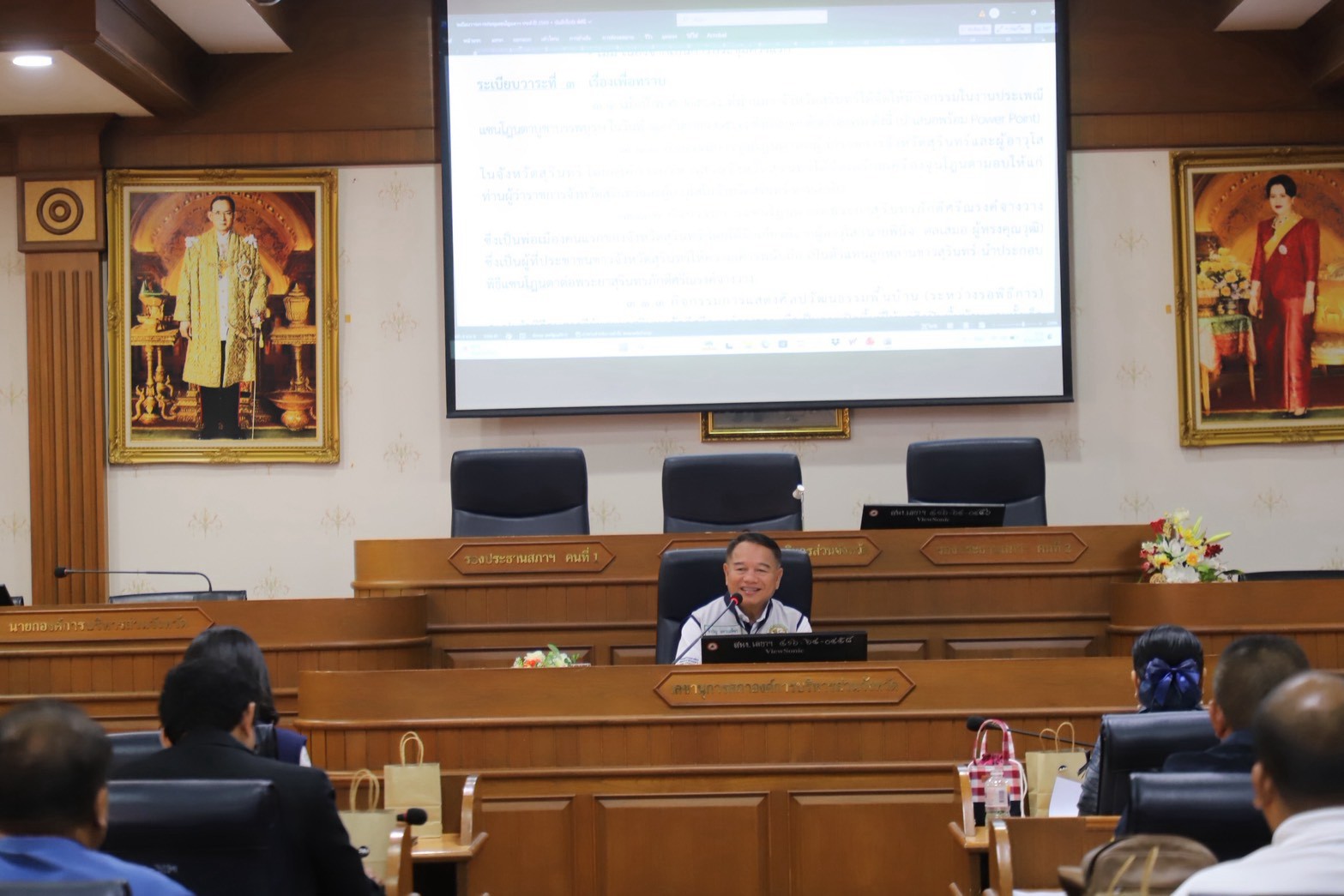
Surin will hold its provincial San Don Ta programme on 7 October 2026 at the Phraya Surin Phakdi Si Narong Changwang Monument in Mueang Surin. The event honours ancestors through Thai-Khmer tradition, bringing ritual, food knowledge, performance and community participation into one public gathering.
For visitors, the most important starting point is that this is not simply entertainment. San Don Ta expresses gratitude to family members who came before, strengthens ties between generations and carries cultural practices forward. Approach the day as a guest at a meaningful communal observance.
Understanding San Don Ta
Ancestor honouring appears in many cultures, but Surin’s Thai-Khmer expression has its own language, foods, gestures and local memory. Families prepare offerings and make merit while reconnecting with relatives. The public programme allows younger people and visitors to see how those practices remain alive.
The provincial event does not replace household observance. It creates a shared stage where ritual can be explained, demonstrated and respected collectively. Avoid reducing the tradition to colourful costumes or a photo opportunity. Its emotional centre is remembrance and responsibility.
The public programme
Surin’s announcement includes a living exhibition, local dessert demonstrations, a coconut-grating competition, folk performance and a cultural parade. Together, these activities show heritage through everyday skills as well as formal ceremony. Food preparation and practical knowledge can carry history just as powerfully as a speech.
The programme also includes a Jun Don Ta ceremony involving the governor and elders, followed by the San Don Ta rite at the monument. Listen for local instructions about where spectators may stand and when photography is appropriate. Ceremonial space should remain clear.
Why the monument matters
The Phraya Surin Phakdi Si Narong Changwang Monument is a civic landmark linked to the province’s history. Holding the rite there connects family remembrance with a wider sense of place and public gratitude. It also makes the event accessible in central Mueang Surin.
Use the full venue name when arranging transport, because a driver may know it by the local founder’s monument rather than the English event title. Arrive with enough time to orient yourself before a parade or ceremony changes road access.
Watch the food traditions
Local dessert demonstrations and coconut grating reveal the labour behind ceremonial foods. Watch the sequence, tools and teamwork rather than focusing only on the finished sweet. If samples are offered, wait for an invitation and take a modest portion so others can participate.
Competitions add energy, but they also preserve skill by making it visible to younger generations. Ask respectful questions after a demonstration, when participants are not under time pressure. A few Thai phrases and patient observation will carry a visitor further than demanding an English explanation.
Photograph with care
Parades and performances are usually public-facing, yet rituals can contain private emotion. Do not step into a procession, block elders or place a camera close to offerings. Avoid photographing anyone in distress or prayer without permission. Turn off flash during formal moments.
Share accurate context if you post images. Name the event and province, and avoid captions that treat Thai-Khmer identity as exotic scenery. Cultural travel is richer when the people represented would recognise their own celebration in your description.
Plan a Surin visit
Mueang Surin is the practical base for the provincial programme. Confirm the event timetable through local announcements close to 7 October, as activity times and traffic arrangements may change. October rain is possible, so carry a compact umbrella and footwear that can handle wet ground.
Dress neatly with shoulders and knees reasonably covered for ceremonial areas. Bring water, but keep food and drinks away from offerings. Follow signs, officials and community volunteers. If an area is reserved for elders or participants, observe from the public side.
Stay beyond the ceremony
A festival visit can support the local economy when it includes community restaurants, shops and accommodation. Choose businesses thoughtfully and avoid treating the event as a quick stop between photographs. A slower stay offers better context for Surin’s crafts, food and Khmer-influenced heritage.
Listen before interpreting
Visitors may encounter Thai and Khmer words, family customs and ritual details that do not map neatly onto a short English explanation. Let participants define their own practice. If accounts differ, recognise that household and community traditions can vary rather than deciding one version must be wrong.
Local elders and cultural workers are sources of living knowledge, not performers on demand. Wait for an appropriate moment, introduce yourself and ask whether questions are welcome. A short, respectful conversation can reveal more than a hurried attempt to collect every fact.
Separate dates carefully
Family observances may follow traditional calendars and occur across a broader period, while Surin’s announced provincial programme has a fixed public date. For 2026, the official provincial gathering described here is on 7 October. Do not assume every household ceremony occurs at the monument that day.
This distinction helps travellers avoid confusion when other calendars show related activity on different dates. Follow the Surin Provincial PR Office for the civic programme and ask local hosts about any community-specific schedule.
Find more Thai culture guides, festival coverage and regional travel ideas. The provincial San Don Ta programme is scheduled for 7 October 2026; check the latest Surin announcement before setting out.