
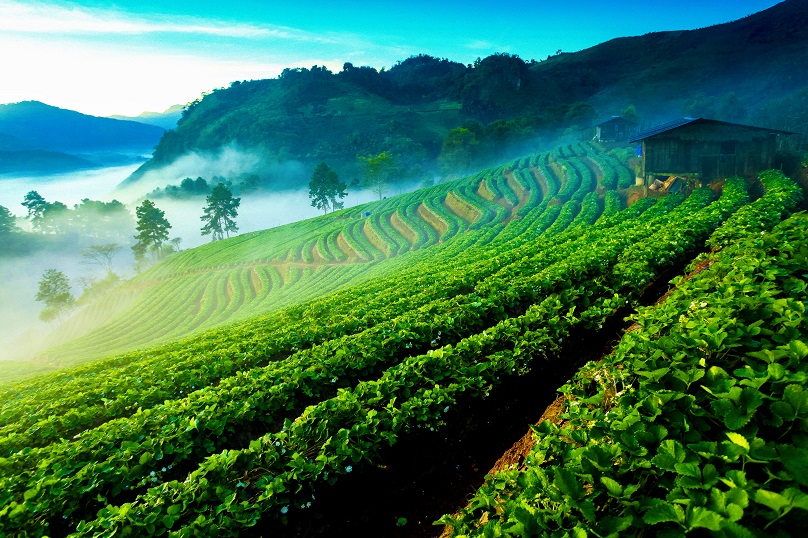
Doi Ang Khang is one of Northern Thailand’s most rewarding mountain detours, but it is not a casual extension of a Chiang Mai city break. The Royal Agricultural Station sits in Fang district near the Myanmar border, beyond steep, winding roads that demand an appropriate vehicle and a confident driver. The reward is a cooler landscape of experimental crops, flower gardens, viewpoints and culturally distinct villages.
The Tourism Authority of Thailand recommends a powerful vehicle and an experienced driver for the climb. That advice should shape the trip from the beginning. Avoid squeezing Doi Ang Khang into a rushed same-day itinerary from Chiang Mai if the driver, weather or daylight is uncertain.
Why the station matters
The Ang Khang Royal Agricultural Station was established as the first station of the Royal Project, supporting research into temperate vegetables, fruit and flowers while helping local communities develop alternative livelihoods. The cultivated slopes are therefore working landscapes, not simply decorative gardens.
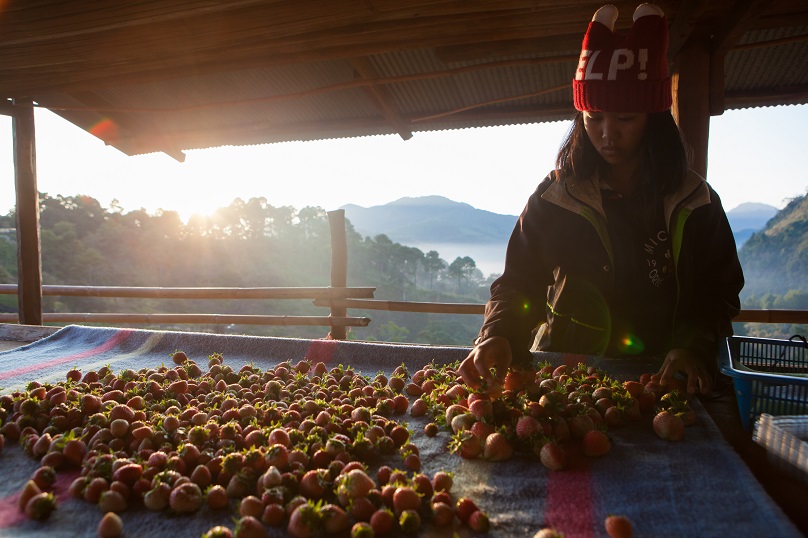
Visitors can see how elevation changes what grows in Thailand. Strawberries, cool-climate vegetables, fruit trees and flowering plants appear across the area. Stay on marked routes and respect work zones; a beautiful field may also be someone’s crop and research site.
The approach road
The standard approach follows Highway 107 north from Chiang Mai toward Fang. Near kilometre 137, turn at the Mae Kha Market junction and continue roughly 25 kilometres into the mountains. The final section is the serious part, with gradients and curves that can expose weak brakes, overloaded vehicles and inexperienced drivers.
Use low gears on descents and never coast in neutral. Check tyres, coolant and brakes before leaving the lowlands. In rain or fog, reduce the plan rather than forcing every stop. A locally experienced driver is worth more than saving a small amount on transport.
When to visit
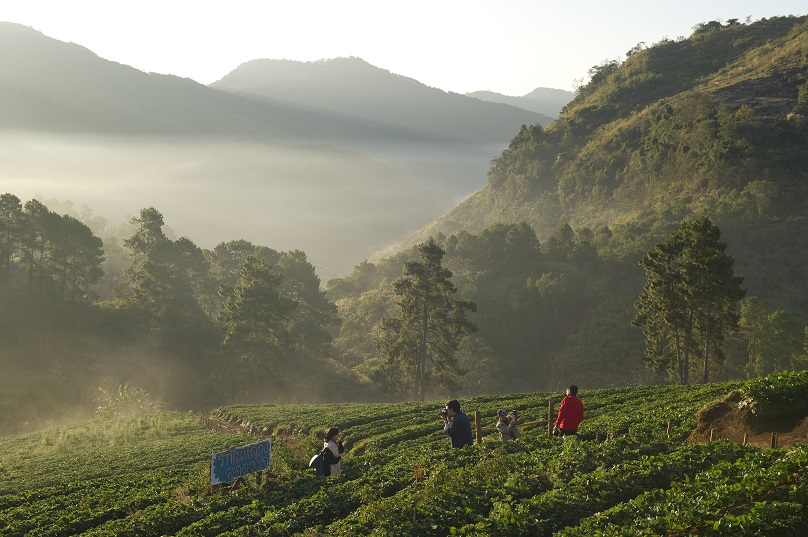
November to January brings the coolest weather and the strongest chance of mist, winter flowers and clear mountain views. It is also the busiest period. Temperatures can feel genuinely cold before sunrise, especially with wind, so pack layers rather than assuming a light Bangkok jacket will be enough.
The mountain remains green outside peak winter, but views vary with cloud and rain. October can be transitional, with lush scenery and unstable conditions. Check the local forecast shortly before departure and ask your accommodation or driver about road status.
Bonsai and gardens
The Bonsai Garden near the station entrance contains temperate and winter bonsai as well as herbal trees. TAT identifies November to January as the best viewing period. Visit in the softer morning light, when temperatures are comfortable and the wider day’s route has not yet filled with vehicles.
Do not rush only toward a photo viewpoint. The gardens explain why the Royal Project chose this elevation and how plants from cooler climates are tested. Labels and staff knowledge can add more to the visit than another panoramic photograph.
Kiew Lom viewpoint
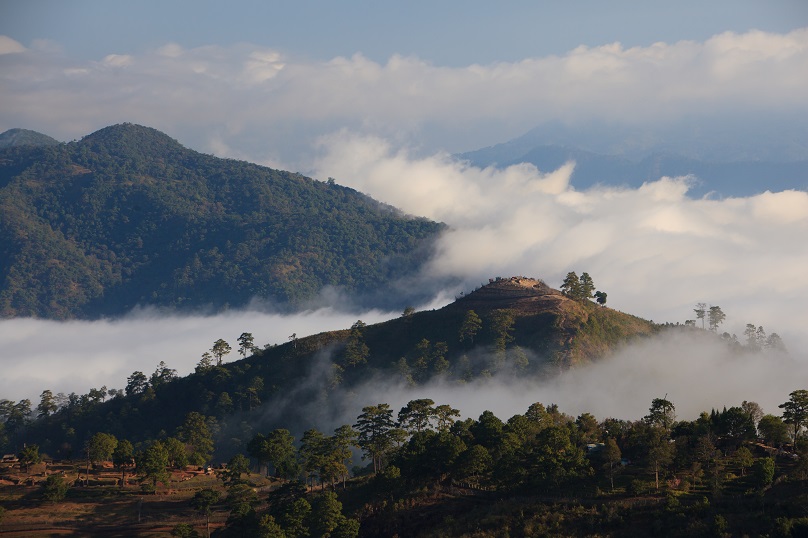
Kiew Lom is known for sunrise, valley mist and broad views across the Ang Khang hills. Conditions are never guaranteed. Arrive before the light changes, but do not stop on blind corners or create a roadside obstruction in the dark. Use designated parking and carry a torch.
Sunset is also possible, though it leaves a mountain drive after dark. Unless you are staying nearby and your driver knows the road, morning is the safer choice. Cloud can erase the view within minutes, so enjoy the changing atmosphere rather than treating a sea of mist as a promised product.
Village circuit
Mu Ban Khum is home to Burmese, Wa and Shan communities and offers food and handicrafts near the Royal Project area. Mu Ban No Lae looks toward the Thai-Myanmar border and is associated with residents who migrated from Myanmar. Mu Ban Khop Dong preserves aspects of Lahu community life supported by agriculture and handicrafts.
These are living communities, not themed attractions. Ask before photographing people, homes or religious activity. Buy directly when possible, learn what a product is made from and avoid turning cultural difference into spectacle. Border conditions can change, so follow local instructions and signs.
A realistic itinerary
For one full mountain day, start at a viewpoint before sunrise, eat breakfast, visit the Royal Agricultural Station and gardens, then choose one or two villages rather than racing through all of them. Finish the highest or most remote stops well before dusk.
Staying overnight near Ang Khang reduces driving pressure and makes sunrise practical. If visiting from Chiang Mai city in one day, leave very early and accept that the drive itself consumes much of the schedule. Families and travellers prone to motion sickness should build in frequent safe stops.
What to pack
Bring layered clothing, a light rain shell, sun protection, drinking water, cash and any motion-sickness medication you already use. Mobile signal may be uneven. Download maps, save accommodation details offline and tell someone your route if travelling independently.
Fuel before the mountain section and do not rely on every small business accepting cards. A compact first-aid kit and power bank are useful. Avoid bringing disposable picnic items that are likely to become roadside waste.
Opening information
TAT lists the Royal Project attraction as open daily from 8am to 5pm and provides the contact number +66 53 969 492. Hours, access and activity availability can change, particularly in bad weather or during operational work, so confirm before a long drive.
Doi Ang Khang rewards travellers who slow down and treat the road, farms and communities as connected parts of the experience. Plan for the mountain rather than only the photograph, and the journey becomes far richer.
Keep exploring
Continue with related TFT coverage, browse more Thailand guides and compare the latest TFT recommendations.
Common questions
Can I drive a small car to Doi Ang Khang?
TAT recommends a powerful vehicle and an experienced driver because the final mountain road is steep and demanding. Assess weather and vehicle condition conservatively.
When is the coolest season?
November to January is generally the coolest and most popular period, with strong chances for mist and winter gardens.
How far is the mountain turn from Mae Kha?
The official route description places Doi Ang Khang roughly 25 kilometres beyond the Mae Kha Market junction, after Highway 107.