
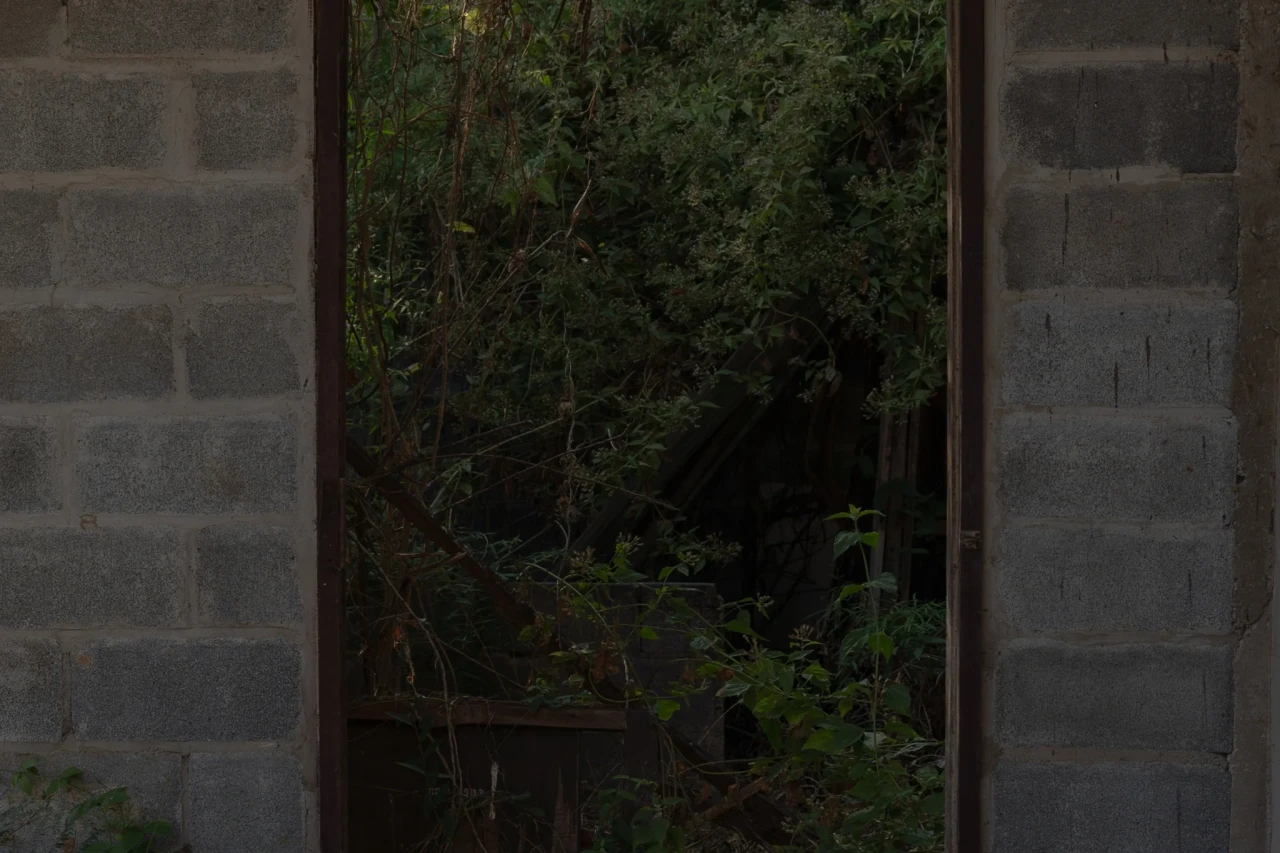
“And Still, Another After” asks what it means to grow up inside consequences you did not personally witness. At Jim Thompson Art Center, a group of emerging Thai artists looks at the afterlives of the 1997 Asian Financial Crisis, political instability, migration, border conflict and ecological change. The exhibition runs from 10 October 2026 to 29 March 2027.
The idea of after
Curator Rinrada Na Chiangmai resists the neat story in which a crisis happens, society recovers and the past closes. Here, one aftermath folds into another. Debt, fragile infrastructure, changing landscapes and insecure work continue to shape daily life even when the original event has slipped beyond a young artist’s memory.
That frame gives the show emotional precision. It is not a history lesson about 1997. It is an inquiry into what younger people inherit through family finances, institutions, buildings, weather, media and the pressure to appear resilient.
Artists and materials
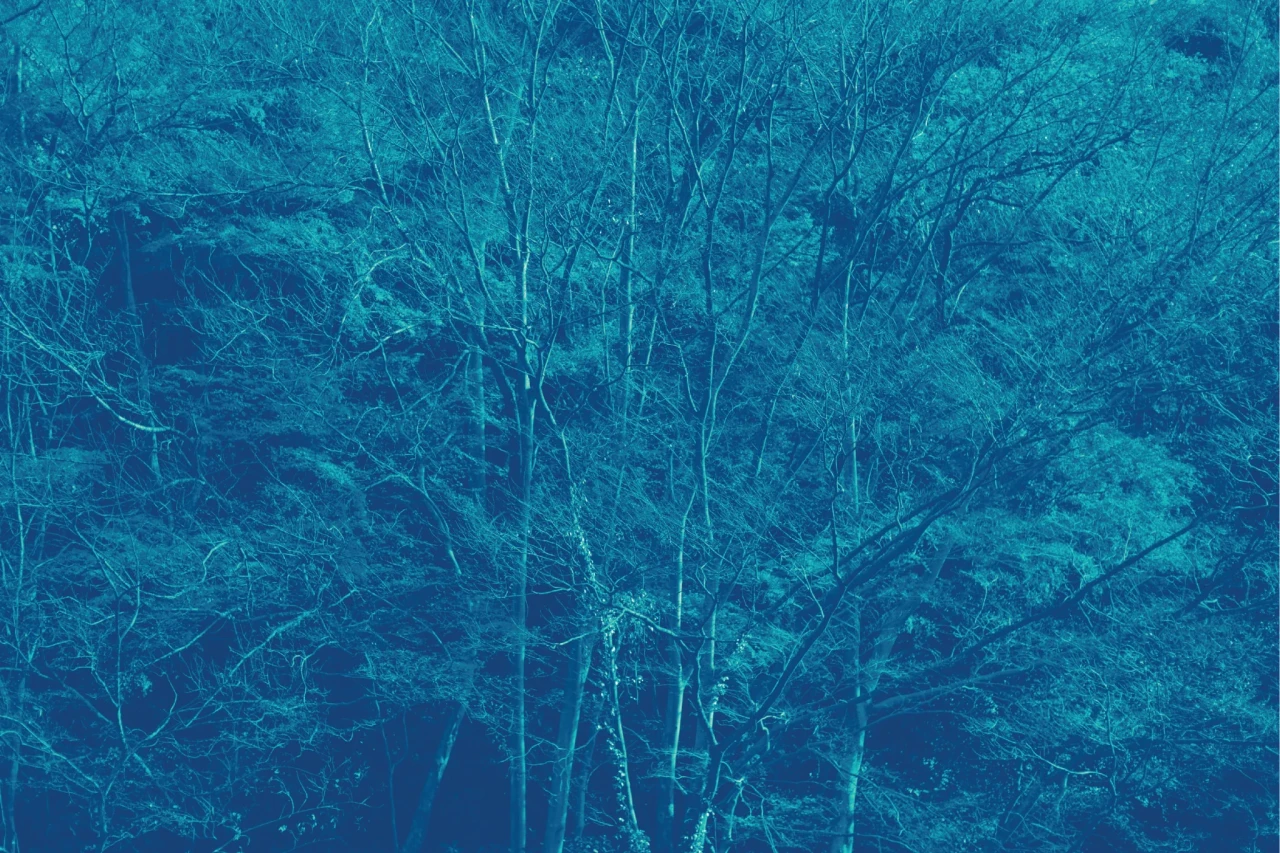
The exhibition brings together work by Bhumikorn Kongtaveelert with Anna Golubkova, Pitchada Poolsawad and Piyatida Piyamassakul, along with Pakapat Limlertphonboon, Sareena Sattapon, Nat Setthana, Marisa Srijunpleang and PLERN VERN.
Video, photography, sound, installation and spatial interventions let different kinds of evidence sit together. Loan flyers speak about persuasion and debt. Construction materials suggest development and labour. Clouds carry stories of weather modification and geopolitical control. Ordinary objects become records of survival.
How to look
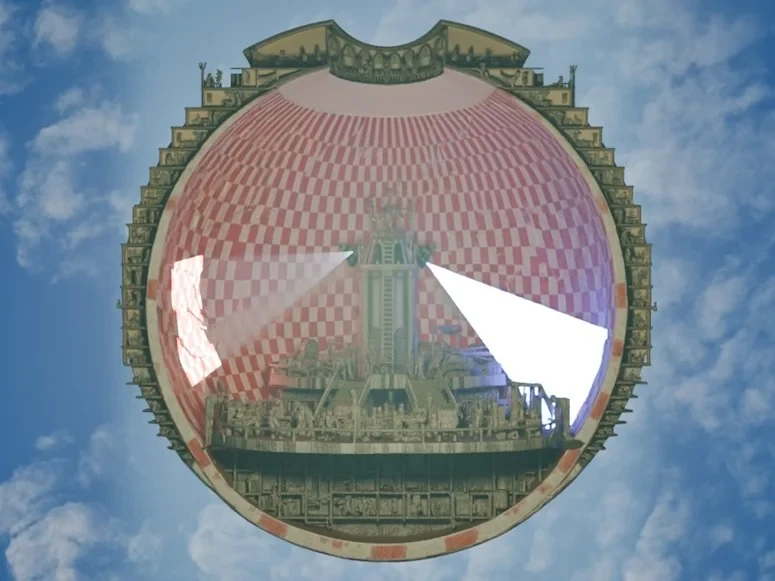
Begin slowly and read the introductory text before trying to decode each object. The exhibition’s subjects overlap, so a work that appears to be about landscape may also be about labour or national policy. Give moving-image pieces enough time to establish their rhythm instead of sampling only a few seconds.
Then step back. Installations often use the relation between objects, sound and empty space as part of the argument. A photograph may feel different after hearing an adjacent work or noticing how a material has been positioned.
A younger perspective
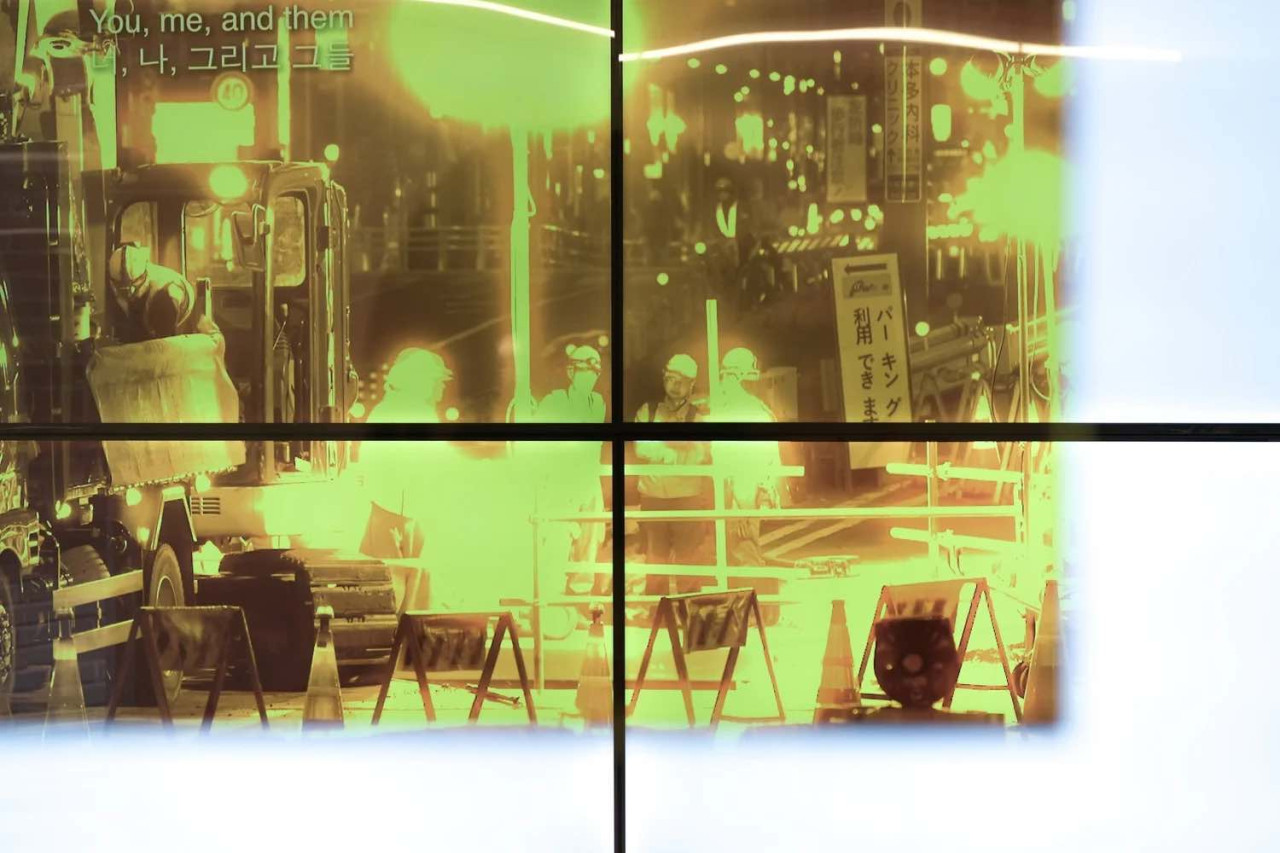
The artists were born from the mid-1990s to the early 2000s. They encounter the Asian Financial Crisis less as direct memory than as a condition embedded in adulthood. This distinction matters because it shifts attention from testimony to inheritance.
The show also complicates the language of progress. New technology, urban growth and national resilience can coexist with precarious work, displacement and environmental risk. The artists do not offer one diagnosis, but they make those overlaps difficult to ignore.
Planning the visit
Jim Thompson Art Center is on Rama I Road, close to BTS National Stadium and the Jim Thompson House Museum. Check the art center’s current opening hours before travelling, and allow at least an hour for the exhibition. More time helps if you plan to watch the video works fully.
The surrounding area is busy, but the art center rewards concentration. Put your phone away for the first pass, then return to photograph permitted details or record notes. Ask staff about any work whose media or duration is unclear.
Why it is timely
The exhibition arrives when economic and ecological shocks are often described as temporary exceptions. Its title proposes something harder: the after is not a single period but a repeated social condition. That idea connects the works without making them illustrations of one argument.
Visitors do not need specialist knowledge of Thai contemporary art. Curiosity about how history settles into ordinary life is enough. Leave space after the visit to consider which materials stayed with you and why.
Make the visit work
Wall labels can help, but they should not become the entire visit. Look at each work before reading its explanation, notice your first associations, then use the text to complicate them. This approach is especially useful in a show about inherited conditions, where a material may carry social meaning that is not obvious to every viewer. There is no need to identify one correct interpretation before moving on.
Families with older children can use the exhibition to discuss how events affect people born later. Ask what an ordinary object might reveal about work, debt or migration, and let the child choose one piece to revisit. Some video or sound works may require patience and quiet. Check with staff about content or accessibility if anyone in the group is sensitive to loud audio, darkness or flashing imagery.
The art center can be paired with the Jim Thompson House Museum, but the two experiences ask for different kinds of attention. If doing both, leave a break between them rather than rushing directly from historical interiors to contemporary installations. A cafe pause or short walk helps reset your eye. The exhibition’s questions often become clearer after you step outside and notice the city’s own construction, labour and layered histories.
Before setting out, check the subject’s official page for any same-day change to opening times, access, reservations or weather-dependent activity. Bangkok traffic and island transport can turn a small delay into a missed slot, while restaurants, exhibitions and resorts may adjust operations for private events. Save the address in Thai and English, keep the booking confirmation available offline and share the return plan with everyone in the group.
One final habit improves almost every experience: decide what would make the visit worthwhile before arriving. It might be one dish, one artwork, a well-fitted pair of shoes, a safe activity or a connection that runs without stress. That priority makes it easier to skip distractions, adapt when conditions change and leave with a stronger memory than a longer checklist.