
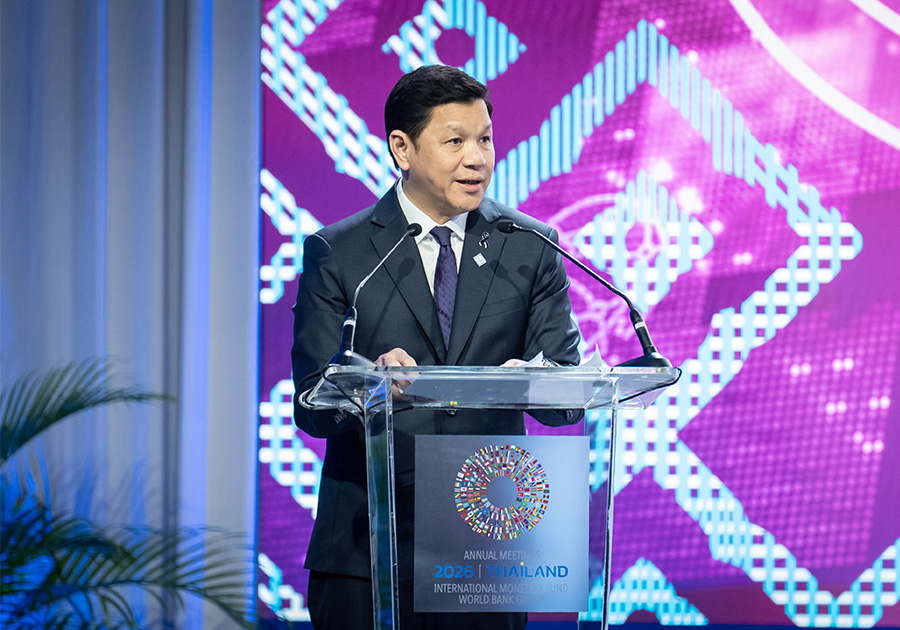
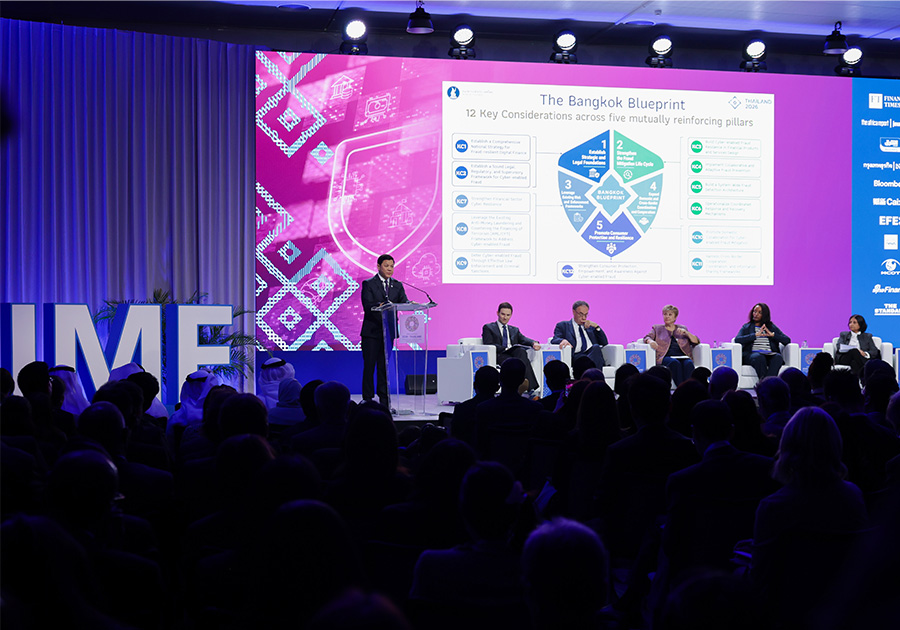
Thailand’s Bank of Thailand, the IMF and the World Bank Group launched the Bangkok Blueprint for Fraud-Resilient Financial Services on 14 October 2026. It is a policy framework rather than a new consumer product or instant reimbursement promise. Its value lies in setting a shared direction for banks, payment firms, regulators and governments confronting cross-border digital fraud.
What the blueprint is
The framework is described as a policy compass that countries can adapt to local conditions. It centres on a whole-of-ecosystem response, stronger international cooperation and the development of durable standards. That broad scope reflects how modern scams move across banks, telecom networks, platforms, borders and legal systems.
For customers, the important message is that no single warning popup or authentication step can carry the whole burden. Prevention, rapid detection, information sharing and response procedures need to connect.
Shared responsibility
A whole-of-ecosystem approach asks every participant to own part of the risk. Financial institutions must improve identity checks, monitoring and intervention. Technology and telecom companies can reduce spoofing and malicious access. Law enforcement and regulators need usable reporting channels and timely cooperation. Customers still need careful habits.
Shared responsibility should not be misread as blaming victims. The point is to prevent gaps where each organisation assumes another will act. Clear roles also make it easier to measure whether safeguards work.
Cross-border fraud
Scam networks can contact a person in one country, operate infrastructure in another and route funds through accounts elsewhere. Domestic controls alone may identify a suspicious transaction without reaching the people who organised it. The blueprint therefore treats international coordination as operational, not ceremonial.
Data sharing must still respect privacy and due process. Faster cooperation is valuable only when information is accurate, access is controlled and legitimate customers are not indiscriminately blocked.

What banks may strengthen
The Bank of Thailand’s related safeguard framework points to stronger customer and merchant checks, scrutiny of high-risk cash activity, better anomaly detection and links to the Central Fraud Registry. Industry groups are expected to develop common standards and share fraud patterns.
Customers may see more questions, verification steps or temporary holds when behaviour differs sharply from their normal profile. These can be inconvenient, but the test should be whether they are proportionate, explainable and paired with a route to resolve mistakes.
What customers should do
Use official banking apps, keep devices updated and never install software at a caller’s request. Pause when someone creates urgency around a transfer, tax, parcel, police case or investment. Verify through a number or app you found independently, not a link in the message.
If money has been sent under suspected fraud, contact Thailand’s Anti-Online Scam Operation Centre at 1441 promptly and inform the relevant bank. Speed improves the chance that funds can be traced or held, although recovery is not guaranteed. Keep transaction records and screenshots without sharing passwords or one-time codes.
Read it realistically
The Bangkok Blueprint is a useful signal of institutional direction, not evidence that every bank process has already changed. Customers should watch official notices from their own providers for concrete updates. Any message claiming the blueprint requires an urgent transfer or new password is itself a reason to stop.
The practical lesson is simple: safer digital finance needs connected institutions and slower, more deliberate decisions at the moment of payment. Policy can improve the system, but a short verification pause remains one of the strongest protections available to an individual.
Make the visit work
Households can turn the framework into a simple protocol. Agree that unexpected requests for money will be verified through a second channel, even when the message appears to come from family. Set transfer limits appropriate to normal spending and enable transaction alerts. These steps do not prevent every scam, but they introduce time and visibility at the point where urgency is trying to remove both.
Visitors and new residents should learn the official channels before a problem occurs. Save the bank’s number from its own app or website, understand how to freeze a card, and know which identity documents support a report. Never assume an incoming caller is genuine because the number looks familiar. Caller identification can be spoofed, while real institutions will tolerate a customer ending the call and reconnecting independently.
Businesses need an equivalent process for invoice fraud. Changes to supplier bank details should be confirmed with a known contact, not with the sender of the change request alone. Separate creation and approval of large payments where staffing allows. The Bangkok Blueprint is written at system level, but its central insight applies inside every organisation: fraud succeeds at the seams between people, data and institutions.
Before setting out, check the subject’s official page for any same-day change to opening times, access, reservations or weather-dependent activity. Bangkok traffic and island transport can turn a small delay into a missed slot, while restaurants, exhibitions and resorts may adjust operations for private events. Save the address in Thai and English, keep the booking confirmation available offline and share the return plan with everyone in the group.
One final habit improves almost every experience: decide what would make the visit worthwhile before arriving. It might be one dish, one artwork, a well-fitted pair of shoes, a safe activity or a connection that runs without stress. That priority makes it easier to skip distractions, adapt when conditions change and leave with a stronger memory than a longer checklist.