
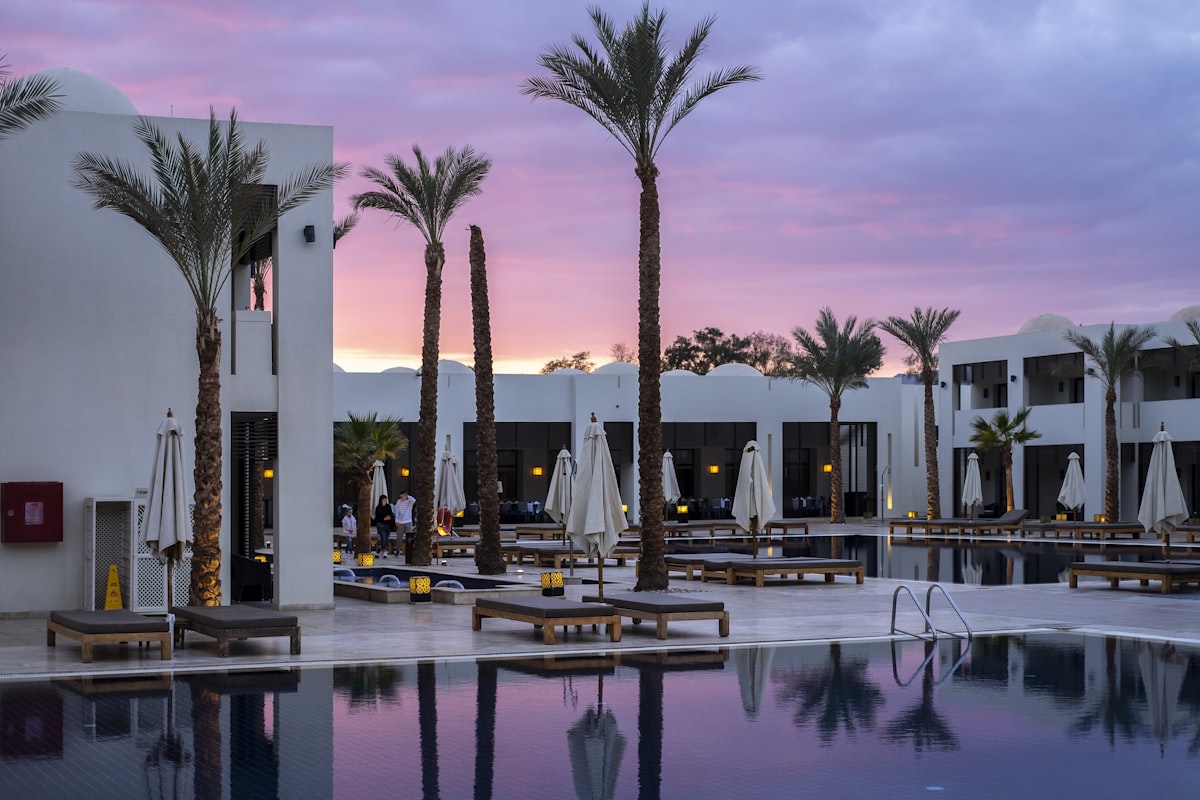
Thailand has long been one of the world’s great hotel destinations, but the current generation of luxury properties has raised the bar to extraordinary heights. From riverside retreats that have claimed the title of best hotel on the planet to heritage conversions that transform 130-year-old customs halls into five-star sanctuaries, the kingdom’s finest hotels are no longer just places to sleep—they are destinations in their own right, with Michelin-starred dining, world-class wellness, and architectural visions that rival any museum.
Here is our curated guide to the three hotels that define luxury hospitality in Thailand today.
Capella Bangkok: The World’s Number One
When The World’s 50 Best Hotels named Capella Bangkok the number-one hotel in the world in 2024, it confirmed what guests had been saying since this 101-suite property opened on the Chao Phraya in October 2020: nothing in Bangkok—and very little anywhere else—matches the combination of architectural sensitivity, culinary excellence, and deeply personalised service that Capella delivers.
Designed by Hamiltons International as a contemporary interpretation of the Thai riverside pavilion, the hotel sits in the historic Charoenkrung district, a ten-minute walk from the Grand Palace and Wat Arun. Every suite and villa faces the river, starting at a generous 61 square metres for entry-level rooms and climbing to a 595-square-metre Presidential Villa with private garden and plunge pool. The two-Michelin-starred Côte by Mauro Colagreco anchors the dining programme, whilst the 1,074-square-metre Auriga Wellness spa and team of Capella Culturists—bespoke experience designers—ensure that every stay is unrepeatable. Room rates start from USD $675.
The Langham, Custom House: Heritage Reborn
Opening in late 2026, The Langham, Custom House, Bangkok will transform one of Thailand’s most architecturally significant heritage buildings—an 1888 neo-Palladian customs hall designed by Joachim Grassi during King Chulalongkorn’s reign—into 78 meticulously appointed guestrooms across three interconnected structures. The THB 6-billion restoration preserves the original teak floors, four-storey hallway, and grand central staircase whilst integrating contemporary luxury infrastructure.
The culinary headline is T’ang Court, the three-Michelin-starred Cantonese restaurant that has held its stars at The Langham Hong Kong for a decade. It will be the only three-star-affiliated restaurant operating within a Bangkok hotel. The Chuan Spa will incorporate Traditional Chinese Medicine principles, and river-facing ballrooms within the heritage building will provide some of the most distinguished event spaces in Southeast Asia. General Manager Nick Downing, who previously led The Siam onto The World’s 50 Best Hotels list, brings deep Bangkok expertise to the project.
Aman Nai Lert: The Urban Sanctuary
When Aman Nai Lert Bangkok opened on 2 April 2025, it brought the Aman brand full circle—back to Thailand, where it all began at Amanpuri in 1988. Occupying seven acres of century-old gardens on Wireless Road, with a 36-storey tower designed by Jean-Michel Gathy around a 100-year-old heritage tree, this is arguably the most distinctive luxury hotel to open in Bangkok in a generation.
Just 52 suites ensure intimacy, with the entry-level Deluxe starting at 94 square metres and the Aman Suite occupying an entire floor at up to 713 square metres. Seven restaurants and bars—including the signature Italian Arva, an intimate 19-course omakase at Sesui, and a teppanyaki counter at Hiori—make this the most culinarily ambitious Aman property in the world. The 1,500-square-metre spa partners with Hertitude Medical Wellness Clinic for evidence-based longevity treatments alongside traditional Thai healing. From approximately USD $1,100 per night.
What Defines a Great Thai Luxury Hotel
These three properties share certain qualities that distinguish Thailand’s finest hotels from luxury competitors elsewhere in the world. First, an almost obsessive attention to architectural context: each hotel responds to its specific setting—riverside heritage district, century-old customs hall, private garden estate—rather than imposing a generic luxury template. Second, culinary ambition that extends beyond hotel dining conventions: two Michelin stars, three Michelin stars, and seven distinct restaurants respectively. Third, wellness programming that draws on Thailand’s deep healing traditions whilst embracing contemporary science. And fourth, a level of personalised service that reflects Thai hospitality culture—genuine warmth, intuitive attention, and a belief that the host’s role is to anticipate needs before they are expressed.
Choosing the Right Hotel
For the ultimate riverside experience with the world’s top-ranked hotel pedigree, choose Capella Bangkok. For heritage lovers and Cantonese cuisine enthusiasts who can wait until late 2026, The Langham, Custom House will be worth the anticipation. For privacy, wellness, and urban-resort tranquillity in the heart of the city, Aman Nai Lert is unmatched. All three represent the very finest Thailand has to offer—and all three justify building an entire trip around.