
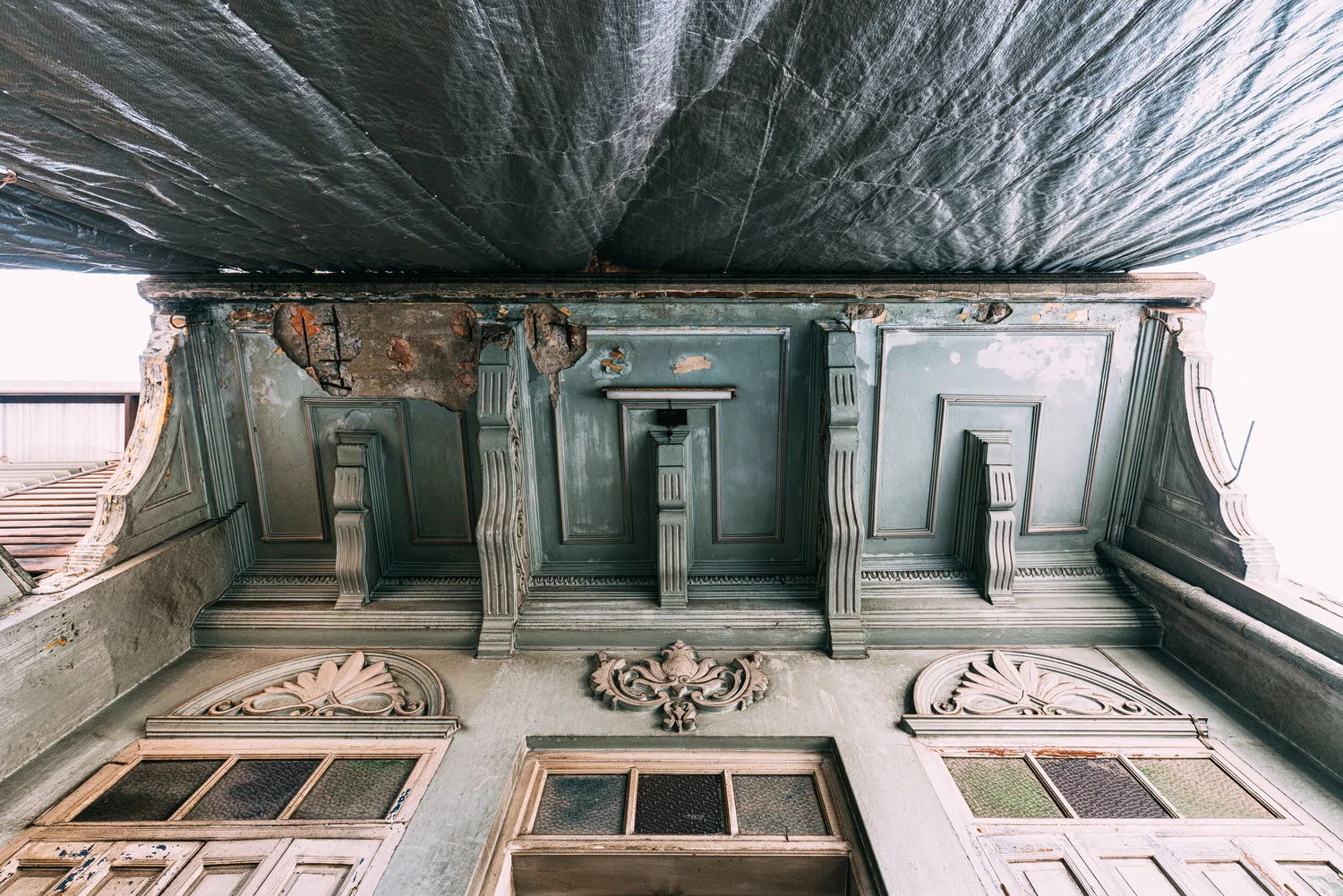
Why Potong Matters
Potong is one of the rare Bangkok restaurants where the building, chef, neighbourhood and menu all pull in the same direction. It sits in Yaowarat, inside a restored family building that once operated as a Chinese pharmacy, and its tasting menu is built around Thai-Chinese memory rather than imported luxury theatre. For travellers who already know Bangkok's hotel dining rooms and contemporary Thai tasting menus, Potong offers a more personal route into fine dining.
Chef Pichaya "Pam" Soontornyanakij has become one of Thailand's most visible culinary figures, but Potong works because it is not only about chef celebrity. The restaurant's strength is narrative discipline. The food, old building, fermentation references, Chinese ingredients, Thai seasoning logic and Chinatown location create one continuous experience. You are not just sitting in a beautiful room eating expensive courses; you are moving through a family and neighbourhood story.
The Setting
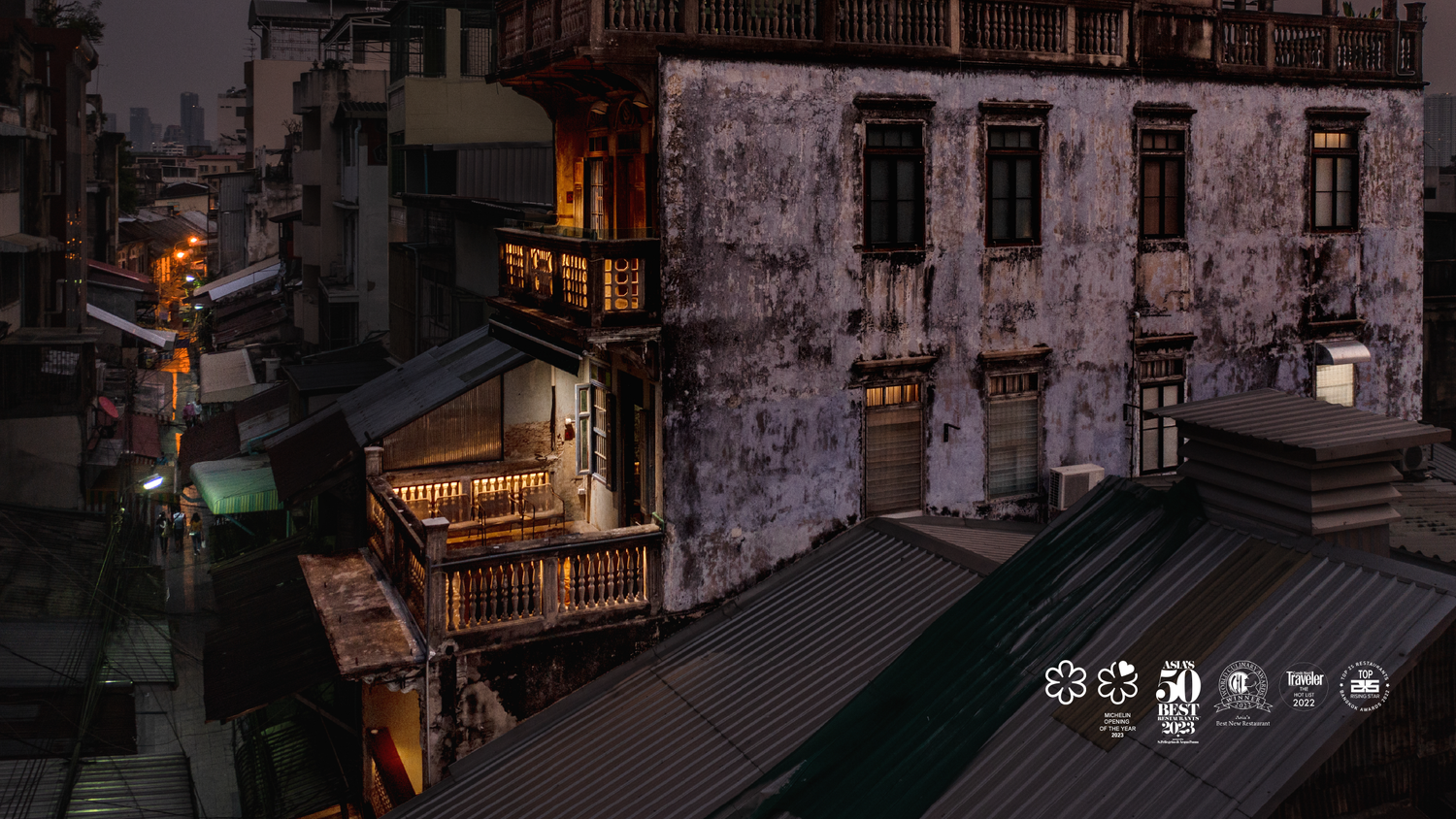
The restaurant is located at 422 Vanich 1 Road in Samphanthawong, a short ride or walk from the Wat Mangkon MRT area depending on heat and traffic. The building is a major part of the experience. MICHELIN describes it as a historical Sino-Portuguese building that once housed Chef Pam's family Chinese pharmacy. That matters because the tasting menu leans into heritage without becoming nostalgic stage dressing.
Most visitors should treat Potong as a full-evening booking. The experience typically moves through different parts of the building, and the restaurant's associated bar and rooftop elements make it feel more layered than a conventional dining room. Arrive early enough to settle in rather than treating the reservation like a quick dinner stop before nightlife.
The Food
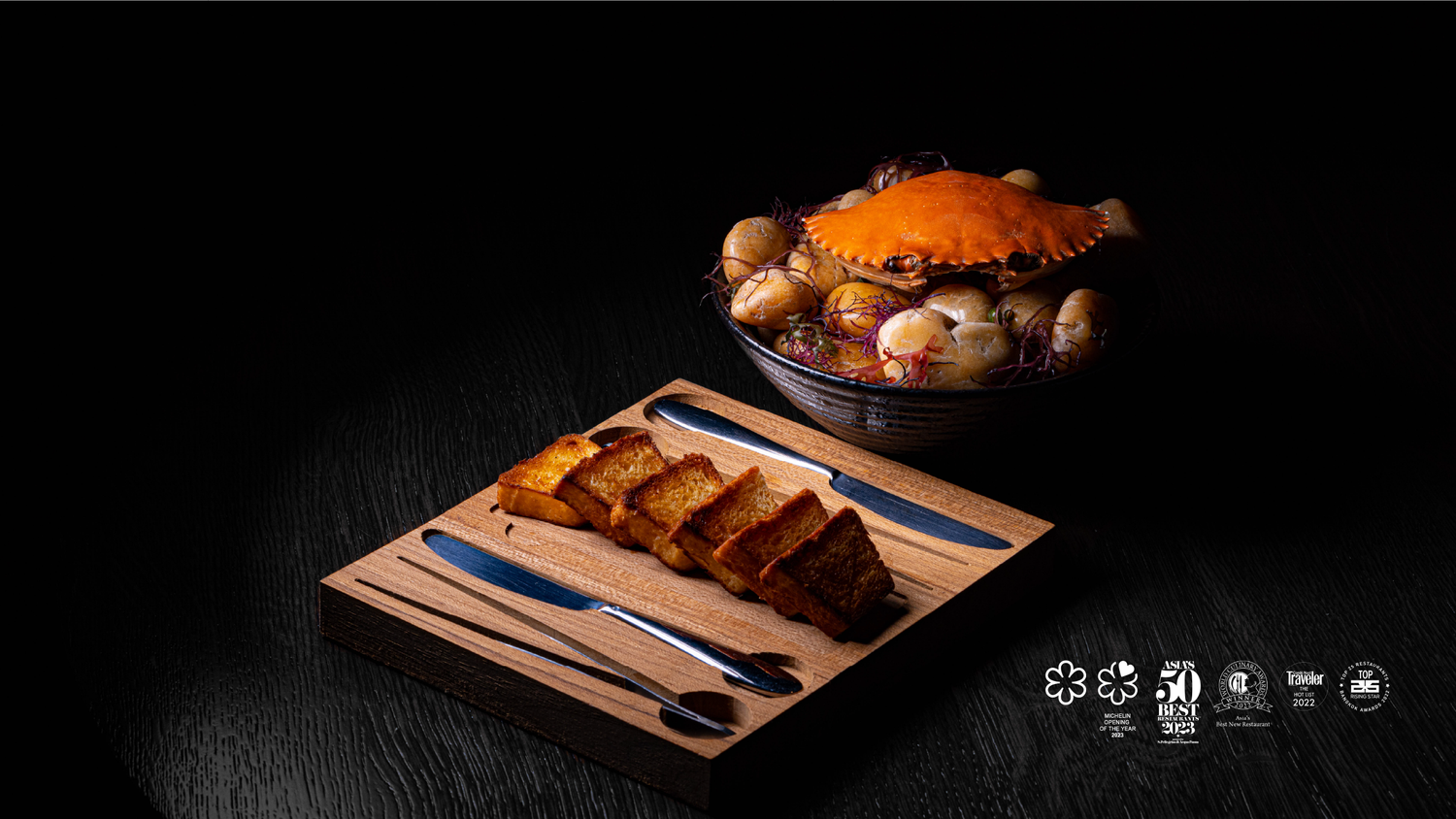
Potong is best understood as progressive Thai-Chinese cuisine. MICHELIN notes that traditional and novel ideas converge here, with a single set menu and optional upgrades. Expect dishes that use Chinese ingredients, Thai flavour structure, fermentation, ageing, herbs, spice, acidity, texture and storytelling. One of the signatures often associated with Potong is aged duck, but the restaurant should not be reduced to a single dish.
This is not the right booking for someone who wants a la carte comfort food in Chinatown. It is a tasting menu, and diners should be open to a long sequence, small portions, unfamiliar references and a chef-led point of view. The reward is a meal that feels rooted in Bangkok rather than globally interchangeable.
Booking Strategy
Book directly through the restaurant or its official reservation channel. MICHELIN notes that the establishment manages its own bookings, so readers should not rely on walk-ins. Fine-dining seats in Bangkok can shift quickly around awards news, public holidays, chef travel and tourism peaks. If you are visiting Bangkok for only a few nights, book Potong before locking the rest of your dinner itinerary.
Dietary restrictions should be declared at the time of booking, not on arrival. Thai-Chinese tasting menus may use seafood, shellfish, pork, duck, poultry, fermented ingredients, alcohol, gluten or hidden stocks across multiple courses. Vegetarian or allergy requests may be possible, but the restaurant needs notice.
Who Should Go
Potong suits diners who care about place. It is ideal for visitors who want a Michelin-level Bangkok dinner but do not want the polished hotel formula. It also suits repeat Bangkok travellers who have already tried Gaggan Anand, Le Du, Baan Tepa, Suhring or hotel French dining and want something tied more closely to Yaowarat.
It may not suit diners who want casual Chinatown energy, large portions, child-friendly flexibility or a low-cost meal. Yaowarat is filled with brilliant street food, noodle shops and seafood restaurants; Potong is a different kind of night.
How To Build The Evening
Plan transport carefully. Chinatown traffic can be slow, and parking is not the point of this area. MRT Wat Mangkon is the cleanest public-transport anchor, while ride-hailing works best if you allow buffer time. After dinner, visitors can walk through Yaowarat if the weather is comfortable, but do not book another tightly timed bar or event afterwards. Potong works best when the meal is allowed to breathe.
The best way to approach Potong is to give it the whole night and resist comparing every course with a standard restaurant meal. A tasting menu like this is partly about pacing: a drink downstairs, a shift in room, a view of Chinatown from above, then a move back into the dining sequence. That rhythm is what makes the restaurant feel tied to the building rather than dropped into it.
There is also a useful neighbourhood contrast. Yaowarat is one of Bangkok's most democratic eating districts, where a visitor can eat brilliantly from a plastic stool for a fraction of the price. Potong does not replace that experience. It sits beside it as a different answer to the same question: how can Thai-Chinese food carry memory, technique and pleasure at the same time? Readers who understand that contrast will enjoy the meal more than those who arrive expecting only luxury signals.
If you are choosing between Potong and another Bangkok fine-dining booking, ask what kind of story you want from the night. Choose a hotel dining room for polished comfort, Gaggan Anand for maximal theatre, Baan Tepa for a garden-led Thai home setting, and Potong for Chinatown heritage through a contemporary Thai-Chinese lens. That simple framing will help readers avoid booking the wrong restaurant for the mood they actually want.
One final practical point: do not over-schedule lunch. A long tasting menu lands better when you arrive hungry but not exhausted. Spend the afternoon lightly around Talat Noi, River City, Wat Mangkon or a hotel pool, then come to Yaowarat with enough energy to pay attention.
Need To Know
Address: 422 Vanich 1 Road, Samphanthawong, Bangkok 10100. Opening pattern: dinner service, generally late afternoon to 11:00 pm, with Wednesday closed according to MICHELIN; reconfirm when booking. Booking: direct restaurant reservation recommended. Nearest MRT: Wat Mangkon.