

Thailand is card-friendly in malls and hotels, but visitors still need cash for markets, taxis, small restaurants, temples, local transport and island trips. ATM withdrawals are convenient, yet foreign-card fees can make small withdrawals expensive.
This guide is for practical planning, not financial advice. Fees can change by bank, card issuer and ATM owner, so check the screen before confirming any withdrawal.
Why Go
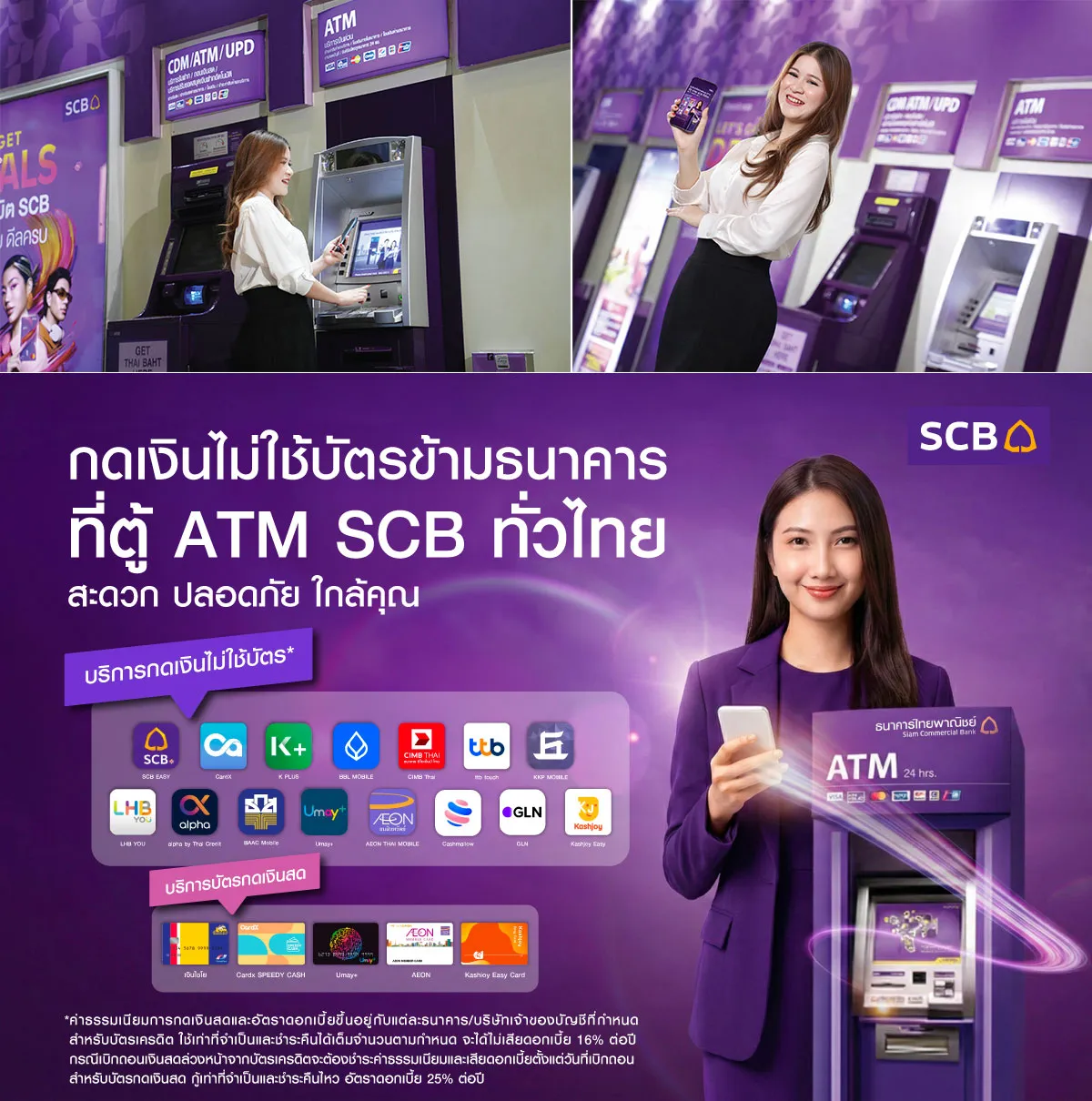
The common mistake is treating an ATM withdrawal as one fee. In practice, a foreign-card withdrawal can involve the Thai ATM owner’s fee, your home bank’s ATM fee, foreign-transaction charges and the exchange-rate spread.
Dynamic currency conversion can add another cost. If an ATM offers to charge your home currency, compare carefully; choosing Thai baht usually keeps conversion with your card network or issuer rather than the local DCC rate.
Large withdrawals reduce the fee percentage, but carrying too much cash creates theft and loss risk. The right answer is balance, not maximum cash.
Long-stay visitors should also compare cash exchange, local accounts, card reimbursement benefits and international transfer tools before relying entirely on ATMs.
Use this with Money, Nomads and Travel coverage.
The issue matters most for people making many small withdrawals. A flat access fee hurts less on a larger withdrawal, but that does not mean the largest possible withdrawal is always sensible.
Families should plan cash differently from solo travellers. One person can manage a small emergency reserve; a family may need cash for multiple tickets, snacks, taxis and tips in the same afternoon.
What To Expect

Expect the ATM to disclose the local access fee before you confirm. Do not rush the final screens, especially when tired after a flight.
Your home bank may add a separate fee after the transaction posts. That charge will not always appear on the Thai ATM screen.
Some Thai ATMs also show a currency-conversion offer. Read it slowly. The convenient-looking home-currency number may not be the cheapest option.
Withdrawal limits vary by ATM, bank and card. If your card limit is low, multiple withdrawals can multiply fees.
Keep receipts or screenshots until the transaction settles, especially if the machine errors, cash is not dispensed or the amount looks wrong.
Airport ATMs are convenient after arrival, but tired travellers are more likely to accept unfavourable conversion screens without reading them. Withdraw enough for immediate transport and essentials, then make a calmer decision later.
Card acceptance varies by setting. Hotels, malls and larger restaurants are straightforward; markets, temples, beach vendors, small ferries and rural stops can still be cash-led.
How To Plan

Withdraw less often but not recklessly. A few days of cash is sensible; a whole trip’s budget in one wallet is not.
Use ATMs in bank branches, malls, airports or well-lit areas where help is available. Avoid isolated machines late at night.
Decline DCC when you understand that your card issuer’s conversion is likely preferable, but check your own card terms because issuer fees vary.
Carry a backup card separately from your main wallet and keep emergency cash in a different bag.
If staying long term, compare Thai bank-account eligibility, international transfer costs and cards that reimburse foreign ATM fees in your home country.
Before flying, check your home bank’s international ATM fee, foreign-exchange markup, daily limit and fraud-notification settings. A card blocked on arrival is more expensive than a normal ATM fee.
Keep emergency cash in a separate place from your main wallet. Losing one pouch should not remove every payment option you have.
For longer stays, review costs monthly rather than emotionally. If ATM fees are adding up, a different card, bank account or transfer route may be worth the admin.
Make one small money plan before arrival: how much cash to carry, which card to use first, which card stays separate as backup and how to contact your bank if a transaction is blocked.
Review card terms before departure rather than at the ATM. Foreign-exchange markup, cash-advance rules, daily limits and reimbursement policies vary enough that a familiar card at home may be expensive abroad.
Avoid making fee decisions when rushed. Airport queues, tired children, taxi pressure and low phone battery all push travellers toward accepting whatever the screen offers.
For long stays, keep a simple note of actual withdrawal costs during the first week. Real transaction data is more useful than assumptions, especially when comparing cards, cash exchange and transfer options.
Revisit the plan after your first few transactions. If the fees are higher than expected, change behaviour early rather than repeating the same expensive withdrawal pattern for the whole stay.
Practical Information
Best for: tourists, digital nomads, expats and families planning daily cash use in Thailand.
Fee note: recheck bank and card-issuer fee tables before a major trip.
Reader note: this is general practical information, not personalised financial advice.
FAQ
Do Thai ATMs charge foreign cards?
Many do. The exact amount can vary, and your home bank may add separate charges.
Should I accept conversion to my home currency?
Usually compare carefully. Paying in Thai baht often avoids the ATM’s dynamic currency conversion rate.
Is cash still needed in Thailand?
Yes. Malls and hotels take cards, but small vendors, markets, transport and islands can still require cash.