
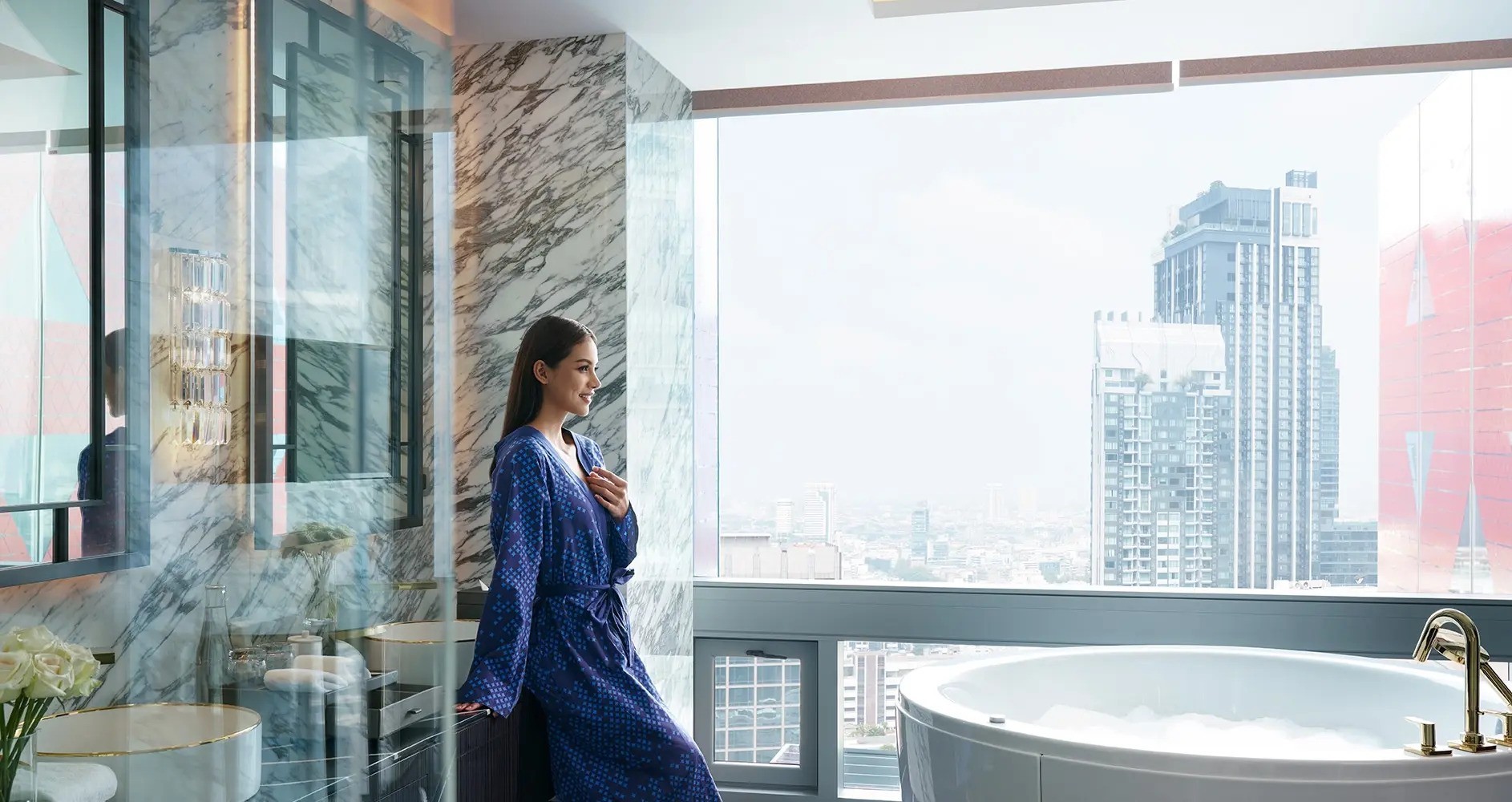
Chatrium Grand Bangkok is a city hotel for readers who want Siam access without sleeping inside a shopping mall. The property sits close enough to Siam Paragon, CentralWorld and BTS routes to make shopping and family movement practical, but the stay still feels like a full-service hotel base.
The strongest fit is a Bangkok trip where location matters every day: families moving between malls, visitors with appointments around Siam and Ratchaprasong, or travellers who want a pool reset after a hot city schedule.
Why Go
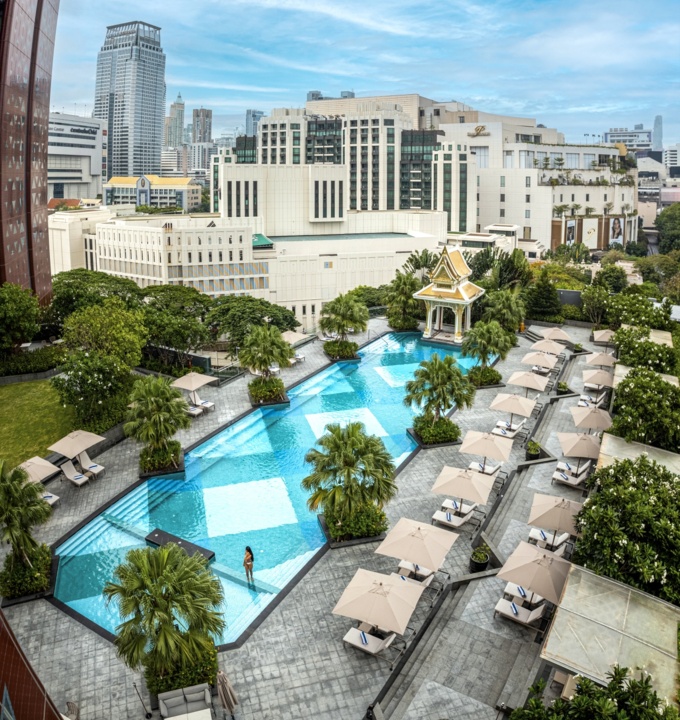
The Siam and Ratchaprasong zone can be intense. A hotel in this area has to justify itself through easy movement, room comfort and enough in-house facilities to stop the day from becoming only mall corridors.
Chatrium Grand’s own materials emphasise rooms, suites, family-friendly spaces, dining and city convenience rather than a resort fantasy. That is the right expectation.
Readers comparing a central stay can use this with Hotels, Shopping and Restaurants.
What To Expect
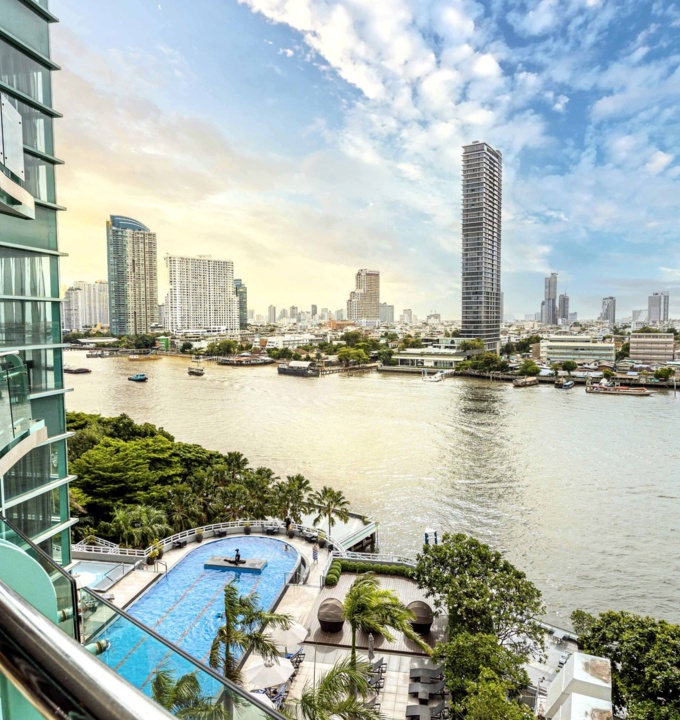
Expect a polished city hotel with a pool, restaurants and a high-convenience location. It is better for Bangkok days that need movement than for a retreat where you stay far from traffic and shopping.
Families should look closely at room category, bed configuration, connecting-room options and breakfast terms. Those details matter more than the headline nightly rate.
The pool is useful because central Bangkok days can be tiring. A midday swim can reset children, older travellers and anyone dealing with heat.
How To Plan
Compare the final net rate across direct booking and major channels, including breakfast, cancellation terms and any family extras.
Ask about the easiest walking or shuttle route to Siam Paragon and the BTS before arrival, because first-day navigation around Siam can feel confusing.
If the trip is built around shopping, leave luggage space and avoid planning too many cross-city dinners.
For families, schedule one hotel-based break each day. Central Bangkok is easier when the hotel is used as a reset point, not only a bed.
If you need quiet, ask about room position. A central hotel can vary by floor, orientation and event schedule.
Before leaving, check the latest opening hours, reservation rules and route conditions from the venue or destination itself. Bangkok hotels, weekend markets, creative spaces, temples and national parks can change visitor information quickly.
Build the outing around one main reason to go. A hotel stay, shopping errand, food market, creative walk, temple route or forest trip works better when the schedule gives that choice enough room.
Keep the route home as clear as the arrival route. Rain, evening traffic, weekend crowds, provincial roads and park access rules can make the final leg slower than expected.
For groups, settle budget, pace and dress expectations before leaving. The same place can feel relaxed or awkward depending on whether everyone expected a quick stop, a smart meal, a temple visit or an active day.
If the first plan is full, closed or too crowded, switch early instead of forcing the original idea. A nearby second choice usually protects the day better than waiting too long for a perfect version of the plan.
Take photos when they help you remember useful specifics, but do not let documentation take over the visit. Food, rooms, temples, markets and landscapes are easier to judge when you spend time actually using the place.
For short Thailand itineraries, avoid stacking this stop with several far-apart attractions. One strong meal, market, walk or outdoor route often leaves a better memory than three rushed checkboxes.
If comparing several options, decide what would make this specific stop successful before you go. Convenience, atmosphere, value, food quality, views, learning and comfort are different goals, and each one changes the right choice.
Check transport in both directions before committing to the plan. A place can be easy to reach in the morning and slow to leave after rain, closing time, school traffic or weekend crowds.
For photos, look for details that explain the place rather than only wide scene-setters. Menus, signs, room layouts, route boards and small architectural details are often more useful later.
If the stop involves food, hotels, shopping or tickets, keep screenshots of the offer, booking page or opening-hours page. Staff can usually help faster when the exact item is visible.
Leave a small buffer for weather. Thailand plans often change because of heat, sudden rain or haze, and a ten-minute pause can make the rest of the route more comfortable.
Use the official page as the final check when details matter. Third-party listings can lag behind changes to hours, prices, closures, renovation areas, boat schedules or park access rules.
If travelling with children, older relatives or first-time visitors, reduce the number of stops and choose clearer transitions. Comfort usually improves the trip more than squeezing in another landmark.
For repeat visitors, focus on one new angle instead of trying to rediscover everything. A different meal period, side street, room type, gallery, viewpoint or route can change the experience.
After the visit, note what actually worked: timing, transport, spend, crowd level and whether the place deserved more or less time. Those notes make the next Thailand plan sharper.
Practical Information
Area: Siam and Ratchaprasong, Bangkok.
Best for: family city stays, shopping weekends, central errands and travellers who want a pool-equipped hotel near major malls.
View on Google Maps | View on Apple Maps
FAQ
Where is Chatrium Grand Bangkok?
It is in the Siam and Ratchaprasong side of central Bangkok.
Is it good for families?
Yes, if the room type, bed setup and breakfast terms fit the group.
Is this a resort-style stay?
No. It is better understood as a convenient city hotel with useful leisure facilities.