
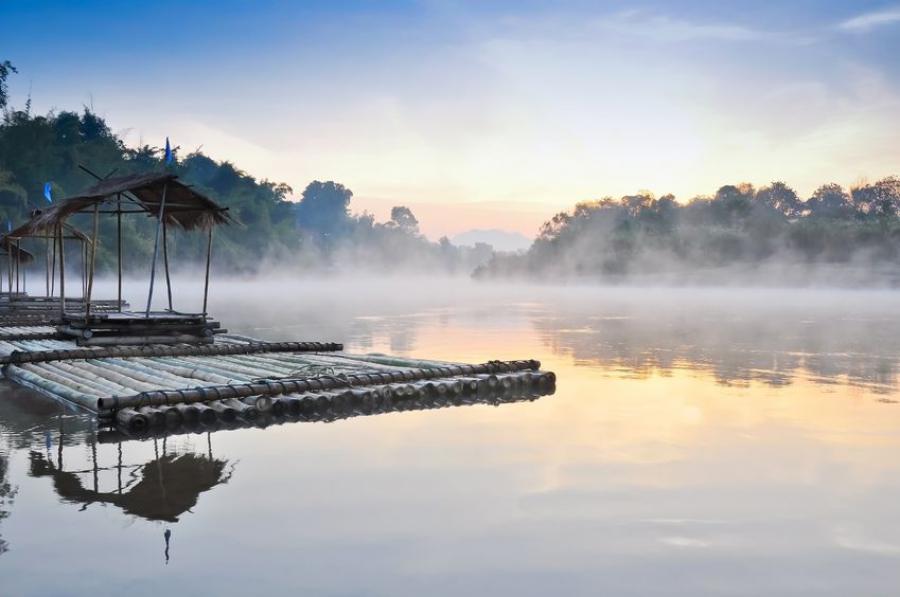
Sai Yok National Park is the Kanchanaburi park to consider when you want the River Kwai landscape to feel slower and more layered than a single waterfall stop. Thai National Parks describes it as a park known for waterfalls, caves, historical sites and raft houses along the Khwae Noi River.
That mix makes Sai Yok a better fit for travellers who want a river-based day, an overnight raft-house stay or a cave-and-history route rather than only a swim-and-photo plan.
Why Go
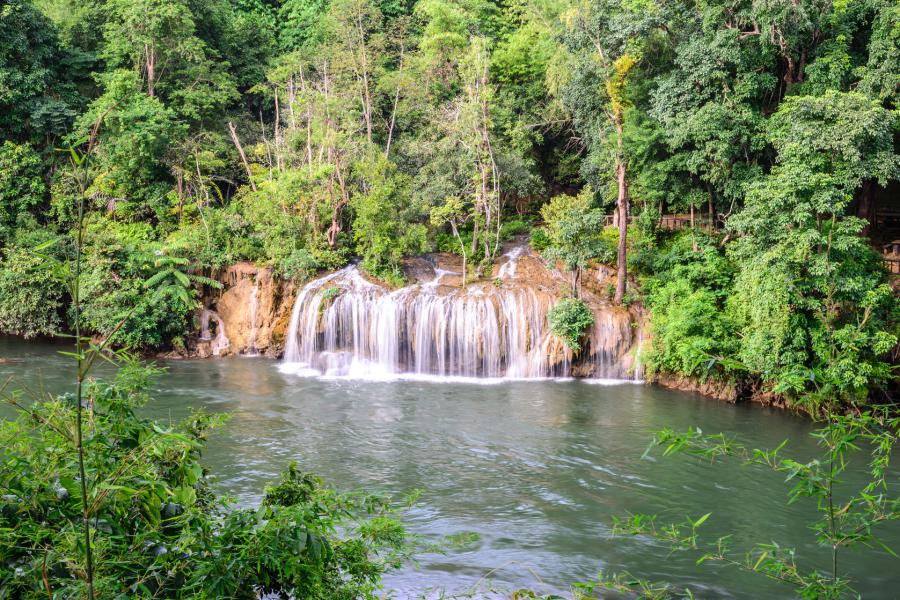
Sai Yok matters because it gives Kanchanaburi another outdoor anchor beyond Erawan. The park covers forest, river, caves and Death Railway context, so the visit can be scenic and historical at the same time.
The park is also part of the Western Forest Complex, a much larger protected landscape across western Thailand and Myanmar. That adds conservation weight to what might otherwise look like a simple riverside outing.
Use this with Travel, Hotels and Wellness when planning Kanchanaburi around nature and overnight recovery.
What To Expect
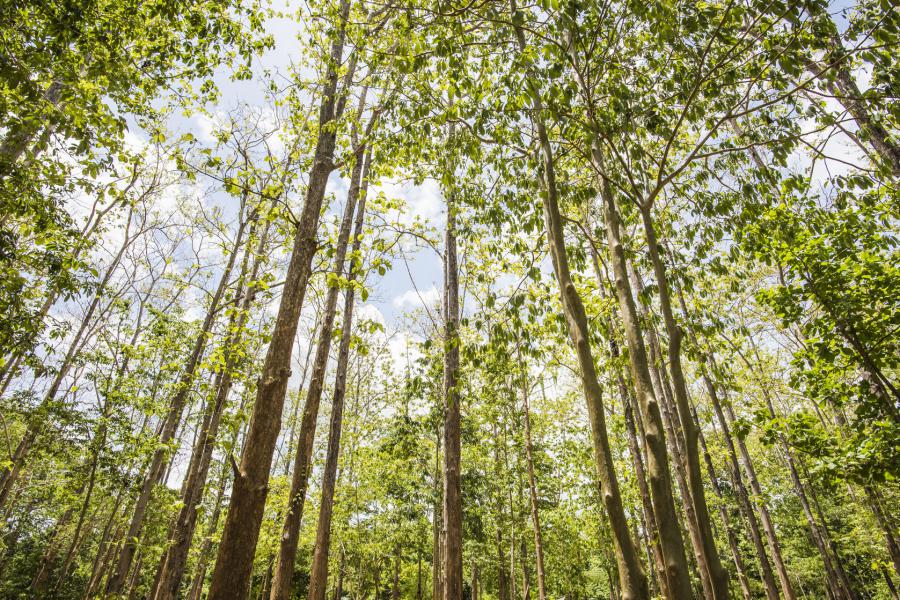
Expect a spread-out park rather than one compact attraction. The visitor-centre area, waterfalls, caves and raft stays are not all the same stop.
Thai National Parks highlights Sai Yok Lek Waterfall, Khwae Noi River, Death Railway remains, Dao Wadung Cave, Khang Khao Cave and Lawa Cave among the main attractions.
The park can be reached by public transport more easily than many Thai national parks, but not all the way to the visitor centre. The final few kilometres still need local transport.
How To Plan
Start by deciding whether the trip is a day visit from Kanchanaburi town or an overnight river stay. Those are different experiences.
If caves are part of the plan, bring a flashlight, shoes with grip and a realistic sense of heat and humidity.
Do not underestimate distances. The park entrance is about 100 km northwest of Kanchanaburi city, so a late start can shrink the day quickly.
If staying in raft houses, ask about transfers, meal timing, luggage handling and what happens if river conditions change.
Rainy season can make the forest richer but routes wetter. Dry season is easier for movement, though waterfalls and river mood may feel different.
Pair Sai Yok with Hellfire Pass or a quieter riverside stay only if the schedule gives each stop enough time.
Respect wildlife and cave rules. The park is not only a leisure area; it is part of a protected forest system.
Before leaving, check current hours, route conditions and local operating rules. Provincial parks and temples can change access, staffing and ticketing details without much warning.
Build the route around one main reason to go. A cave-and-river national park day or a Lanna temple stop is more satisfying when it has enough time to breathe.
Keep the return journey realistic. Kanchanaburi and Lampang both reward slower planning, especially if rain, mountain roads or rural transfers are part of the day.
For groups, settle comfort, walking pace and dress expectations before setting out. Outdoor trails and temple compounds expose mismatched expectations quickly.
If the weather turns, adjust early. A calmer second-choice stop usually protects the day better than forcing a route that no longer suits the conditions.
Take photos respectfully and leave space for the place itself. Landscapes, wooden halls and old temple compounds are easier to understand when the visit is not only a camera exercise.
Carry small cash, water, sun protection and a light layer. Provincial travel days often have fewer convenient resets than Bangkok routes.
Do not stack too many far-apart stops into one day. One strong park or temple visit usually beats a checklist that leaves everyone tired.
If you are comparing several options, decide what would make this exact stop successful: scenery, history, quiet, family comfort, photography or active walking.
Check the map at a practical scale before committing. In western and northern Thailand, short-looking distances can involve slow roads, limited return transport and fewer easy alternatives after dark.
Give the stop a clear meal plan. A good provincial day can fall apart when everyone assumes food will be obvious near a park gate or temple compound.
Keep expectations modest if travelling in shoulder weather. Rain, heat, mist or haze can change visibility and comfort, but they do not always ruin the day if the schedule has slack.
If travelling with children or older relatives, choose comfort over completion. A shorter route, shade break or early return can make the whole outing more successful.
Practical Information
Sai Yok National Park is in Sai Yok District, Kanchanaburi Province.
Best for river scenery, cave visits, raft-house stays, outdoor walking and slower Kanchanaburi itineraries.
View on Google Maps | View on Apple Maps
FAQ
Is Sai Yok different from Erawan?
Yes. Sai Yok is more river, cave and raft-house focused, while Erawan is mainly known for its seven-level waterfall.
Can I visit Sai Yok by public transport?
Thai National Parks says public transport can get relatively close, but not all the way to the visitor centre area.
Should I stay overnight?
An overnight stay makes sense if you want river atmosphere rather than a rushed day trip.