
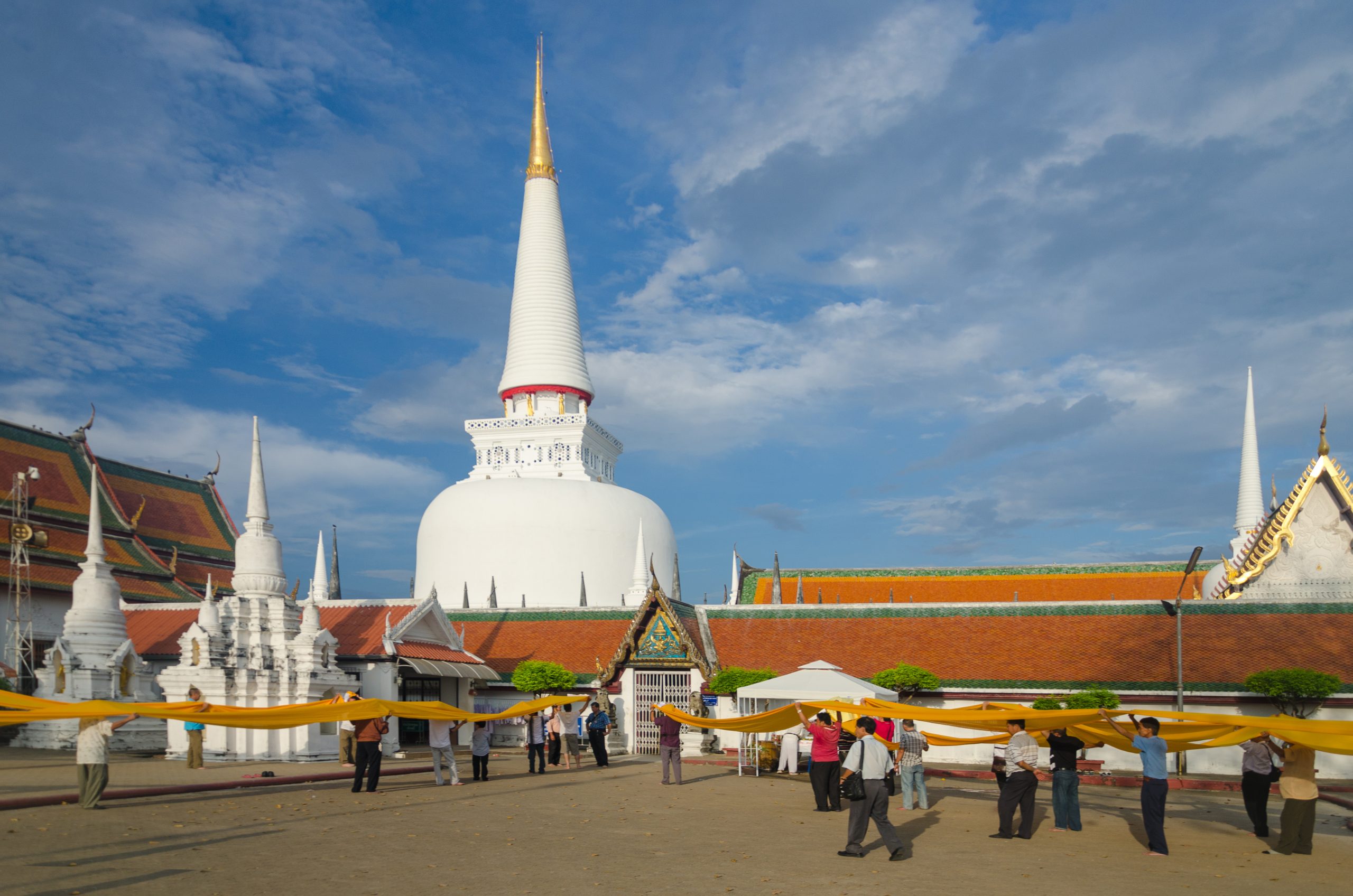
Wat Phra Mahathat Woramahawihan is the temple that gives Nakhon Si Thammarat its strongest cultural anchor. TAT and UNESCO nomination pages identify it as a major southern Thai Buddhist site, while Thai PBS has covered the temple in the context of its World Heritage push.
Visit it as a working place of worship first and an architectural landmark second. The experience is better when you move slowly, dress properly and give worshippers space.
Why Go
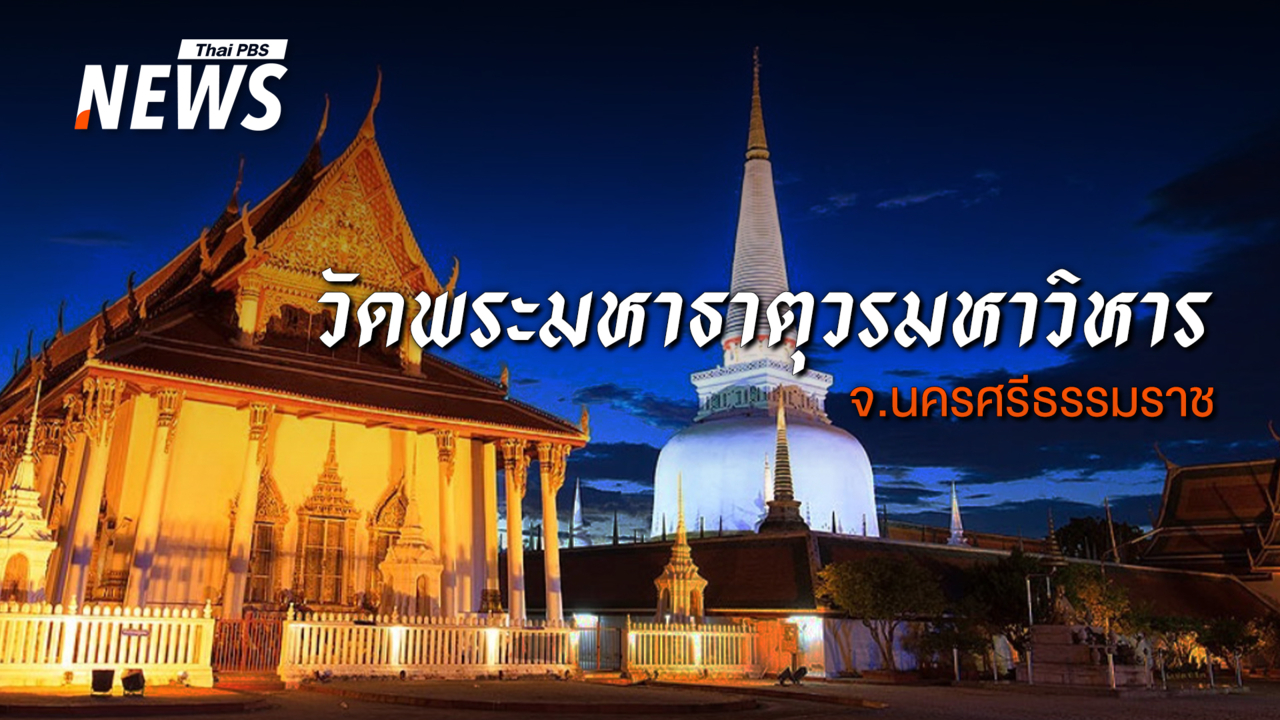
The temple is one of southern Thailand’s most important cultural stops, with a white chedi, gold spire, surrounding shrines and a long association with Theravada Buddhist devotion in Nakhon Si Thammarat.
It belongs with TFT Culture and Travel guides because the visit is both a heritage stop and a reason to build time in the province.
What To Notice
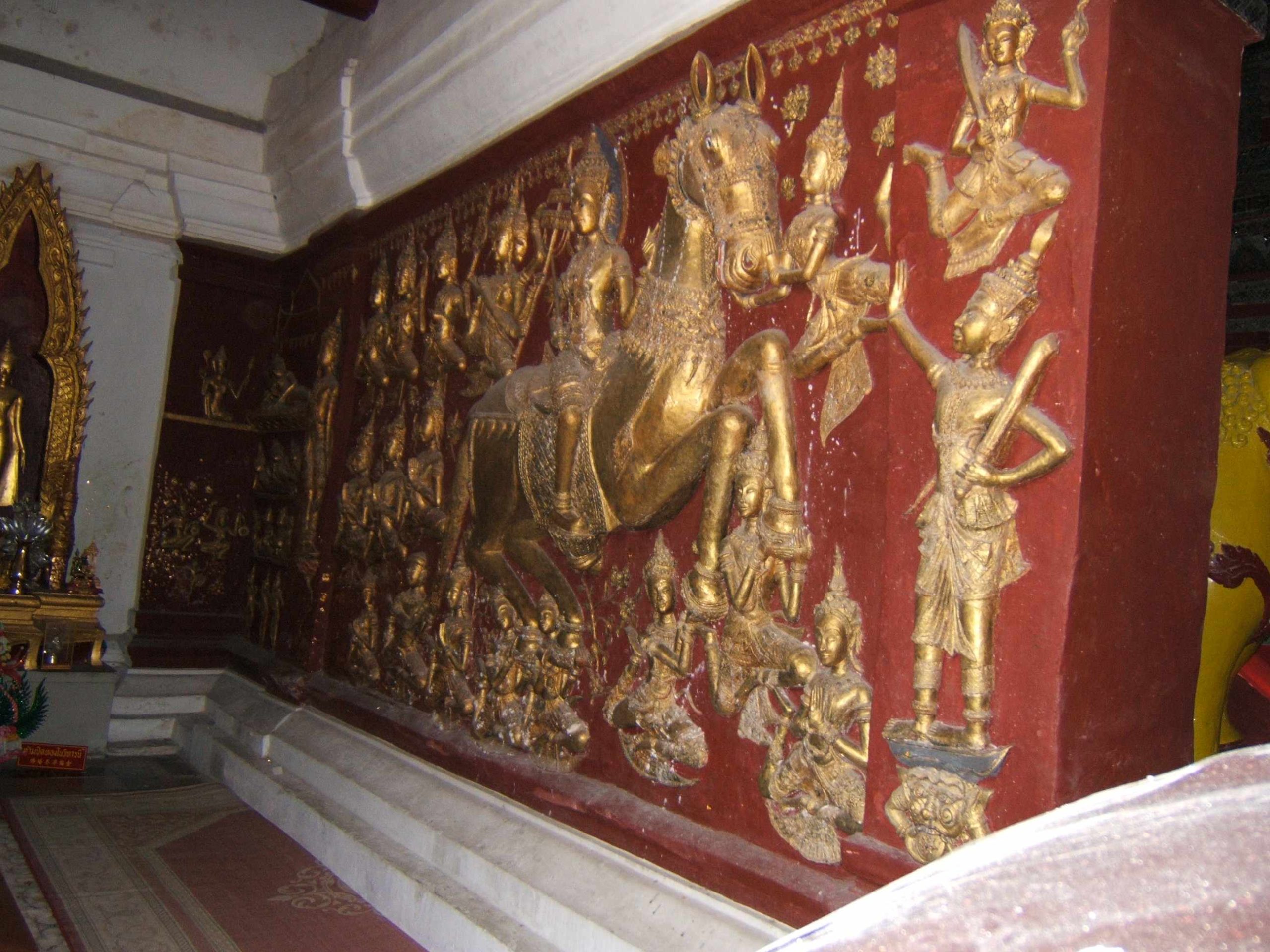
Do not only take the wide photo. Walk the cloister, notice the smaller chedis, look at the ritual movement around the main stupa and pay attention to how local visitors use the space.
The temple’s power is cumulative. Architecture, worship, local identity and the southern setting work together, so a rushed ten-minute stop misses most of what makes it memorable.
Etiquette
Dress modestly, keep shoulders and knees covered, remove shoes where required and lower your voice near prayer areas. If a ceremony is taking place, step back and observe rather than pushing for a photograph.
Make offerings only where appropriate and follow local guidance. Temples are easiest to visit well when you treat them as living religious sites, not static attractions.
Route Fit
Nakhon Si Thammarat deserves more than a transit stop if you care about culture. Pair the temple with old-town walking, local food and a slower look at southern history rather than trying to rush it between airport transfers.
Morning light and cooler hours make the visit more comfortable. Rain can still work, but bring a light layer and protect your camera or phone.
How To Plan
Start with the reason this stop belongs in your day, then protect that reason from traffic, heat and over-scheduling. For Wat Phra Mahathat Woramahawihan, the best visit usually comes from matching timing, transport and group energy before choosing the most photogenic angle. A strong venue can still feel average if everyone arrives tired, underdressed, hungry or unsure how long the next transfer will take.
Check the current official page before leaving. Opening hours, event programmes, ticket rules, table availability, weather conditions and transport routines can change faster than a guide article can. Save the map pin and any booking confirmation somewhere easy to reach, especially when the plan involves a hotel concierge, a ticket counter, a national-park gate or a taxi driver who may need the Thai address.
For groups, plan around the least flexible person. That may be the traveller who needs air-conditioning, the child who gets tired after lunch, the friend who does not drink, the person with mobility limits or the one who needs a clear budget. Thailand rewards relaxed planning; the day usually improves when you leave space for one meal, one slow transfer and one backup option.
Think about the stop before and after it as well. A restaurant near a mall is easier when people are already shopping nearby; a temple in another province needs softer timing than a city cafe; a national park should not be squeezed after a late night; and a hotel bar feels better when the group is dressed for it before leaving the room. The surrounding plan often decides whether the main stop feels effortless or strangely hard.
Budget expectations should be just as explicit as timing. Decide whether this is a quick look, a proper meal, a full-day outing or a premium stay before anyone starts adding extras. That one conversation helps avoid the common Bangkok and Thailand problem where the headline plan sounds simple but parking, taxis, drinks, entrance fees, service charge or a second venue quietly change the spend.
If you are visiting with someone new to Thailand, explain the local rhythm before arriving. Heat, rain, temple etiquette, traffic, shared dishes, card conditions and opening-hour quirks can all surprise first-time visitors. A little context makes the day smoother and lets the group focus on the place itself instead of negotiating every small difference in real time.
That is also why the best version of the visit may be shorter than the most ambitious version. Leave while the stop still feels useful, comfortable and memorable.
Good To Know
Location: Nakhon Si Thammarat city.
Best for: temple architecture, southern Thai heritage, respectful cultural travel and slow city exploration.
View on Google Maps | View on Apple Maps
FAQ
Is this a working temple?
Yes. Visit respectfully and give worshippers priority.
Is it on a UNESCO list?
UNESCO lists the temple on Thailand’s tentative World Heritage list.
How long should I allow?
Allow at least one focused hour, longer if you want to explore the surrounding old-city area.