
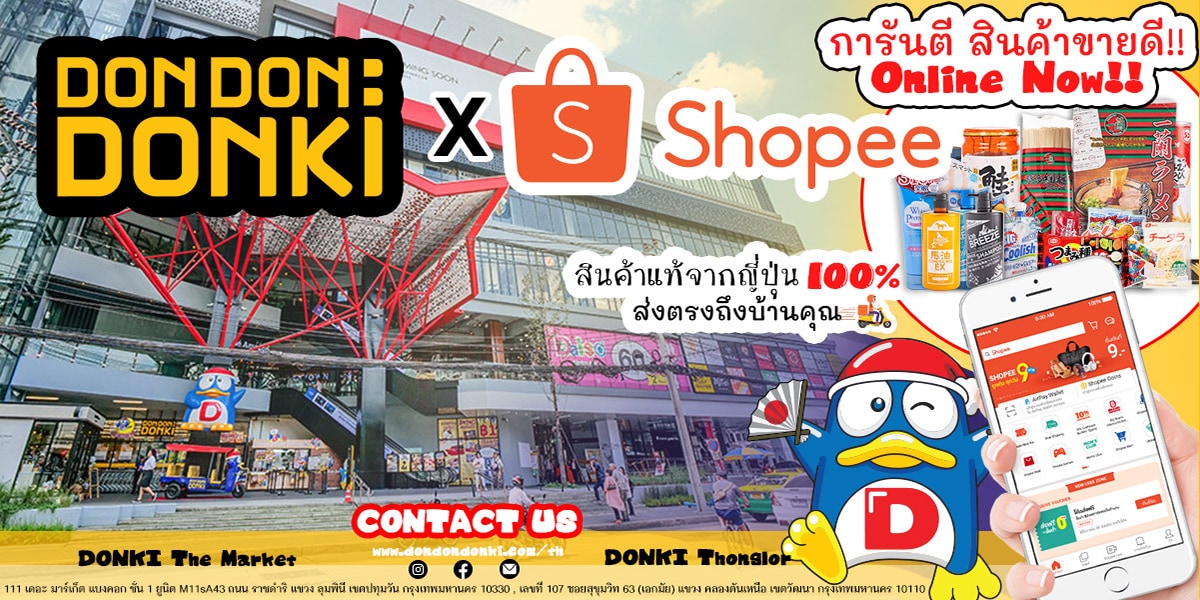
DONKI Mall Thonglor is useful when the plan is specific rather than aspirational.
This guide keeps the decision practical: why to go, when to go, what to check first, and what kind of reader will get the most value from the stop.
Why Go
DONKI Mall Thonglor works when the shopping list is practical: Japanese groceries, snacks, beauty items, household goods and casual food. It is not a luxury-mall replacement.
The useful version is a focused errand stop before or after a Thonglor meal, not a full-day shopping plan.
What To Buy
Plan around pantry items, packaged snacks, chilled food, ready-to-eat options and small household finds. The temptation is to browse forever, so decide what the visit is supposed to solve.
For visitors, it can be a fun way to understand Bangkok’s Japanese retail footprint without committing to a niche neighbourhood crawl.
Timing
Late or off-peak visits are easier if the goal is groceries. Peak meal times can make food counters and parking feel more crowded than the map suggests.
If you are carrying cold items, make DONKI the final stop before heading home or back to the hotel.
Who Should Go
Choose it for practical shopping, Japanese snacks, a casual group stop or a grocery run near Thonglor and Ekkamai.
Skip it if you want Thai crafts, luxury labels or a walkable BTS mall with direct station access.
How To Plan
Start with the reason DONKI Mall Thonglor belongs in the day, then protect that reason from traffic, heat, overbooking and fuzzy group expectations. A strong Thailand plan usually works because the route, timing and budget are honest before anyone starts adding extra stops.
Check the venue, authority or booking channel again before leaving or applying. Opening hours, ticket rules, visa requirements, tax treatment, branch participation and seasonal access can change quickly, especially around public holidays, school breaks and campaign end dates.
Build a softer schedule than the map suggests. Bangkok transfers can stretch without warning, heritage sites are better before the hottest part of the day, and finance or visa tasks should not be handled in a rush when a document is missing.
For groups, plan around the least flexible person. That might be the traveller with a child, the friend who needs air-conditioning, the remote worker who must take a call, or the person who needs a firm budget before agreeing to a premium experience.
Keep screenshots of booking references, map pins, appointment details and campaign terms. They are useful when a cashier, hotel desk, visa officer, driver or ticket counter needs the exact name, address or requirement.
The best version is usually focused rather than maximal. Leave with the main purpose done well instead of forcing the plan to carry every nearby cafe, mall, temple, gym class or photo stop.
Budget the unglamorous parts as carefully as the headline experience. Small snacks, taxis, locker fees, bottled water, document copies, extra luggage, temple clothing, gym joining fees or resort transfers can change how reasonable the plan feels by the end of the day.
If the stop depends on weather or queueing, build a backup that is nearby rather than across town. A cafe, mall, museum, hotel lounge, shaded temple section or second official appointment window can save the day without turning one delay into a full reset.
For first-time visitors, explain the etiquette before arrival. Thailand is generally forgiving, but temple dress, queue behaviour, cash handling, gym towel rules, visa-document order and luxury-resort privacy all become easier when the group knows the rhythm.
Leave a note for your future self after the visit or application. The most useful detail is often not the famous landmark or promotion headline, but the exit gate, quiet hour, useful counter, best transfer point or document that took longest to find. Also note what you would skip next time, because that is usually the detail that makes a second Bangkok or Thailand plan sharper.
That small record makes the next Thailand plan sharper, cheaper and easier to explain to someone joining later. It also helps separate what genuinely improved the day from what only looked useful during planning, which is the difference between a repeatable itinerary and a lucky one-off.
When comparing alternatives, choose the option with fewer hidden dependencies. One reliable route, one confirmed counter, one realistic class time or one clear transfer can beat a more famous option that needs perfect weather, perfect traffic and perfect group energy.
Good To Know
- Best for Japanese groceries, snacks, casual eating and household errands.
- Thonglor traffic can make ride-hailing easier than a long walk with bags.
- Check the current tenant mix before making a special trip.
- View on Google Maps
FAQ
Is it current?
Check the official venue or authority again before travelling, booking, buying or paying.
Who should use it?
Use it when the location, budget and timing match your real Thailand plan.