

Chatuchak Weekend Market is too large for a complete first visit and too hot for heroic wandering. The useful strategy is to choose two merchandise priorities—perhaps Thai craft and homeware, or vintage clothing and books—then enter from the rail station or gate closest to those zones. Leave one hour unplanned for the shop you could not have searched for in advance.
The full market is most dependable on Saturday and Sunday, generally from 9am to 6pm, although individual stalls set their own rhythm. Plant trading and wholesale activity have different weekday windows. For a first shopping trip, arrive close to opening, photograph section signs, carry water and decide in advance what can realistically travel home.
Enter With A Purpose
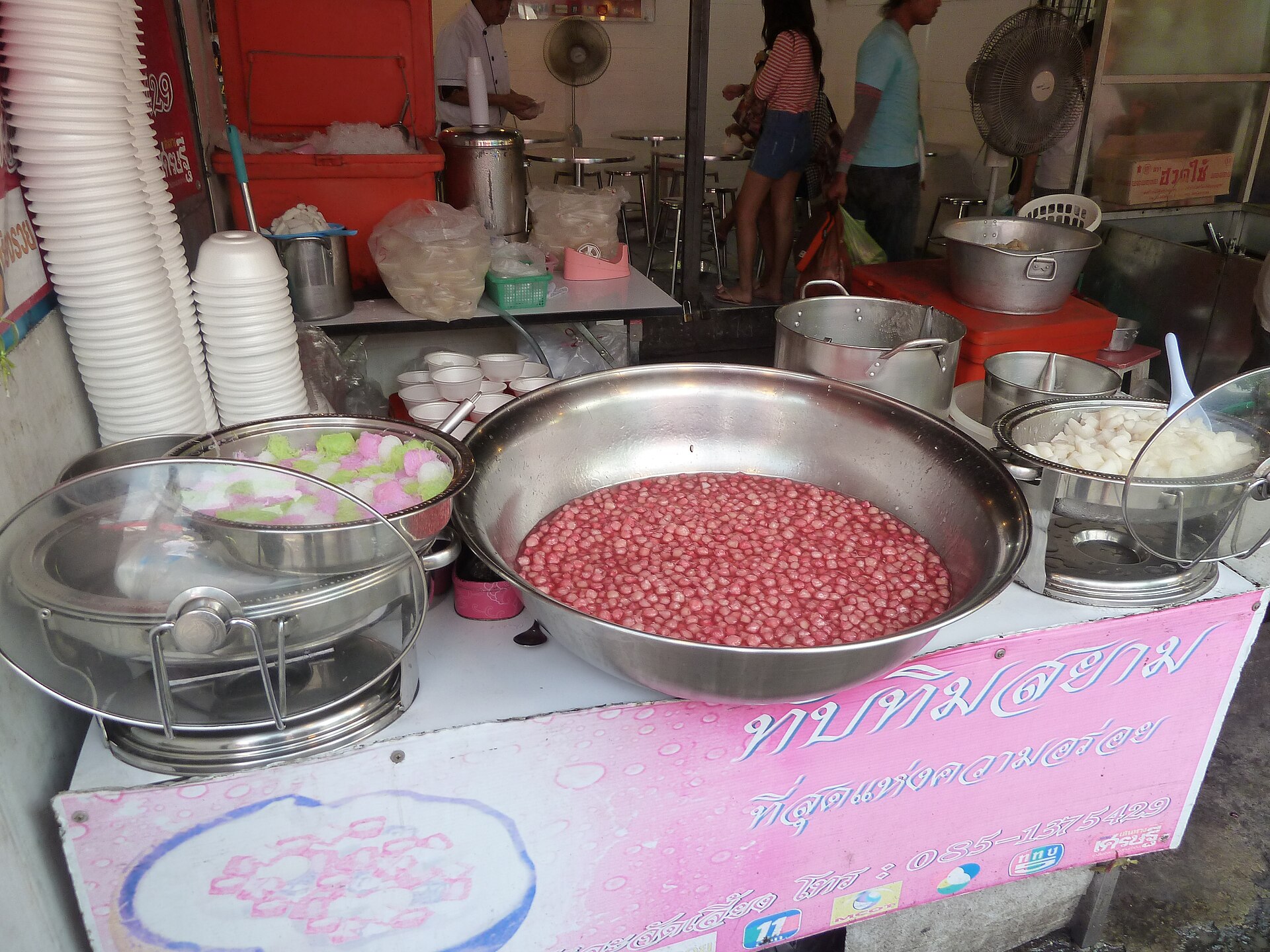
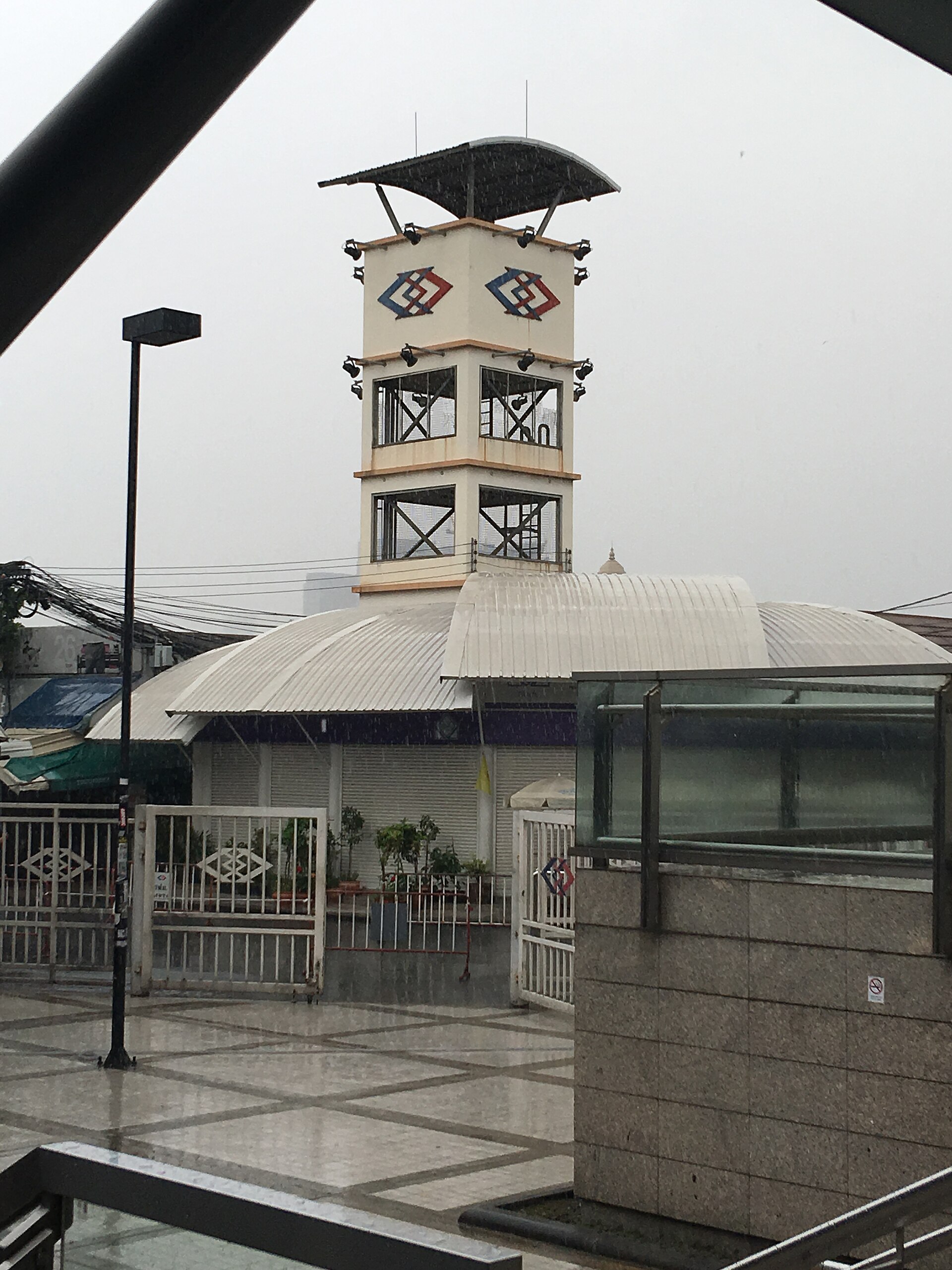
Kamphaeng Phet MRT places shoppers close to the market’s inner lanes, while Chatuchak Park MRT and Mo Chit BTS approach from another side. The best entrance depends on the first section, not the most familiar station name. Pin the entry point, take a photo of the gate and use the clock tower or main ring road as an orientation anchor.
Pick Two Categories
Clothing, art, ceramics, baskets, furniture, plants, books, antiques and souvenirs can each absorb hours. Choose two serious categories and one casual interest. This keeps attention sharp enough to compare quality. A shopper hunting everything tends to buy the first attractive object, then discovers a better version after carrying it through twenty lanes.
Save Every Good Stall
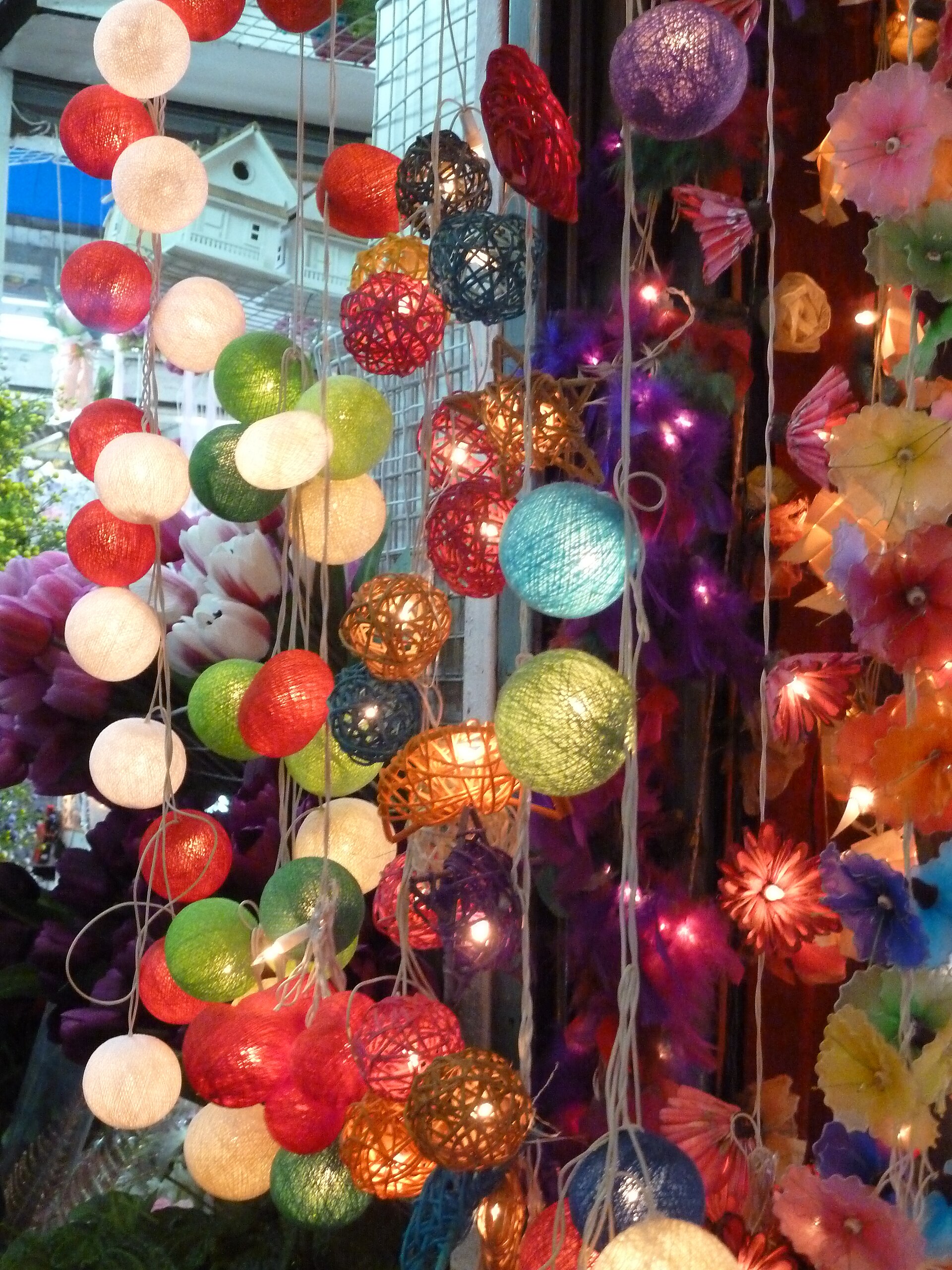
Photograph the stall number, section sign and a landmark after asking permission. A beautiful product photo without a location is nearly useless in Chatuchak. Add the seller’s contact or social account if offered. When comparing, note size, material and quoted price, not only appearance. Return routes can feel completely different once the lanes fill.
Judge Craft Carefully
Look at joins, glaze, stitching, hardware, lining and the underside of an object. Ask where it was made and whether a similar piece is available in another colour or size. Handmade variation is part of the appeal, but it is not a reason to ignore cracks or weak fittings. For fragile ceramics, discuss wrapping before payment and inspect the final packed item.
Bargain Politely
Not every stall negotiates, especially on small designer goods or clearly marked prices. Ask whether there is a better price, particularly for several pieces, and keep the tone friendly. If the answer is no, decide without performing outrage. A modest discount is more realistic than trying to halve the price of careful craft. Never switch or damage goods during negotiation.
Use Cash And QR Wisely
Many vendors accept Thai QR payments, while others prefer cash and some can take cards. Visitors without a Thai payment setup should carry small notes but avoid displaying a large bundle. Confirm the amount on every screen or calculator before paying. Keep receipts or chat records for high-value items and understand that market returns are not as simple as department-store returns.
Measure Before Buying
Bring phone measurements for shelves, walls, luggage and doorways. A lamp, chair or framed piece can look compact in a crowded stall and become enormous at home. Ask whether the seller ships, who carries risk and what packing is included. International shipping, customs and wood or plant restrictions can cost more than the object itself.
Handle Antiques With Care
Age, origin and authenticity require evidence, not atmosphere. Treat an object as decorative unless provenance can be supported. Export rules may apply to Buddha images, religious objects, genuine antiques, wildlife materials and cultural property. Do not buy an item simply because a seller says airport officers will not care. Seek specialist advice for anything sensitive or expensive.
Avoid Wildlife Purchases
Do not purchase live animals, ivory, coral, shells from protected species, exotic leather or products with unclear wildlife origins. Ethical and legal problems do not become acceptable because an item is openly displayed. Move on, and report serious concerns through appropriate authorities rather than confronting a vendor in a crowded lane.
Manage The Heat
Alternate narrow shopping lanes with shaded rests and water. Wear light clothing and shoes that tolerate puddles, and keep purchases in a bag that closes. A midday meal can reset the route, but this guide’s priority is shopping; use TFT’s separate Chatuchak food coverage for stall ideas. If concentration drops, stop buying—heat makes poor quality control easy.
Leave With A Buffer
Weekend roads and rail entrances become crowded near closing. Finish major purchases before late afternoon, locate the correct exit and allow time for a taxi to reach a legal pickup point. Heavy or bulky goods may justify arranging collection with the seller. Check every package before leaving; two similar bags can be confused at a busy counter.
Keep Planning
Browse more TFT coverage in Shopping, Travel and Deals.
Questions
What day is best for Chatuchak shopping?
Saturday or Sunday offers the fullest market; arrive near opening for lower heat and easier navigation.
Should I bargain?
Ask politely, especially for multiple items, but accept that marked-price and designer stalls may not negotiate.
Which station should I use?
Choose based on the first section; Kamphaeng Phet MRT is useful for many inner-market lanes.
Can shops ship purchases overseas?
Some can, but confirm packing, carrier, insurance, customs responsibility and total cost in writing.
Practical Information
- Full market: Saturday and Sunday, generally 9am-6pm; individual stalls vary.
- Weekday activity: Selected plant and wholesale sections operate on different schedules.
- Rail: Kamphaeng Phet MRT, Chatuchak Park MRT and Mo Chit BTS serve different approaches.
- Best first visit: Arrive near opening and focus on two merchandise categories.
- Hours: Check current market information
- Map: Open in Google Maps