
Nan Old Town is compact enough to explore slowly and substantial enough to reward two days. Wat Phumin and its murals provide the best-known anchor, while the National Museum area, local temples, food shops and nearby art spaces reveal a city shaped by eastern Lanna history rather than a single famous image. Cycling works well when heat and traffic are manageable.
The right pace matters. Spend the first day within the old-town core, using early and late light for walking and the hottest hours for shaded interiors or lunch. Use the second day to connect a viewpoint, riverside art or a community outside the centre. That structure avoids turning religious and civic spaces into a rapid sequence of entrances and photographs.
Begin At Wat Phumin
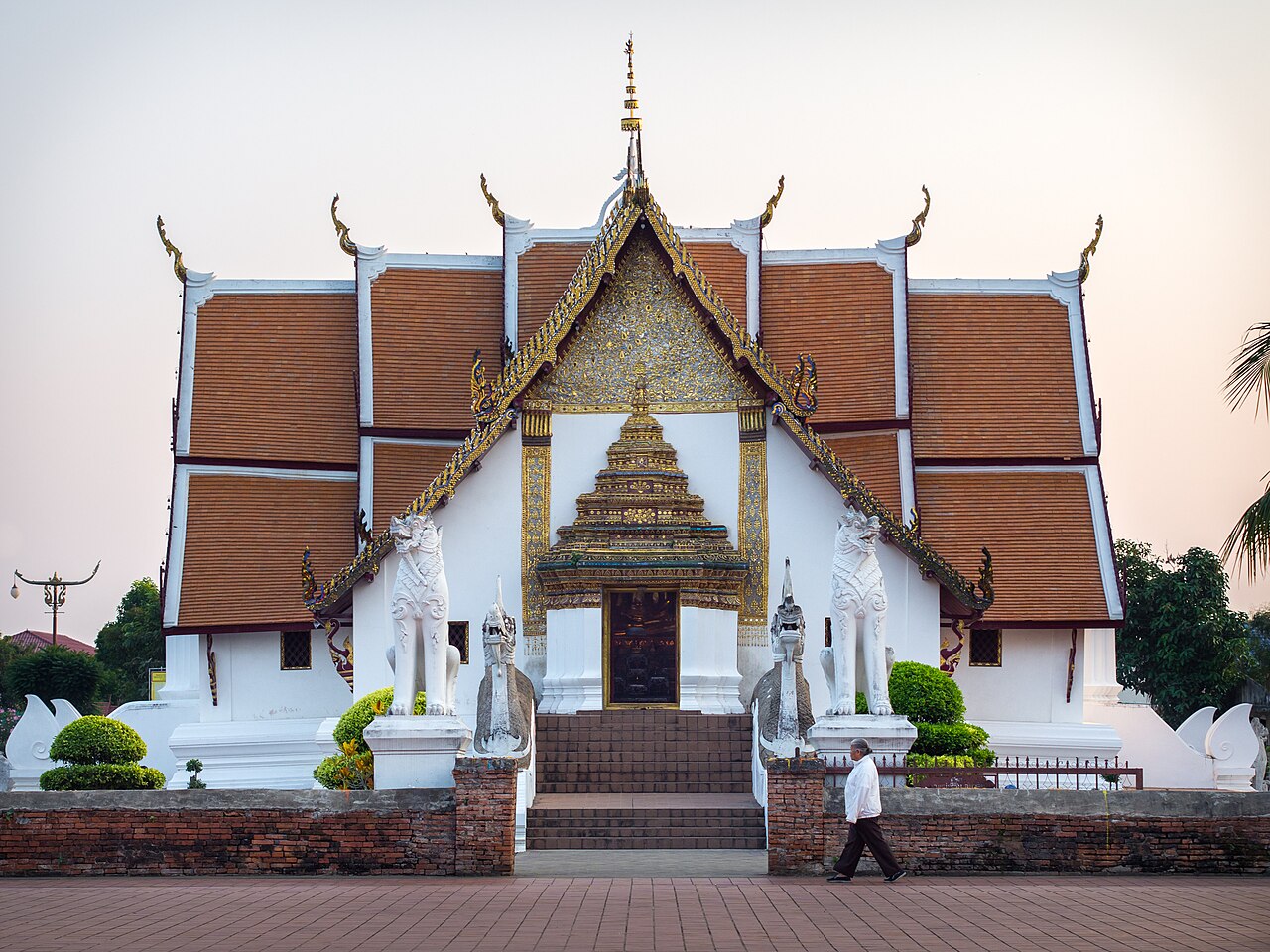
Arrive near opening calm, dress for a temple and look beyond the celebrated whispering mural. The cruciform building, four seated Buddha images, naga stairs and wider mural cycle deserve attention. Do not crowd one painted scene while worshippers are present. Read about the social details represented in the walls, then step outside and orient yourself to the surrounding civic quarter.
Cross To The Museum Quarter
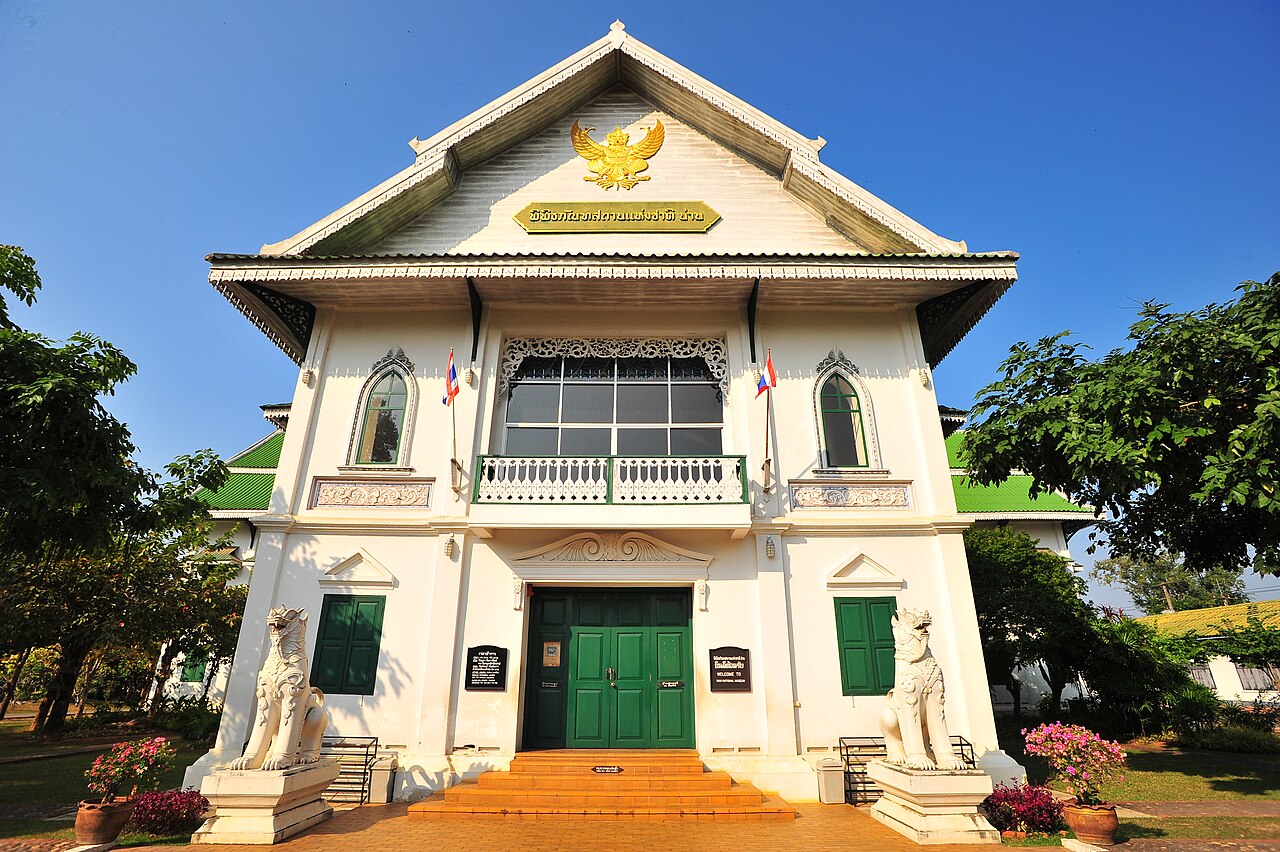
The Nan National Museum area helps explain the former principality, local art and the relationship between Nan and neighbouring Lanna centres. Opening details can change, so verify them locally before building the day. The frangipani tunnel is photogenic, but the collection matters more than a corridor pose. Give labels time and ask whether any gallery is temporarily closed.
Cycle A Small Loop
A bicycle suits flat, short distances, provided the rider is comfortable with left-side traffic and mixed road users. Check brakes, tyre pressure, lights and lock before leaving the rental point. Ride slowly near temples and markets, park without blocking entrances and walk the bike through busy pedestrian areas. In rain, switch to a local car rather than defending a schedule on slick roads.
Eat Nan Flavours
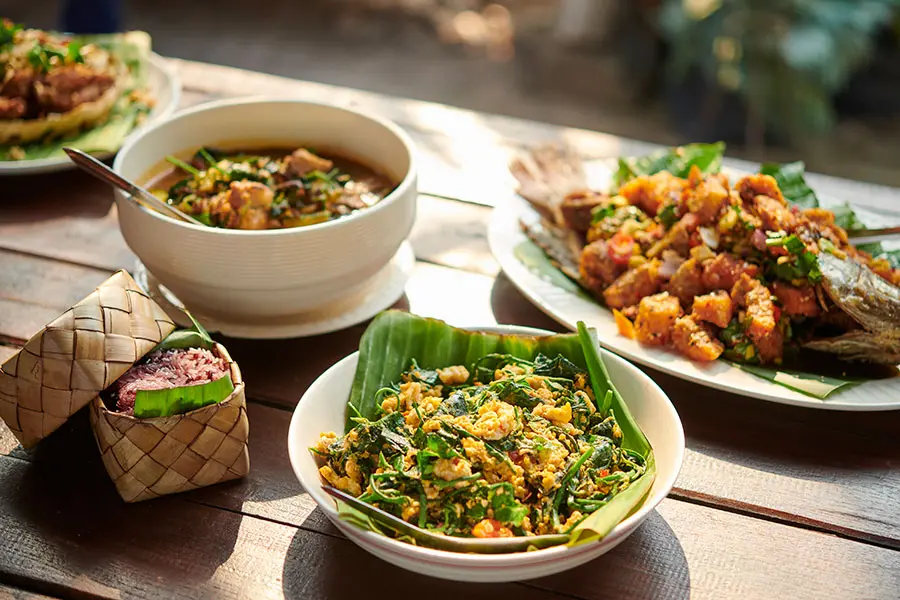
Look for local northern dishes, makhwaen spice, river fish where responsibly sourced, seasonal vegetables and simple sweets. Ask what is distinctive to Nan rather than ordering only generic northern favourites. Share several plates and confirm spice level. Markets are strongest earlier in the day, while established restaurants provide clearer seating and ingredient conversations for travellers with dietary restrictions.
Look For Local Craft
Nan’s textiles, silverwork, coffee and small food products make thoughtful purchases when the maker and material are clear. Ask where an object was produced and how to care for it. Natural dye variation is not automatically a flaw; machine-perfect repetition is not automatically quality. Buy fewer pieces with a known story rather than treating every patterned fabric as interchangeable regional décor.
Climb For Perspective
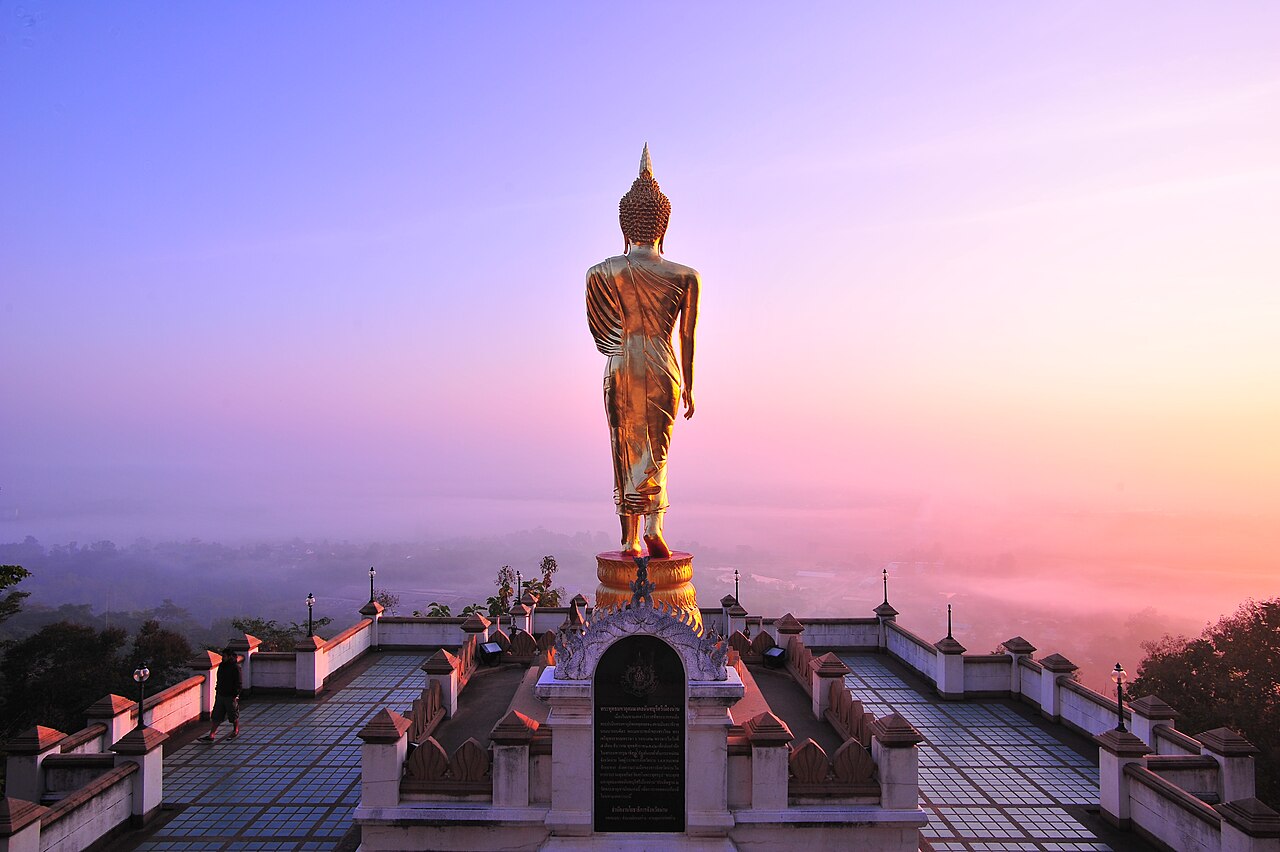
Wat Phra That Khao Noi offers a broad view over Nan and is best reached with a safe driver or confident rider. Steps and exposed areas become slippery after rain. Visit in cooler hours, keep noise low and remember it remains a religious site. The view helps connect the old town to its valley setting; it is not worth rushing a descent to reach another temple before closing.
Cross To Chae Haeng
Wat Phra That Chae Haeng sits outside the old-town core across the Nan River and is one of the province’s most significant temples. Arrange transport, dress modestly and avoid treating its golden chedi as a decorative photo set. Religious events can alter access. Combining it with one community or food stop creates a balanced half-day; adding several distant attractions usually produces more driving than understanding.
Visit Riverside Art
Nan Riverside Art Gallery lies outside the centre and needs dedicated transport time. Check current exhibitions and opening before travelling. It provides a contemporary counterpoint to temple murals, showing that Nan’s visual culture is not frozen in heritage. Visitors who are short on time can choose this or a rural community rather than forcing both into one afternoon.
Handle The Weather
August rain cools the landscape but can arrive suddenly. Carry a light cover, protect electronics and build an indoor fallback. Temple floors become hazardous when wet shoes meet polished surfaces, so slow down and use designated storage. Mosquito repellent is useful near gardens and rivers. Leave mountain roads or remote viewpoints for another day if visibility and surface conditions deteriorate.
Stay Near The Core
A central guesthouse makes early walks and evening meals easy, while properties outside town offer space and quiet at the cost of transfers. Ask about stairs, parking, bicycle storage and breakfast time. Nan is not improved by an overloaded schedule; two nights near the core allow a full arrival day and one unhurried morning before departure, with less dependence on perfect flight timing.
Keep Planning
Browse more TFT coverage in Culture, Travel and Deals.
Questions
How many days do I need in Nan Old Town?
Two days gives enough time for the core and one wider excursion without rushing.
Can I cycle around Nan?
Yes, the core is compact, but check the bicycle and avoid riding in heavy rain or unfamiliar traffic.
Is Wat Phumin the only essential stop?
No. It is the anchor, while the museum quarter, food, craft and outer temples provide the wider context.
What should I buy in Nan?
Look for locally made textiles, silverwork, coffee and food products with clear origin and care information.
Practical Information
- Suggested stay: Two nights for an unhurried old-town circuit and one wider half-day.
- Core stops: Wat Phumin, the museum quarter and local food within the old town.
- Wider stops: Wat Phra That Khao Noi, Wat Phra That Chae Haeng or Nan Riverside Art Gallery.
- Getting around: Walk or cycle in the core; use a local driver for outer sites and wet weather.
- Temple etiquette: Cover shoulders and knees, remove shoes where required and avoid disrupting worship.
- Map: Open in Google Maps