
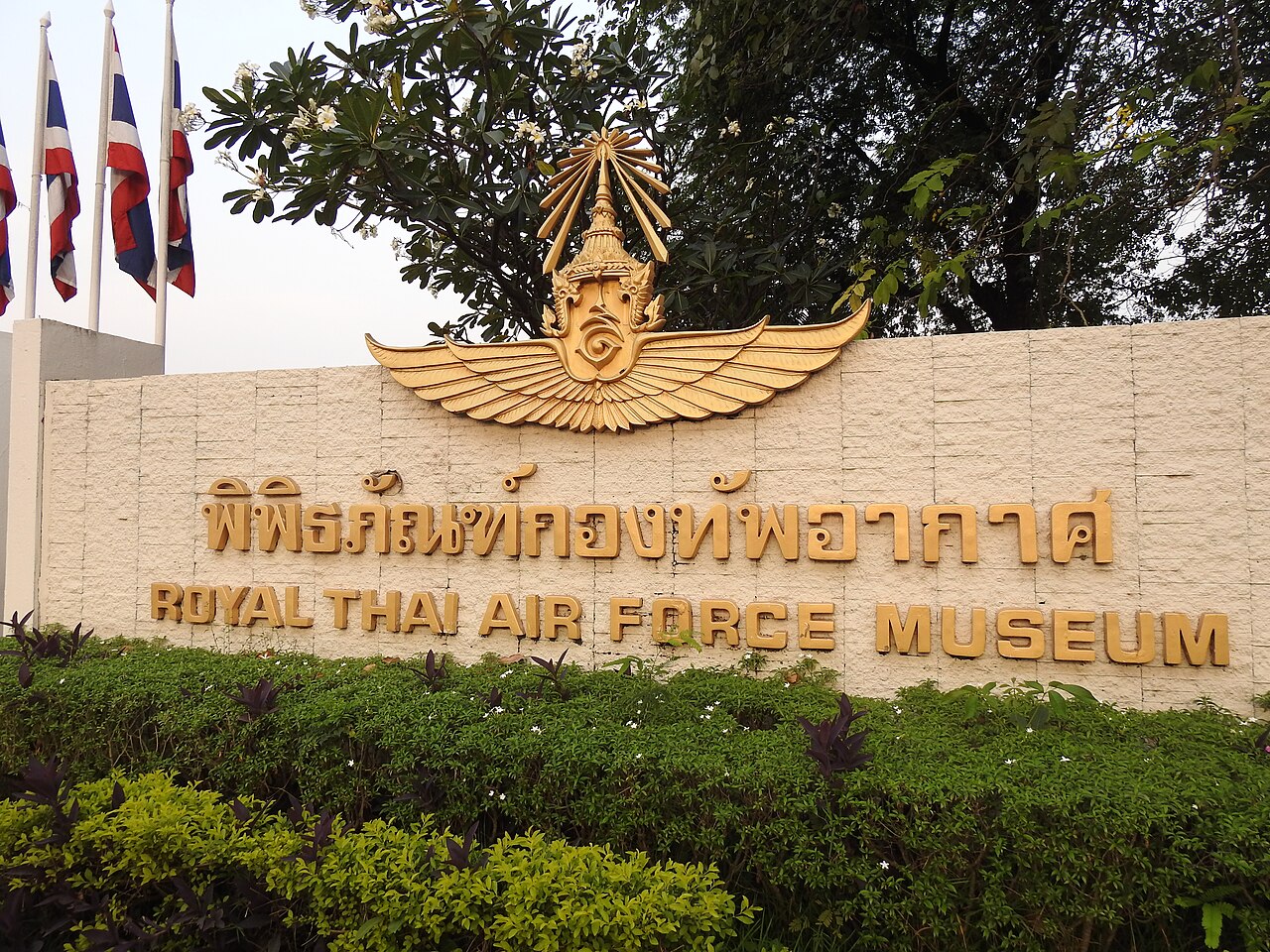
The National Aviation Museum of the Royal Thai Air Force in Don Mueang is one of Bangkok’s most substantial free museums. Its collection spans historic aircraft, weapons, communications equipment, pilot gear, uniforms, documents and archival material. The museum says several aircraft are rare survivors, while others served in the defence of Thailand or were associated with decorated pilots.
Walk-in admission is free from 09:00 to 15:30 Tuesday to Sunday. The museum closes on Monday, public holidays and any specially announced closure day. Its location at 171 Phahonyothin Road is far easier to reach than many visitors expect: Royal Thai Air Force Museum BTS station on the Sukhumvit Line places the collection close to rail.
Begin With Context
Aircraft are dramatic objects, but the visit becomes richer when the labels are read as a timeline. Start with how Thailand developed aviation capability, then follow changes in materials, engines, roles and national priorities. A fighter, trainer and transport aircraft solve different problems. Treating every machine as simply a photo backdrop misses the institutional, engineering and human history the museum was created to preserve.
Find The Rare Survivors
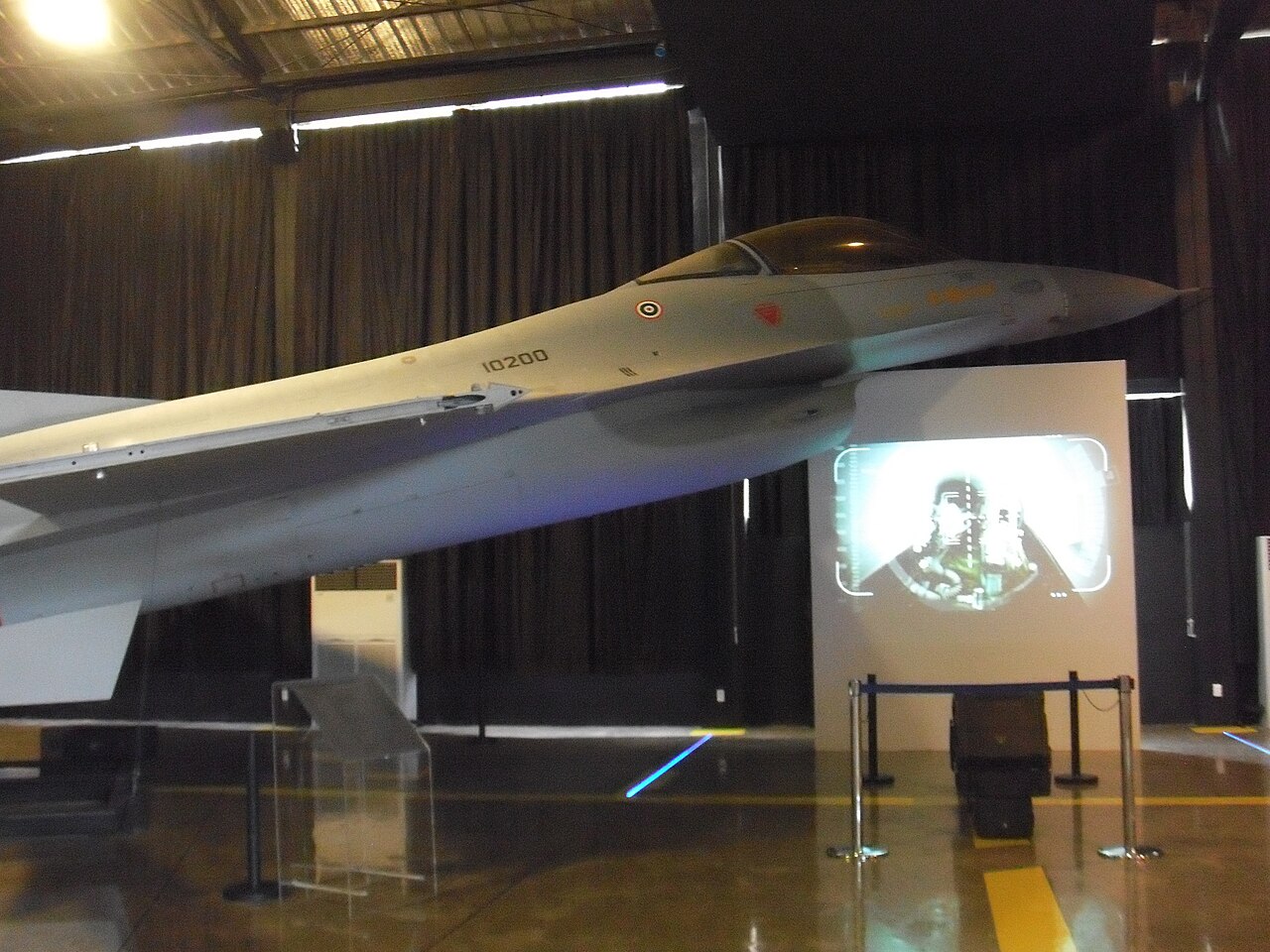
The museum highlights its Hawk III and Corsair as exceptional surviving examples, alongside aircraft connected to Thai design and service. Labels, restoration state and display position can change, so confirm a must-see object with staff rather than assuming an online photograph guarantees access. Look for original structure, cockpit layout and insignia, but stay behind barriers and never climb on an airframe.
Read Thai Aviation
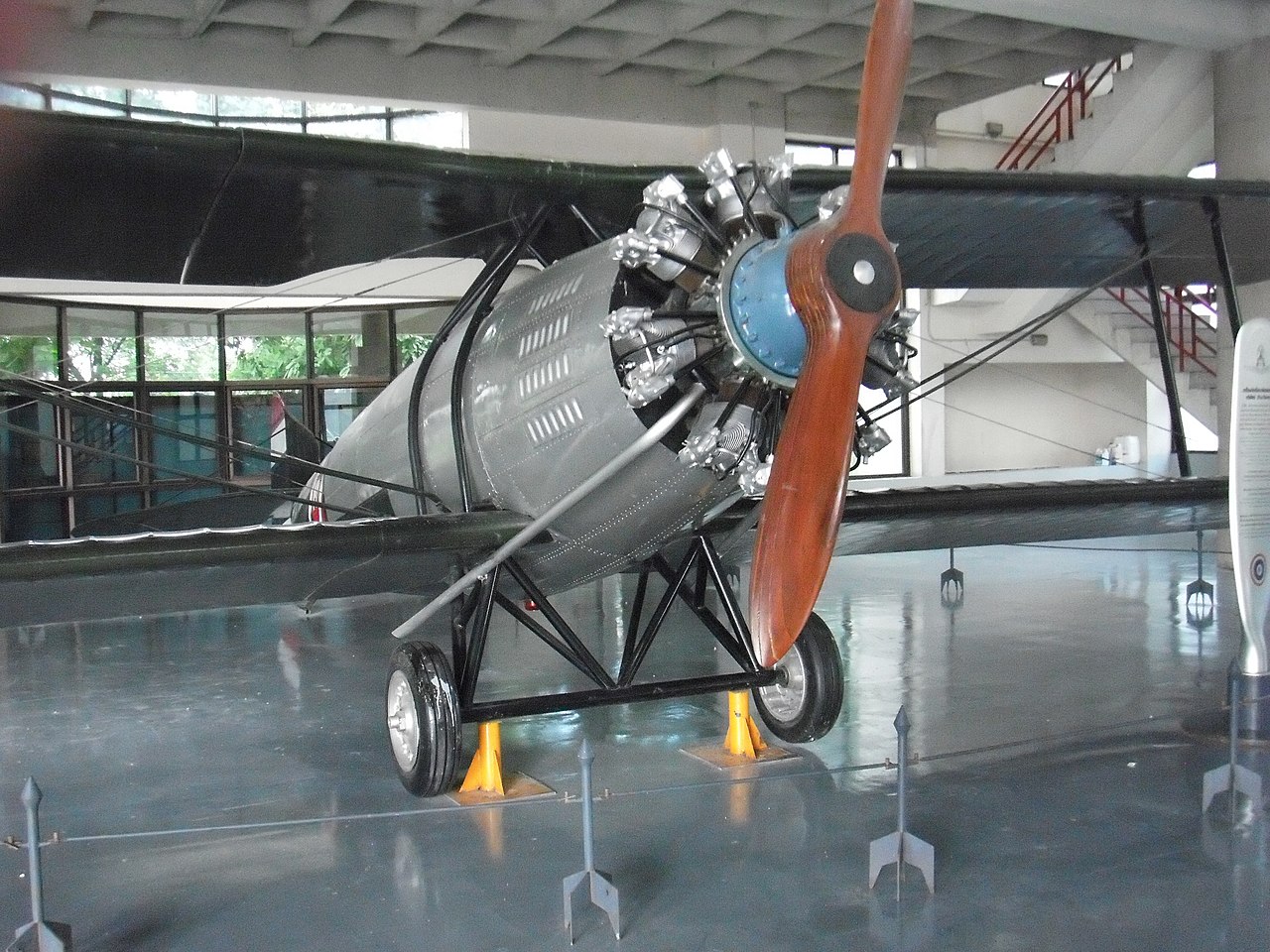
The collection is not merely a branch of a global aircraft catalogue. Thai-built and Thai-operated machines explain how knowledge, maintenance and doctrine developed locally. The Baribatra is especially useful for understanding domestic ambition in aircraft design. Pair it with uniforms, documents and communications equipment; the smaller objects show how an aviation system worked beyond the pilot and the visible aeroplane.
Pace The Hangars
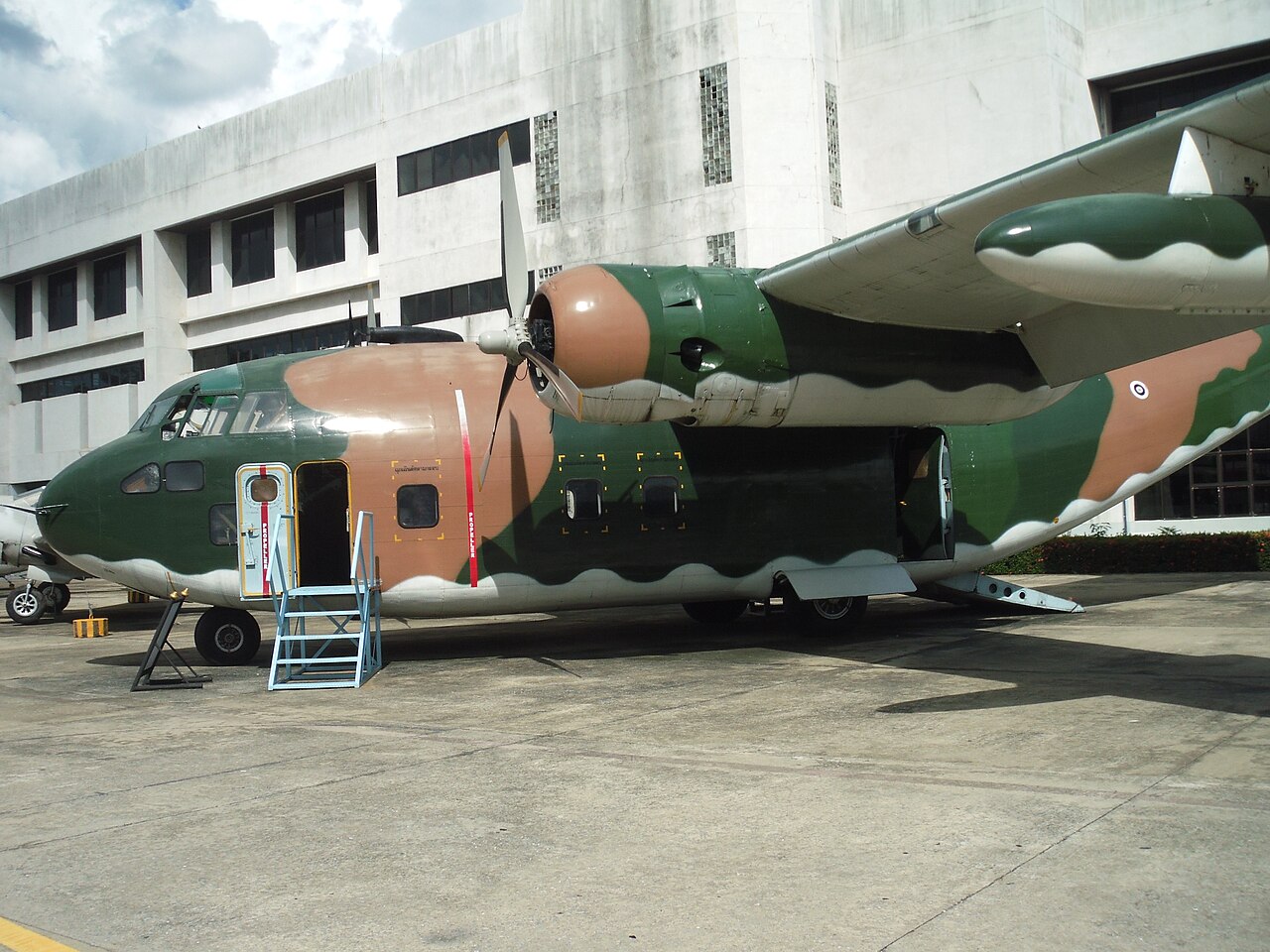
Large halls create the illusion that every exhibit can be absorbed quickly. Choose a few anchor aircraft, then spend time with supporting displays rather than rushing through dozens of tails and wings. Families can assign themes: propeller versus jet, training versus transport, or cockpit changes over time. Aviation enthusiasts should leave room for surprises instead of following only a pre-written checklist.
Handle The Climate
Some displays and transitions are exposed to Bangkok heat. Arrive near opening, carry water for permitted areas and use sun protection between buildings. Rain can make outdoor surfaces slick and may change access to an aircraft. Comfortable closed shoes are important on concrete floors. The museum is close to the BTS, but the day still involves more standing and walking than its compact map suggests.
Visit With Children
Set expectations about barriers, sharp edges and quiet behaviour around archival displays. Young visitors often engage better by sketching one aircraft or comparing wing shapes than by reading every panel. The museum lists flight simulators among its facilities, but availability can vary; treat an interactive element as a bonus and ask staff on arrival rather than promising it in advance.
Arrange A Group
School, club and organised group visits require advance booking so the museum can assign a guide and suitable time. Contact the activities section during office hours instead of arriving with a busload and expecting a tour. Share the group’s age range, language and aviation interest. A focused guided visit will usually produce more learning than attempting to cover the entire collection at identical depth.
Use The Locker
The museum provides lockers for backpacks and small luggage at the information counter. That is helpful for air travellers, but it should not be treated as airport-scale baggage storage. Carry only essentials, keep valuables with you and ask about locker size before bringing a suitcase. Don Mueang airport is nearby geographically, yet an airport transfer still needs its own time and transport plan.
Photograph Respectfully
Follow signs for photography, flash and restricted areas. Military museums can contain sensitive or commemorative displays where posing theatrically is inappropriate. Keep other visitors and staff out of close frames without permission. Photograph the label after the aircraft so names and variants are not confused later. A correct caption is more valuable than an impressive image attached to the wrong model.
Leave A Margin
The closing time is 15:30, earlier than many Bangkok museums. Arriving at 14:45 will not produce a satisfying first visit. Allow two to three hours for a broad circuit and more for specialist interests, then check the last convenient train. The nearby BTS access makes the museum easy to combine with northern Bangkok, but one major second stop is enough for most visitors.
Keep Planning
Browse more TFT coverage in Culture, Travel and Deals.
Questions
Is the Royal Thai Air Force Museum free?
Yes. The museum lists free walk-in admission.
Which BTS station should I use?
Royal Thai Air Force Museum station on the Sukhumvit Line.
Is it open on Monday?
No. Monday and public holidays are regular closure days.
Do groups need to book?
Yes. Organised groups should arrange a guided visit in advance.
Practical Information
- Hours: 09:00-15:30, Tuesday-Sunday.
- Closed: Monday, public holidays and specially announced closure days.
- Admission: Free for walk-in visitors.
- Address: 171 Phahonyothin Road, Don Mueang, Bangkok 10210.
- Group visits: Advance booking required; activities section 02 534 1764.
- Map: Open in Google Maps