
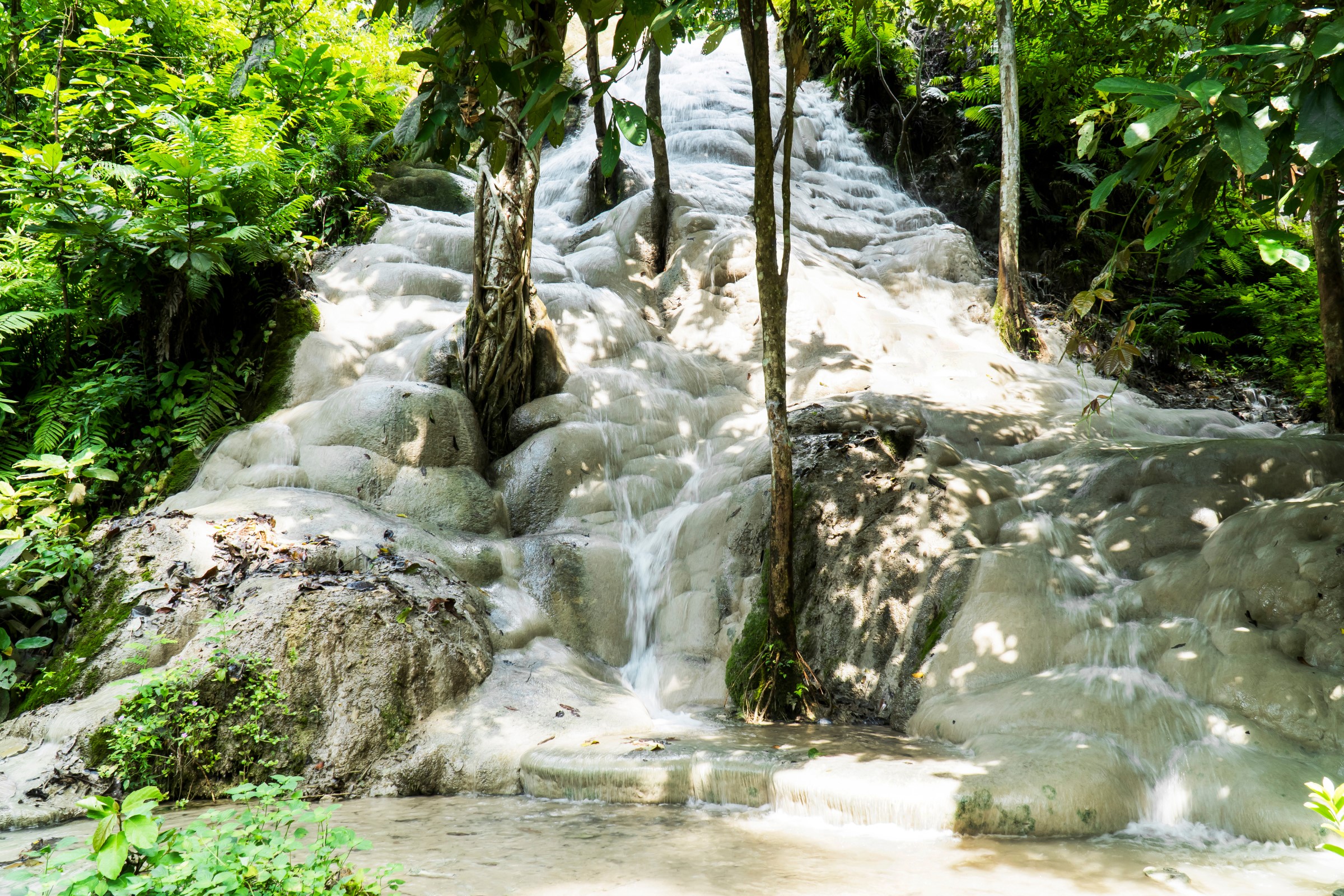
Bua Tong Waterfall, often called Chiang Mai’s Sticky Waterfall, flows over pale limestone north of the city. Mineral deposits create a textured surface with surprising grip across many sections, allowing visitors to move beside or through the cascade. That reputation is useful, but the word sticky can encourage more confidence than the terrain deserves.
Rainy season makes the forest rich and the water lively. It also raises flow, mud, humidity and the chance that a familiar foothold has changed. Treat the visit as an outdoor activity, not a theme-park climb. Check local conditions, use the installed ropes, keep both hands available and turn around when a section feels uncertain.
Understand The Rock
Calcium-rich water leaves porous limestone rather than the slick dark rock associated with many waterfalls. Grip varies with algae, wear, leaves and water depth. Test each step before committing weight and avoid treating a photograph of someone standing upright as proof that the whole cascade is safe.
Wear Useful Footwear
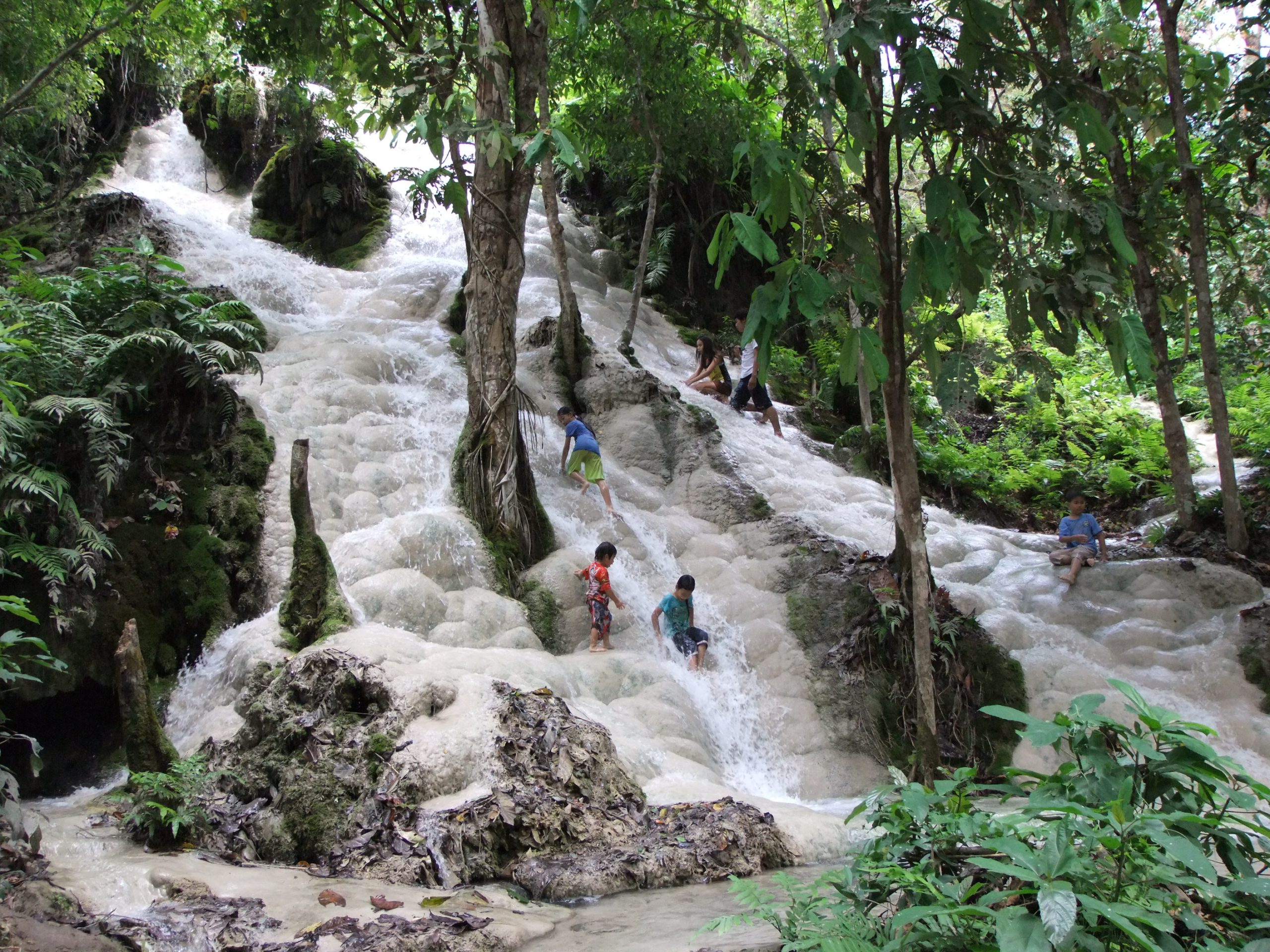
Shoes or secure sandals with drainage and heel retention work better than flip-flops. Bare feet can feel the texture but offer little protection from sharp stone, debris or the hot path outside the water. Bring a dry pair for the journey home and a bag for wet clothing.
Climb With Control
Face the slope when it steepens, use the ropes without wrapping them around a wrist and keep three points of contact. Give the person ahead space in case they slip. Children need close adult supervision; an adult below them can provide more protection than someone calling instructions from the top.
Read The Weather
A clear moment at the waterfall does not rule out rain upstream. Avoid the water during storms, sudden colour changes, rising flow or staff warnings. If thunder starts, leave exposed water and trees. Monsoon travel plans need a flexible alternative rather than pressure to complete the climb.
Visit The Spring
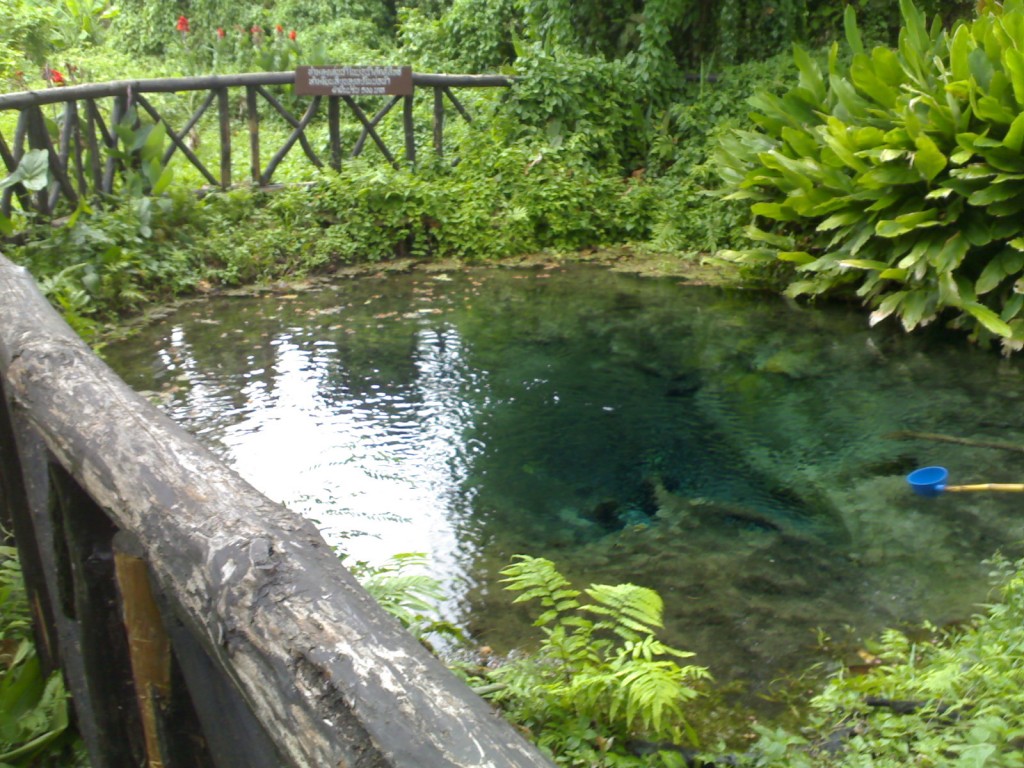
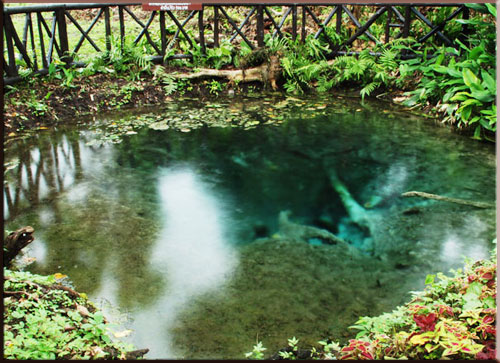
Nam Phu Chet Si, the Seven Colours Spring, feeds the limestone system and adds geological context to the visit. Stay on marked paths, do not use soap or disturb the pool, and keep food away from the water. The smaller spring area deserves quiet attention rather than becoming a changing room.
Pack Light
Carry water, insect repellent, sun protection, a small first-aid kit and a waterproof phone pouch. Leave jewellery, heavy cameras and loose bags in secure storage. A compact towel and dry clothes matter more than a large picnic setup when trails are wet.
Plan The Drive
Bua Tong is roughly a day trip north of Chiang Mai, with no simple urban rail link. Hire a driver who will wait, join a suitable tour or use a properly insured vehicle. Confirm the return time and exact meeting point before entering the forest park, where mobile reception can vary.
Protect The Site
Use designated toilets and bins, carry out rubbish and avoid climbing closed sections. Do not scrape the limestone or collect mineral material. Visitor pressure is visible at a popular natural attraction, so the best photograph is one made without blocking a route or stepping into vegetation.
Know When To Stop
Anyone with poor balance, a recent injury or fear of moving water can enjoy viewpoints and forest areas without climbing. Pride has no place on wet rock. The successful visit is the one where the group returns safely, even if it skips the steepest section.
Protect The Limestone Surface
The grip that makes Bua Tong unusual is part of a living natural system, not an invitation to treat every surface as a climbing wall. Use the designated route, follow closures and avoid scraping the rock with equipment. Soap, shampoo and food do not belong in the water. If a section looks discoloured, fast or crowded, wait or choose another place to enter rather than forcing a line past other visitors. Small decisions protect both the formation and the people below, where a dropped bottle or loose shoe can cause real harm.
Turn Back Before Fatigue
Descending can feel easier than returning, particularly once clothes and shoes are wet. Keep enough energy for the climb back and the walk to transport. Families should set a clear turnaround time rather than relying on the youngest person to announce exhaustion. On a rainy day, reassess after every change in weather and listen to park staff even if the planned photograph is only a few metres away. A shorter visit with secure footing is a better memory than finishing a route while tired, cold or worried about the next storm.
Keep Planning
Continue with Travel, Deals, Culture on The Finest Thai.
Questions
Why is Bua Tong called sticky?
Porous mineral-rich limestone provides unusual grip on many sections, although conditions still vary.
Can children climb?
Some can with close adult supervision, suitable footwear and conservative route choices.
Is rainy season a good time?
The forest is lush and water stronger, but weather and flow require more caution.
Do I need a tour?
Not necessarily, but a waiting driver or organised transport makes the remote return easier.
Practical Information
- Location: Bua Tong Waterfall and Seven Colours Spring Forest Park, Mae Taeng area, Chiang Mai.
- Best plan: Early day trip with a same-day weather and park-condition check.
- Bring: Secure water footwear, dry clothes, water, insect repellent and rain protection.
- Safety: Use ropes and marked routes; leave the water during storms or rising flow.
- Information: Review the Tourism Authority waterfall overview
- Map: Open in Google Maps