
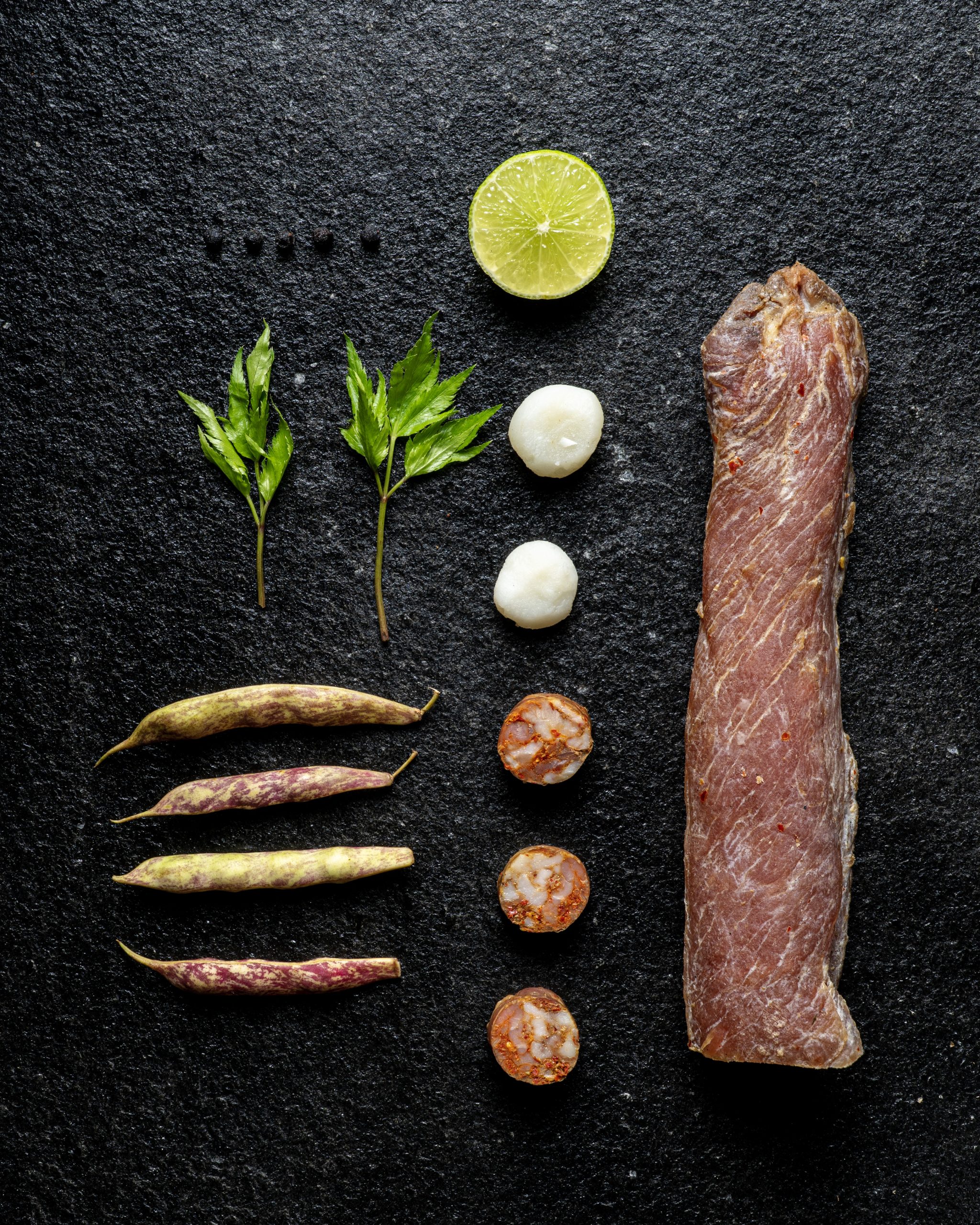
Blackitch Artisan Kitchen is a small chef-led restaurant at 27/1 Nimmanhemin Soi 7 in Chiang Mai. Its cooking is built around local and seasonal ingredients, preservation, fermentation and close attention to food loss. The official site presents a reservation-led lunch and dinner experience rather than an all-day venue where guests can casually arrive. That makes preparation important. The menu can change with what farmers, producers and the kitchen have available, so a useful visit begins with direct confirmation of the date, price, duration and dietary fit.
Reserve before travelling
Contact the restaurant through its official channel and wait for a clear confirmation before building a Chiang Mai itinerary around the meal. Ask for the current service days, start time, number of courses, price, deposit and cancellation policy. A small dining room can have fewer replacement seats when plans change. Share the guest count accurately and state whether the booking is for lunch or dinner, because the format and timing may differ.
Expect a changing menu
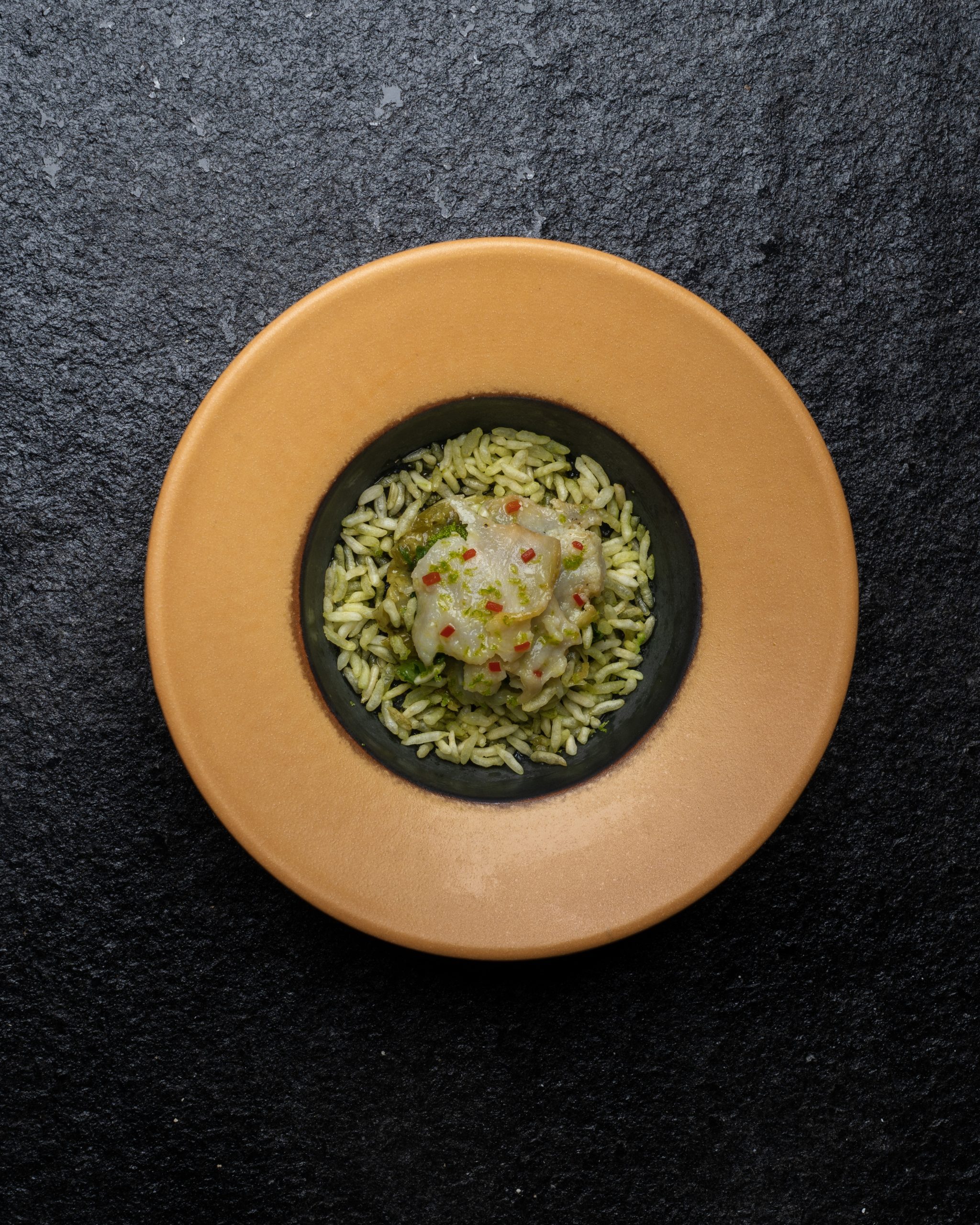
Blackitch works with seasonality and preservation, so an old course photograph should not be treated as a promise. The value lies in the kitchen’s response to current produce rather than the repetition of a signature plate on demand. Ask for a broad description if needed, but leave room for surprise. Diners who require a full itemised menu before arrival should explain that preference and decide whether the format suits them.
Discuss dietary needs early
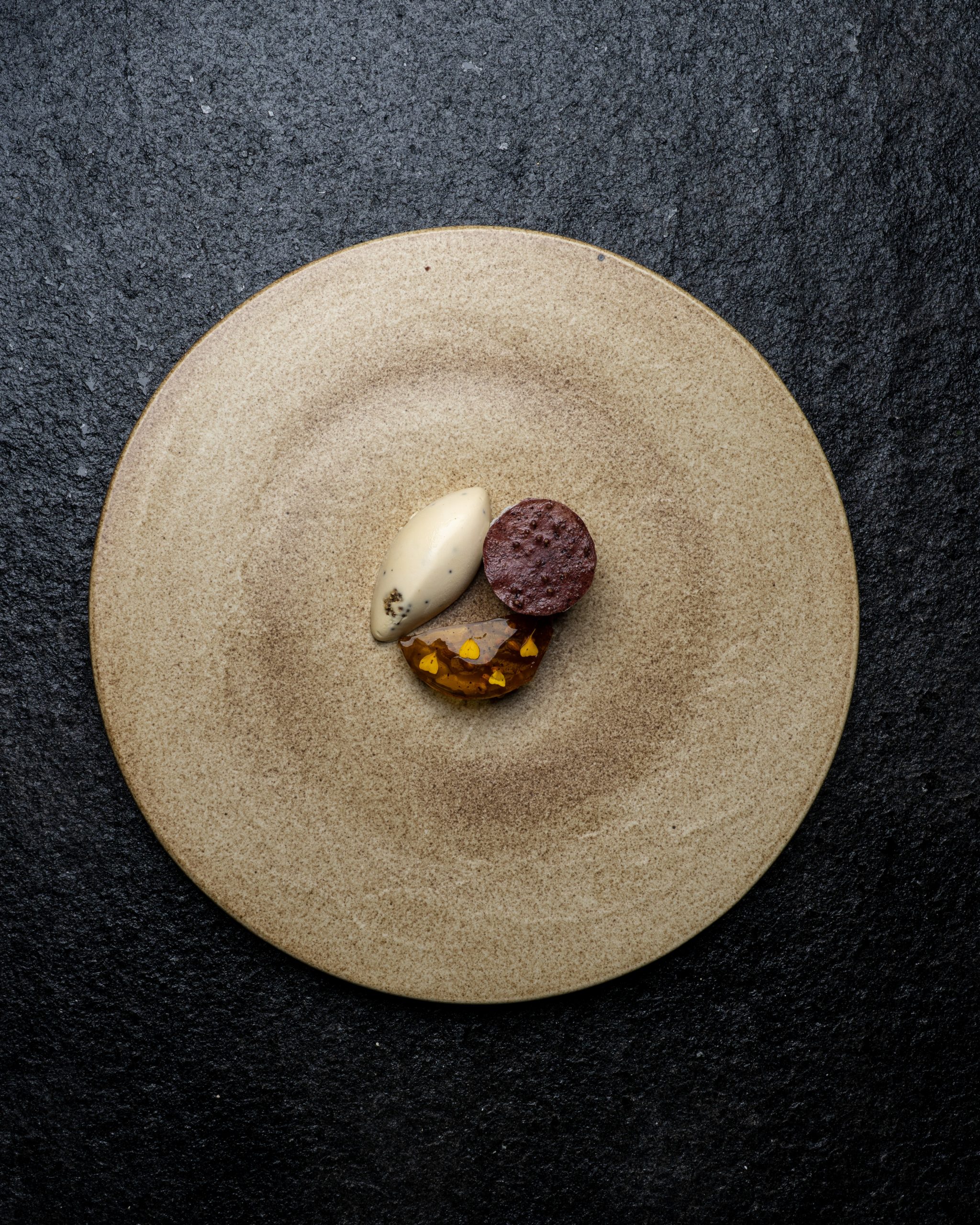
Fermented sauces, broths, seafood products and preserved ingredients can be difficult to identify by sight. Tell the restaurant about allergies, religious restrictions and strong exclusions when requesting the reservation, not after sitting down. Ask whether the kitchen can create a complete alternative experience and how cross-contact is managed. A small seasonal menu may not be able to accommodate every combination, and an honest refusal is safer than an improvised substitute.

Listen to the ingredient story
The restaurant’s appeal includes the relationship between northern ingredients, producers and technique. Explanations may cover why something was fermented, dried, aged or used whole. Listen for how the process improves flavour and reduces waste rather than treating sustainability as decoration. Questions are welcome when timed with service. Keep them concise during plating so the chef can maintain the rhythm for every guest at the counter or table.
Plan enough time
A multi-course chef-led meal should not be squeezed before a flight, train or fixed tour. Ask for the expected duration and add a buffer for conversation, traffic and a changing sequence. Arriving late can affect every diner when courses are served together. Reach Nimman early, take a short walk nearby and enter at the confirmed time. If delayed, contact the restaurant immediately rather than assuming the kitchen can restart the progression.
Find the Nimman address
Nimmanhemin Soi 7 sits in a dense neighbourhood of hotels, cafes and small businesses. Use the exact map pin and restaurant sign rather than stopping at the first similarly named venue. Walking may be convenient from a nearby hotel, while a red truck, taxi or ride-hailing car works from the old city and other districts. Traffic and limited parking can slow an evening arrival, so ask about the best drop-off point.
Choose drinks deliberately
Ask what water, tea, non-alcoholic pairing or alcoholic options are currently available and whether they are included. Fermented and intensely savoury courses can change how a beverage tastes across the meal. A pairing may be interesting, but it also raises cost and alcohol intake. Confirm the price, pace yourself and arrange transport. Guests who do not drink should still expect a considered choice rather than treating water as the only alternative.
Photograph without disruption
The intimate format makes camera behaviour more noticeable than in a large dining room. Ask about photography, turn off flash and avoid holding up a course while searching for several angles. Steam, temperature and texture are part of the chef’s timing. A few quick images can preserve the memory, but recording every explanation may distract from the conversation and from other diners seated close by.
Judge more than luxury
Blackitch is not best understood through imported prestige ingredients or formal-room spectacle. Its identity comes from regional produce, craft, preservation and the chef’s decisions about what to use. Consider whether flavours are balanced, whether the sequence sustains interest and whether the sourcing story is visible on the plate. A humble vegetable or preserved element may carry more meaning than the most expensive component.
Confirm the final cost
Request the current menu price and ask whether tax, service, drinks or supplements are additional. Understand the deposit and refund terms before transferring money. Keep the confirmation until the meal is complete. If a course or ingredient changed after booking, that may reflect seasonality, but a material change to price or format should still be communicated. Clear expectations let the table focus on the food rather than calculations at the end.
Blackitch Artisan Kitchen suits diners who enjoy a guided meal shaped by northern ingredients, fermentation and a close exchange with the kitchen. It asks for more preparation than a spontaneous restaurant stop: reserve, disclose dietary needs and allow an unhurried window. In return, the experience can show how careful preservation and local sourcing create depth without depending on a fixed list of headline ingredients.