
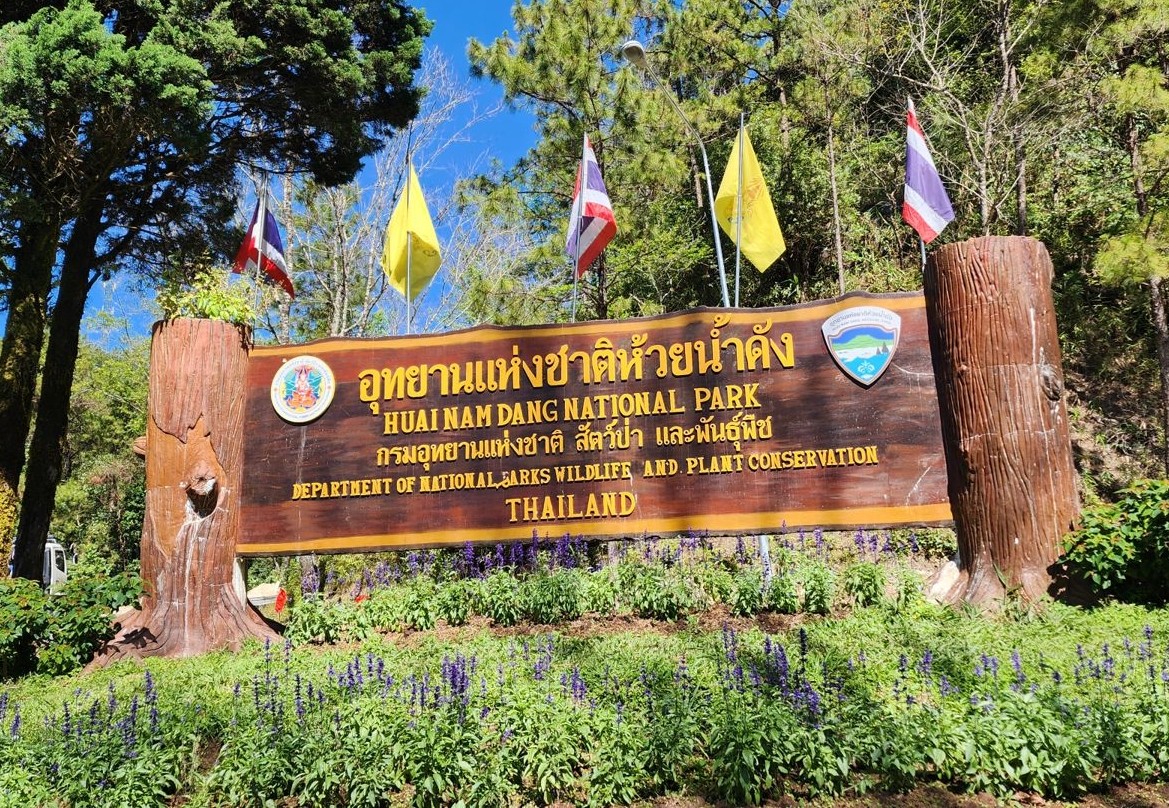
Huai Nam Dang National Park spans high country between Chiang Mai and Mae Hong Son, with Doi Kiew Lom known for wide mountain views and cool-season seas of mist. The park also links travellers with waterfalls, hot springs, forest roads and the broader route towards Pai.
Sunrise photographs make the trip look effortless, but the experience depends on mountain weather, early driving and patient timing. Build a plan that remains worthwhile even when fog covers the view or the valley stays clear.
When to go
November to January usually brings the coolest mornings and the strongest chance of layered mist, but conditions vary daily. Rain, wind and temperature can change quickly at elevation.
October and February can still be rewarding with fewer peak-season crowds. Check the local forecast and park announcements before leaving, then carry a warm layer even when the lowlands feel hot.
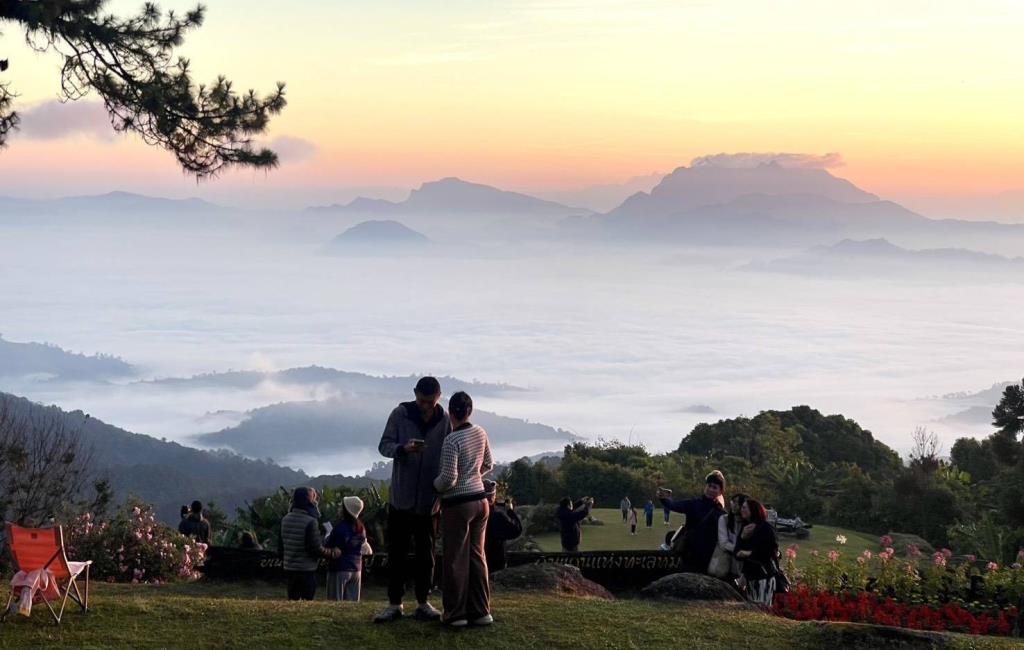
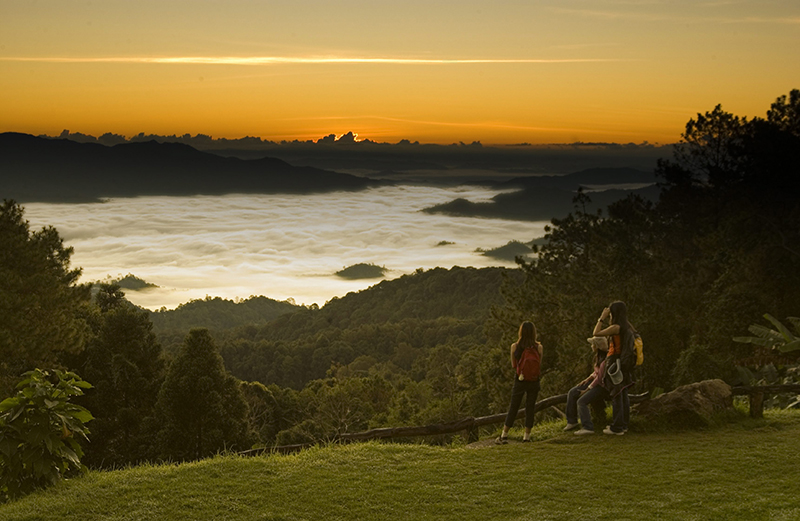
Doi Kiew Lom sunrise
Doi Kiew Lom is the classic viewpoint. Arrive well before sunrise to park, walk safely and choose a position without rushing or blocking paths in the dark.
A headlamp is better than a phone torch, and closed shoes provide more grip on damp ground. Once the sky brightens, stay long enough to watch the light move across the ridges instead of leaving after one photograph.
Driving the mountains
Approach roads are steep and winding. Use a roadworthy vehicle, start with enough fuel and descend in a low gear rather than riding the brakes for long periods.
Drivers unfamiliar with mountain roads should travel in daylight where possible. Leave generous space, avoid overtaking on blind bends and stop only in proper pullouts, not on the carriageway for a view.
Camping and sleep
Camping can place visitors close to the morning viewpoint, but comfort depends on insulation, dry bedding and respect for quiet hours. Night temperatures may feel much colder than a daytime reading suggests.
Reserve through the current park system where required and ask what equipment is available. Bring a small torch, refillable water bottle and bags for all personal waste.
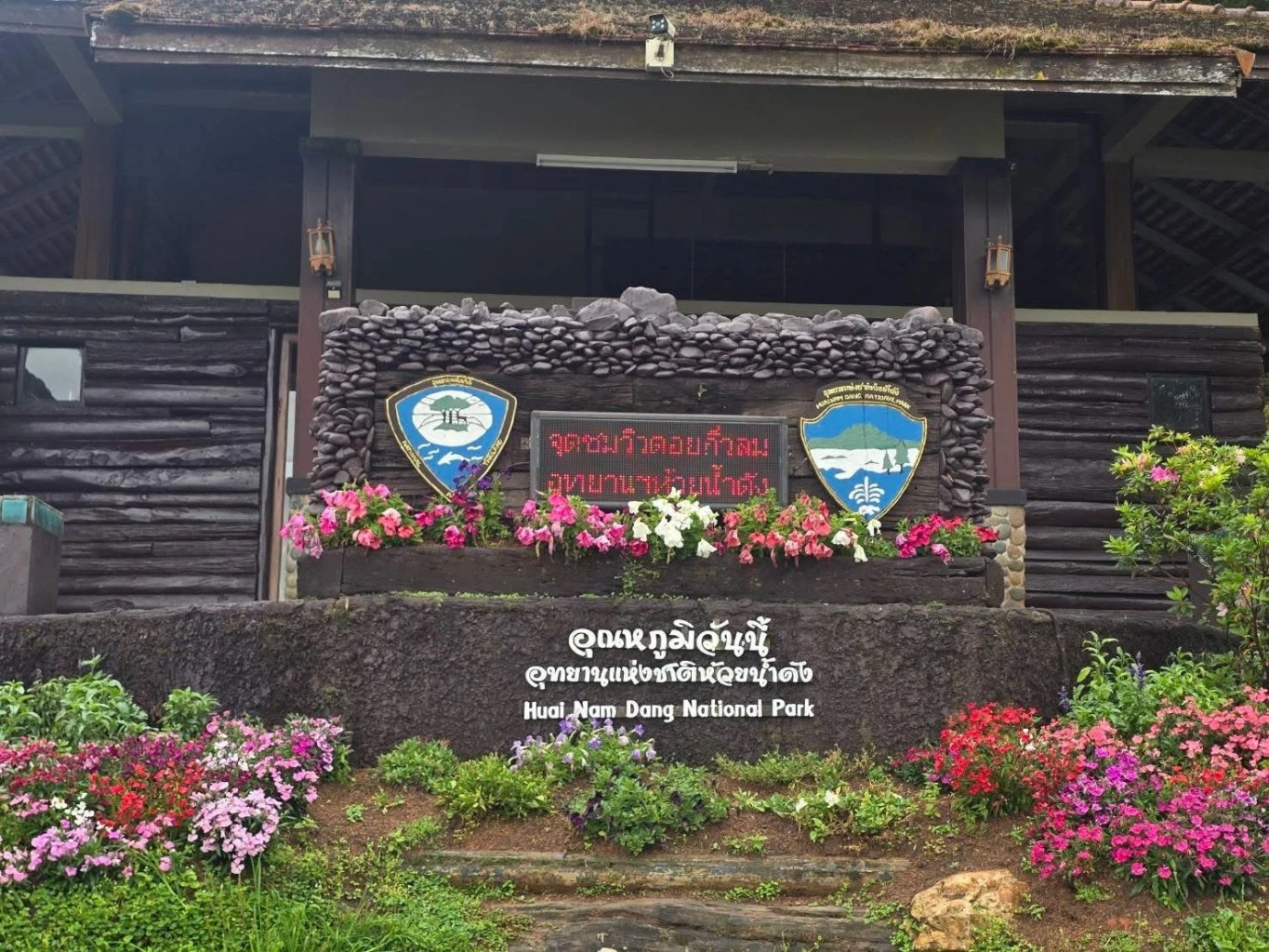
Beyond the viewpoint
Mae Haad Waterfall and the hot-spring areas around Pong Duet and Tha Pai can extend the trip, subject to road and trail conditions. Do not compress every stop into a single rushed day.
Choose one or two additions that fit the route. Hot springs need time for changing and rest, while waterfalls can involve slippery paths after rain.
Photography etiquette
Tripods should stay out of the main walking line. Keep lights low once eyes have adjusted and avoid flying a drone without clear permission under park and aviation rules.
Do not climb fences or flower beds for a cleaner frame. The viewpoint is shared, and a considerate position often produces better photographs than forcing into the most crowded centre.
Weather and safety
Carry drinking water, sun protection and rain cover even on a short stop. Mobile signal can vary, so download maps and tell someone the planned route when exploring beyond the main viewpoint.
Smoke and seasonal air quality can reduce visibility in northern Thailand. Check current conditions, especially for children, older travellers and anyone with respiratory illness.
Plan your route
Huai Nam Dang is often combined with Pai or the Mae Hong Son Loop. Avoid driving the most demanding section immediately after a sleepless dawn; fatigue is a larger risk than missing another attraction.
Entry fees, opening arrangements and access to individual areas can change. Confirm them with the park before travel, carry cash as a backup and keep the schedule flexible enough for weather or road delays.
Travel responsibly
Keep food sealed and never feed wildlife. Even friendly-looking animals can become aggressive around snacks, while human food changes their behaviour and health. Store rubbish in the vehicle until it reaches a proper collection point. Keep noise low around campsites and viewpoints before sunrise so other visitors and wildlife are not disturbed.
Use refillable bottles and bring back batteries, tissues and small packaging that are easy to overlook. Soap and shampoo do not belong in streams or hot-spring runoff. Leave natural objects, plants and stones where they are.
Local guesthouses, guides and food businesses can add depth to the route. Choose operators who respect park boundaries, keep groups small and explain safety without pressuring visitors into unnecessary detours. Ask before photographing local people or private homes.
If weather closes a trail or viewpoint, accept the decision. Mountain conditions can deteriorate faster than they appear from the car park. A warm drink, a short forest walk in an open area or an earlier drive to Pai is a better outcome than forcing a route through fog or heavy rain.
Keep exploring
Continue with related TFT coverage, browse more Thailand guides and compare the latest TFT recommendations.
Common questions
What is Huai Nam Dang best known for?
Doi Kiew Lom is known for cool-season sunrise views over a sea of mist and distant mountain ridges.
Can I combine the park with Pai?
Yes, it fits the wider route towards Pai, but allow daylight and rest for the winding mountain roads.