
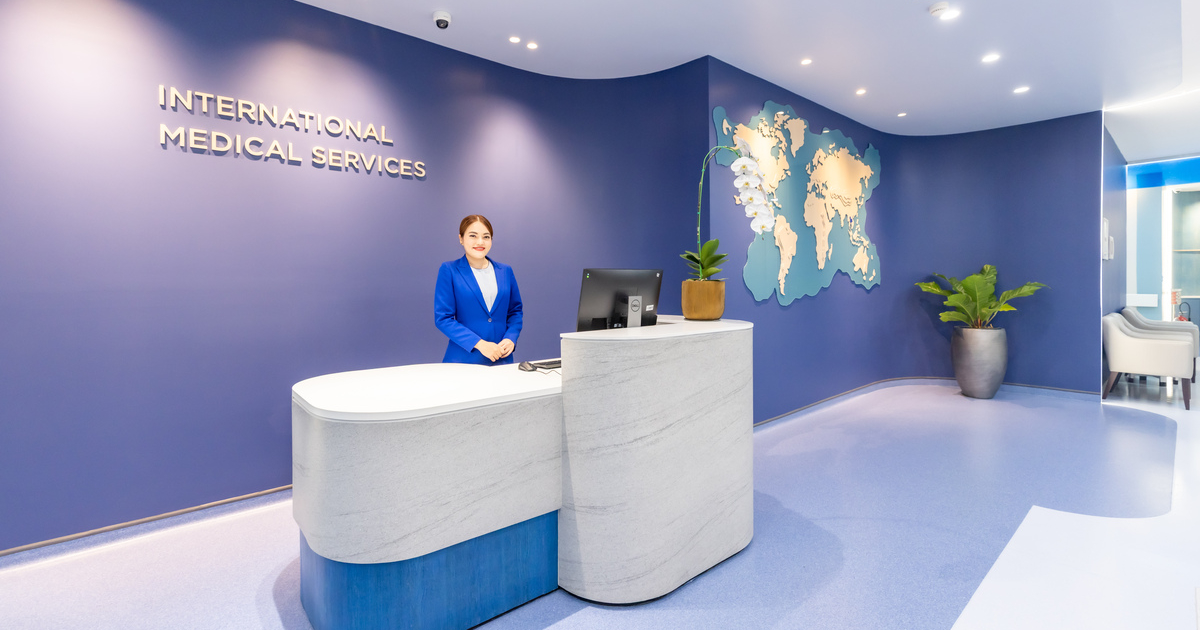
Bangkok Hospital is often part of expat planning because healthcare in Thailand is not only about emergencies. The hospital’s official International Medical Services page describes comprehensive healthcare services for international outpatients, including annual examinations and specialised care.
For families, retirees, long-stay visitors and frequent travellers, the useful question is not whether a private hospital exists. It is how to approach appointments, language support, insurance documents and follow-up without making a stressful day harder.
When It Helps
Use an international-service desk when you need coordination across language, documents, appointment type and payment method. That can be especially useful for new arrivals who do not yet know which department, doctor or package they need.
Emergency care is a different situation; call local emergency channels or go directly for urgent symptoms. For planned care, the calmer route is to contact the hospital first and ask what to bring.

Documents And Insurance
Bring passport details, medication lists, prior test results, insurance cards and any referral notes. If the issue is ongoing, organise the timeline before the visit so the doctor is not piecing together months of history from memory.
International insurance can involve pre-authorisation, direct billing rules or reimbursement. Ask the insurer and the hospital what is needed before the appointment, especially for scans, procedures or inpatient care.

Family Logistics
Families should plan more than the medical appointment. Think about transport, waiting time, meals, a second adult for children and whether an older relative needs wheelchair support or translated explanations.
The accommodation page notes a range of inpatient rooms and features such as adjustable beds, nurse-call systems and guest sofa beds. Those details matter when a family member may need to stay nearby.
Practical Caveats
Private hospital care can be efficient, but it is not a substitute for understanding costs. Ask for estimates, package inclusions and what might change if the doctor orders extra tests.
For serious diagnoses or procedures, consider a second opinion and keep copies of all results. Good healthcare planning in Thailand is organised, documented and calm.
Planning Notes
Use this guide as a practical starting point for Bangkok Hospital international services, then check the official channel before travelling for current hours, access rules, booking terms, temporary closures, seasonal conditions and transport changes. Thailand venues are usually easy once you arrive, but the details that affect a good visit can change quickly around public holidays, rain, school breaks, private functions and high-season weekends.
Protect the main purpose of the day. If the draw is a river view, a restaurant booking, a ferry, a temple visit, a park run, a hotel pool or a visa appointment, build the rest of the plan around that priority. Extra shopping, coffee and nearby sights should support the day rather than crowd it.
Keep transport realistic. Bangkok traffic, Sathorn lift queues, Chao Phraya piers, island boats, mountain roads and airport transfers can all add friction that a quick map preview hides. Leave margin at the first and last move of the day, especially with family, luggage, older travellers or an onward flight.
For premium venues, official events and immigration-related topics, rely on the operator or government source rather than older travel posts. Booking pages, venue notices, ferry operators, hotel sites and official portals are more likely to reflect revised entry rules, renovation periods, current service windows and temporary works.
Think about weather before committing the whole plan. Heat can make a short central walk feel long, rain can reshape river and island movement, and haze can change northern or skyline views. A good Thailand itinerary has one strong anchor, one nearby backup and enough slack to enjoy both.
If you are travelling with a mixed group, decide in advance what can be skipped. A couple may happily linger over dinner, a family may need shade and toilets, and a solo traveller may prioritise photos or a fast transport link. The best plan is the one that still works when one detail changes.
Save confirmation emails, map pins and official contact details before leaving reliable Wi-Fi. That small preparation helps when a driver asks for the entrance, a booking desk wants the reservation name, or weather forces you to adjust the order of the day.
Who Should Go
- Expats choosing a Bangkok private hospital route.
- Families planning non-emergency appointments.
- Long-stay visitors comparing check-up and specialist care.
- Travellers who need English-friendly medical coordination.
FAQ
Does Bangkok Hospital have international services?
Yes. Bangkok Hospital has International Medical Services for international outpatients.
What should I bring to an appointment?
Bring passport details, insurance information, medication lists and relevant prior results.
Is this medical advice?
No. It is planning guidance; medical decisions should be made with qualified clinicians.