
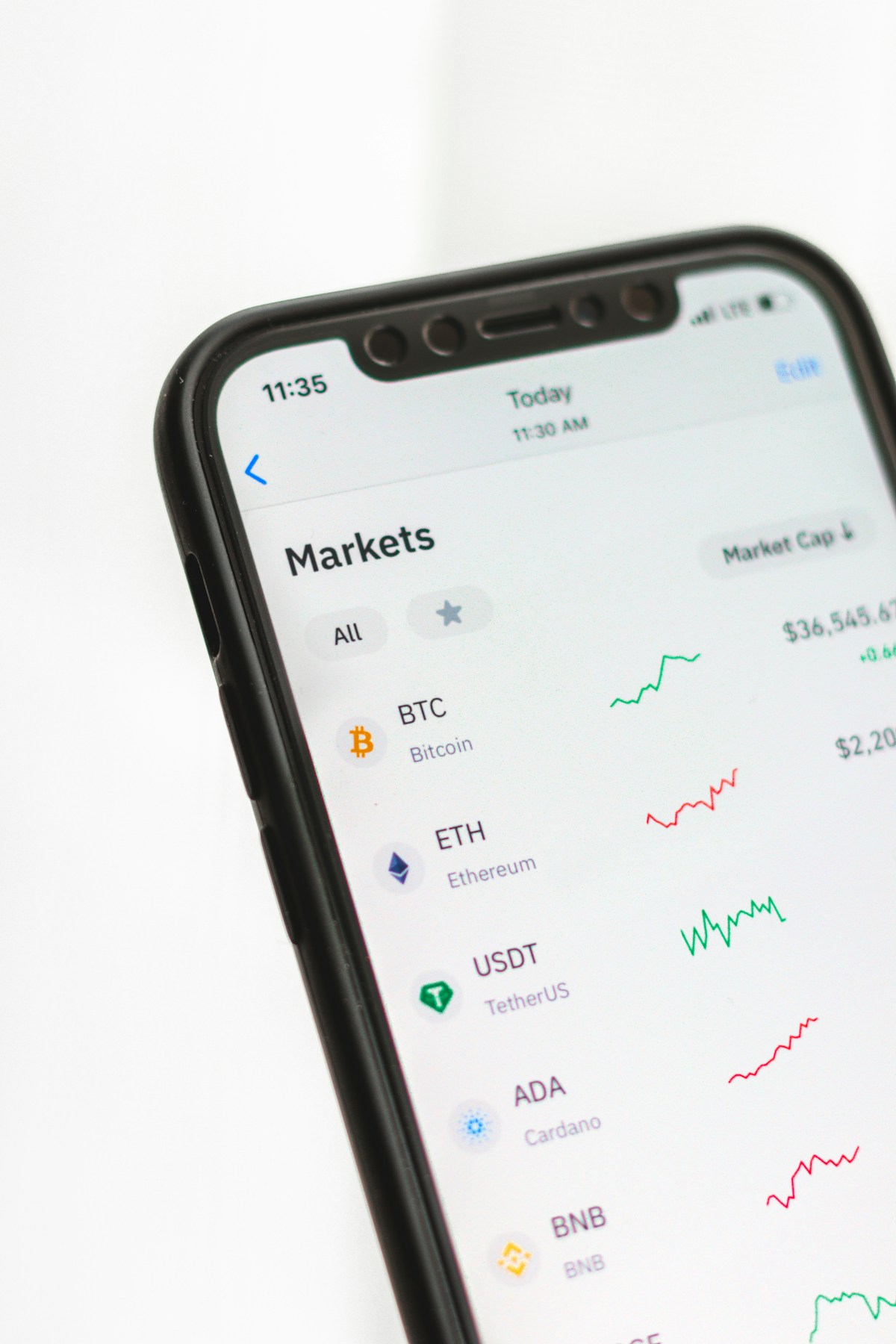
Thailand has emerged as one of Southeast Asia’s most regulated—and, consequently, most credible—cryptocurrency markets. Whilst some neighbouring countries have taken a hands-off or outright hostile approach to digital assets, Thailand has chosen a middle path: clear regulation that legitimises crypto trading whilst protecting investors from the worst excesses of an inherently volatile asset class. For luxury travellers, expatriates, and investors with ties to the kingdom, understanding these rules is increasingly essential.
The Regulatory Framework
Thailand’s cryptocurrency market is regulated by the Securities and Exchange Commission (SEC) under the Digital Asset Business Decree of 2018—one of the first comprehensive crypto-regulatory frameworks in Asia. All digital asset exchanges, brokers, and dealers must be licensed by the SEC. Unlicensed operations are illegal. This licensing regime means that trading on Thai platforms carries a degree of regulatory protection absent in many jurisdictions.
Licensed exchanges include Bitkub (Thailand’s largest, handling the majority of domestic trading volume), Satang Pro, and Zipmex (which entered regulatory difficulties, serving as a cautionary tale). Supported cryptocurrencies include Bitcoin, Ethereum, Ripple, and a range of altcoins approved by the SEC—though not all tokens available on global exchanges are permitted in Thailand.
Tax Treatment
Cryptocurrency profits in Thailand are subject to capital gains tax at 15%, withheld at source on gains from trading on licensed exchanges. This is a flat rate—simpler than the progressive income tax applied to other investment gains. Losses cannot be offset against gains, which is a significant disadvantage for active traders. Crypto-to-crypto trades are taxable events. The Revenue Department has indicated that holding crypto without trading does not trigger a tax liability until a disposal event occurs.
Crypto Payments
In April 2022, the Bank of Thailand and SEC banned the use of cryptocurrency as a payment method for goods and services, citing financial stability concerns. This means you cannot legally pay for your hotel, dinner, or shopping with Bitcoin in Thailand—regardless of whether a merchant is willing to accept it. Crypto remains strictly an investment asset within the Thai regulatory framework.
What Investors Should Know
Thailand’s approach offers both advantages and constraints. The advantages: regulated exchanges provide meaningful investor protection, the tax framework is clear and relatively simple, and the SEC’s licensing regime filters out the most questionable operators. The constraints: the payment ban limits utility, the inability to offset losses penalises active traders, and the range of available tokens is narrower than on global platforms like Binance (which operates a separate, SEC-licensed Thai entity).
For foreigners resident in Thailand, cryptocurrency holdings and gains may also be subject to tax reporting obligations in their country of tax residence. Dual-reporting requirements make professional tax advice essential for anyone with significant crypto positions and a connection to Thailand.
Need To Know
Regulator: Securities and Exchange Commission (SEC) Thailand
Framework: Digital Asset Business Decree 2018
Licensed exchanges: Bitkub (largest), Satang Pro, and others
Tax: 15% capital gains tax (withheld at source); losses not offsettable
Payment ban: Crypto cannot legally be used for goods/services (since April 2022)
Supported assets: BTC, ETH, XRP, and SEC-approved altcoins
Essential: Professional tax advice for dual-jurisdiction residents
Note: This article is for informational purposes only and does not constitute financial or legal advice