
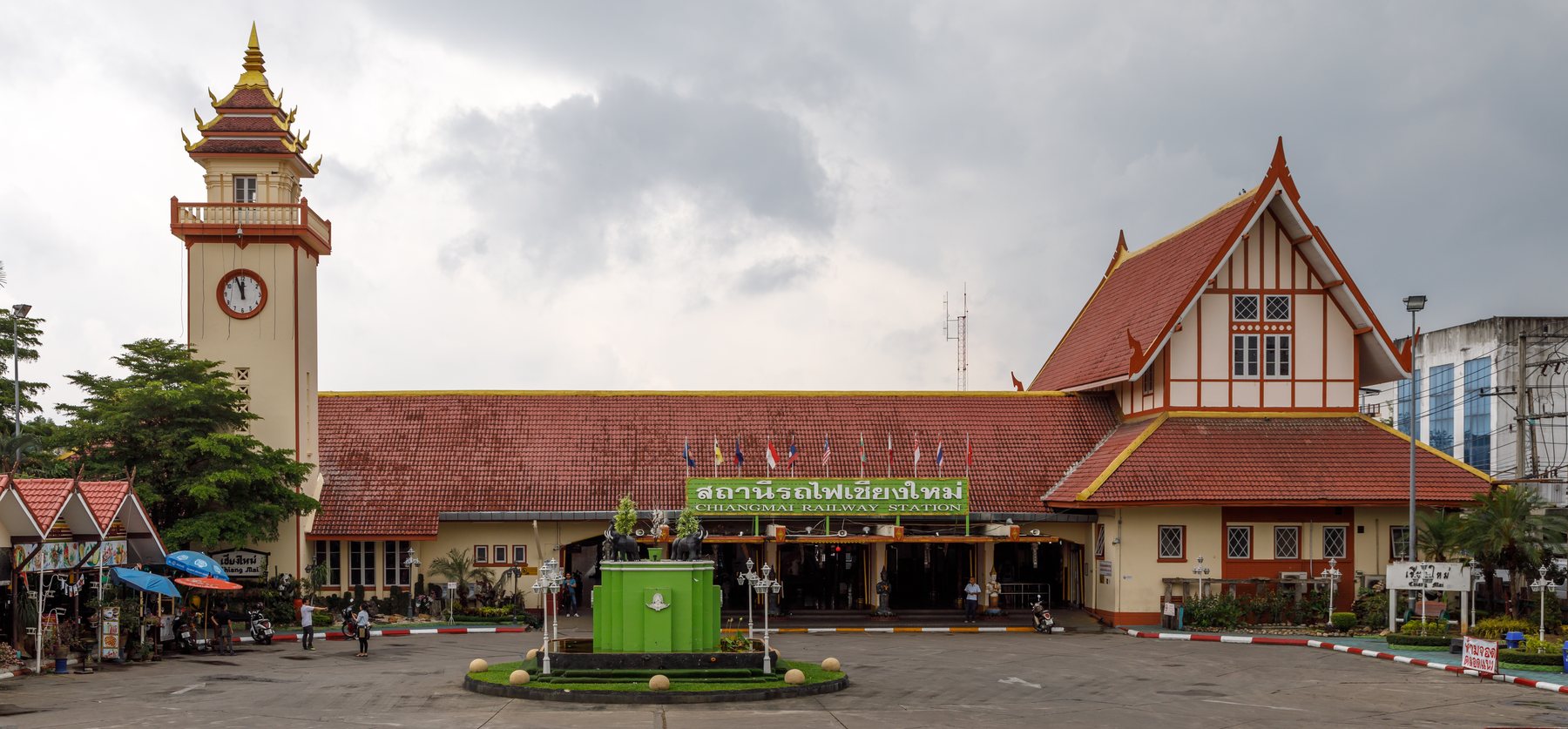
The 700-kilometre journey from Bangkok to Chiang Mai is one of the most frequently travelled routes in Thailand, and the variety of transport options makes it one of the most interesting to plan. From one-hour flights to overnight trains that recall the golden age of rail travel, each method offers a distinct experience with different trade-offs between cost, time, comfort, and scenery. Here is a comprehensive comparison to help you choose the right option for your trip.
By Air: The Fastest Option
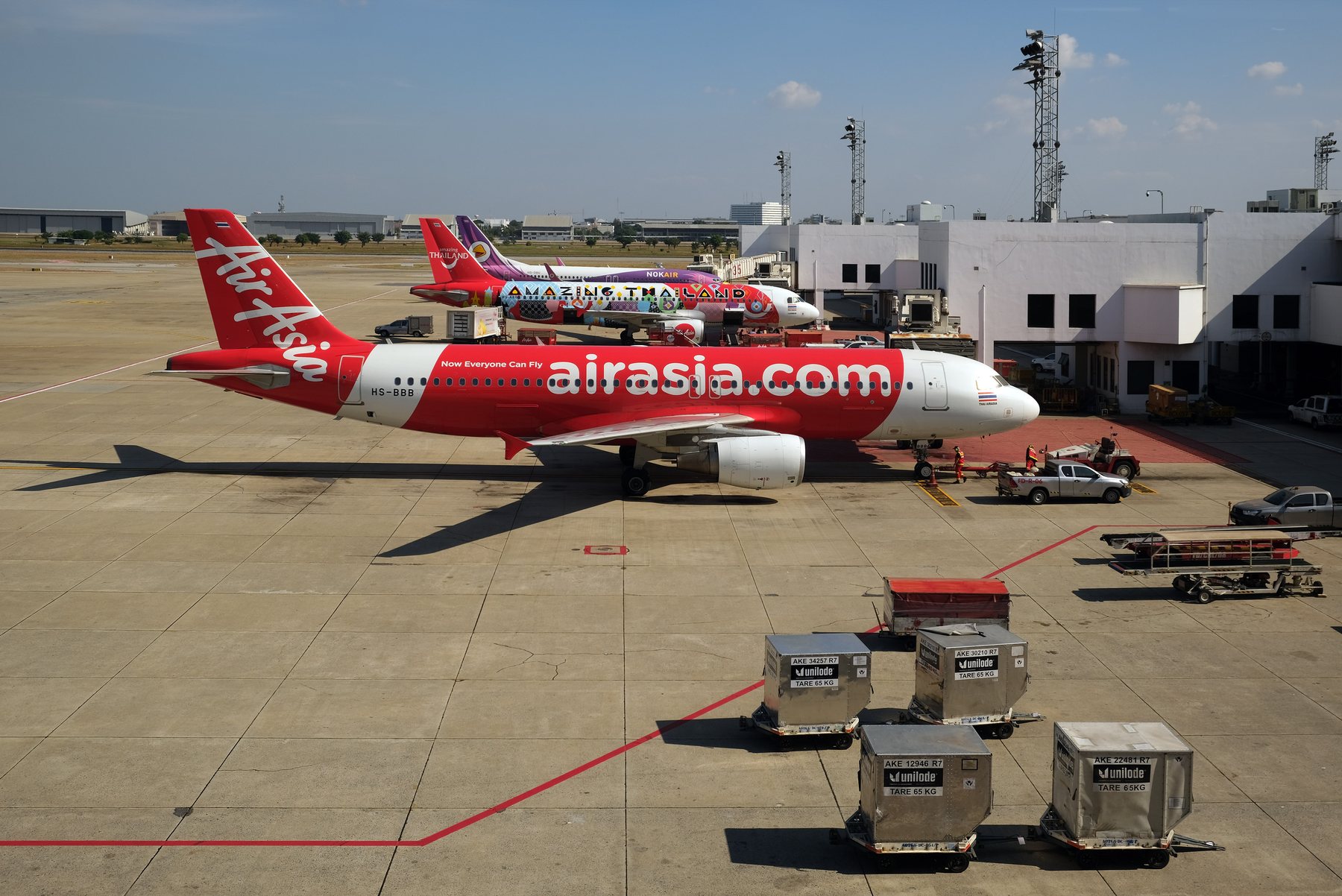
Flying is the obvious choice for time-conscious travellers. The Bangkok to Chiang Mai route is one of Thailand’s busiest domestic corridors, served by multiple airlines with frequent daily departures from both Suvarnabhumi and Don Mueang airports. Flight time is approximately one hour and 15 minutes, making it possible to breakfast in Bangkok and lunch in Chiang Mai.
Budget carriers AirAsia, Thai VietJet, and Nok Air operate from Don Mueang Airport, with one-way fares starting from approximately 1,000 to 2,500 THB when booked in advance. Thai Lion Air also serves the route at similar price points. Bangkok Airways and Thai AirAsia X fly from Suvarnabhumi, with Bangkok Airways commanding a premium (typically 3,000 to 5,000 THB one-way) that includes checked baggage, meals, and lounge access.
The key consideration with flying is total journey time. While the flight itself takes just over an hour, factoring in travel to the airport (30 to 90 minutes depending on Bangkok traffic and which airport), check-in and security (arrive 90 minutes before domestic flights), and the journey from Chiang Mai airport to your hotel (15 to 30 minutes), the total door-to-door time is typically four to five hours. Still the fastest option, but less dramatically so than the flight time alone suggests.
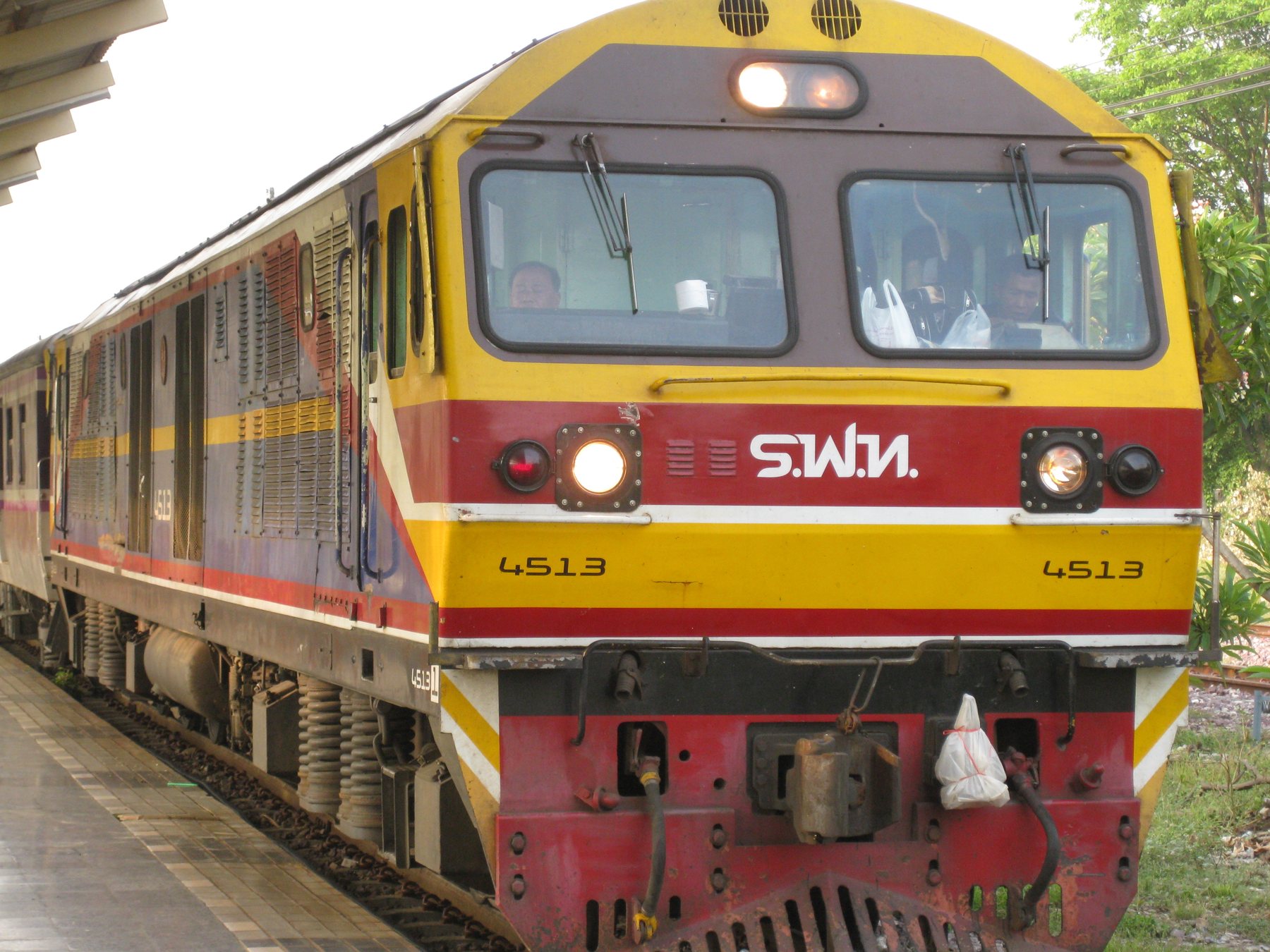
By Overnight Train: The Classic Journey
The overnight train from Bangkok’s Hua Lamphong (or Bang Sue Grand) station to Chiang Mai is one of Southeast Asia’s great railway journeys and remains the most romantic way to travel between Thailand’s two most popular cities. The approximately 12-hour journey departs in the evening and arrives in Chiang Mai the following morning, effectively combining transport and accommodation in a single experience.
Several classes of service are available. First-class sleepers offer private two-berth cabins with locking doors, air conditioning, clean bedding, and a washbasin — essentially a compact hotel room on rails. Prices range from approximately 1,300 to 1,800 THB per person depending on the train and berth type. Second-class sleepers provide open-plan berths with curtains for privacy — lower berths are wider and more expensive (approximately 800 to 1,100 THB) than upper berths (600 to 900 THB). Both first and second class include bedding, pillows, and air conditioning or fan options.
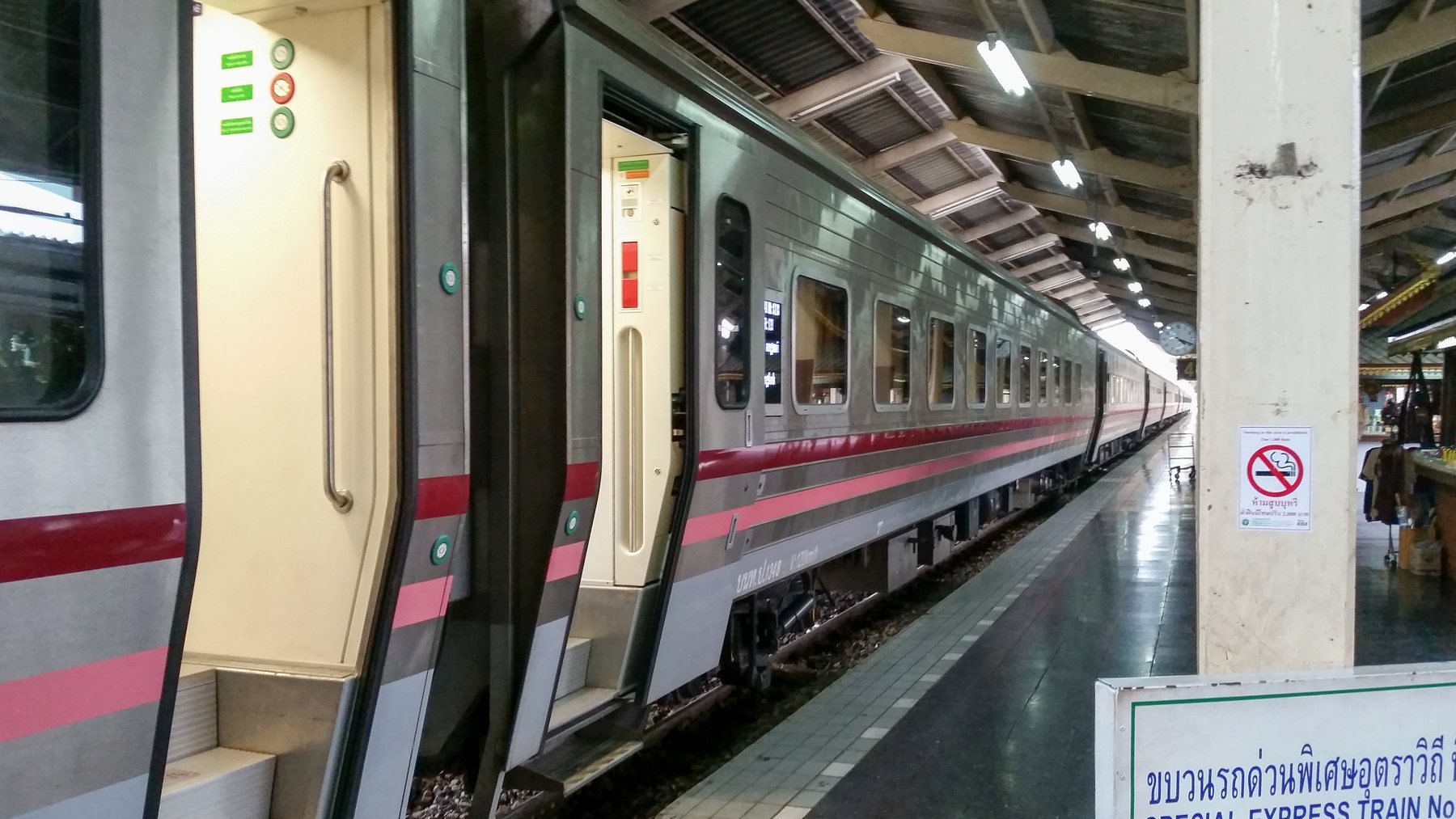
Third-class seats are the budget option at approximately 300 to 500 THB, but these are upright seats without sleeping facilities and are not recommended for the overnight journey unless budget constraints are absolute.
The train experience begins with the bustle of departure from one of Bangkok’s great railway stations, transitions through the darkening Thai countryside as night falls, and concludes with a sunrise arrival in the cooler, greener landscape of northern Thailand. A dining car serves Thai meals and snacks throughout the journey, and vendors board at station stops selling local specialities. For travellers who value the journey as much as the destination, the overnight train is unbeatable.
Booking through the State Railway of Thailand website (railway.co.th) or through the 12Go Asia platform is recommended, particularly for first-class cabins which sell out quickly during the high season.
By Bus: The Budget Champion
Buses are the most popular overland option for budget-conscious travellers and Thai locals alike. Express services cover the Bangkok to Chiang Mai distance in approximately 9.5 hours, while standard services take 10 to 12.5 hours. Departures run throughout the day and night from Bangkok’s Mo Chit Northern Bus Terminal (Chatuchak), with the most popular services departing in the evening for overnight travel.
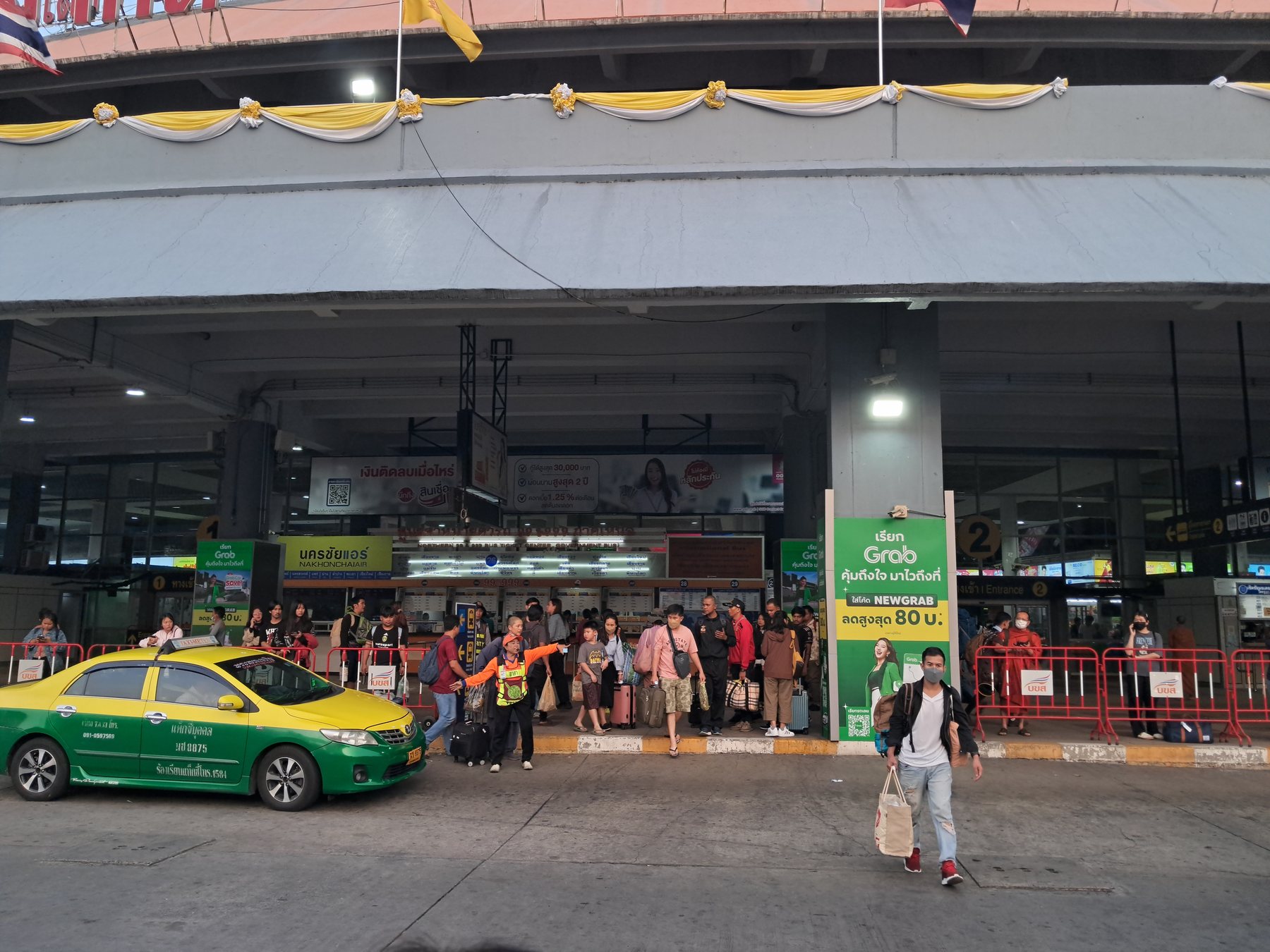
VIP buses (24 seats with extra legroom, blankets, snacks, and onboard toilets) are priced from approximately 650 to 1,100 THB — remarkably affordable for a journey of this distance. First-class buses (32 seats) offer slightly less space at 500 to 800 THB, while second-class buses (44 seats) provide the cheapest option at 350 to 550 THB. Private operators like NCA (Nakhonchai Air) have built strong reputations for comfort, punctuality, and service quality, and their VIP services rival budget airlines for value.
The overnight bus saves the cost of a night’s accommodation and arrives in Chiang Mai in the early morning, ready for a full day of exploration. The downside is that sleeping upright, even in a reclining VIP seat, is less comfortable than a train sleeper berth, and the journey offers little scenery during the night-time hours.
By Private Car or Van: The Flexible Option
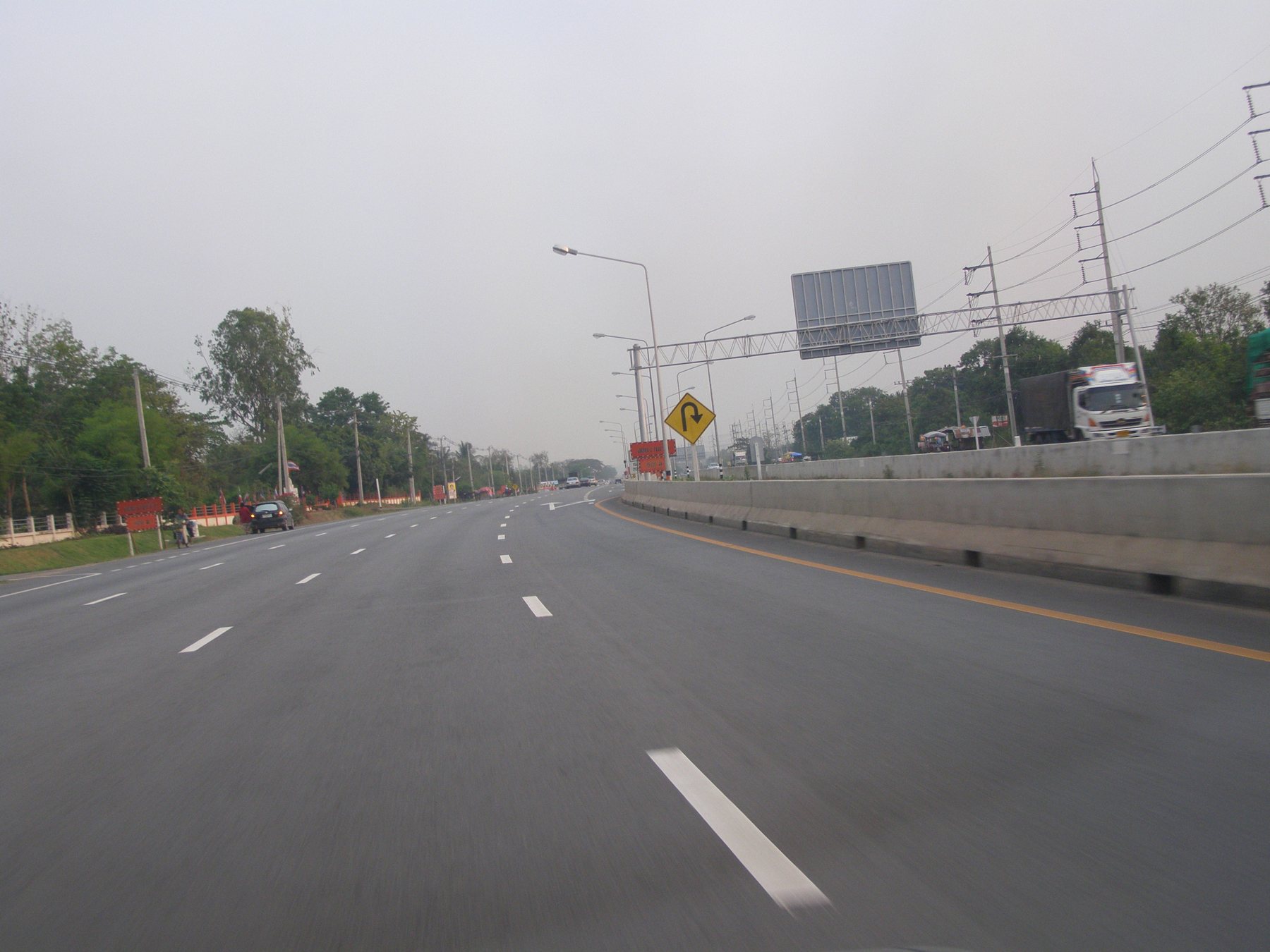
Hiring a private car or van offers maximum flexibility at a higher price point. The drive takes approximately eight to ten hours via the main highway (Route 1 north through Nakhon Sawan and Lampang), with the option to stop at attractions along the way — the ancient ruins at Ayutthaya, the historical park at Sukhothai, or the dramatic limestone scenery around Lampang.
Private vehicle hire with driver costs approximately 8,000 to 19,000 THB (230 to 550 USD) for the one-way journey, depending on vehicle type and operator. This per-vehicle cost makes private transport more economical for groups of three or more, particularly when the flexibility to stop and explore en route adds genuine value to the journey.
Self-driving is also possible — rental cars are available from major companies at both Bangkok airports — but navigating Bangkok traffic requires confidence, Thai highway signage can be inconsistent, and the long driving distance makes fatigue a genuine safety consideration. If self-driving, plan for at least one extended rest stop and avoid driving at night on unfamiliar roads.
Comparison at a Glance
For pure speed, fly — the total journey takes four to five hours door to door, with fares from 1,000 THB. For the most memorable experience, take the overnight train — 12 hours of railway romance for 600 to 1,800 THB. For the lowest cost, take the bus — 9.5 to 12.5 hours from 350 THB with the bonus of saving on accommodation. For maximum flexibility and group value, hire a private car — eight to ten hours with the freedom to explore along the way for 8,000 to 19,000 THB per vehicle.
Many experienced Thailand travellers choose different options for each direction: perhaps flying north to maximise time in Chiang Mai, then taking the overnight train south for the experience. This approach captures the best of both worlds — efficiency when it matters and adventure when time permits.