
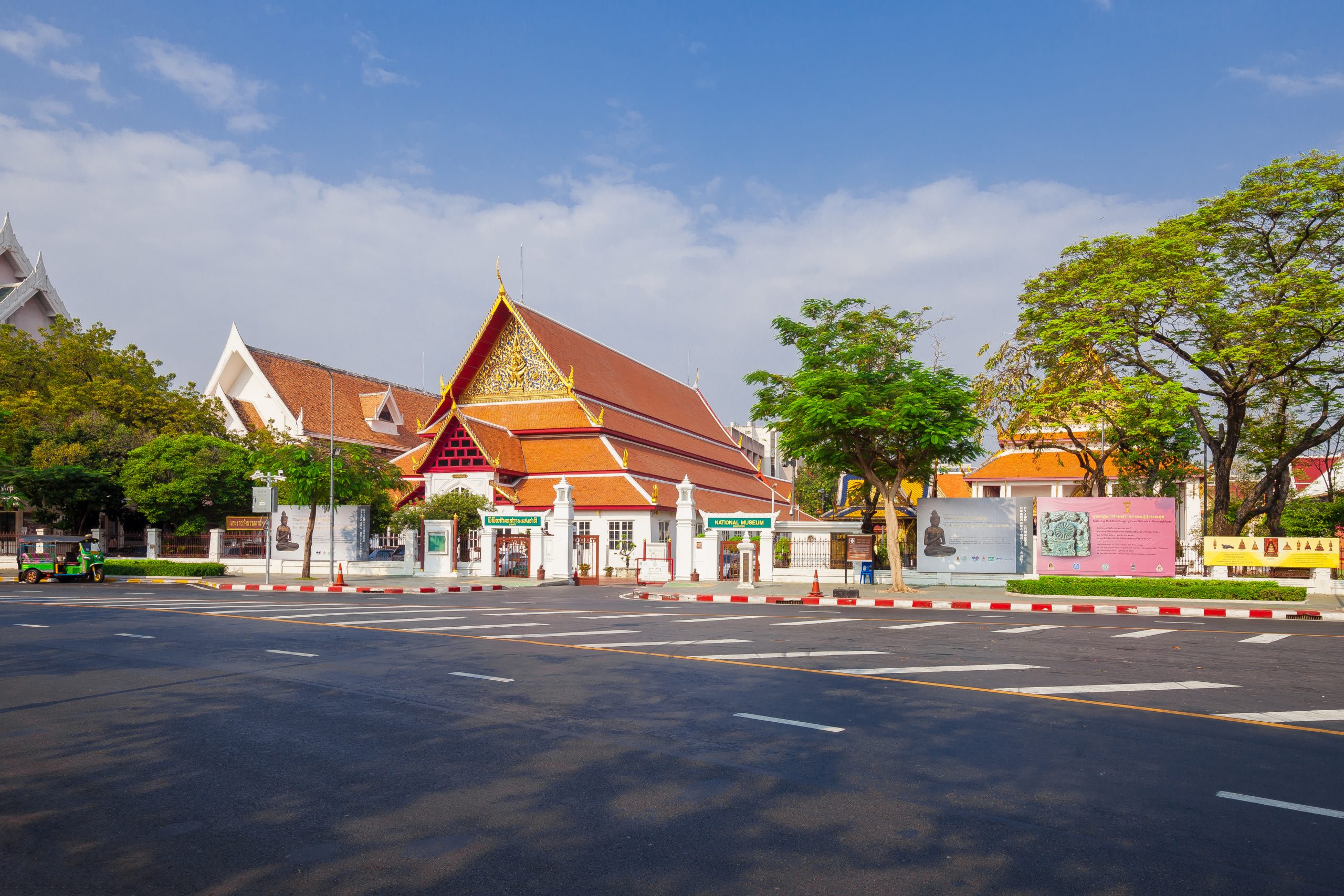
Bangkok National Museum works best when you treat it as a calm foundation for understanding Thai art before visiting the Grand Palace, Wat Pho or the riverside temples. It is easy to arrive, take a few photos and leave, but the better visit starts with a small plan: what you want from the stop, how much heat or crowding you can handle and where you are going next.
Why Go
It gathers Thai art, royal objects, Buddhist sculpture and historical galleries in one walkable compound near Sanam Luang.
The former palace setting makes the visit feel tied to Bangkok royal history rather than a neutral museum room.
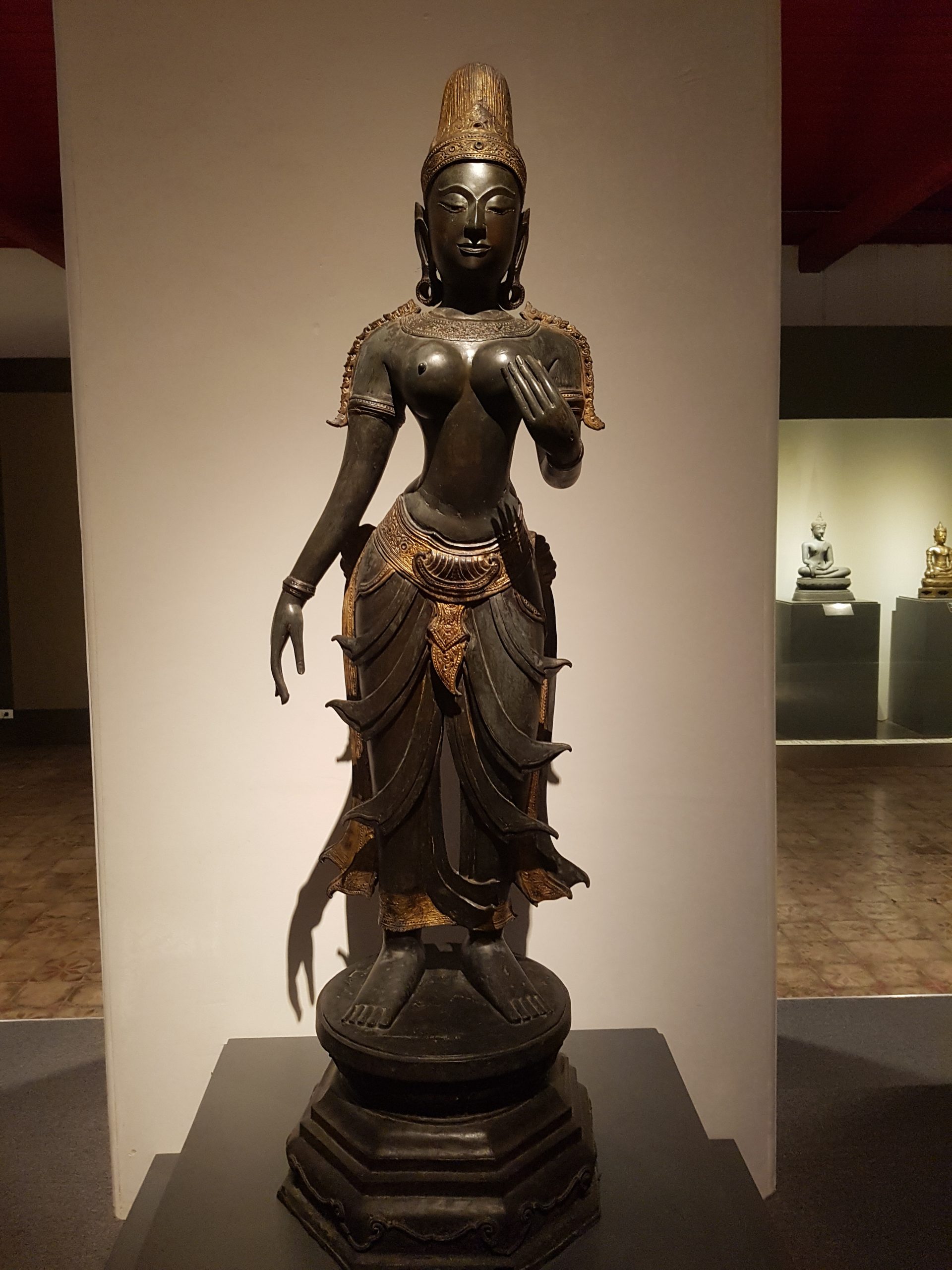
The labels and collections help first-time visitors read the visual language they will see later in temples, palaces and provincial ruins.
The strongest reason to go is not that Bangkok National Museum appears on a list. It is that the stop gives you a clearer read on Thailand in a specific way: through food, transport, art, worship, green space, shopping, paperwork or memory. That specificity is what separates a useful guide from a generic pin on a map.
What To Do
Start with Thai history and Buddhist art if this is your first serious culture stop in Bangkok.
Slow down around chapel and ceremonial spaces, where the atmosphere sits closer to a temple visit than a gallery walk.
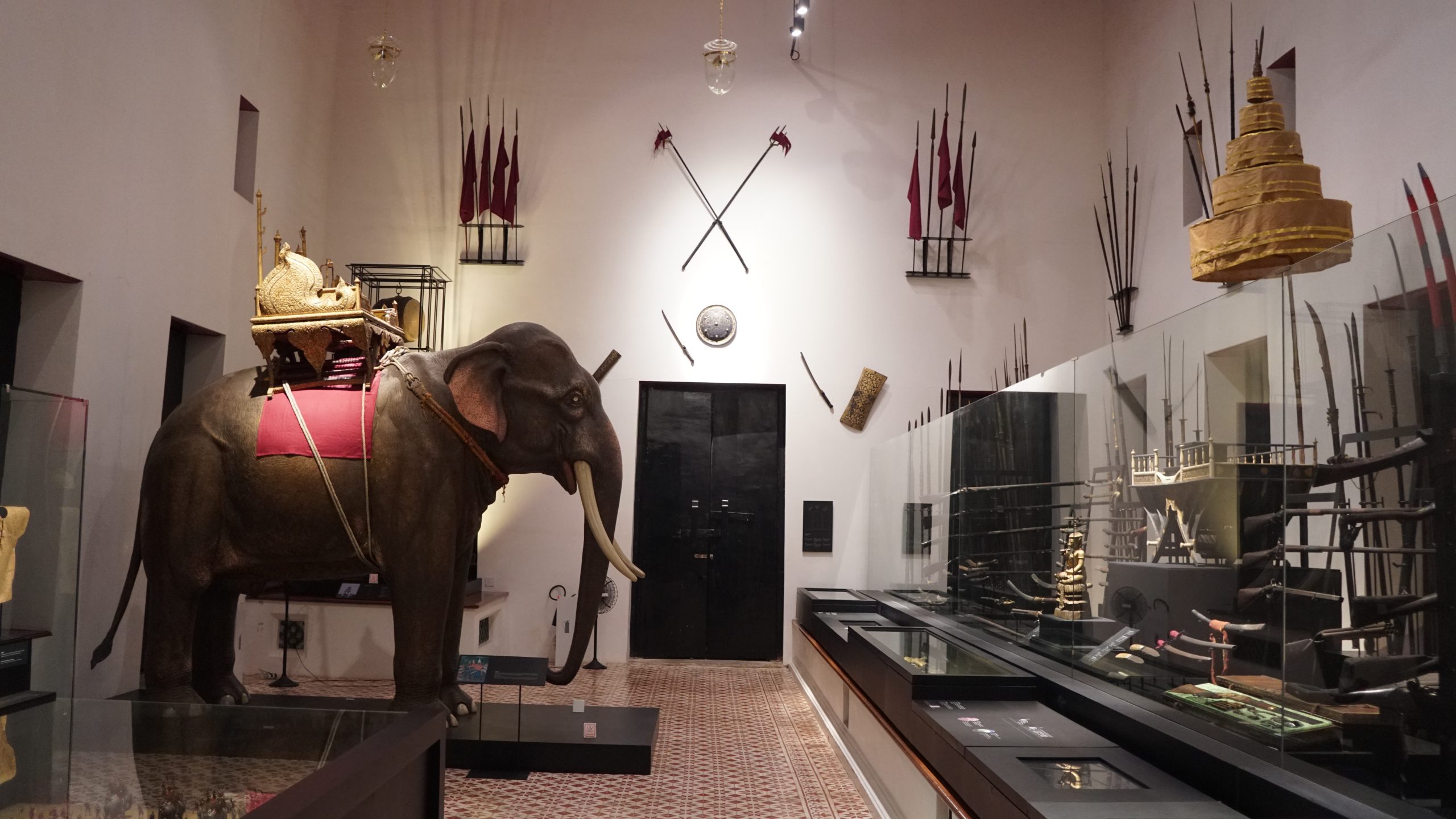
Use the large royal vehicles and ceremonial displays as anchors if you are travelling with someone who gets museum fatigue.
Pair it with one nearby Old City stop rather than trying to cross the whole city afterward.
Move at the speed of the place. If people are worshipping, slow down. If vendors are busy, step aside before choosing. If trains, cyclists or crowds are moving through the same space, make room first and take photos second. That habit improves almost every Thailand visit.
Timing And Route
Go in the morning if you also want the Grand Palace area, because the Old City becomes hotter and slower by early afternoon.
Allow 90 minutes at minimum, and two hours if you want labels, courtyards and photography pauses.
Dress neatly and follow room-by-room photo rules, especially in religious or conservation-sensitive spaces.
Sanam Luang, Tha Chang and the river piers make the area flexible, but taxis can crawl during peak heat and school traffic.
For most readers, the smartest version of this visit is a half-day plan rather than a full-day commitment. Put Bangkok National Museum at the centre, then choose one meal, one nearby walk or one onward transport link. More stops can sound efficient on paper, but Bangkok and provincial Thailand often reward a cleaner route.
Who It Suits
This is a good fit for travellers who want a calm foundation for understanding Thai art before visiting the Grand Palace, Wat Pho or the riverside temples. It also works for repeat visitors who already know the headline stops and want a more specific plan with fewer wasted transfers.
It is less useful for readers who want a fully packaged experience with every variable removed. Opening hours, weather, queues, worship activity, road traffic and local events can all change the feel of the visit, so keep enough flexibility to adjust without spoiling the day.
Pair It With
For a stronger route, pair this with Museum Siam guide, BACC guide and Grand Palace guide. These links keep the next step related, so you are building a coherent day instead of jumping between unrelated parts of the map.
Before You Go
Check the official or primary source and supporting source before making a special trip. Hours, access, fees, transport details and event conditions can change, especially around public holidays, ceremonies, school breaks and heavy rain.
Bring the basics that make Thailand days easier: water, small cash, sun protection, a charged phone and enough patience for small delays. The best visits usually come from being prepared without over-scheduling every minute.
FAQ
How long should I allow?
Most readers should allow 60 to 120 minutes at the main stop, then add time for meals, transport and one nearby pairing. Rushing usually makes the visit feel smaller than it is.
Is it better in the morning or evening?
Morning is usually easier for heat, photos and crowd control. Evening can be better for food, shopping and atmosphere, but transport and closing times need more attention.