
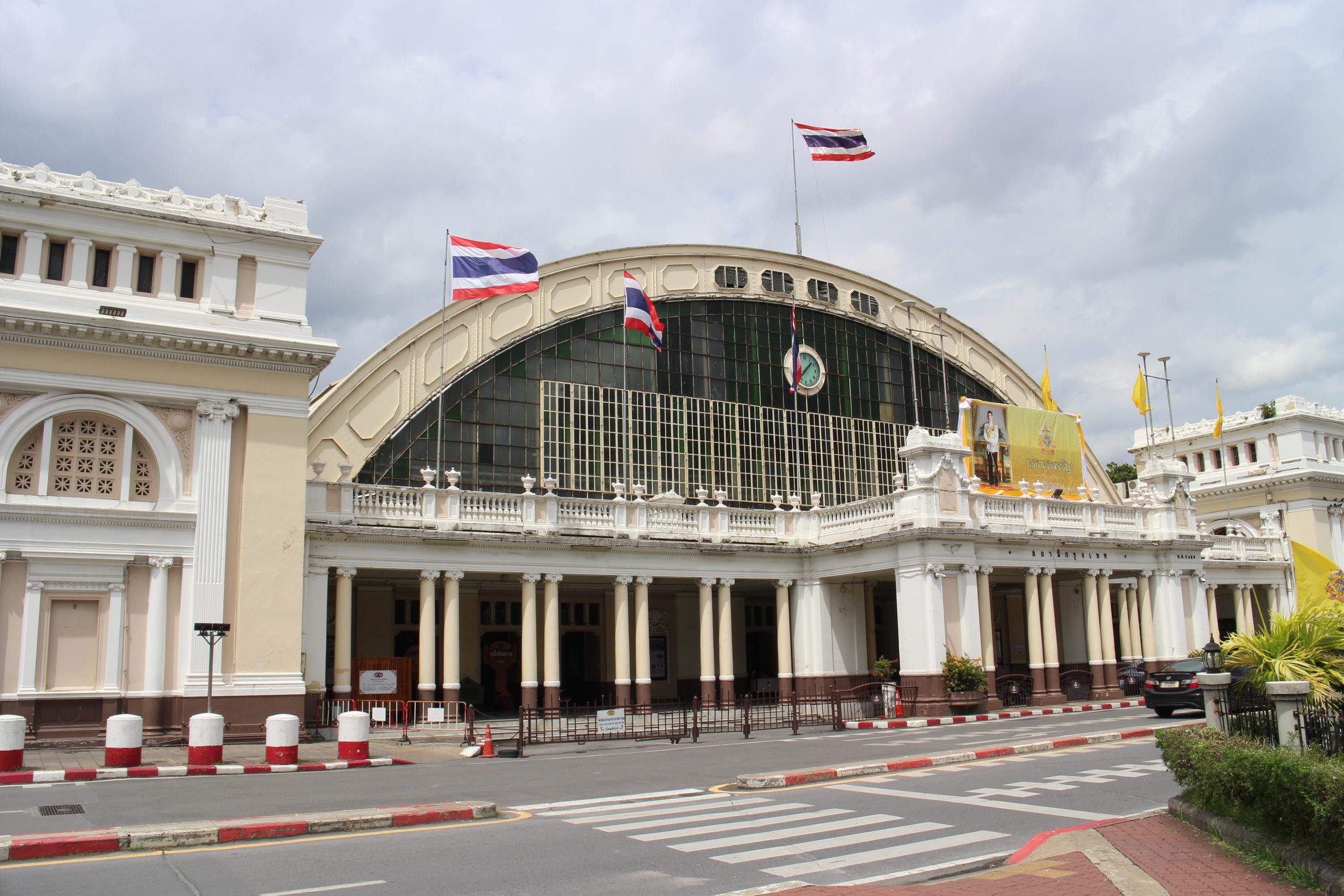
Hua Lamphong Station works best when you treat it as a working heritage rail stop that pairs naturally with Chinatown and MRT travel. It is easy to arrive, take a few photos and leave, but the better visit starts with a small plan: what you want from the stop, how much heat or crowding you can handle and where you are going next.
Why Go
Hua Lamphong is no longer Bangkok’s main long-distance rail gateway, but it remains one of the city’s most atmospheric transport landmarks
It connects easily to the MRT and sits close to Chinatown, Talat Noi and old canal walks
The station’s value now is both practical and visual: a place to understand old Bangkok movement without pretending the rail map has not changed
The strongest reason to go is not that Hua Lamphong Station appears on a list. It is that the stop gives you a clearer read on Thailand in a specific way: through food, transport, art, worship, green space, shopping, paperwork or memory. That specificity is what separates a useful guide from a generic pin on a map.
A second reason is control. When you understand the basic route, etiquette and timing before arrival, you spend less energy solving avoidable problems and more energy actually noticing the place. That matters in Thailand, where heat, traffic and crowds can quickly turn a simple stop into a tiring one.
What To Do
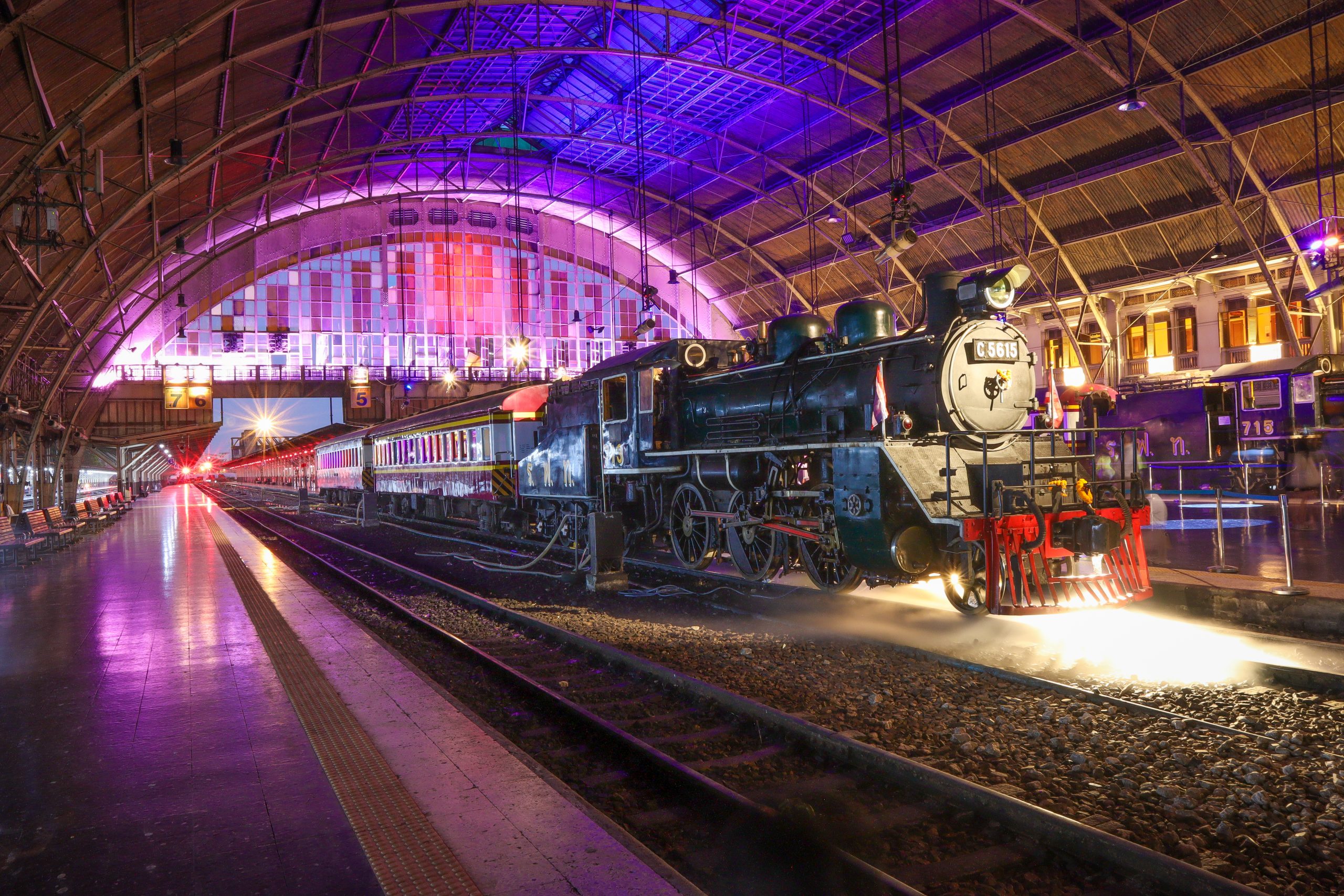
Start in the main hall, then move to permitted platform areas only if trains and staff flow make that sensible
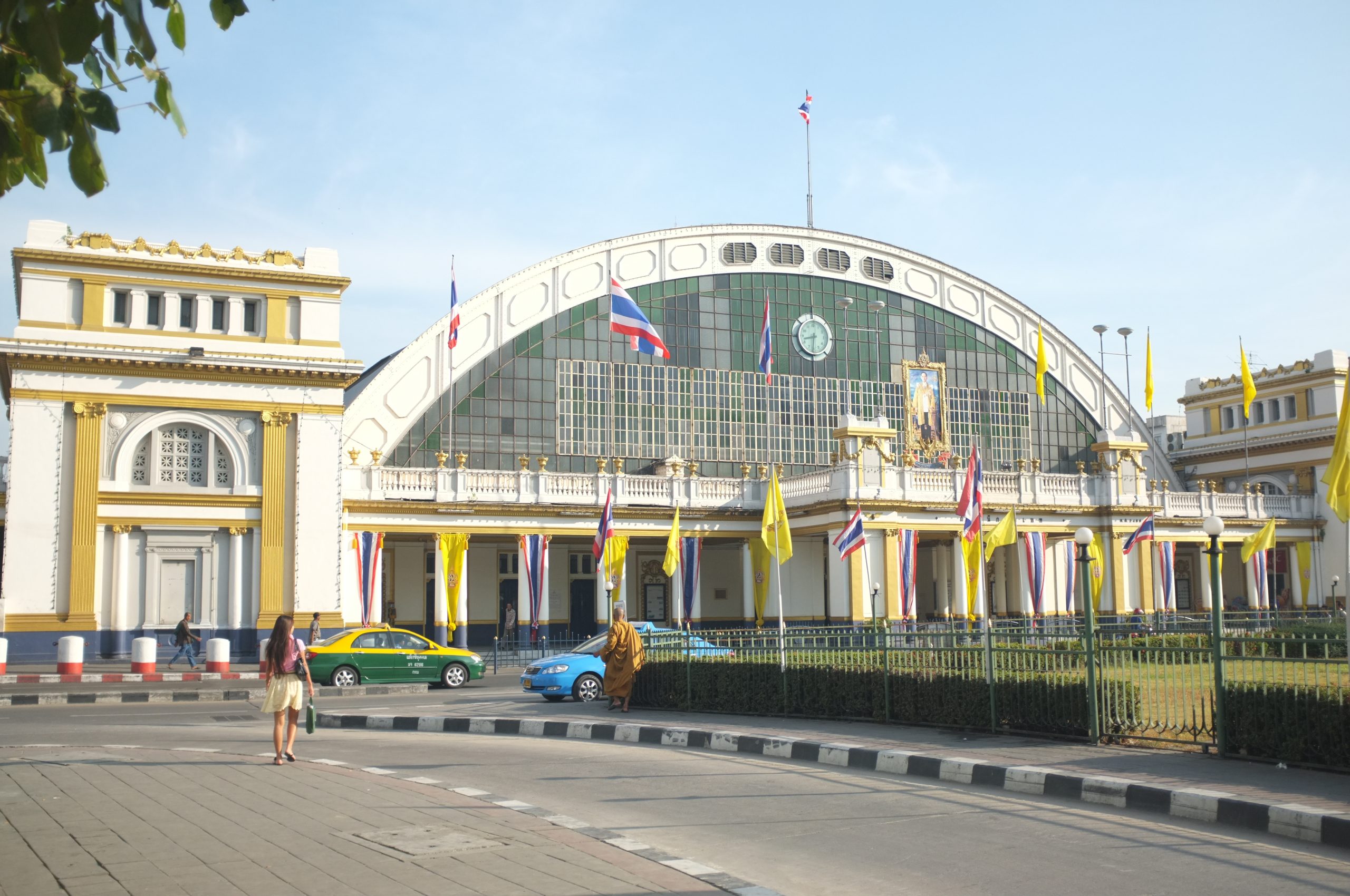
Look at the facade from outside before going in; the arched roof and clock read better from distance
Use it as a Chinatown gateway rather than a standalone attraction if you have limited time
Confirm any train-specific plan with the State Railway of Thailand before assuming your route starts here
Move at the speed of the place. If people are worshipping, slow down. If vendors are busy, step aside before choosing. If trains, cyclists or crowds are moving through the same space, make room first and take photos second. That habit improves almost every Thailand visit.
Do not try to extract every possible detail from the stop. Choose two or three things to notice properly, then leave room for ordinary moments: the way locals order, how staff manage the space, where shade falls or which route people naturally take.
Timing And Route
Morning light is easier for photos; late afternoon works if dinner in Yaowarat is the next move
MRT Hua Lamphong is the cleanest arrival because road traffic around Rama IV and Chinatown can be slow
Stay clear of platform edges and operational areas, even when the atmosphere feels relaxed
Many major long-distance services use Krung Thep Aphiwat, so check the terminal before buying tickets or meeting someone
For most readers, the smartest version of this visit is a half-day plan rather than a full-day commitment. Put Hua Lamphong Station at the centre, then choose one meal, one nearby walk or one onward transport link. More stops can sound efficient on paper, but Bangkok and provincial Thailand often reward a cleaner route.
If you are visiting during the rainy season, build in a backup plan nearby. If you are visiting in the hot season, protect the first two hours of the day and avoid long exposed walks after lunch. These small choices do more for comfort than any perfect itinerary.
Who It Suits
This is a good fit for travellers who want a working heritage rail stop that pairs naturally with Chinatown and MRT travel. It also works for repeat visitors who already know the headline stops and want a more specific plan with fewer wasted transfers.
It is less useful for readers who want a fully packaged experience with every variable removed. Opening hours, weather, queues, worship activity, road traffic and local events can all change the feel of the visit, so keep enough flexibility to adjust without spoiling the day.
Pair It With
For a stronger route, pair this with Bangkok to Chiang Mai travel comparison, Yaowarat street food guide and Ong Ang Canal guide. These links keep the next step related, so you are building a coherent day instead of jumping between unrelated parts of the map.
Before You Go
Check the official or primary source and supporting source before making a special trip. Hours, access, fees, transport details and event conditions can change, especially around public holidays, ceremonies, school breaks and heavy rain.
Bring the basics that make Thailand days easier: water, small cash, sun protection, a charged phone and enough patience for small delays. The best visits usually come from being prepared without over-scheduling every minute.
FAQ
How long should I allow?
Most readers should allow 60 to 120 minutes at the main stop, then add time for meals, transport and one nearby pairing. Rushing usually makes the visit feel smaller than it is.
Is it better in the morning or evening?
Morning is usually easier for heat, photos and crowd control. Evening can be better for food, shopping and atmosphere, but transport and closing times need more attention.