

Thailand property buyers often focus on purchase price, transfer fees and common-area costs, then forget recurring tax administration. The Revenue Department English site is the right starting point for tax context, while local authorities and building juristic offices often handle practical bill notices.
This guide is not personal tax advice. It is a practical checklist for readers who own, are buying, or are comparing Thai condos and want to avoid being surprised by a small but important ownership cost.
Why Go

The reason this matters is simple: property ownership in Thailand is not only the headline price. Buyers also need to understand recurring costs, who receives notices, which documents prove payment and how tax interacts with building administration.
For condo buyers, land and building tax can be easy to miss because many costs are discussed separately: common fees, sinking fund, utilities, insurance, transfer fees and agent commission. Tax notices sit in a different mental bucket.
The exact amount depends on property use, valuation, exemptions and local handling. That is why a checklist is more useful than a single number copied from a forum.
Use this guide beside Properties, Money and Nomads coverage when comparing ownership against long-term renting.
What To Expect
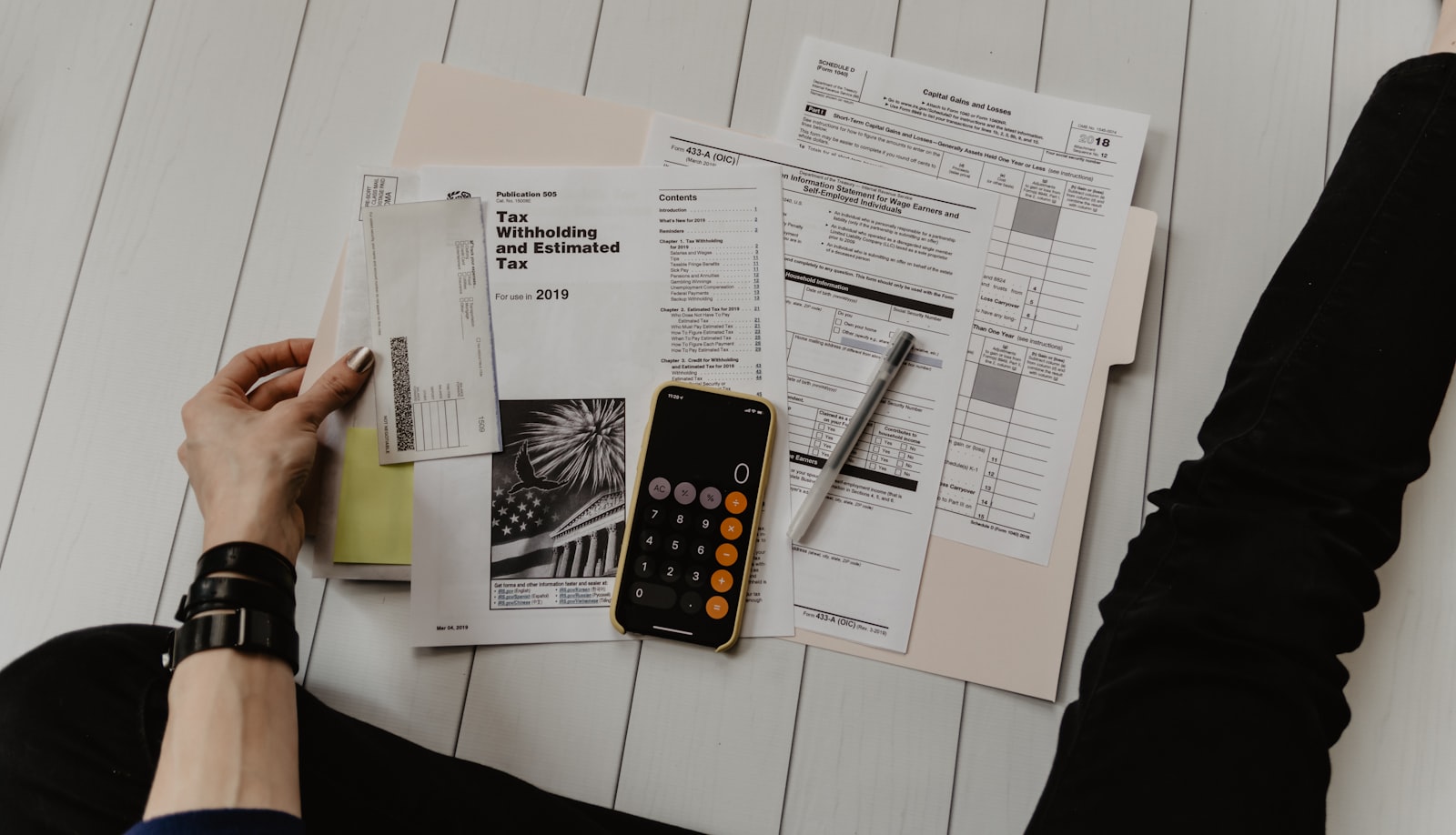
Expect the practical process to involve more than one party. A condo owner may hear from the juristic office, local district channels, an accountant, a property manager or the seller during due diligence.
Documents matter. Keep copies of title deed details, house registration where relevant, sale contract, tax receipts, juristic-person statements and any power-of-attorney documents used by a manager.
If the property is rented, held by a company, left vacant or used differently from a normal residence, ask for professional advice. Usage can matter, and assumptions made during purchase may not match tax treatment later.
For foreign owners, the main risk is not understanding Thai notices or relying on an agent long after the sale. Build a system so annual bills, common fees and tax documents reach you even when you are outside Thailand.
How To Plan
During purchase due diligence, ask the seller or developer for evidence that property-related taxes and common fees are current. Do not wait until transfer day to discover an unpaid balance.
After transfer, confirm with the juristic office how notices are distributed, which address is recorded, whether email is available and when owners normally receive reminders.
If you use a property manager, put tax-bill handling in writing. A vague promise to take care of everything is not a system.
Review the total holding cost annually: common fees, sinking fund calls, repairs, insurance, property tax, management fees and vacancy periods. The final cost of owning is broader than the mortgage or purchase price.
Practical Information
Best for: condo owners, buyers comparing ownership costs and landlords setting up practical admin.
Caution: check current official rules and get professional advice for specific tax positions.
View on Google Maps | View on Apple Maps
Good To Know
The most useful habit is to build an owner file from the first month. Keep digital copies of purchase documents, title information, passport pages used for transfer, juristic-person correspondence, tax receipts, common-fee invoices and repair records. When a bill, resale question or rental issue appears later, the owner with documents moves faster.
Buyers should also ask how the building communicates with owners. Some condos are efficient with email and apps; others still rely heavily on paper notices, lobby boards or Thai-language documents. If you live overseas, communication style is not a small detail. It determines whether you hear about bills before or after they become a problem.
For landlords, tax is only one part of compliance and yield. Rental income, agent fees, vacancies, repairs, insurance, common fees and local admin all affect the real return. A unit can look attractive on purchase price and still feel messy if the owner has no system for recurring obligations.
Before you go, check the current official page or booking channel, then decide what would make the visit successful: timing, transport, price, comfort, photos, food, service or a specific activity. That one priority prevents a Bangkok or Thailand plan from becoming too crowded. It also gives you a clear reason to leave, change course or save the stop for another day if weather, traffic, crowds or availability no longer match the experience you wanted. For paid bookings, take a screenshot of key terms before purchase so you can compare them with the confirmation later.
FAQ
Is this legal advice?
No. It is a planning guide; use professional advice for specific tax positions.
Who sends the bill?
Practical handling can involve local authorities, juristic offices or property managers.
What should buyers request?
Ask for evidence that property-related taxes and common fees are current before transfer.