
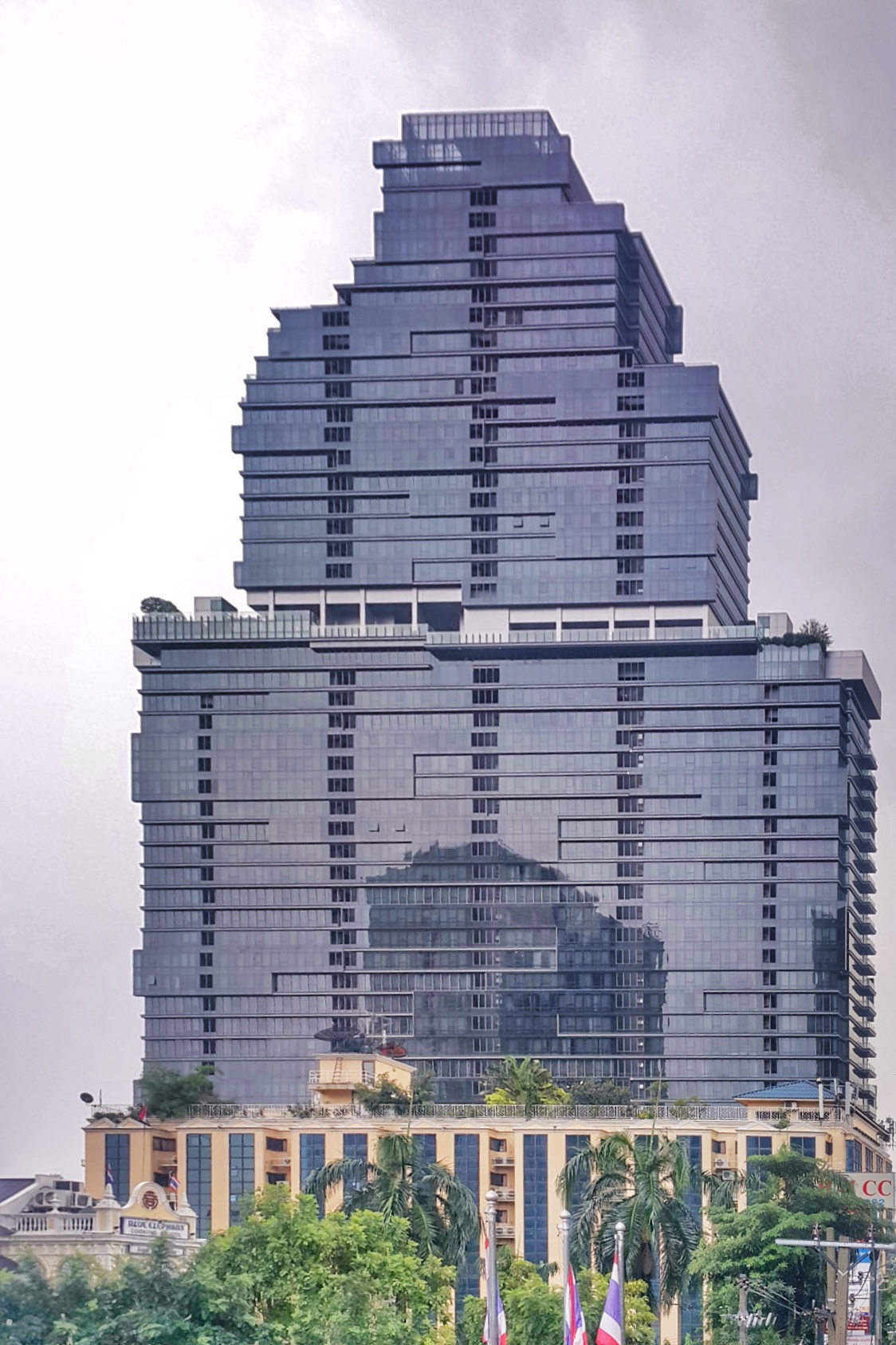
Bangkok condo buyers often focus on price per square metre, BTS distance and view, then treat common fees as a small line item. That is risky. Property sources such as FazWaz explain sinking funds separately from maintenance fees, while legal explainers warn that common-area funding affects the building you actually live in.
The issue is simple: a cheap unit in a poorly funded building may become expensive in comfort, repairs and resale difficulty. A higher monthly fee in a well-run building can be better value than a low fee that leaves lifts, pools and corridors deteriorating.
Why Go
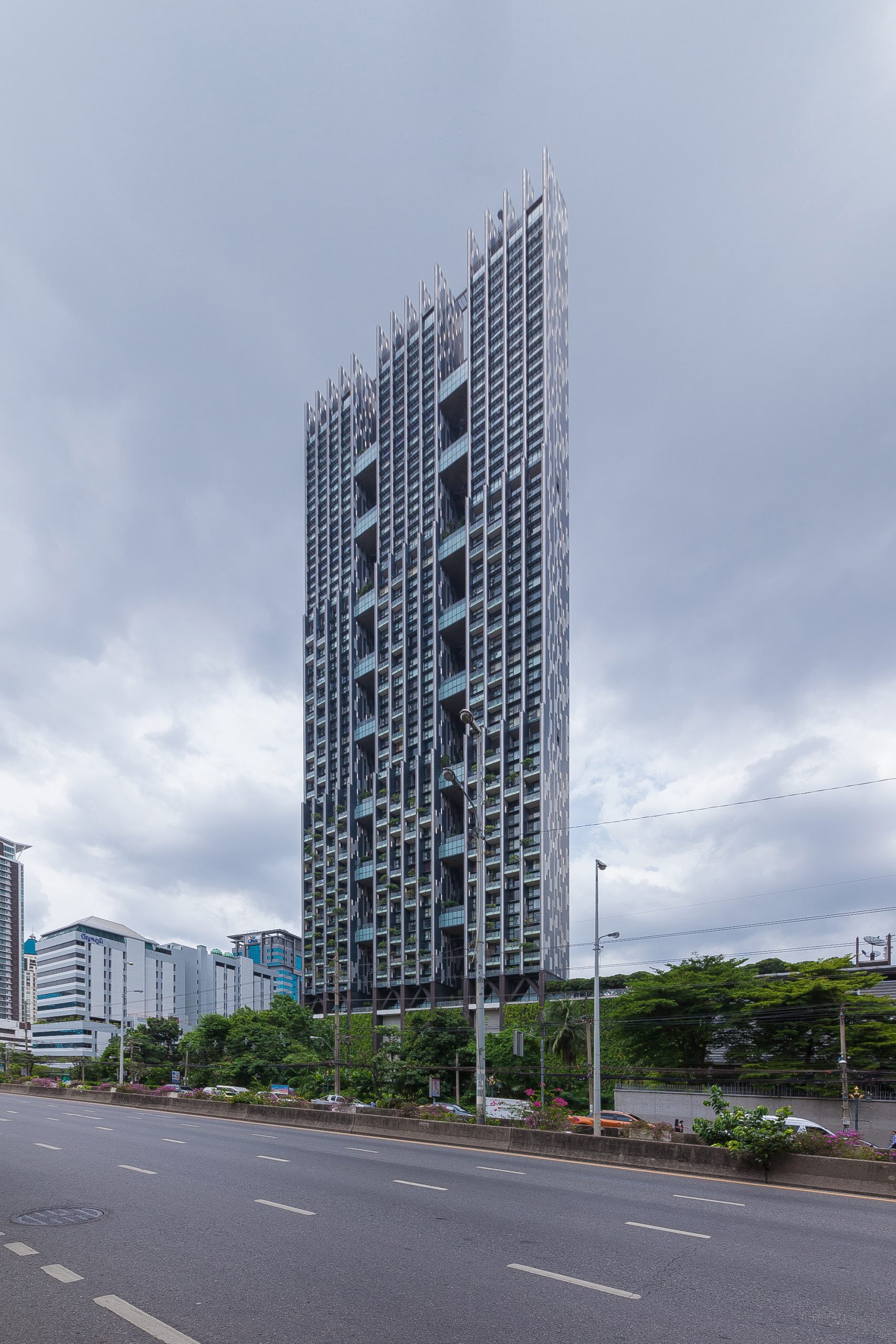
Common fees are not just a bill. They are the shared budget for security, cleaning, lighting, lifts, pools, gyms, gardens, reception areas and building management.
A sinking fund has a different purpose. It is usually a reserve for larger repairs or replacements, such as repainting, structural work, equipment replacement or major common-area fixes.
The numbers also affect renters. Even when the owner pays the common fee, poor collection or weak maintenance can show up as broken facilities, dim corridors, slow repairs and a building that feels worse every month.
Use this guide alongside property coverage, money guides and relocation planning when comparing Bangkok neighbourhoods.
What To Expect
Expect fees to be quoted per square metre, monthly, quarterly or annually depending on the building and how the seller or agent presents the number.
New projects may also collect a one-time sinking fund at transfer. Older buildings may ask for special contributions if the reserve is not enough for major works.
The most important question is not only the fee amount. Ask what the fee covers, how much is unpaid across the building, whether the juristic office has recent audited accounts, and whether big repairs are coming.
Low common fees can be a selling point, but they can also indicate underfunding. Very high fees can be reasonable in luxury buildings, but only if service, maintenance and reserves justify the number.
How To Plan
Before buying, ask for the latest common-fee rate, sinking-fund payment, juristic-person budget, arrears level and recent annual general meeting notes.
Walk the building slowly. Lifts, corridors, parking, fire equipment, pool tiles and lobby staffing reveal more than a polished sales photo.
For resale units, confirm whether the seller has paid all building fees. Unpaid amounts can become a closing-day problem if nobody checks early.
Model the monthly cost honestly. Mortgage, common fee, insurance, repairs, utilities, vacancy and tax assumptions all belong in the same decision, not in separate mental boxes.
Ask for documents, not only verbal reassurance. A serious seller or agent should be able to explain the common-fee rate, payment status, management contact and any known building works.
Compare the monthly fee with building age and facilities. A large pool, multiple lifts, gardens and 24-hour staffing cost money; a low fee in a facility-heavy building may deserve more scrutiny.
Look beyond the unit door. The corridor, lift lobby, parking levels, rubbish room and fire exits reveal whether the shared parts of the building receive regular attention.
For rentals, read the lease carefully. Some landlords include building fees in rent while others pass specific costs to tenants, and assumptions create disputes later.
For purchases, model resale. A building with weak management, unpaid fees or repeated special assessments can be harder to sell even when the private unit looks attractive.
Before setting out, save the address, opening details and one backup option in the same area. Bangkok and provincial Thailand both reward visitors who leave room for traffic, weather, closures and small changes of mood.
After the visit, avoid judging the stop only by whether it matched a photo or list. The better test is whether the timing, route, cost and pace made sense for the kind of day you wanted.
If you are travelling with someone else, agree on the goal before you go. One person may want photos, another may want comfort, and another may care most about price or convenience.
That small agreement helps prevent a common Thailand planning mistake: turning a useful stop into a rushed compromise because the group never decided what success looked like.
When in doubt, choose the plan that leaves everyone less tired at the end of the day.
Give yourself permission to skip the extra stop if the first plan does its job well.
A cleaner schedule usually produces a better Thailand day than one more rushed detour.
Keep the day humane, especially when heat, rain or traffic starts to shape the schedule.
Practical Information
Best for: Bangkok condo buyers, long-stay renters comparing buildings and owners reviewing recurring costs.
Key check: ask the juristic office for current fee status and upcoming capital works before signing.
View on Google Maps | View on Apple Maps
FAQ
What is a condo sinking fund?
It is a reserve used for larger common-property repairs or replacements, separate from regular maintenance fees.
Are common fees always paid by the owner?
Usually the owner is responsible, but rental contracts can allocate costs differently, so tenants should read the lease.
Why do low fees worry buyers?
Low fees may mean underfunding if the building cannot maintain lifts, security, pools, repairs and reserves properly.