
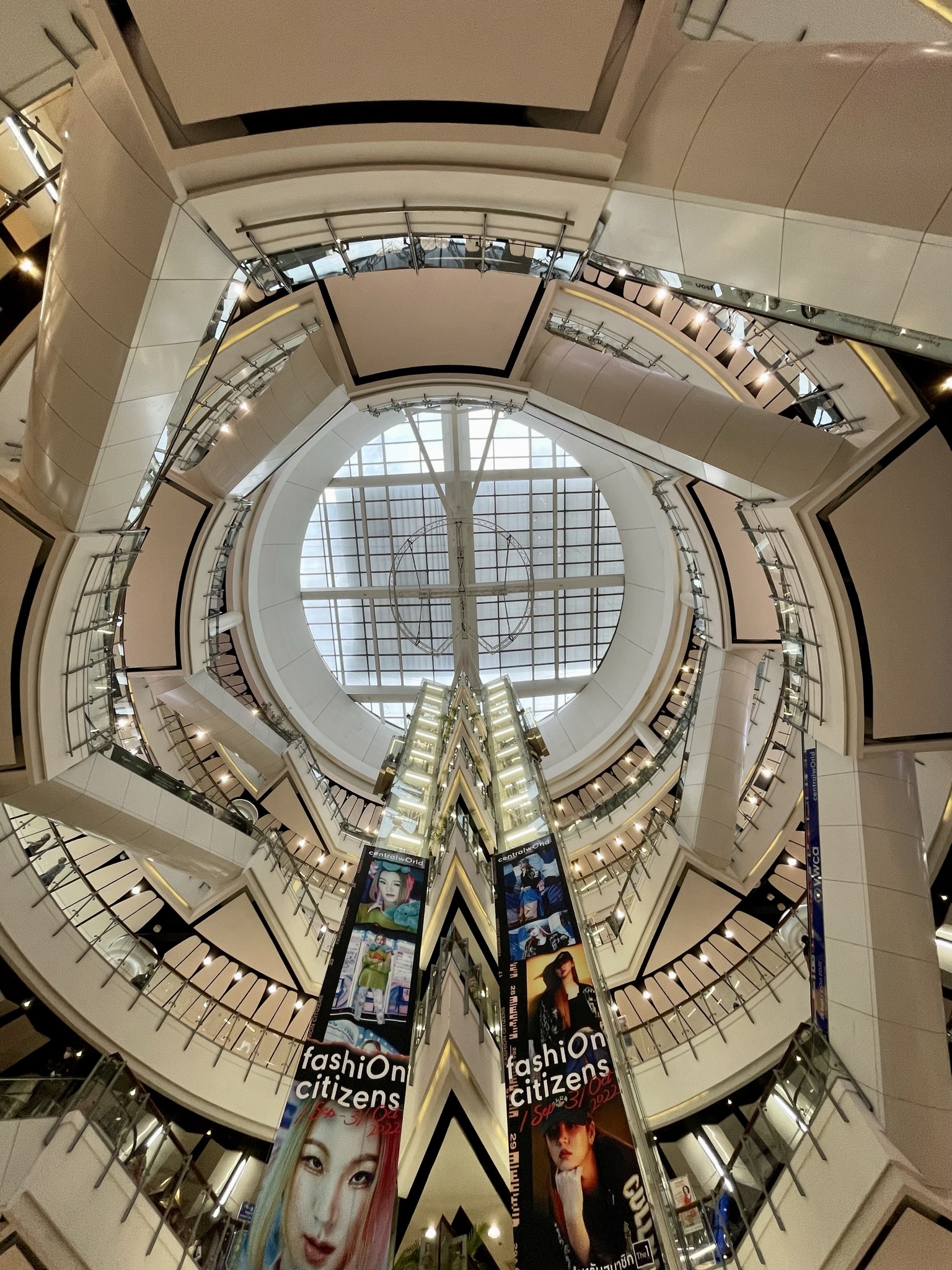
centralwOrld Bangkok Guide is the kind of Thailand stop that rewards a little planning. centralwOrld is the Bangkok mall to use when you need size, food choice, skywalk access and weatherproof flexibility in one stop.
Why Go
The official centralwOrld site describes it as Bangkok’s largest shopping complex, with shopping, dining and entertainment in the Ratchaprasong core.
Its practical value is the connection pattern: BTS Chit Lom or Siam, the Ratchaprasong skywalk, hotel corridors, offices, food halls and seasonal event space all meet within a walkable zone.
Best Fit
Go with a clear reason rather than a long wish list. A focused visit is easier to enjoy, especially in Bangkok where heat, traffic and short opening windows can turn a simple plan into a rushed one.
If you are pairing this stop with another neighbourhood, choose the closest rail station, pier or main road first, then decide whether a taxi is worth the extra transfer time.
Timing
Weekdays usually feel calmer than weekends. Early starts help for markets and parks, while late afternoon works better for hotels, temples and shopping stops where light and traffic matter.
Rainy-season planning should be practical rather than pessimistic. Carry a small umbrella, keep one indoor backup nearby and avoid tight ferry or airport connections after a long outdoor stop.
Getting There
For Bangkok locations, check the nearest BTS or MRT station before booking a car. For islands and resorts, confirm pier, boat and transfer details directly with the operator.
If travelling with children, older relatives or heavy luggage, prioritise shade, toilets, lifts and short walks over the most photogenic route.
What To Check
Prices, opening hours and inclusions can change without much notice. Official pages and direct messages are worth checking the day before, especially around public holidays.
Keep screenshots of bookings, maps and Thai-language names. They help with taxis, hotel desks and market vendors when mobile signal or translation apps are slow.
Final Take
Plan centralwOrld as a flexible indoor anchor when rain, heat or mixed group interests make outdoor sightseeing harder. Use the guide as a planning filter rather than a script: confirm opening hours, booking rules and weather or transport conditions close to the day, then leave enough room for the small delays that make Thai travel feel different from a spreadsheet.
For most readers, the difference between an average visit and a useful one is not an extra checklist item; it is choosing the right time of day, arriving with realistic expectations, and knowing what can be paired nearby without rushing. Build the plan around one clear anchor, then add food, coffee, shopping or transport around it only if the route stays simple. That approach keeps the day flexible, reduces taxi time, and makes the subject easier to enjoy on its own terms.
A useful way to plan this stop is to decide what would make the visit feel successful before you arrive. For a market, that may be one breakfast dish and a short walk. For a hotel, it may be a room layout, pool hour or rail connection. For a temple or park, it may be timing the light and avoiding the harshest heat. Keep the goal narrow and the visit will feel calmer.
Neighbourhood context matters in Thailand because the best plan is often built from nearby pieces. Look at the map in clusters: where you will eat, where you can cool down, where the nearest train, pier or main road sits, and whether the next stop genuinely belongs in the same half-day. A shorter route with one strong anchor usually beats a list of places that look close online but require awkward transfers.
Travellers should also check the small practical details that rarely appear in glossy photos. Opening windows, dress rules, child policies, pet policies, ferry timing, cash-only vendors, toilet access, shade, luggage storage and return transport can all change the day. A quick direct check with the venue, hotel, operator or official page is more useful than relying on an old screenshot.
Budget planning should stay realistic. Even when entrance is free or the main activity is inexpensive, the full cost can include taxis, drinks, service charges, lockers, tips, boat transfers, card fees or a more expensive meal nearby because the route leaves few alternatives. Build a little buffer into both time and money so the stop remains enjoyable if conditions shift.
Finally, think about who is travelling with you. A solo visitor can improvise, but couples, families and mixed-age groups need more comfort built into the route. Agree on the must-do part, set an easy meeting point, and keep the exit plan simple. That small preparation makes the visit feel intentional without turning it into a rigid tour.
If the stop becomes busier, hotter or wetter than expected, cut the weakest add-on rather than rushing the main reason you came. Thailand rewards flexible pacing: one well-timed visit, a good meal and an easy transfer often feel more memorable than three hurried stops joined by traffic.