
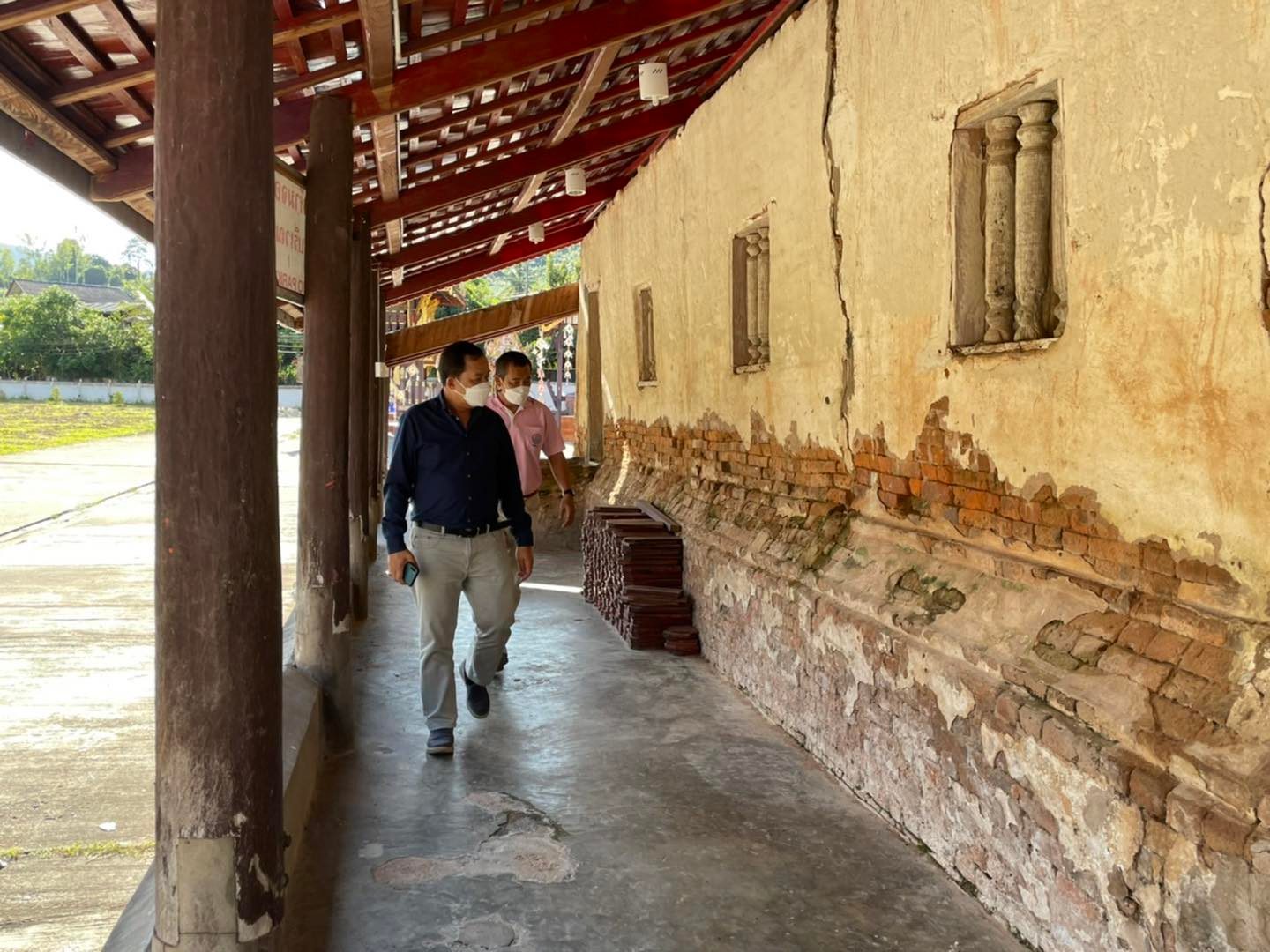
Wat Si Pho Chai stands in Ban Saeng Pha, Na Haeo district, close to Thailand’s northern Loei border country. The Fine Arts Department records it as a historic site and has documented conservation inspections there. Local tradition places the temple’s origins more than four centuries ago, while its architecture carries the proportions and decorative character associated with the Lan Xang cultural world.
The temple works best as a quiet heritage stop rather than a rapid photo call. Walk the grounds slowly, look at the roof line and timber details, and remember that the buildings remain part of community religious life. Na Haeo’s roads and weather reward daylight planning, especially in the rainy season or cool months when mist can reduce visibility.
Read The Setting
Saeng Pha is a rural community, and the temple’s meaning comes partly from that setting. Notice how the religious buildings sit within village space rather than a monumental city complex. Keep voices low and avoid blocking entrances, paths or areas used by local worshippers.
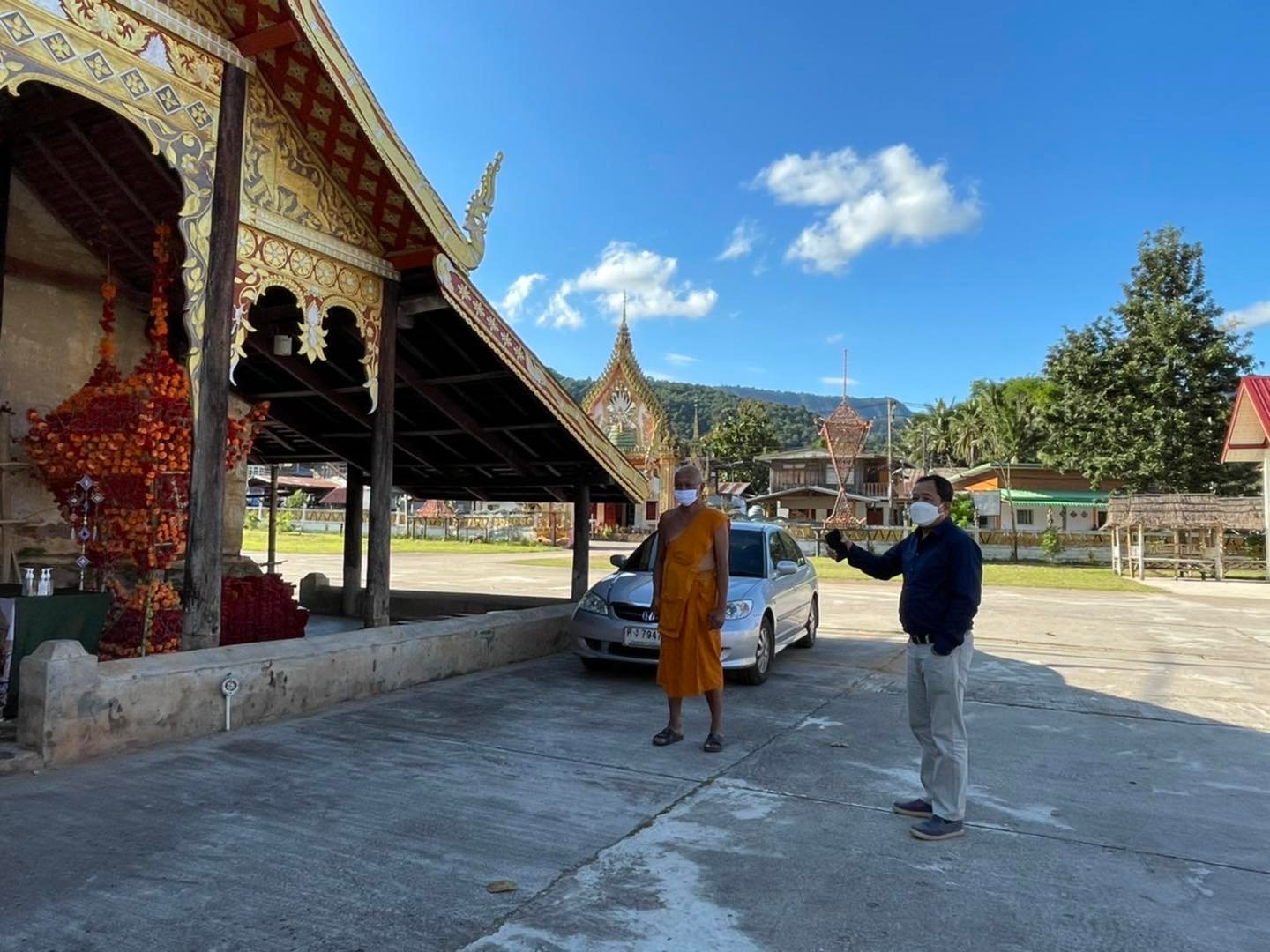
Look At Form
Lan Xang influence can be read through the building’s low, balanced proportions, layered roof and regional ornament. Details may have been repaired across generations, so avoid treating every visible surface as belonging to one date. Conservation is an ongoing relationship between historic fabric, craftsmanship and active use.
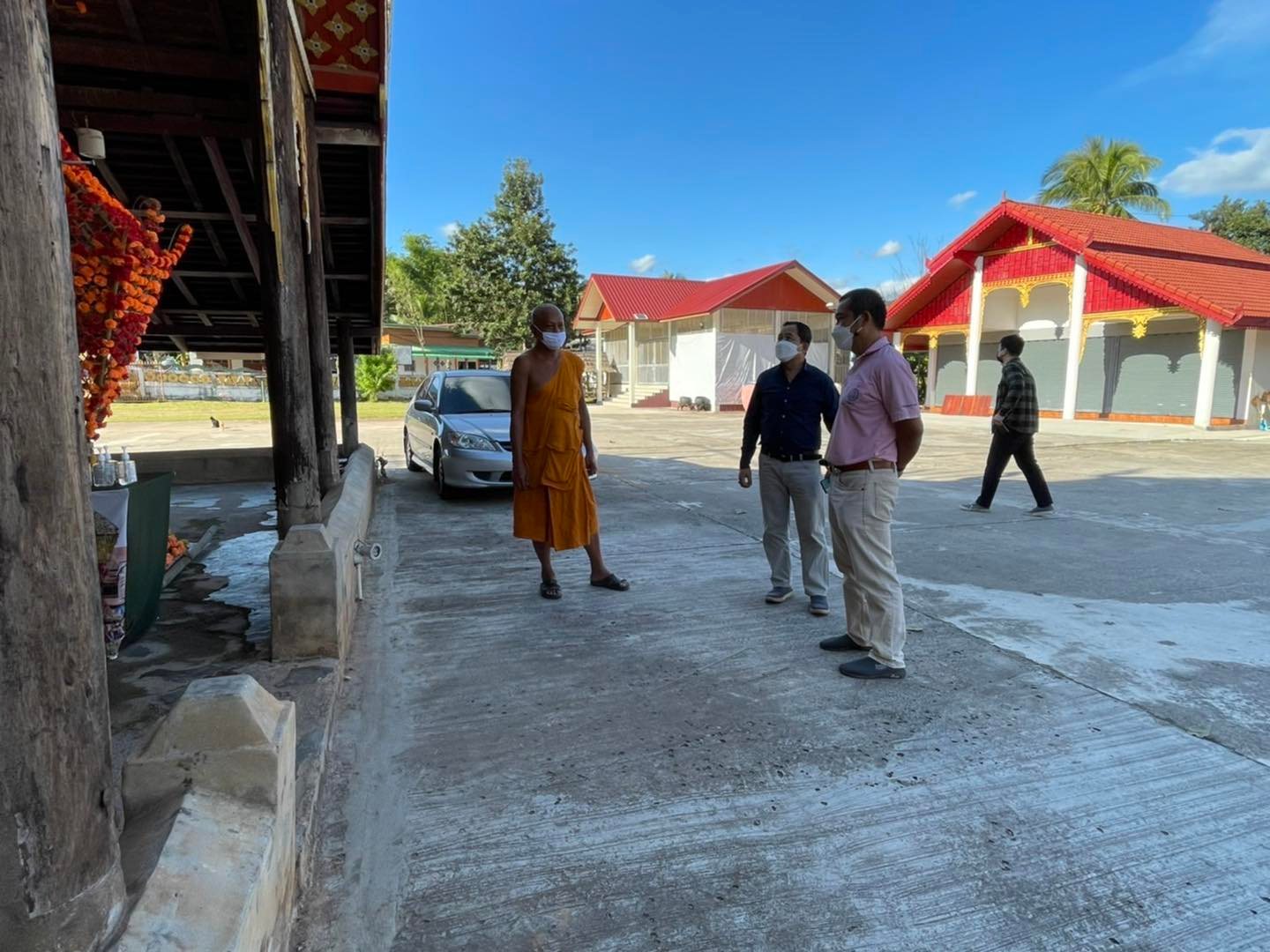
Dress For A Temple
Cover shoulders and knees, remove shoes where required and place feet away from Buddha images or people. Ask before photographing monks, ceremonies or worshippers. A camera does not create permission, and a quiet moment of observation is often more memorable than a crowded composition.
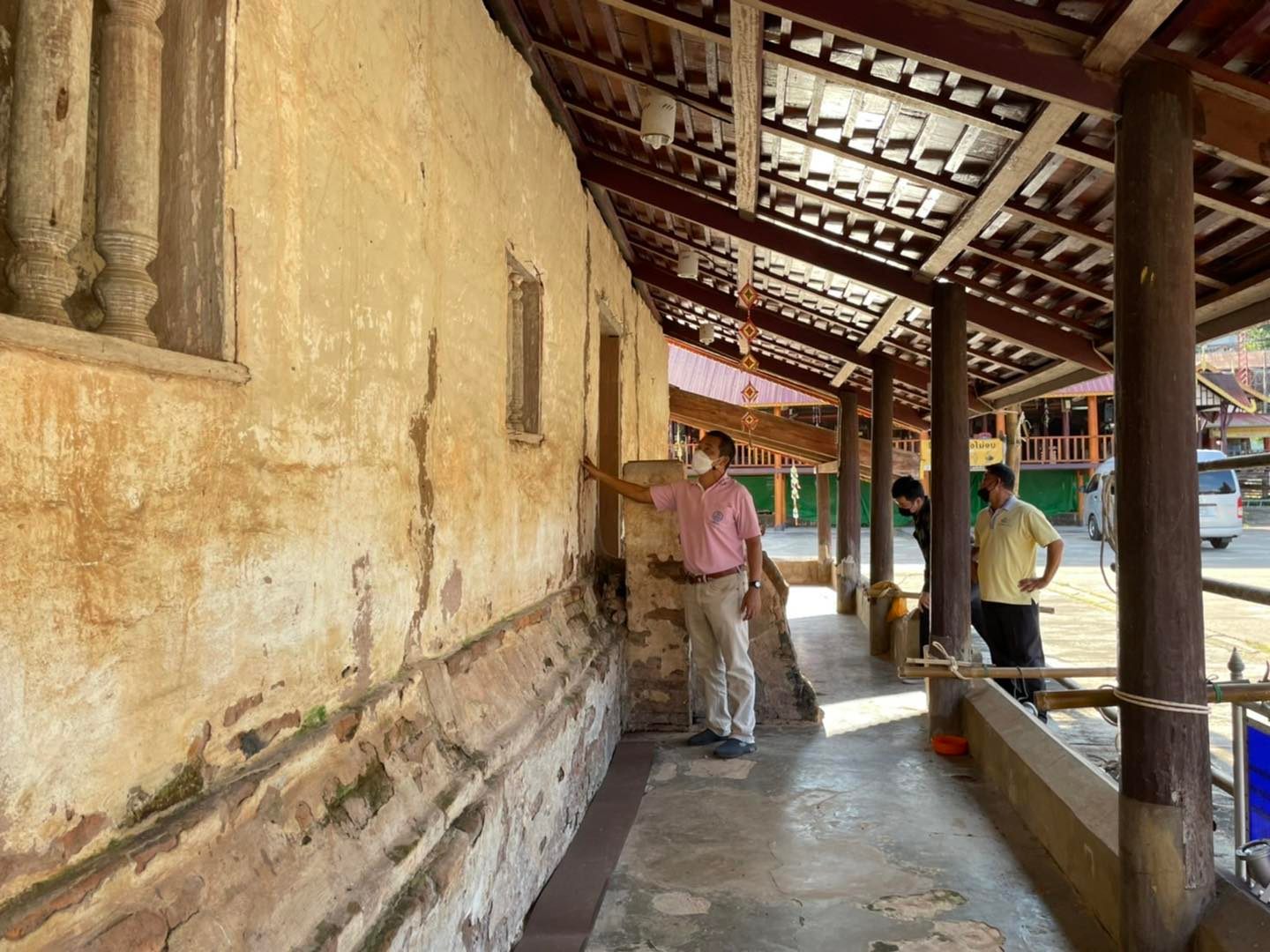
Check Access
Road travel is the practical way to reach Na Haeo and Saeng Pha. Download the map before entering areas with weaker reception, refuel early and avoid scheduling the last mountain section after dark. Confirm local opening access through accommodation or tourism contacts if the visit is central to the trip.
Plan For Weather
Rain can make rural roads slower, while cool-season fog changes visibility in the hills. Carry a modest rain layer, water and shoes that can be removed easily without becoming slippery. Build enough time into the itinerary that a cautious drive does not feel like a delay.
Combine Thoughtfully
A Na Haeo itinerary can include community landscapes and other Loei heritage or nature stops, but distances should be judged by road time rather than kilometres. One well-observed temple and a local meal can be more rewarding than racing between several districts.
Support The Place
Use local food, guides or accommodation where practical and follow any donation guidance displayed at the temple. Do not touch murals, timber or sacred objects, and never move items for a clearer photograph. Responsible spending and gentle behaviour help heritage remain useful to the community that protects it.
Understand Conservation
A Fine Arts Department record confirms formal heritage attention, but conservation does not freeze a living temple in one moment. Repairs may use new material alongside old work so the site can continue serving the community. Do not criticise visible change without local knowledge, and never test a surface by touching it.
Learn A Few Words
A polite Thai greeting and a quiet request for permission can make a rural visit easier. If a local person explains a feature, listen without turning the exchange into an interrogation. Translation apps help with simple questions, but should not be used to record private conversations without consent.
Keep Expectations Modest
Facilities may be simple, signage may be mainly Thai and a caretaker may not be waiting for visitors. Carry what you need, use toilets before a long rural leg and avoid expecting guided interpretation on demand. The reward is the temple’s setting and continuity, not a packaged attraction.
Keep Planning
Continue with Culture, Travel, Deals on The Finest Thai.
Questions
Is Wat Si Pho Chai an active temple?
Yes. Visit as a place of worship as well as a heritage site.
How old is it?
Community tradition places its origins more than four centuries ago, while individual elements may reflect later repairs.
Can I photograph inside?
Follow posted rules and ask before photographing people, ceremonies or restricted interiors.
Do I need a car?
Road transport is the practical option for most visitors to rural Na Haeo.
Practical Information
- Location: Ban Saeng Pha, Na Haeo district, Loei.
- Significance: Protected historic temple with Lan Xang-influenced architecture.
- Context: An active religious and community site.
- Access: Plan a daylight road journey and confirm local conditions.
- Heritage record: Read the Fine Arts Department record
- Route planning: Review the TAT Loei itinerary
- Map: Open in Google Maps