
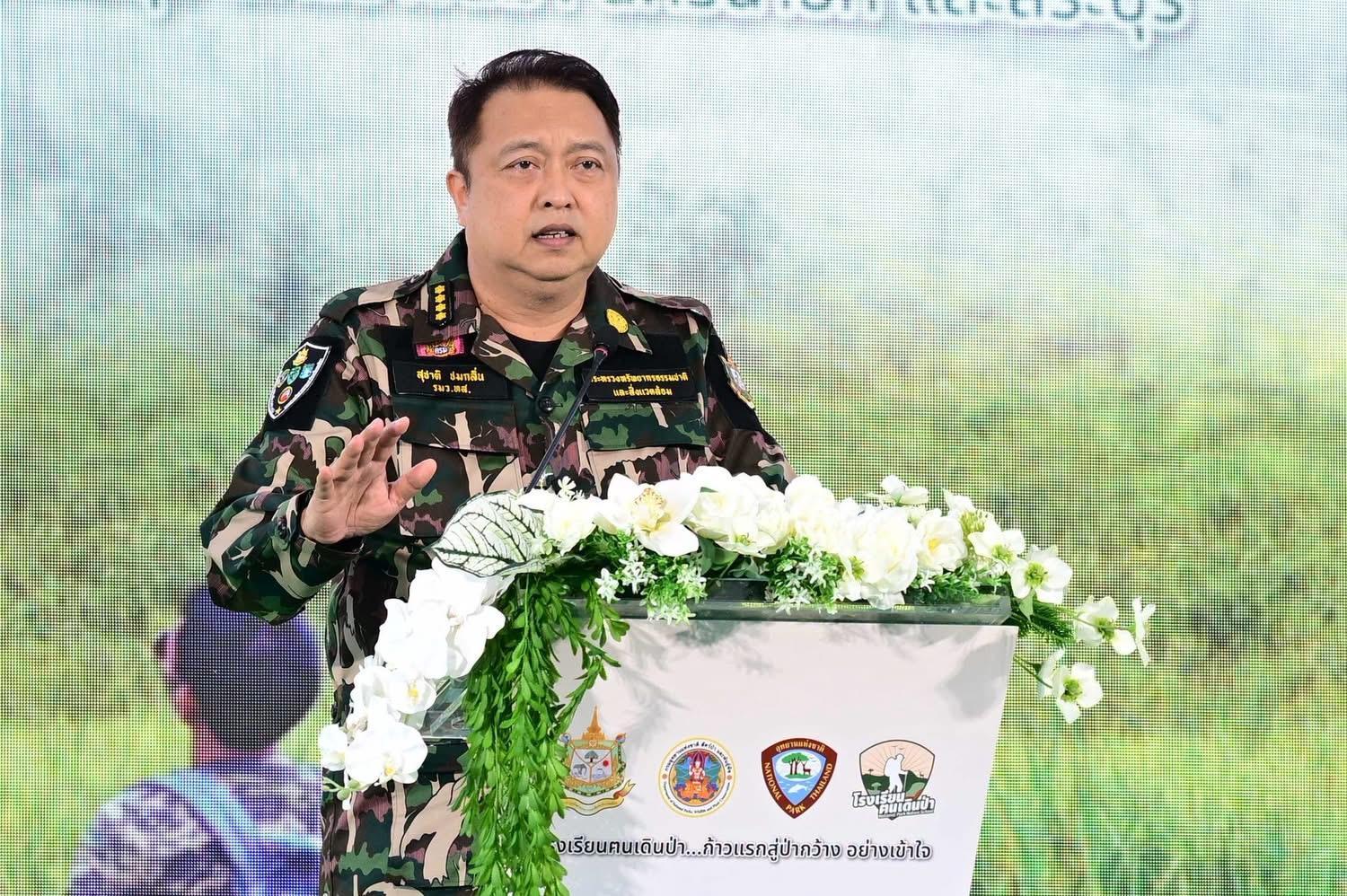
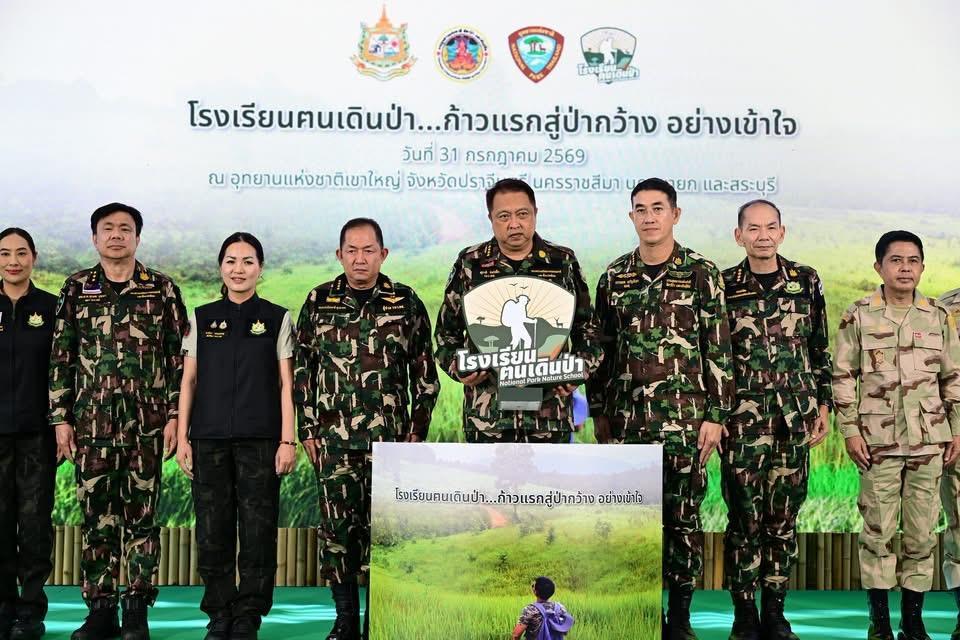
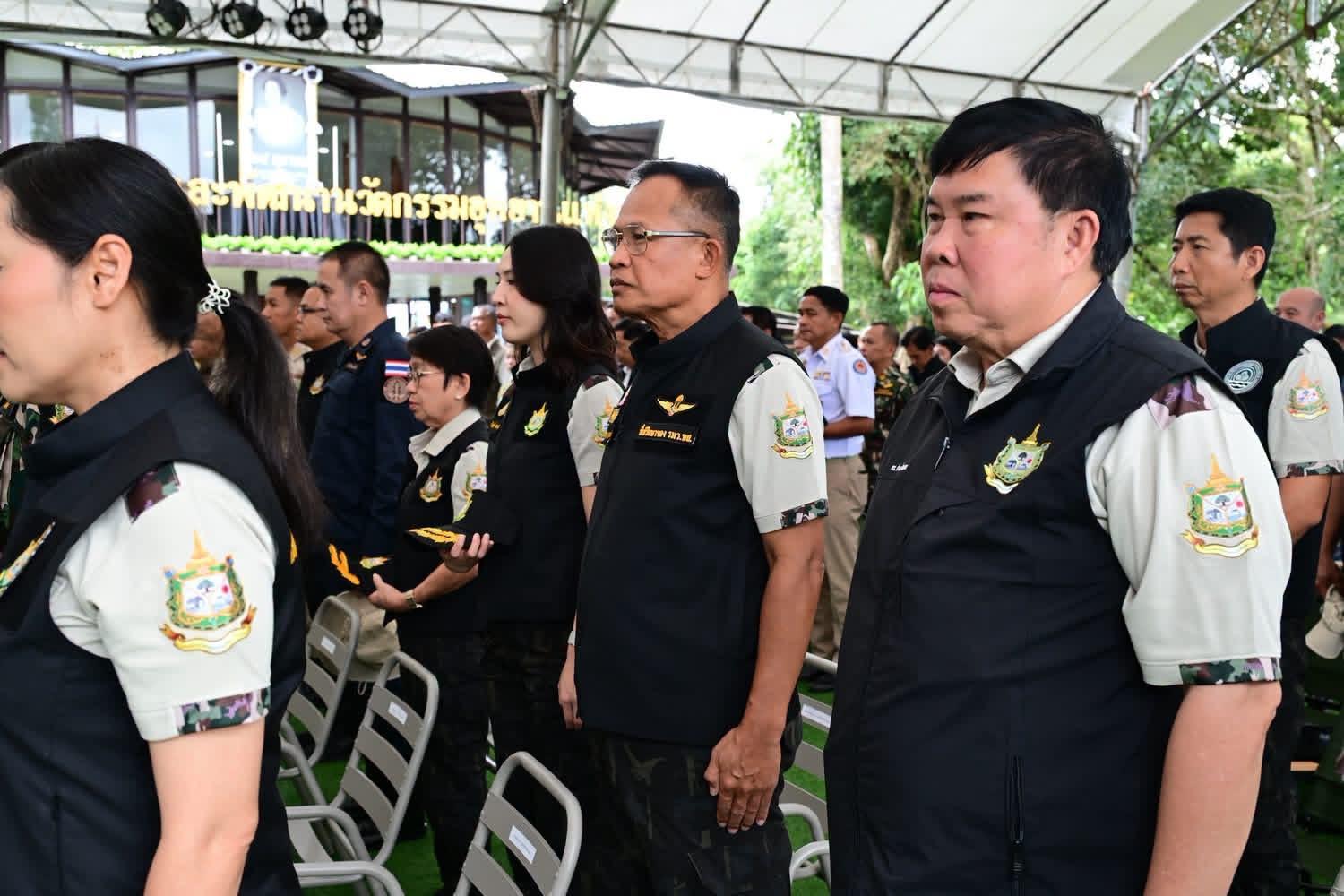
Thailand’s Department of National Parks, Wildlife and Plant Conservation has launched a national hiking-school initiative known as Khon Doen Pa, roughly meaning people who walk the forest. The Khao Yai pilot trained 175 instructors across five cohorts, with lessons around route safety, natural interpretation and Leave No Trace principles. The department also announced support for classrooms across national and forest parks.
For travellers, the important point is not that every park now sells a standard public course. The announcement describes instructor training and a wider rollout, while local availability, route level and booking process remain park-specific. Contact the destination park directly before arranging transport, and do not treat a general national announcement as a confirmed reservation.
Understand The Aim
Khon Doen Pa is designed to make forest travel safer and more responsible, not to create an extreme-sport badge. The programme links navigation, risk awareness, interpretation and low-impact behaviour. A useful course should help a walker judge when to continue, when to turn around and how to reduce damage to the trail rather than simply increase confidence.
Check The Park
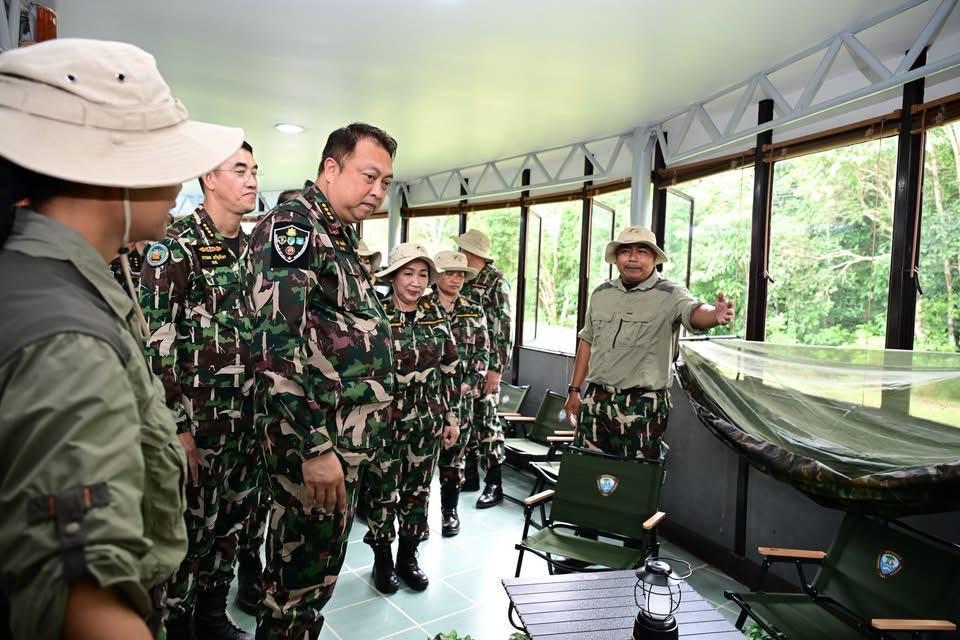
Ask whether the park currently runs a public class, who can join, which language is used and whether completion is required for a specific route. Request the official booking channel and fee. A Facebook announcement from another park or an old cohort does not establish availability. Record the ranger station’s current phone number and opening days.
Match The Level
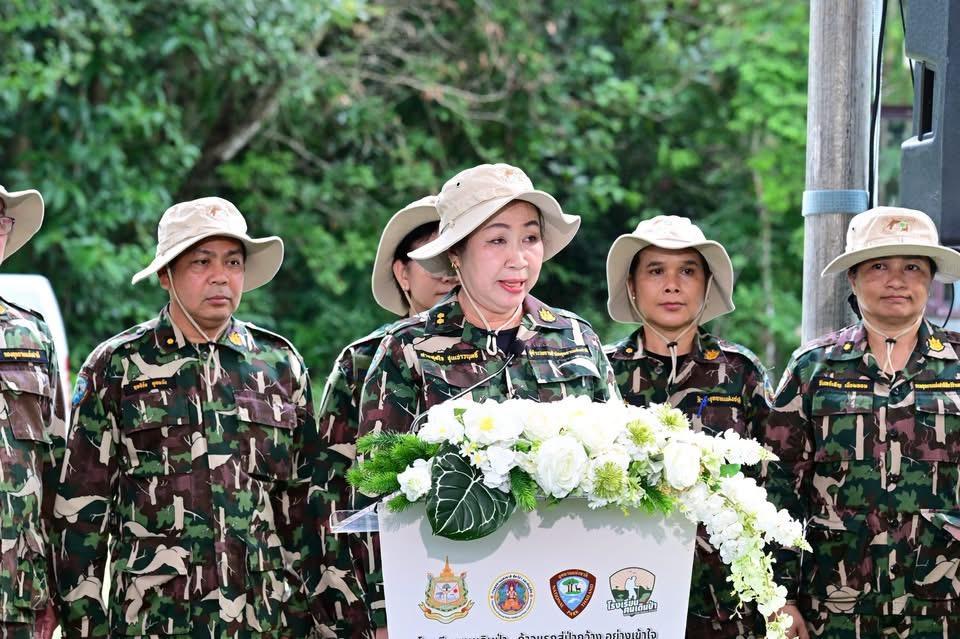
Describe your recent hiking experience honestly. Distance alone does not show difficulty: elevation, mud, river crossings, heat, exposure and remoteness all matter. Ask about pace, maximum group size and exit points. Beginners should choose a foundation class and short route. Experienced walkers still need local briefing because Thai weather and park rules can differ sharply.
Train Beforehand
Build walking volume and stair or hill work gradually in the weeks before a demanding route. Test footwear and a loaded daypack close to home. Strength, balance and heat tolerance matter more than buying fashionable gear. Anyone with chest pain, fainting, uncontrolled asthma or a recent injury should seek medical advice before committing to strenuous field training.
Pack The Essentials
Carry water, food, prescribed medicine, rain protection, sun protection, insect repellent, a charged phone and a small first-aid kit according to the park’s list. A paper or offline map adds resilience where signal disappears. Do not bring a huge pack that slows the group. The instructor’s mandatory list should override a generic internet checklist.
Follow Leave No Trace
Stay on the route, carry waste out, avoid feeding wildlife and do not remove plants, rocks or cultural material. Keep noise low and give animals space. Toileting and washing rules depend on the site, so ask the instructor. A good photograph never justifies stepping into restoration areas, approaching a nest or blocking another group’s passage.
Respect Closures
Thailand closes routes and parks for monsoon recovery, wildlife protection and safety. The national government publishes seasonal closure information, but local conditions can create short-notice changes. Check again just before departure and accept a closure without pressuring staff. A paid hotel or flight is not a reason for rangers to open an unsafe trail.
Use The Instructor
Ask questions during the briefing and report fatigue, injury or missing equipment early. Stay within the group and follow the turnaround time. Instructors manage collective risk, so one person’s desire to reach a viewpoint cannot override the schedule. After the course, record the skills that need more practice rather than treating attendance as permanent competence.
Practical Information
The Khao Yai pilot trained 175 instructors in five cohorts, and the department announced budget support for 133 national parks and 20 forest parks to establish learning facilities. That scale describes planned capacity, not a guarantee of daily public courses. Use the named park’s official channels for current dates, price, language, age rules and meeting point.
Turn Training Into Practice
After a course, practise the lessons on a modest, officially open route before attempting a remote overnight trek. Repack the bag, check how quickly water is used and notice where pace or footwear causes trouble. Review the instructor’s advice with the group and agree on communication signals, rest frequency and turnaround rules. Skills fade when they exist only as notes or photographs. A short repeat outing in similar heat can reveal more than buying new equipment. Keep learning through park briefings and recognised outdoor organisations, but remain cautious about unofficial guides promising access to closed areas. Competence includes refusing a route when conditions or information are inadequate.
At A Glance
- Pilot: Khao Yai National Park.
- Instructor training: 175 instructors across five cohorts.
- Planned support: 133 national parks and 20 forest parks were named for learning-facility support.
- Core themes: Safety, interpretation, responsible travel and Leave No Trace.
- Booking: Confirm directly with the specific park; availability is not standardised.
- Closures: Seasonal and short-notice park closures must be respected.
Keep Planning
Browse more TFT coverage in Travel, Travel and Deals.
Questions
Can tourists book a Khon Doen Pa course now?
Availability is park-specific. Contact the intended park directly for a current public schedule.
Is the programme only for experts?
No. The launch includes foundation skills, but each route and cohort may set its own level.
Does a course guarantee a trail is open?
No. Weather, wildlife and seasonal closures can override a booking.
What should I bring?
Follow the park’s list, with water, weather protection, medication, suitable footwear and offline navigation as common essentials.