

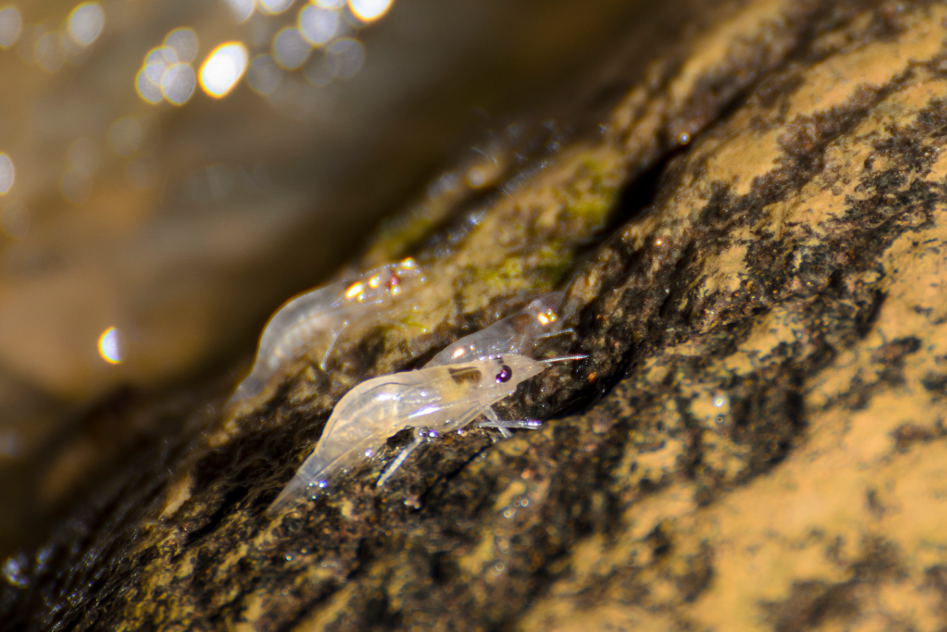
At Kaeng Lamduan in Ubon Ratchathani, small freshwater shrimp sometimes leave the torrent and move across wet rocks at night. The behaviour is associated with the rainy season, especially August and September, when water level, speed, temperature and recent rain align.
It is not a scheduled performance. A dry spell, flood, dangerous flow or operational decision can reduce viewing or close access. Contact local officials on the day, follow rangers, carry a low-power light for footing and never shine a bright beam directly at the animals.
Why It Is Worth Considering
The phenomenon is compelling because an ordinary stream animal responds visibly to a difficult current. Seeing it respectfully can connect a regional journey with ecology, but the shrimp’s welfare and visitor safety matter more than obtaining a photograph. Kaeng Lamduan’s parading shrimp works best when its real character matches the reason for going, not when a popularity signal makes the decision. Define what a successful visit would look like before spending time or money.
What To Expect
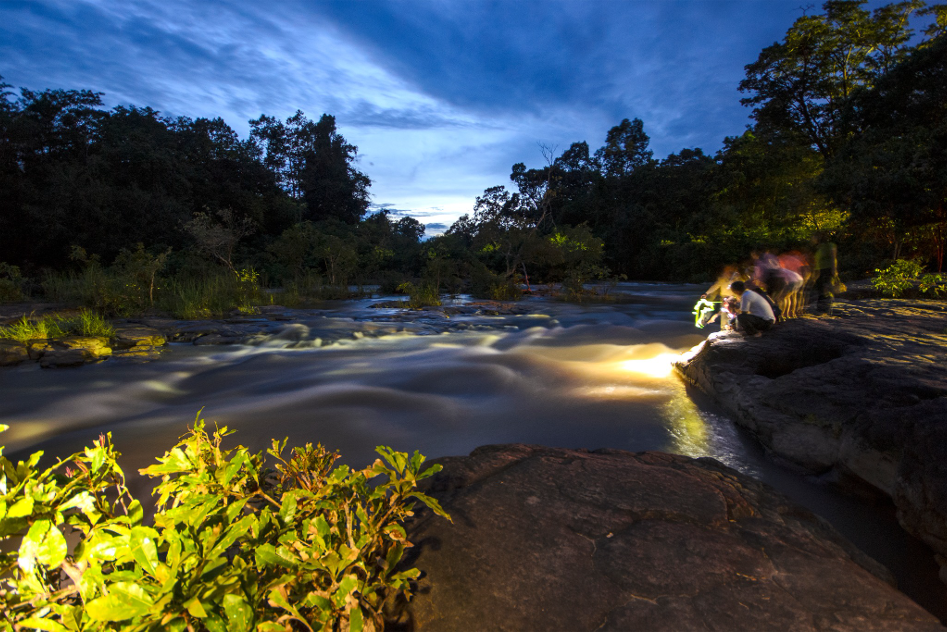
Expect darkness, wet rock, insects, humidity and a period of waiting. The shrimp are small and the movement may be intermittent. Rain can strengthen the event but also make the site unsafe, and staff may change the viewing area without notice. Conditions vary with date, weather, inventory and operating needs, so treat this as a planning frame rather than a promise that every detail will be identical on arrival.
Price And Value
The largest costs are transport, accommodation and a guide or driver, not necessarily entry. Confirm any current fee locally. Do not pay an unverified operator who guarantees wildlife activity, because no ethical guide can promise the natural conditions. Compare the full cost for the actual group, including transport, food, service charge, tax, add-ons and cancellation exposure. The lowest headline is not always the strongest value.

Choose The Timing
August and September are the broad season, with observation after dark. Exact nightly access should come from the site on the same day, not an old timetable. Avoid a tight onward journey because rain and rural roads can slow the return. Build a realistic buffer before and after the main activity. Spare time protects the plan when traffic, queues, rain, transfers or local operations move more slowly than expected.
Getting There
Kaeng Lamduan is in Nam Yuen district, far from Ubon Ratchathani city. A private car and a sober, confident night driver are practical. Save the ranger or visitor-centre contact and refuel before the final rural section. Save the destination in Thai and English, verify the final map pin and keep enough battery for navigation. Confirm the return journey before companions are tired or local transport becomes scarce.
Reserve Or Plan Well
Ask the local wildlife or tourism office about water conditions, road access, meeting point, guide availability, start time and closures. A local guide can help with safe positioning and interpretation, but still cannot guarantee sightings. Keep written confirmations and review names, dates, party size, inclusions and cancellation terms. When no reservation is needed, save current opening information shortly before leaving.
Make It Comfortable
Wear grippy closed shoes, long sleeves and rain protection. Protect electronics from water and carry drinking water. Bright flash, loud voices, stepping into the flow and touching wildlife are inappropriate even when others do it. Carry water where permitted, dress for the setting and tell companions about stairs, heat, noise, crowding or long transfers. Comfort planning is part of good value, not an afterthought.
Build A Better Visit
Pha Taem, waterfalls and Mekong landscapes can support a longer Ubon itinerary, but distances are substantial. Base the route on daylight driving and one geographic cluster rather than attempting several remote sites in a day. One well-matched extra stop is usually better than a long checklist. Leave room for food, rest and the unexpected so the core experience does not become a race.
Check Before Leaving
Call on the day for shrimp activity, rainfall, water level, opening arrangements and road condition. Cancel or follow a closure without argument when flow is unsafe. A missed sighting is preferable to disturbing wildlife or risking a rescue. Verify live hours, availability, access and every date-sensitive detail on the day. Contact the operator directly when one unanswered point would decide whether the journey or purchase is worthwhile.
Who It Suits
It suits patient wildlife watchers, photographers who can work without flash and travellers comfortable with wet rural night conditions. Young children, mobility-limited visitors and anyone expecting a guaranteed show need a careful alternative plan. People whose priorities differ should compare alternatives rather than treating popularity as proof of fit. A clear decision rule keeps this guide useful when plans change.
A Useful Final Filter
Kaeng Lamduan’s parading shrimp is a strong choice when its real character matches the purpose of the visit. Reconfirm the essentials, keep the plan flexible and leave enough time to enjoy the experience rather than merely complete it. Small preparations protect the outcome without turning leisure, culture or travel into administration.
Practical Information
- Province: Ubon Ratchathani.
- Broad season: August-September, depending on rain and water flow.
- Viewing: After dark under live site instructions.
- Core etiquette: Low light, no flash, no touching and no entry into dangerous water.
- Map: Open in Google Maps
Keep Planning
Browse more TFT coverage in Travel, Travel and Deals.
Questions
Will the shrimp definitely appear?
No. The behaviour depends on natural water and weather conditions.
Can I use flash?
Do not use flash or shine a bright light directly at the shrimp.
Can old opening hours be trusted?
No. Confirm current access and timing on the day.
Is the water safe after rain?
It may not be. Follow ranger closures and never enter strong flow.