
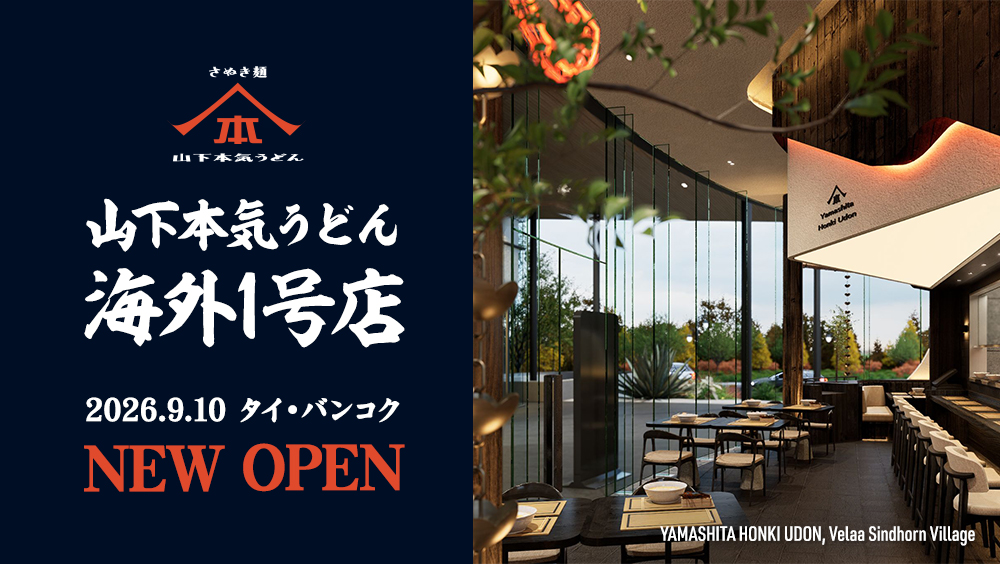
Bangkok’s Japanese noodle scene gained a notable specialist on 10 September 2026 when Yamashita Honki Udon opened at Velaa Sindhorn Village. This is the brand’s first overseas branch, and it brings the premium Sanuki-style udon that built its following in Japan to the Langsuan neighbourhood.
The restaurant makes noodles in the shop each day. That detail matters because udon is at its best when texture leads: a clean bite, a springy centre and enough surface grip to carry broth or sauce. The menu pairs those noodles with established signatures and dishes created specifically for Thailand.
Start with the white udon
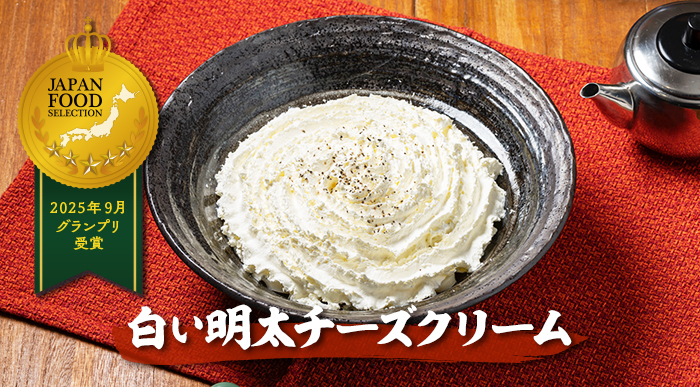
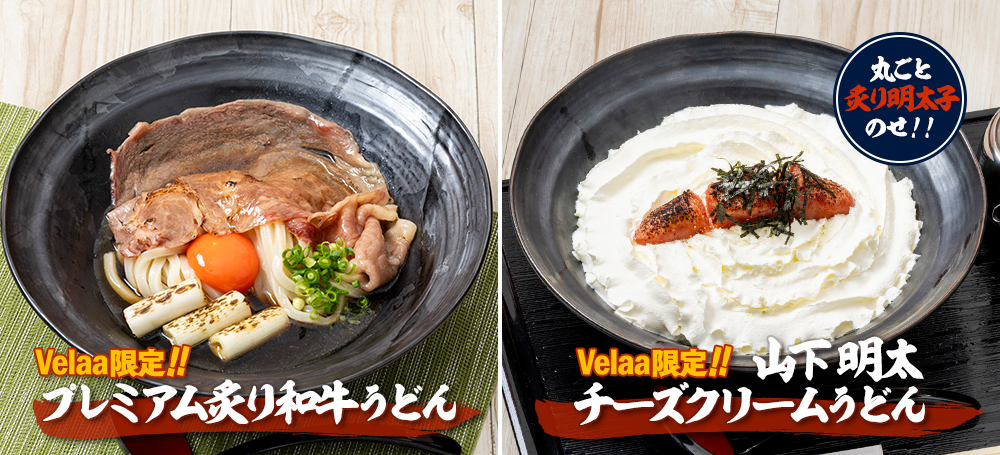
The headline order is the white mentaiko cheese cream udon. Its pale sauce combines the savoury intensity of seasoned cod roe with cheese and a creamy texture. It is richer than a clear-broth bowl, making it a natural choice for diners who like carbonara-style Japanese noodles.
Mix the bowl thoroughly so the mentaiko and cream coat the noodles evenly. If you are sharing several dishes, eat this one while it is hot and before strongly seasoned sides dull the sauce’s detail. The noodles should remain the focus rather than becoming a carrier for excessive toppings.
Try the Bangkok exclusive
The premium aburi wagyu udon was designed for the Thailand branch. Seared beef adds smoke and richness, while the udon supplies chew and balance. It is the menu item that most clearly marks this as more than a direct copy of a Japanese shop.
Ask how the beef is served on the day and whether the bowl is broth-based or sauced, especially if you have a preferred level of richness. For two people, pairing the wagyu bowl with a lighter classic preparation creates a more interesting comparison than ordering two heavy signatures.
Explore classic Sanuki styles
Sanuki udon is associated with Kagawa Prefecture and prized for a firm, elastic bite. Simple preparations are often the best test of the kitchen. A clear dashi broth or a restrained soy-based sauce lets you judge the noodles without cream, cheese or premium meat taking over.
Temperature changes the experience. Cold udon tends to feel firmer, while hot broth softens the surface and delivers aroma. On a first visit, choose according to texture rather than Bangkok’s weather. A cold bowl can be refreshing, but a hot dashi bowl reveals another side of the dough.
Plan your first order
A sensible meal for two begins with one signature bowl, one classic bowl and a small side. That gives you a view of the branch’s ambition and its fundamentals without over-ordering starch. If a seasonal menu is offered, ask what has changed rather than assuming every online photograph is available.
Udon portions can be deceptively filling. Order the first round, then add another dish only if needed. This also keeps each bowl closer to its ideal texture, since freshly made noodles left waiting on the table gradually lose their best bite.
The room and setting
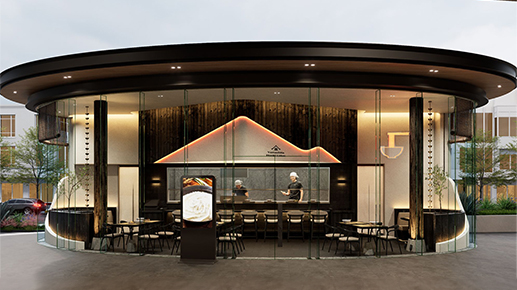
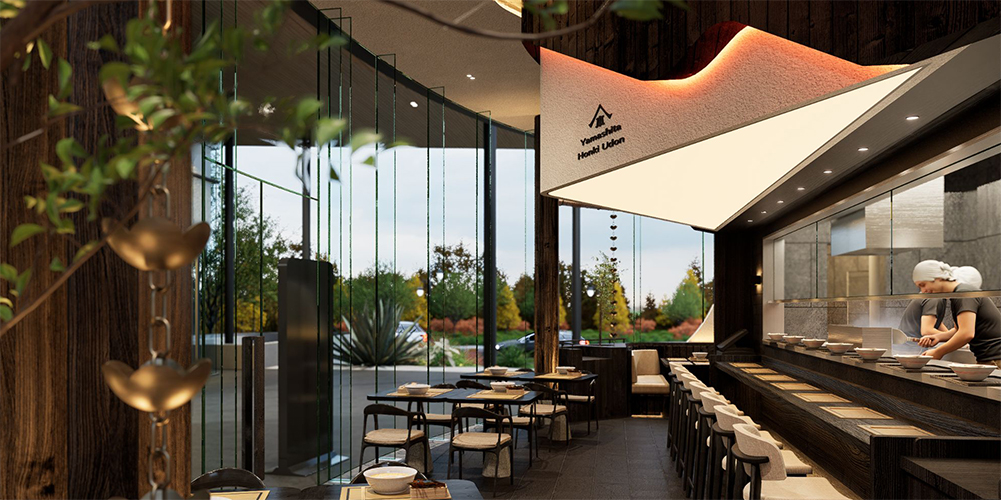
Velaa Sindhorn Village gives the restaurant a polished, central setting near Langsuan’s hotels, residences and Lumphini Park. The branch design uses warm timber and a visible Japanese identity without turning the meal into a theme-park version of an udon shop.
The address is 87, unit C121, Soi Langsuan, Lumphini, Pathum Wan, Bangkok 10330. The restaurant opens daily from 11am to 11pm. For reservations or current menu questions, call +66 62 308 1725.
When to visit
Lunch suits a quick bowl, while early evening allows more time to share signatures and sides. New international openings often draw queues during their first weeks, so a weekday or off-peak visit may provide a calmer introduction. Check reservation arrangements before travelling across the city.
How to judge good udon
Look first at the noodles before judging the toppings. Fresh udon should appear smooth and hold its shape, with a resilient chew that does not become rubbery. In a hot bowl, the exterior may soften while the centre retains strength. Cold noodles normally show even more firmness because they are rinsed and tightened after cooking.
Broth should support that texture. A clear dashi needs savoury depth without tasting aggressively salty, while a cream sauce should cling without turning gluey. Eat promptly and lift only a manageable amount at a time. Letting the entire bowl sit while photographing it works against the kitchen’s timing.
Ordering for different appetites
Solo diners can learn plenty from one classic bowl and a small side. A group of three or four can compare a clear broth, the white mentaiko signature and the wagyu exclusive, then add tempura or another side only after seeing portion sizes. Sharing bowls is easier if staff provide small dishes before the noodles arrive.
Vegetarian diners should ask specifically about dashi, because a dish that looks meat-free may still contain fish stock. Guests avoiding gluten should note that conventional udon is wheat-based. Clear questions at the start are more reliable than trying to infer ingredients from the dish name.
Prices and menu availability can change after opening. Review the current menu at the restaurant, and tell staff about allergies to fish roe, dairy, wheat or soy. Explore more openings in our Bangkok restaurant guides and broader city ideas in our Bangkok coverage.