
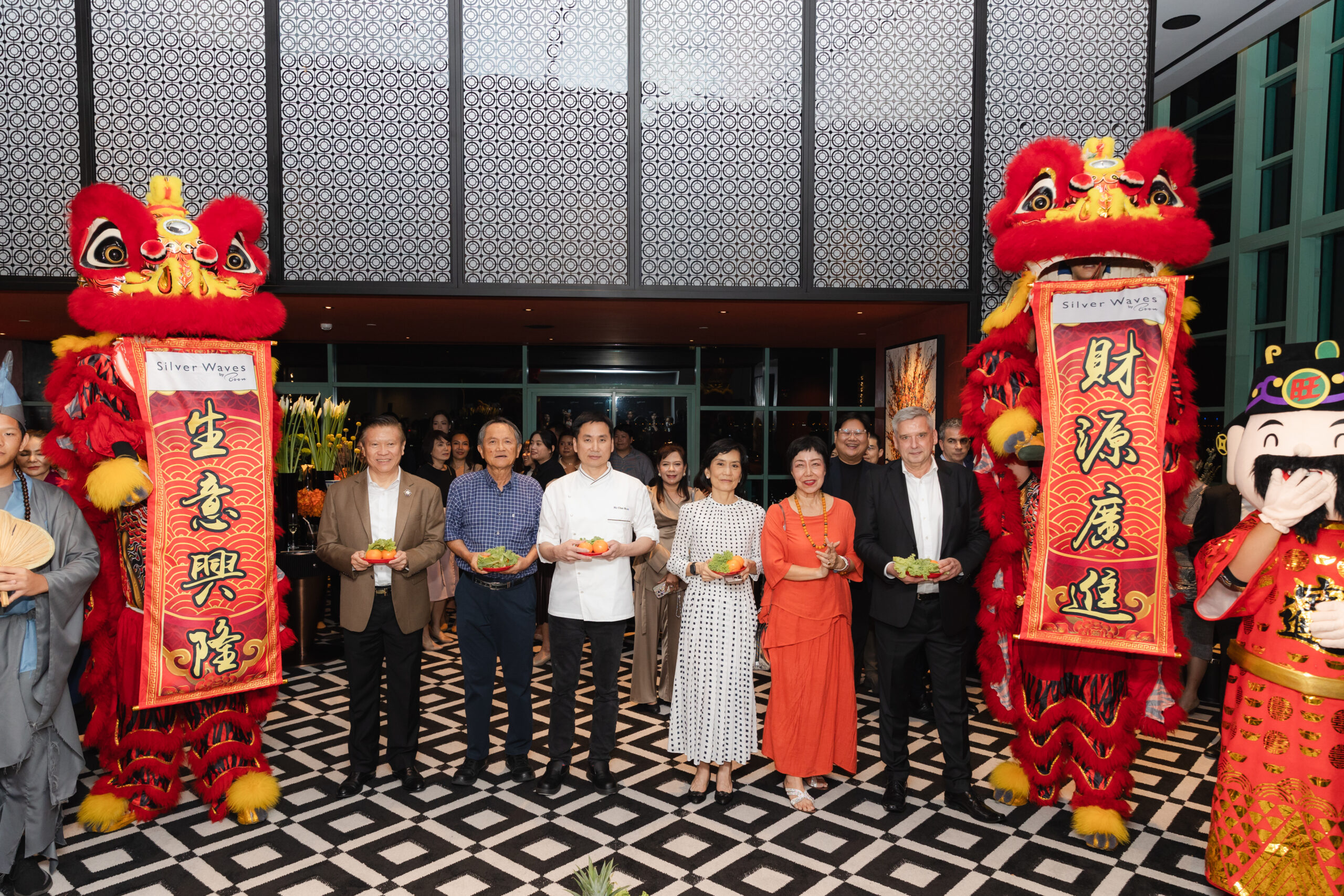
Silver Waves by Boon is the Cantonese restaurant at Chatrium Hotel Riverside Bangkok, positioned high above the Chao Phraya with a dining room designed around river views and polished service. Chef Ho Chee Boon is the name behind the concept, and the menus move between dim sum, seafood, roast meats and contemporary interpretations of classic Chinese dishes. This is a restaurant to plan rather than enter with only a view in mind. The strongest meal comes from matching the menu format, table size and time of day to the occasion.
Choose lunch or dinner
Lunch is the natural window for dim sum and a broader tasting rhythm, while dinner suits larger seafood dishes, roasts and a slower river-view meal. Ask which menus are served in each session because hotel restaurants can separate lunch, dinner and seasonal offerings. If the skyline matters, confirm sunset time and request a window table without assuming one is guaranteed. A slightly earlier booking can make arrival and ordering more relaxed.
Reserve the right table
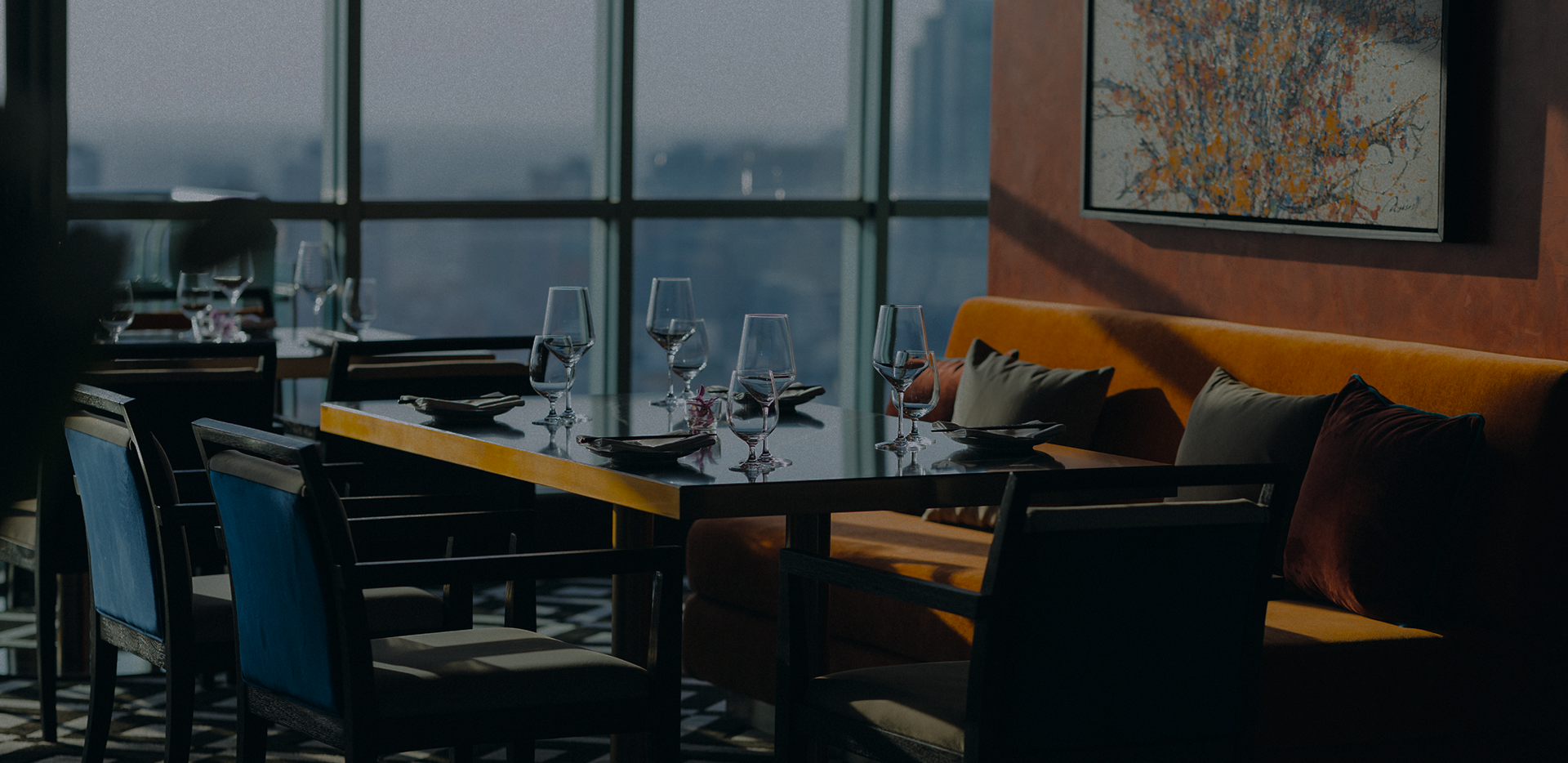
Book directly and give the number of adults, children and any mobility needs. State whether the meal is a celebration, business lunch or quick pre-event dinner. Ask about private rooms, minimum spending and cake policies before bringing anything. Window requests are preferences, not confirmed inventory, so decide whether the restaurant itself is appealing even if the table is one row back from the glass.
Build the first order
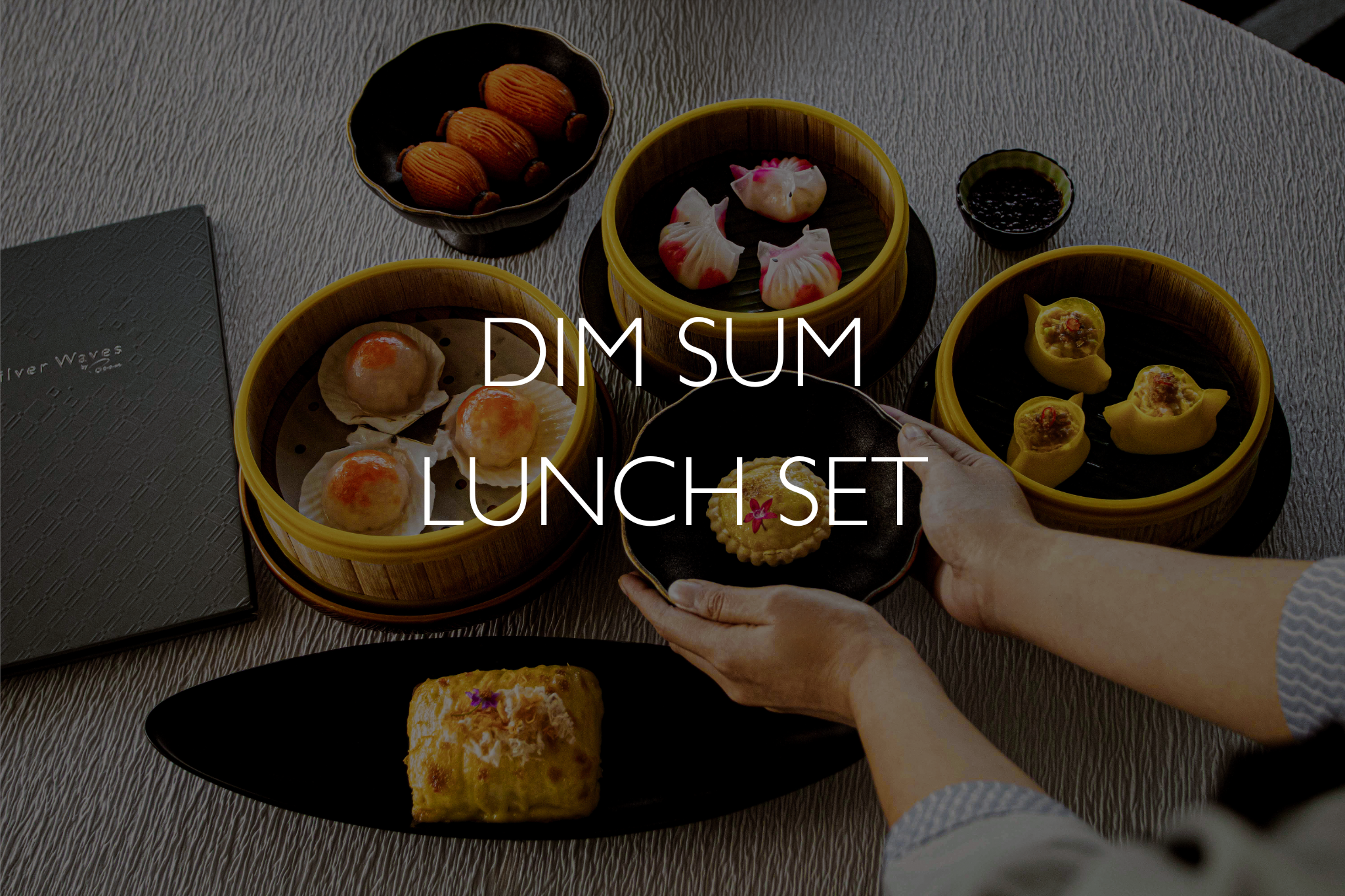
For two people, a few dim sum baskets, one vegetable and one main dish can be enough. A larger table can explore roast meat, whole fish, seafood and shared rice or noodles. Ask staff to pace the meal and to explain portion sizes. Ordering everything at once may crowd the table, while repeated small orders can stretch service. Start conservatively, then add dishes after seeing the kitchen style and actual portions.
Understand the cooking
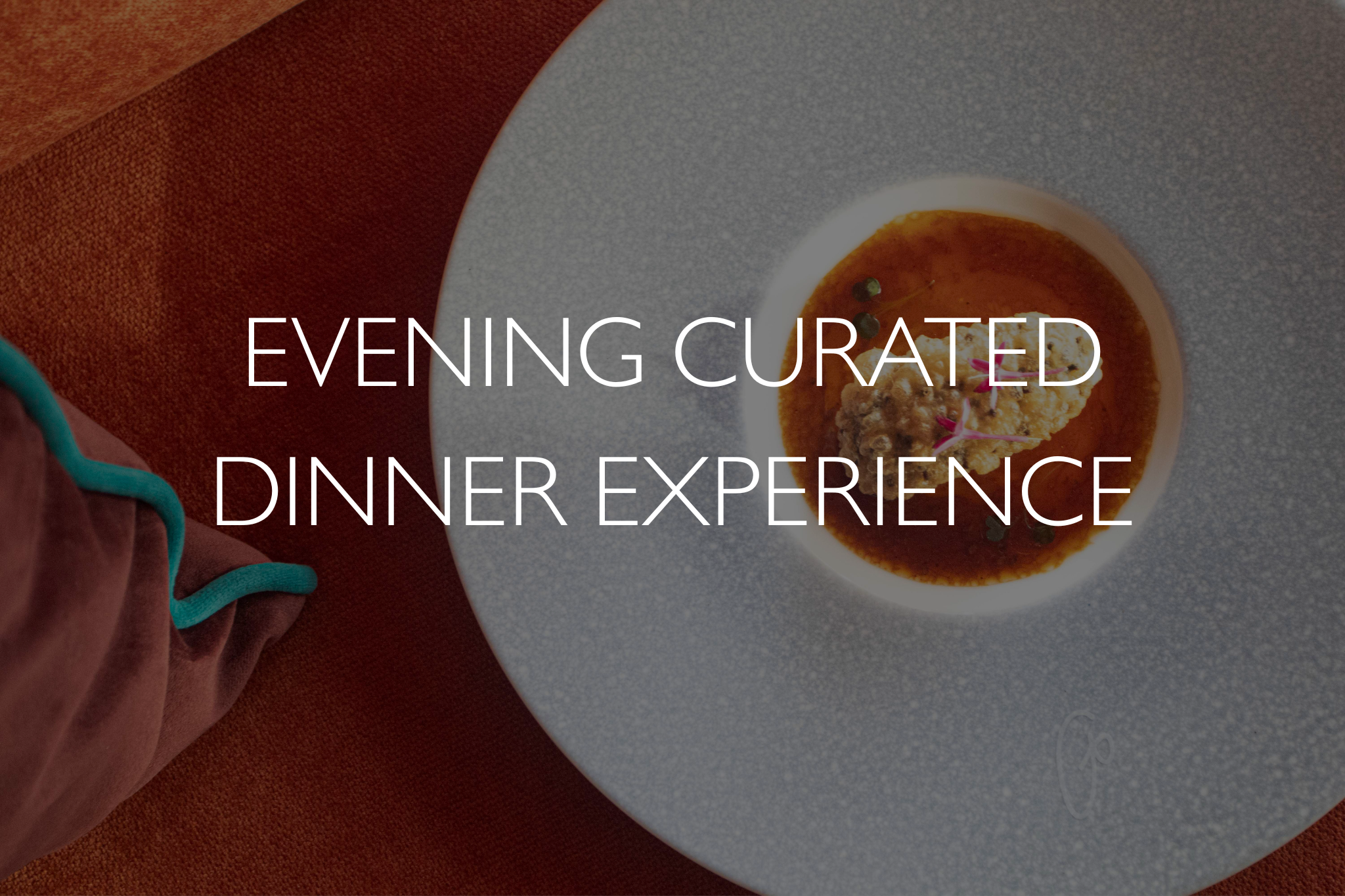
Cantonese technique often values clarity, texture and careful heat rather than chilli intensity. Steamed seafood, soups and roast items reveal ingredient quality, while sauces should support rather than bury the main element. Diners who expect every dish to be sweet, sticky or heavily seasoned may miss the point. Ask for recommendations across contrasting methods, such as steamed, roasted and wok-fried, to experience more of the kitchen in one visit.
Use seasonal menus wisely
Silver Waves promotes seasonal campaigns, and October can bring speciality ingredients such as hairy crab. Availability, origin, price and preparation may change quickly. Request the current menu and final price before reserving a dish, especially when seafood is sold by weight or set. A seasonal item can be memorable, but it should not replace the restaurant signatures if the ingredient or eating process does not appeal to everyone at the table.
Ask about dietary needs
Discuss allergies and dietary restrictions during booking and again with the server. Chinese kitchens commonly use soy, wheat, shellfish, sesame, nuts and shared stocks. A vegetarian label may not guarantee that every broth or sauce is free from animal products. Severe allergies require a clear conversation about cross-contact. Diners avoiding pork should ask about fillings, cooking fats and garnishes, not only the main ingredient named on the menu.
Plan the budget
Check current menu prices, service charge and tax before the meal. Dim sum baskets can look modest individually but add up across a large selection, while premium seafood may be priced by weight. Set a comfortable range and ask staff to confirm the total for market-price items. Wine, tea and hotel transport can materially change the final spend. Value comes from a well-composed meal, not from ordering the longest list of signatures.
Arrive without rushing
Chatrium Hotel Riverside Bangkok sits on Charoen Krung Road, where traffic can slow sharply around dinner. Allow extra time and check the hotel entrance rather than relying on a map pin near the river. Hotel dress expectations are usually smart casual, but confirm current guidance for special events. If arriving early, use the time to see the river rather than asking the restaurant to seat a full party before the booked slot.
Make the view work
The Chao Phraya changes character from bright afternoon to sunset and night. Reflections on the windows can make photographs difficult after dark, so take a quick picture before the table fills with dishes. Keep phones and lighting unobtrusive. The view is part of the setting, but conversation and food should remain central. A window seat is not worth delaying hot dishes or disturbing neighbouring tables for repeated photography.
Finish with restraint
Leave room for a light dessert, fruit or Chinese tea instead of forcing another main course. Ask for leftovers to be packed only when they can be refrigerated promptly. Review the bill for seafood weights, beverages and any agreed promotion before payment. If service was especially helpful, note the staff name. A good return visit can then focus on a different menu period rather than trying to cover every dish in one night.
Silver Waves by Boon is best approached as a Cantonese destination with a river view, not a viewing platform with food attached. Reserve the right session, ask about current seasonal dishes and let the kitchen pace a shared order. The meal will feel more coherent when the table chooses contrast, portion control and conversation over a rushed collection of signature plates.