
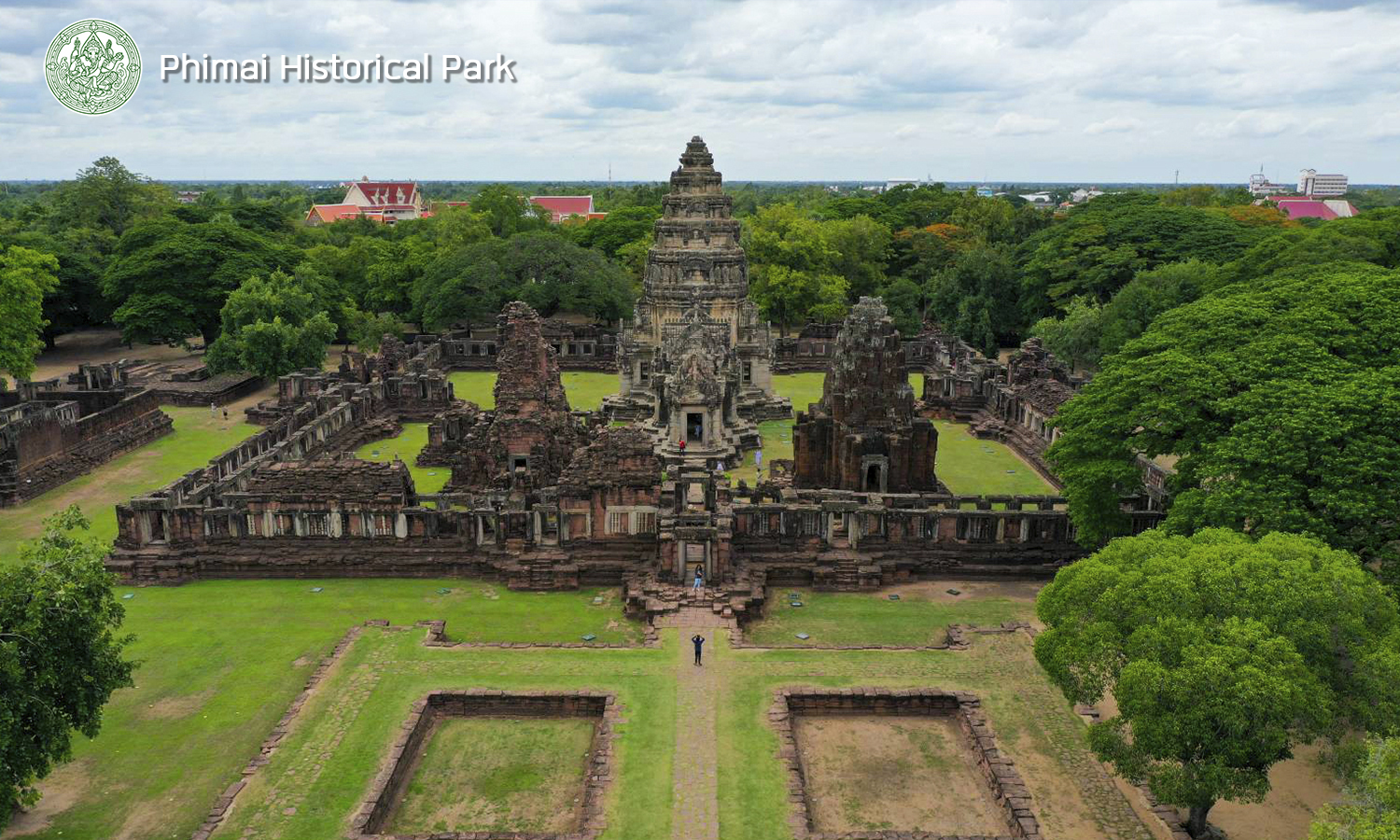
Phimai Historical Park is one of the best cultural trips in Nakhon Ratchasima because it gives travellers a major Khmer temple site without the scale, crowds or cross-border planning of Angkor. Located in Phimai district, about 60 km northeast of Korat city, the park preserves Prasat Hin Phimai, one of Thailand's most important Khmer sanctuary complexes. For readers travelling through Isan, it is a strong reason to stay longer in Korat rather than treating the province only as a gateway.
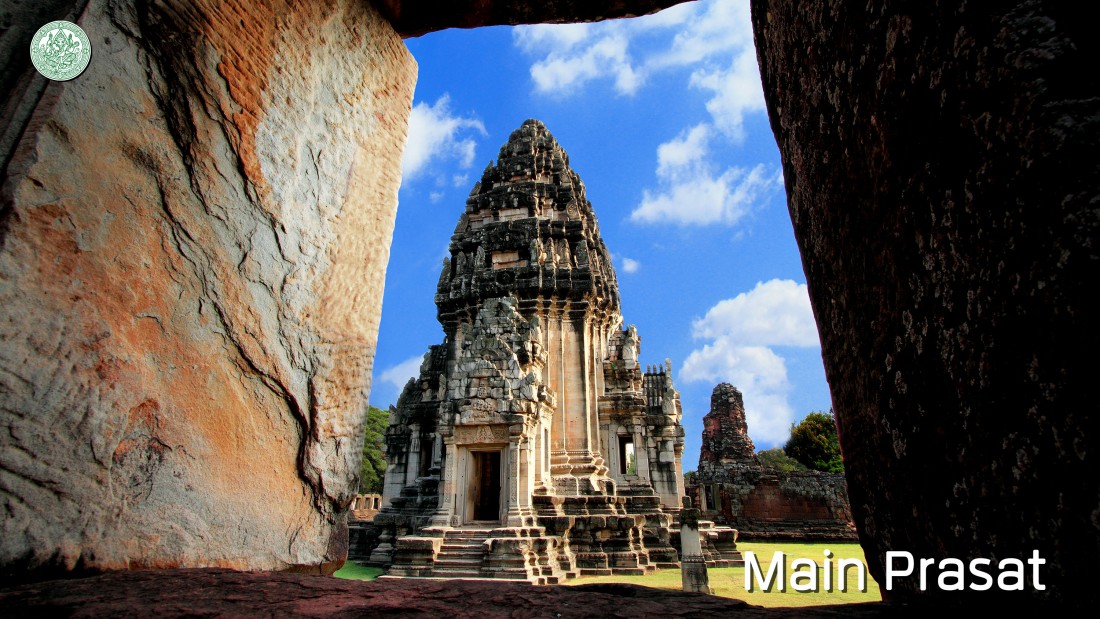
Phimai is important because it shows how Khmer cultural and religious influence extended deep into what is now northeastern Thailand. The temple faces south, symbolically oriented toward the old Khmer capital, and the ancient city was part of a wider cultural route linking the Korat plateau with Angkor. For visitors who have been to Angkor Wat, Phimai feels familiar in material and structure but distinct in scale and atmosphere.
Museum Thailand lists key points of interest inside the compound, including the Naga Bridge, Phra Rabieng, the Main Prang, Prang Brahmadat, Prang Hin Daeng, the barai, Victory Gate and Arokaya Sala. The best way to visit is to move slowly from the entrance toward the central sanctuary, using the axis of the site to understand how processional space works.
What To See
Start at the Naga Bridge. In Khmer temple architecture, naga balustrades often mark a symbolic crossing between the human world and sacred space. From there, continue toward the galleries and central sanctuary. The Main Prang is the visual focus, but do not rush the surrounding structures. Look for lintels, door frames, false windows, sandstone blocks and restored sections that show the anastylosis method used in the 20th-century restoration.
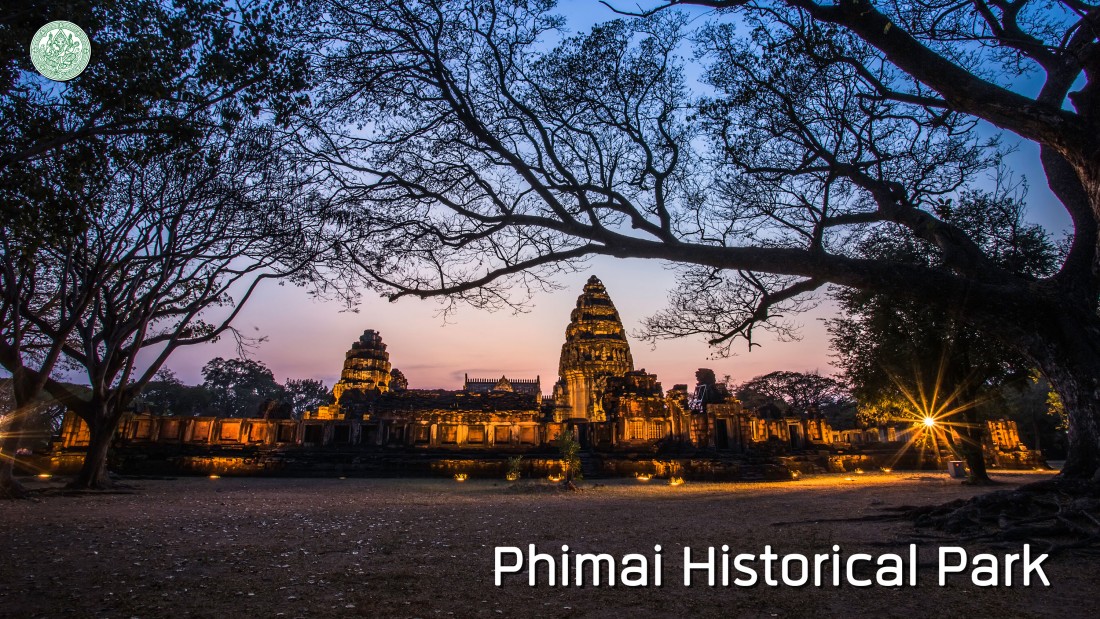
Prang Brahmadat and Prang Hin Daeng are also worth time because they help visitors understand the broader layout rather than treating the site as a single tower. If open, pair the historical park with Phimai National Museum or local interpretation displays to put the sculpture and restoration story into context.
How Long To Spend
Most readers should allow two to three hours for the park and nearby museum time. A fast visitor can walk the main route in under an hour, but that misses the texture of the site. Phimai rewards slower looking: carvings, stone joins, sightlines, laterite walls and the relationship between the ancient city and modern town.
Go early morning or late afternoon if possible. The park is open-air and Korat can be hot. Museum Thailand lists opening hours as 07:00-18:00, making an early visit realistic. Bring water, sun protection and comfortable shoes.
Getting There
From Nakhon Ratchasima city, Phimai is about 60 km northeast. The easiest option is a private car or driver, especially if combining the park with other Korat stops. Local buses and vans can work for budget travellers, but they require more patience and Thai-language confidence. If you are staying in Korat city, ask your hotel about current transport options and return times before setting out.
Fees and Etiquette
Museum Thailand lists Thai admission at 20 THB, while the Thailand Biennale venue page lists foreigner admission at 100 THB. Fees can change, so check at the ticket office. Dress comfortably but respectfully. This is an archaeological and cultural site, not an active shopping attraction. Do not climb on fragile structures, touch carvings unnecessarily, fly drones without permission, or leave litter.
Who Should Go
Phimai is best for travellers interested in Khmer architecture, Thai history, Isan culture, archaeology and quiet heritage sites. It is also a strong family stop if children enjoy ruins and open spaces. It is less suitable for travellers who need heavy entertainment infrastructure or who are only passing through Korat with no extra time.
How To Understand The Architecture
Even if you are not an archaeology specialist, a few visual cues make Phimai easier to read. The approach sequence matters: bridge, gateway, gallery, sanctuary. The raised passage and naga elements are not random decoration; they guide the visitor into sacred space. The central prang is the climax, but the enclosing galleries create the sense of a protected religious world.
Look for the difference between laterite and sandstone. Laterite often forms structural or enclosure elements, while sandstone carries more refined carving. Notice false windows, lintels and door frames. Some pieces are original, others were reset during restoration. Anastylosis, the method used in major restoration, means fallen blocks were documented, coded and reassembled as close to their original positions as possible.
Pairing Phimai With Korat
Phimai works best as a cultural day trip from Nakhon Ratchasima city. Start early, visit the park before the strongest heat, then add the museum or a local lunch. If you have a car, you can combine it with other Korat heritage or food stops. If using public transport, keep the day simpler and confirm the last return vehicle before entering the park.
Korat is often overlooked by international travellers, but it is one of the easiest gateways into Isan. Phimai gives the trip a clear cultural anchor. Travellers who enjoy the site can later build a larger Khmer-heritage route toward Phanom Rung and Muang Tam in Buriram.
What Not To Do
Do not compare Phimai only by size. Angkor is larger and more famous, but Phimai's appeal is access, quiet and the way the temple sits inside a living Thai town. Do not rush through only for photos of the central tower. The route, carvings, restoration story and relationship to the ancient city are the reason to go.
Avoid visiting at midday if you struggle with heat. Avoid climbing or leaning on ancient stonework. Avoid using the site as a costume-photo backdrop in a way that blocks other visitors or disrespects the cultural setting.
Photography Tips
Morning light is best for cleaner shadows and fewer visitors. Wide shots work well from the approach axis, while detail shots are strongest on lintels, naga forms, door frames and weathered stone textures. Use captions that identify the actual structure shown, such as "Naga Bridge at Phimai Historical Park" or "Main Prang at Phimai Historical Park", rather than generic "ancient temple in Thailand" text.
Need To Know
Location: Phimai Historical Park, Nai Mueang, Phimai district, Nakhon Ratchasima.
Opening hours: 07:00-18:00 daily according to the venue listing checked for this article.
Getting there: about 60 km northeast of Korat city. Fees checked: Thai citizens 20 THB, foreigners 100 THB. Manager: Fine Arts Department.
|