
Why Sukhothai Belongs On The Thailand Culture List
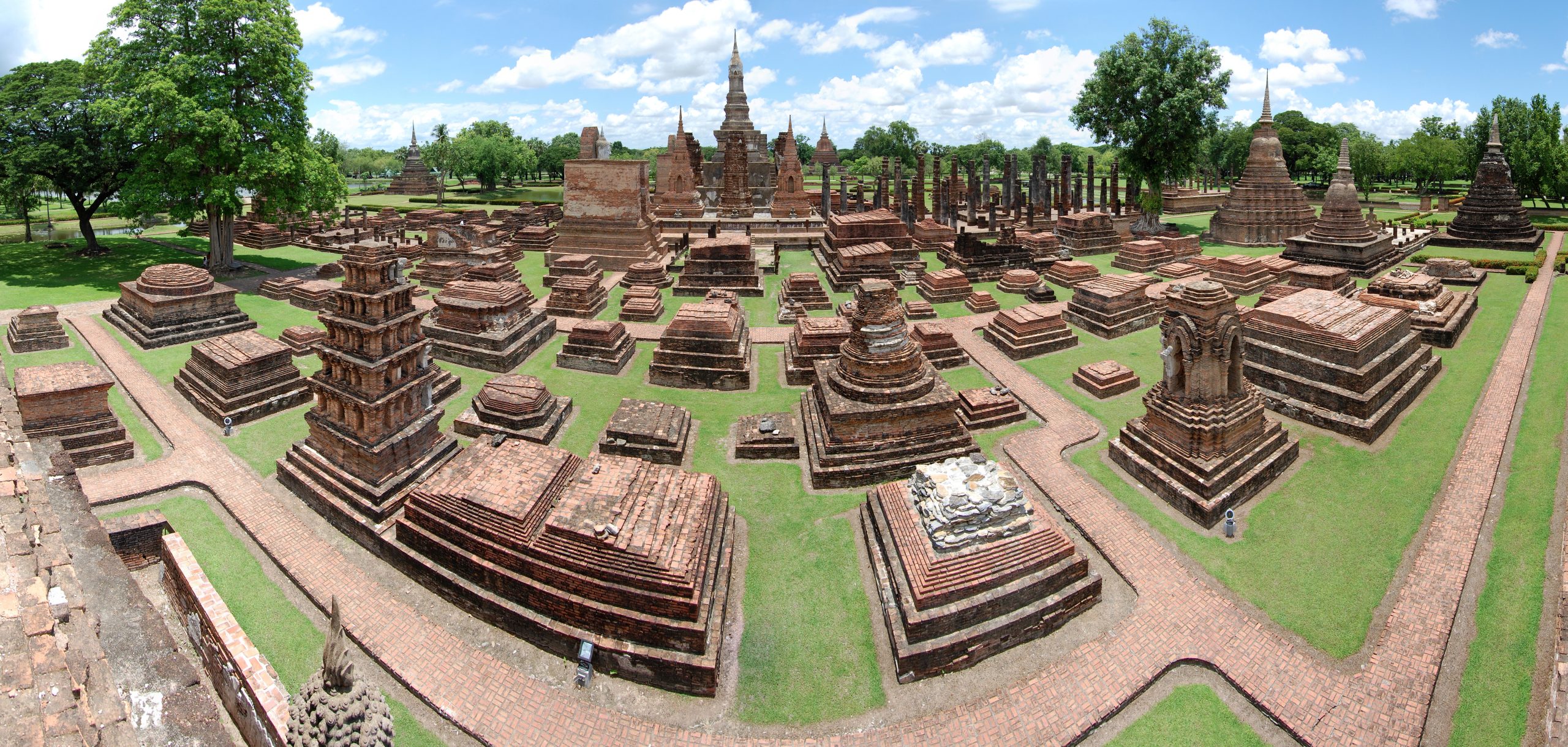
Sukhothai Historical Park is one of the most rewarding cultural trips in Thailand because it gives visitors space to understand the early shape of the Thai kingdom without the traffic and density of Bangkok or Ayutthaya. The old city is atmospheric, low-rise, filled with lotus ponds and temple silhouettes, and easy to explore slowly by bicycle or tram.
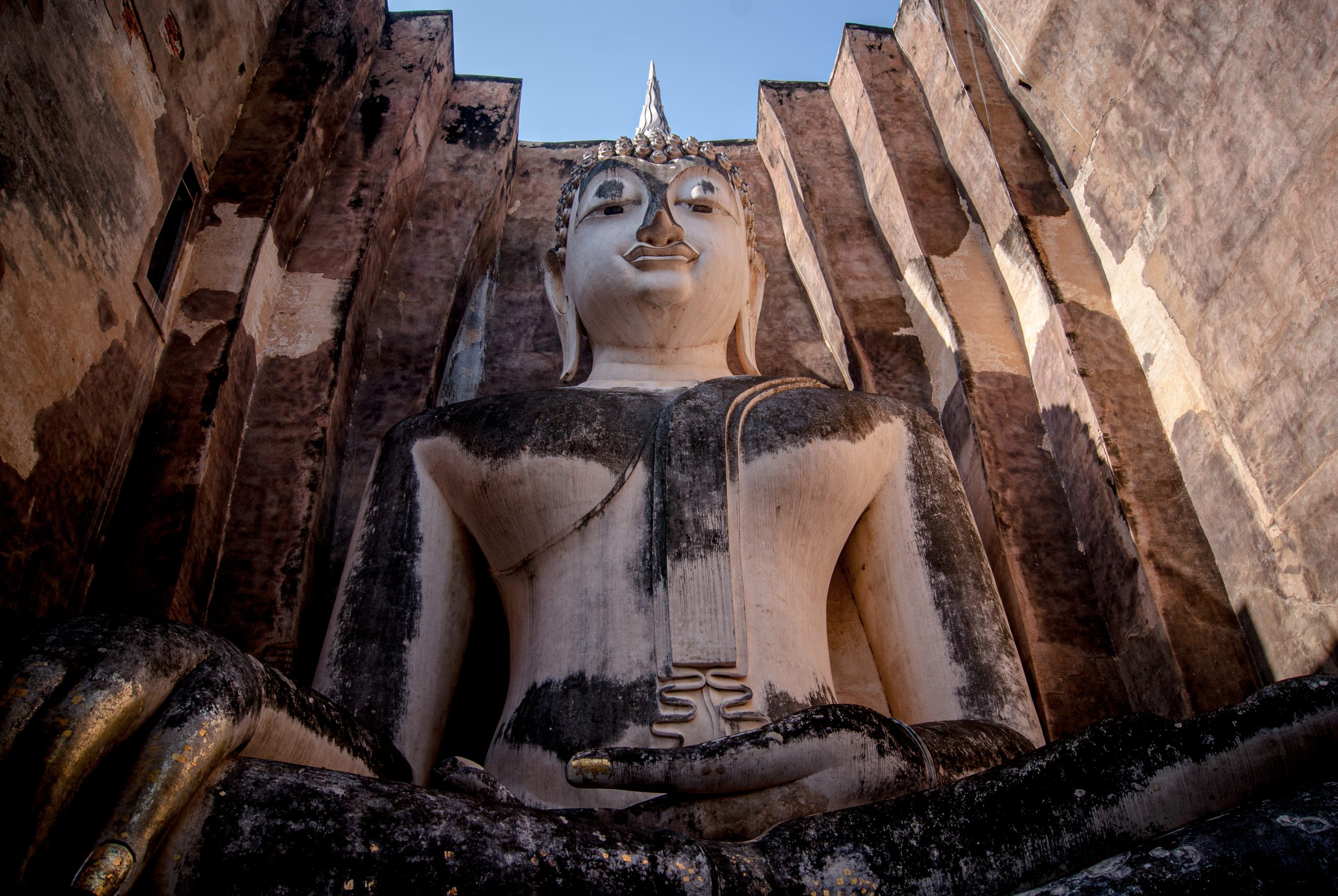
TAT describes Sukhothai Historical Park as the former first capital of the Sukhothai Kingdom and notes that it was registered as a UNESCO World Heritage Site in 1991. The park contains more than 200 ancient monuments, including Wat Mahathat, Wat Si Chum, Wat Sa Si and Wat Si Sawai. Those names matter because they are not interchangeable ruins; each gives a different view of Sukhothai art, city planning and Buddhist devotion.
Essential Stops
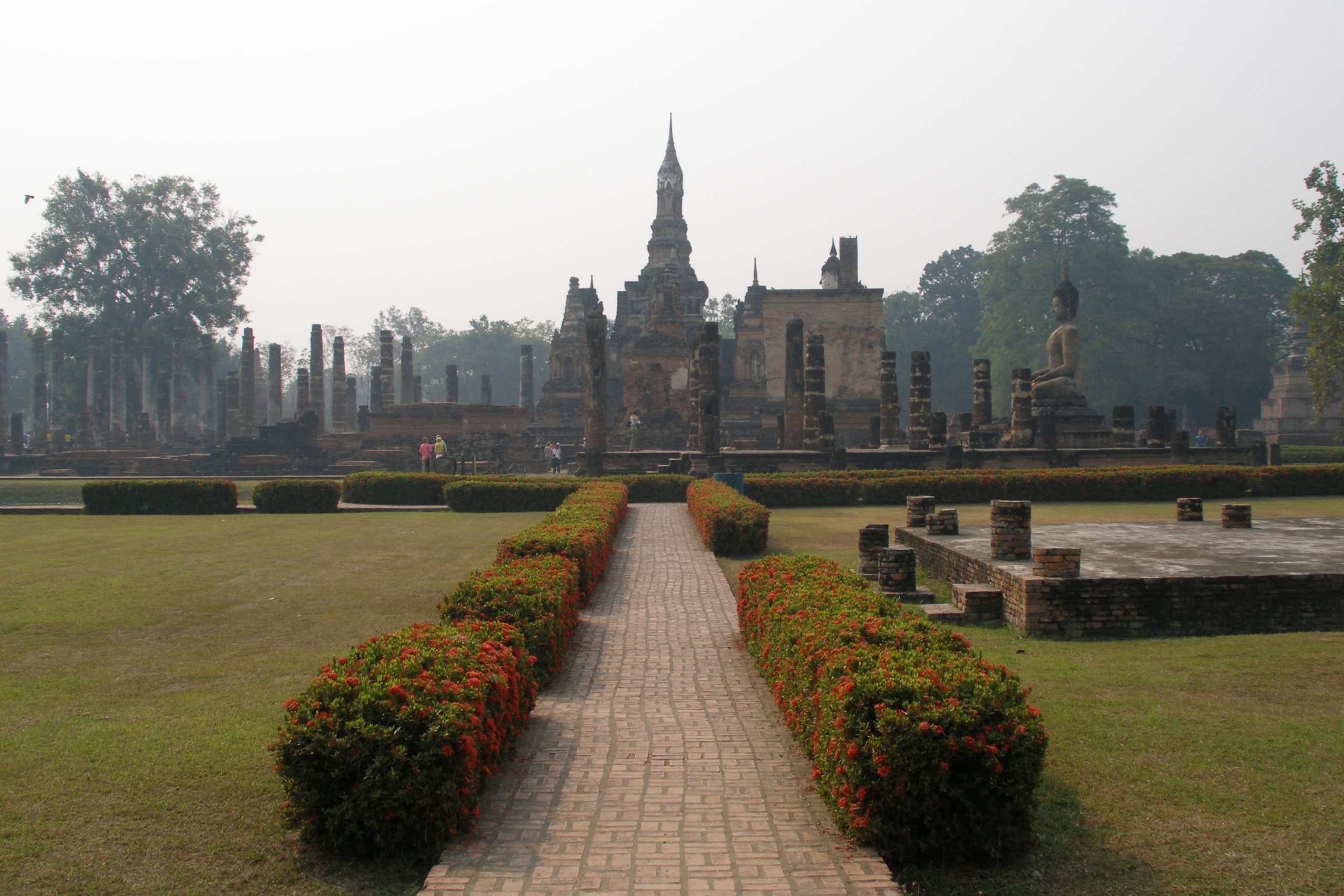
Wat Mahathat is the central anchor. If you only have a short visit, start here. The temple's stupas, Buddha images, columns and open setting give the clearest sense of the old royal and religious centre. Go early or late in the day when the light is softer and the heat is manageable.
Wat Si Chum is the emotional highlight for many visitors. TAT's Sukhothai page highlights Phra Achana, the seated Buddha image enclosed within a mondop with high walls. The effect is intimate and monumental at the same time: a calm face and long fingers framed by weathered architecture. It is one of the strongest single images in Thai historical tourism.
Wat Sa Si and Wat Si Sawai add variety. Wat Sa Si is often associated with water reflections and a quieter mood, while Wat Si Sawai shows Khmer-influenced forms that remind visitors Sukhothai did not emerge in isolation. Seeing several temples helps avoid the common mistake of treating the park as one generic ruin field.
How To Explore
Cycling is the best default for most visitors. The park is broad enough that walking everything can become tiring, especially in the hot season, but flat enough for casual cycling. TAT's Tourism Product page also lists tram tours, which are useful for families, older travellers or anyone who wants an easier overview before exploring specific temples.
Plan around light and heat. Sunrise and late afternoon are the most pleasant windows, and TAT specifically notes sunrise or sunset as an activity. Midday can be harsh, so use that time for lunch, a hotel break or the local museum if included in your plan. Bring water, a hat, sunscreen and modest clothing suitable for temple sites.
How Long To Stay
A fast traveller can see the central zone in half a day, but that is not the best way to experience Sukhothai. One full day gives time for cycling, main temples, Wat Si Chum, sunset and a relaxed meal. Two nights in Sukhothai is better if you want to pair the historical park with Si Satchanalai, local ceramics, community tourism or Loy Krathong season.
Sukhothai rewards quiet pacing. The best moments are often not the biggest monuments, but the intervals: a Buddha image through trees, a lotus pond in morning light, a bicycle path between brick walls, or the sound of birds around the old moat.
Etiquette And Practical Tips
This is an archaeological and religious landscape, not a theme park. Dress respectfully, do not climb on fragile ruins, follow signs, and avoid posing in ways that disrespect Buddha images. Drones, commercial photography and tripods may require permission. If visiting during Loy Krathong or a light-and-sound event, book accommodation early and expect more crowds.
Transport planning matters. Sukhothai's old city and new city are separate, so choose accommodation based on your itinerary. Staying near the historical park makes sunrise and cycling easier; staying in the newer town may offer more transport and dining options.
The park is also more enjoyable when visitors stop trying to "complete" it. Sukhothai is not a checklist of ruins; it is a landscape. Spend time with fewer temples rather than rushing every named point on the map. Sit near a pond, watch how the brick changes colour as the sun drops, and notice the way Buddha images are framed by trees, gateways and broken columns.
Families should plan the day around heat. Children may enjoy cycling, open space and tram rides, but long explanations of temple history can lose them quickly. Break the visit into short loops, keep water close, and use the most dramatic sites such as Wat Si Chum as anchors. Older travellers may prefer the tram first, then a short walk around the central temples.
Photographers should stay at least one night. The difference between flat midday light and early or late light is enormous. Morning can be quiet and misty in the cooler months, while sunset can turn the ponds and brickwork warm. If you only come as a day trip and arrive at noon, you will see the park at its least forgiving hour.
Sukhothai also pairs well with food and craft stops. Look for local noodles, Sukhothai-style dishes, ceramics and community tourism around Mueang Kao or Si Satchanalai if time allows. The historical park is the headline, but the province feels richer when visitors connect the monuments with living culture rather than treating them as isolated ruins.
If you are travelling from Bangkok, do not underestimate the distance. Sukhothai is better treated as an overnight trip than a rushed same-day attempt. The reward for staying over is simple: you get the park in the best light, with less pressure, and you can understand why the old capital still feels different from Thailand's busier heritage stops.
Need To Know
Location: Mueang Kao, Mueang Sukhothai District, Sukhothai. Key sites: Wat Mahathat, Wat Si Chum, Wat Sa Si, Wat Si Sawai and surrounding ancient monuments. Best way to explore: bicycle or tram. Best time of day: sunrise or late afternoon. Cultural note: UNESCO World Heritage Site, registered in 1991 as part of the Historic Town of Sukhothai and Associated Historic Towns.