

Pai is often described too simply as a backpacker town, which misses why it keeps pulling people back. The appeal is the slower northern rhythm: river stays, mountain air, waterfalls, cafes, small roads and enough distance from Chiang Mai to feel like a real change.
The caution is the road. Pai is reached through curving mountain travel, so the best trip gives the journey respect. If you rush in for one night, you may remember motion sickness more clearly than the landscape.
How Long To Stay
Two nights is the practical minimum if you are coming from Chiang Mai. Three nights is better because it gives one arrival day, one full day for waterfalls or viewpoints and one calmer morning before the road out.
Pai suits travellers who can slow down. If your Thailand trip is tightly scheduled, decide whether Pai is worth the road time or whether Chiang Mai, Mae Hong Son or another northern base fits better.

River And Waterfalls
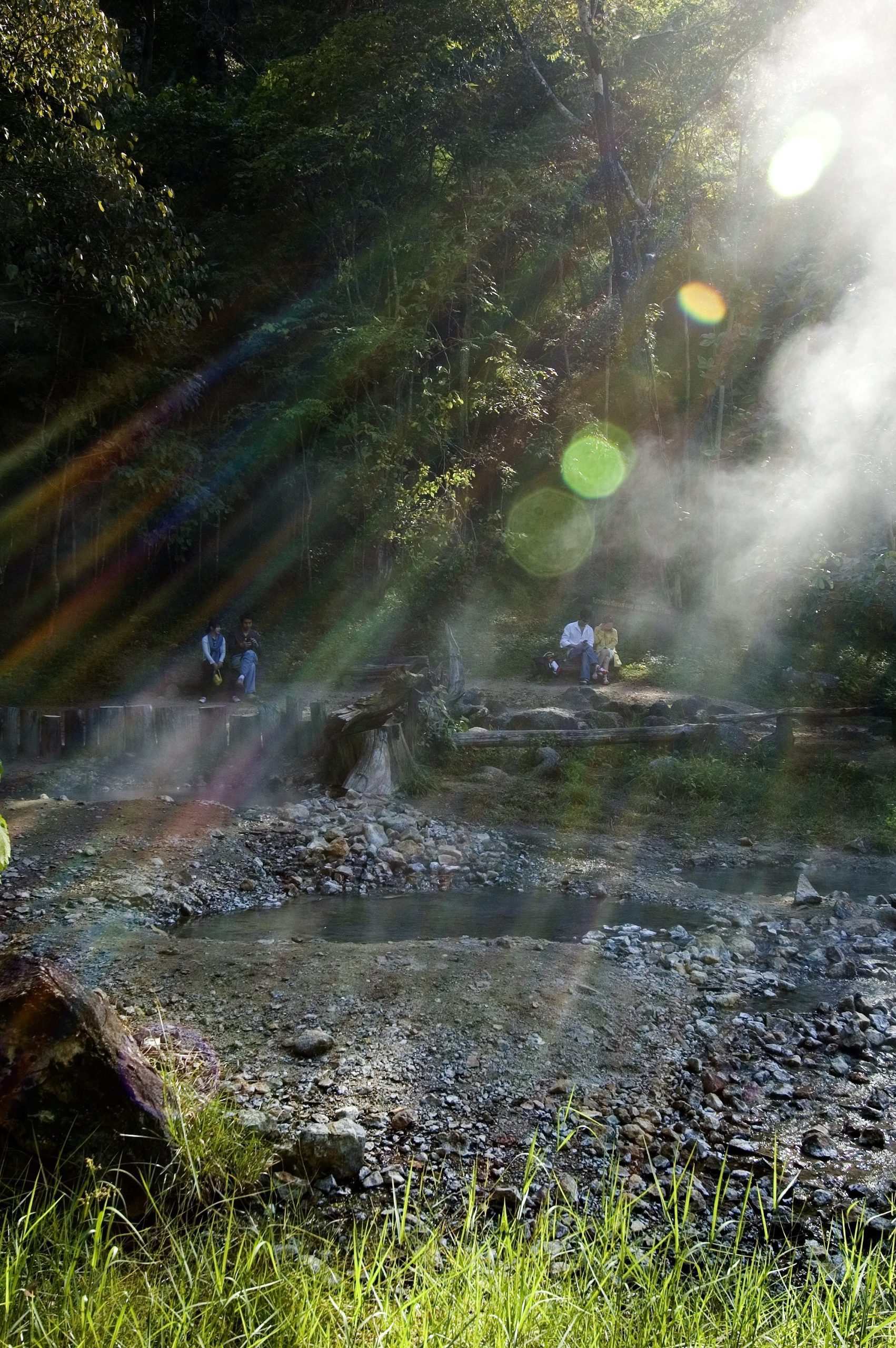
The Pai River gives the town its gentler mood, while nearby waterfalls such as Mo Paeng make better sense when you have your own timing. Go early for cooler air and fewer groups, and check local conditions after heavy rain.
Do not treat every natural stop as a swimming guarantee. Water levels, rocks, currents and access conditions change. Wear proper footwear and avoid climbing wet surfaces for photos.
Scooter Caution
Pai tempts visitors into scooters, but mountain roads and casual confidence are a bad mix. Rent only if you are licensed, insured and genuinely comfortable with hills, gravel, rain and traffic. Otherwise use local transport or tours.
Helmet use should not be negotiable. Many travellers underestimate the cost of a small fall in a remote area, especially when insurance excludes unlicensed riding.
Season And Mood
Cool season is the most comfortable, but it is also busier. Rainy season can be lush and atmospheric, yet road and waterfall conditions need more caution. Smoke season can affect views and outdoor comfort across northern Thailand.
Choose accommodation around your trip style. Town-centre stays are easier for food and walking. River or hillside stays feel calmer but add transport friction after dark.
Planning Notes
Use this guide as a practical starting point for Pai travel guide, then check the official channel before travelling for current hours, access rules, booking terms, temporary closures, seasonal conditions and transport changes. Thailand venues are usually easy once you arrive, but the details that affect a good visit can change quickly around public holidays, rain, school breaks, private functions and high-season weekends.
Protect the main purpose of the day. If the draw is a river view, a restaurant booking, a ferry, a temple visit, a park run, a hotel pool or a visa appointment, build the rest of the plan around that priority. Extra shopping, coffee and nearby sights should support the day rather than crowd it.
Keep transport realistic. Bangkok traffic, Sathorn lift queues, Chao Phraya piers, island boats, mountain roads and airport transfers can all add friction that a quick map preview hides. Leave margin at the first and last move of the day, especially with family, luggage, older travellers or an onward flight.
For premium venues, official events and immigration-related topics, rely on the operator or government source rather than older travel posts. Booking pages, venue notices, ferry operators, hotel sites and official portals are more likely to reflect revised entry rules, renovation periods, current service windows and temporary works.
Think about weather before committing the whole plan. Heat can make a short central walk feel long, rain can reshape river and island movement, and haze can change northern or skyline views. A good Thailand itinerary has one strong anchor, one nearby backup and enough slack to enjoy both.
If you are travelling with a mixed group, decide in advance what can be skipped. A couple may happily linger over dinner, a family may need shade and toilets, and a solo traveller may prioritise photos or a fast transport link. The best plan is the one that still works when one detail changes.
Save confirmation emails, map pins and official contact details before leaving reliable Wi-Fi. That small preparation helps when a driver asks for the entrance, a booking desk wants the reservation name, or weather forces you to adjust the order of the day.
Who Should Go
- Northern Thailand travellers who can spend at least two nights.
- Couples and solo travellers wanting river-and-hill downtime.
- Backpackers comparing Pai with Chiang Mai and Mae Hong Son.
- Road-trip planners who respect mountain travel conditions.
FAQ
How many nights do you need in Pai?
Two nights is the practical minimum; three nights feels calmer.
Is the road to Pai difficult?
It is a curving mountain route, so leave time and prepare if you are prone to motion sickness.
Should I rent a scooter in Pai?
Only if you are licensed, insured and confident on mountain roads.