
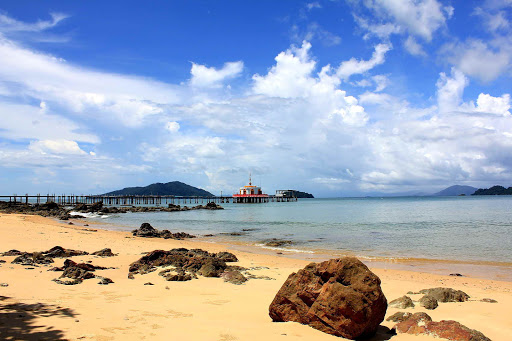
Koh Phayam is the Ranong island to consider when you want the Andaman coast without Phuket or Krabi momentum. The island guide describes boat access from Ranong, while Thailand’s public portal highlights Koh Phayam as a surfing area in Ranong.
The island works best for travellers who like simple beach days, scooters, casual bungalows, quiet roads and weather-aware planning. It is not the right choice if you need luxury infrastructure, heavy nightlife or guaranteed polished service in low season.
Why Go

Koh Phayam still has a slower texture than Thailand’s most famous islands. Roads are smaller, the nightlife is lighter, and the main decision is usually which beach mood fits the day.
Ao Yai is the broad, sunset-facing beach many travellers imagine first. Buffalo Bay is often described as quieter, with coves and calmer corners depending on tide and season.
The island is also useful for active readers. Thailand’s public portal notes surfing periods, and the island’s quiet roads suit scooter exploration if you are licensed, insured and cautious.
Compare it with travel guides, hotel ideas and wellness escapes before deciding whether Ranong is worth the extra routing.
What To Expect

Expect a mainland connection through Ranong, then a boat to the island. The island guide describes slow boat and speedboat options, with speedboats much faster when operating.
Season matters. In rainy months the island can feel very quiet, some businesses may reduce operations, and sea conditions can affect comfort and schedules.
Electricity, roads and services are not the same as Samui or Phuket. That is part of the appeal, but it means travellers should bring cash, medication, sun protection and patience.
If you surf, check current local conditions rather than assuming waves from an old guide. If you do not surf, treat rougher surf periods as a swimming-safety issue, not just a sport opportunity.
How To Plan
Plan at least three nights. One night is usually too much transfer effort, while three gives you a beach day, an island loop and a weather buffer.
Book accommodation that fits your season. A beautiful quiet bungalow can feel perfect in dry season and too isolated in heavy rain.
Use a scooter only if you are experienced and properly covered. Otherwise, choose accommodation close to the beach and restaurants you will use most.
Leave Ranong-town buffer time before flights or onward buses. Island boats and weather are not the place to gamble with a tight connection.
Think in transfer chains, not only map distance. Islands and parks often require a flight or bus, a pier transfer, a boat and then local movement after arrival.
Build a weather buffer. In southern Thailand, one rain system or rough-sea morning can change a tidy itinerary into a missed connection if every leg is too tight.
Choose accommodation around how you will move. If you do not want to ride a scooter, stay near the beach, pier or restaurants you will use most.
Carry cash and offline details. Smaller islands and rural routes can have patchy payment options, limited ATMs and changing transport desks.
Slow down once you arrive. The best reason to choose a quieter Thai destination is to enjoy the quieter rhythm, not to recreate a big-island checklist with fewer services.
Before setting out, save the address, opening details and one backup option in the same area. Bangkok and provincial Thailand both reward visitors who leave room for traffic, weather, closures and small changes of mood.
After the visit, avoid judging the stop only by whether it matched a photo or list. The better test is whether the timing, route, cost and pace made sense for the kind of day you wanted.
If you are travelling with someone else, agree on the goal before you go. One person may want photos, another may want comfort, and another may care most about price or convenience.
That small agreement helps prevent a common Thailand planning mistake: turning a useful stop into a rushed compromise because the group never decided what success looked like.
When in doubt, choose the plan that leaves everyone less tired at the end of the day.
Give yourself permission to skip the extra stop if the first plan does its job well.
A cleaner schedule usually produces a better Thailand day than one more rushed detour.
Keep the day humane, especially when heat, rain or traffic starts to shape the schedule.
Practical Information
Province: Ranong, Andaman coast.
Best for: slow beaches, sunset stays, simple bungalows, surfing windows, scooter days and travellers who like quieter islands.
View on Google Maps | View on Apple Maps
FAQ
How do I get to Koh Phayam?
Most travellers go through Ranong, then take a slow boat or speedboat depending on season and schedule.
Is Koh Phayam good in rainy season?
It can be very quiet and weather-dependent, so check boat conditions and accommodation operations before committing.
Is it a party island?
No. It is better for slow beach time, casual bars, scooters and a lower-key island rhythm.