
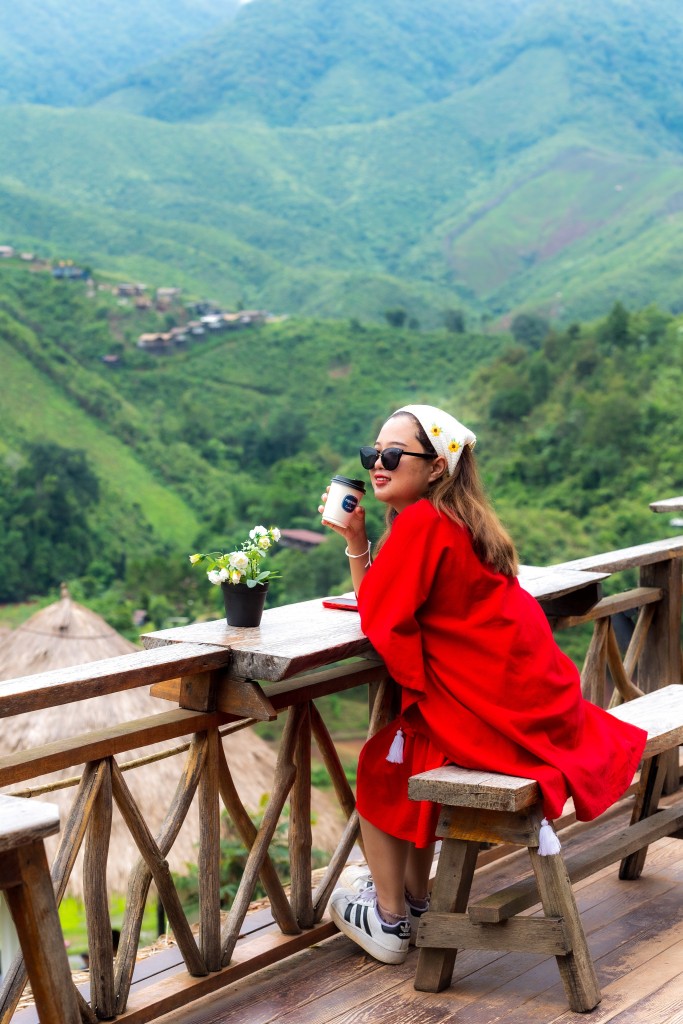
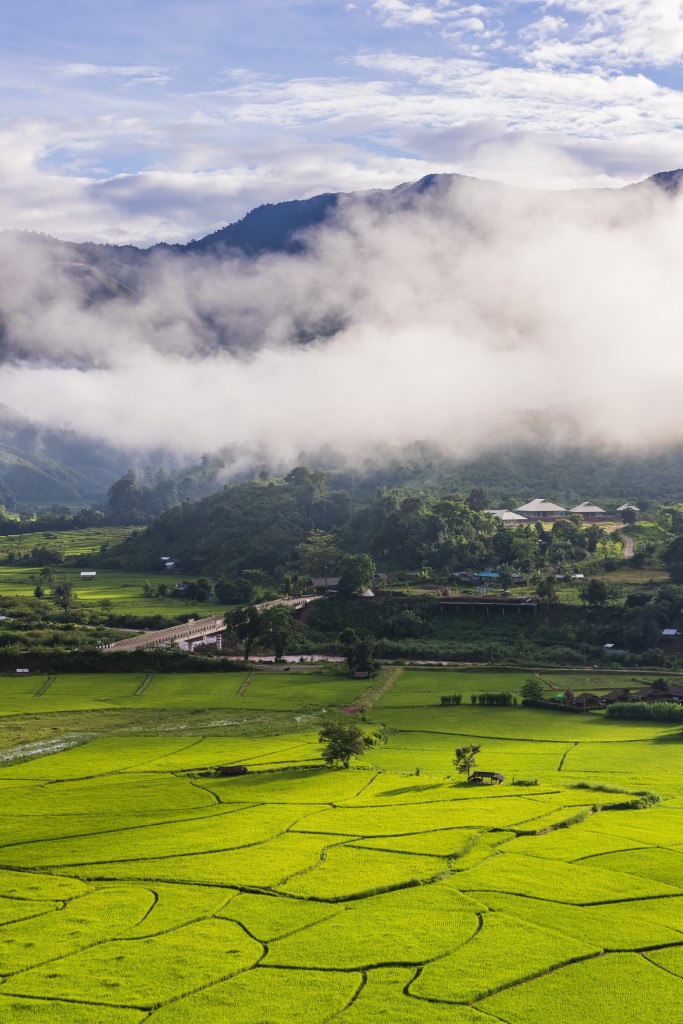
Sapan is a small mountain village in Bo Kluea district, Nan, set beside the Wa River among rice fields and forested slopes. In the rainy green season, mist hangs over the valley and the paddies take on the bright colour that drives much of the village’s appeal. The same weather can reduce visibility, swell streams and change road or waterfall access, so a useful itinerary must stay flexible.
Treat Sapan as a slow base rather than a photograph collected between bends. Stay at least one night, walk the village respectfully, visit Wat Sapan, and add Sapan Waterfall only when local conditions permit. Bo Kluea’s salt heritage and other Nan mountain stops can fill a broader loop, but the road deserves daylight and time. Do not schedule a remote village checkout immediately before a flight from Nan.
Choose Green Season
The valley becomes notably lush during the monsoon, with rice growth and low cloud shaping the classic view. Rain can fall in bursts or settle in for hours. Build one unassigned morning or afternoon so a viewpoint, walk or waterfall can move. Waterproofing and patience matter more than a forecast screenshot taken several days earlier.
Stay In The Village
Accommodation ranges from simple homestay-style rooms to small resorts and elevated cabins. Compare exact location, road access, bathroom arrangement, breakfast, parking and whether a famous view is visible from the booked room rather than the property generally. Ask about stairs and luggage handling. A balcony above rice fields may also face insects, farm sounds and early village activity.
Respect The Fields
Rice paddies are working farms, not public photo studios. Use marked paths, ask before entering private land and never step between plants for a cleaner frame. Keep drones grounded unless every aviation, park, property and privacy rule is satisfied. Buy food or coffee locally without treating a small purchase as permission to occupy a viewpoint for hours.
Walk To Wat Sapan
The village temple adds a quieter cultural layer to the landscape. Dress with shoulders and knees covered, remove shoes where indicated and keep voices low around worship. Do not block entrances for portraits. A short walk also reveals the Wa River and village rhythm better than driving from one viewpoint to another, provided rain and roadside visibility remain safe.
Approach The Waterfall
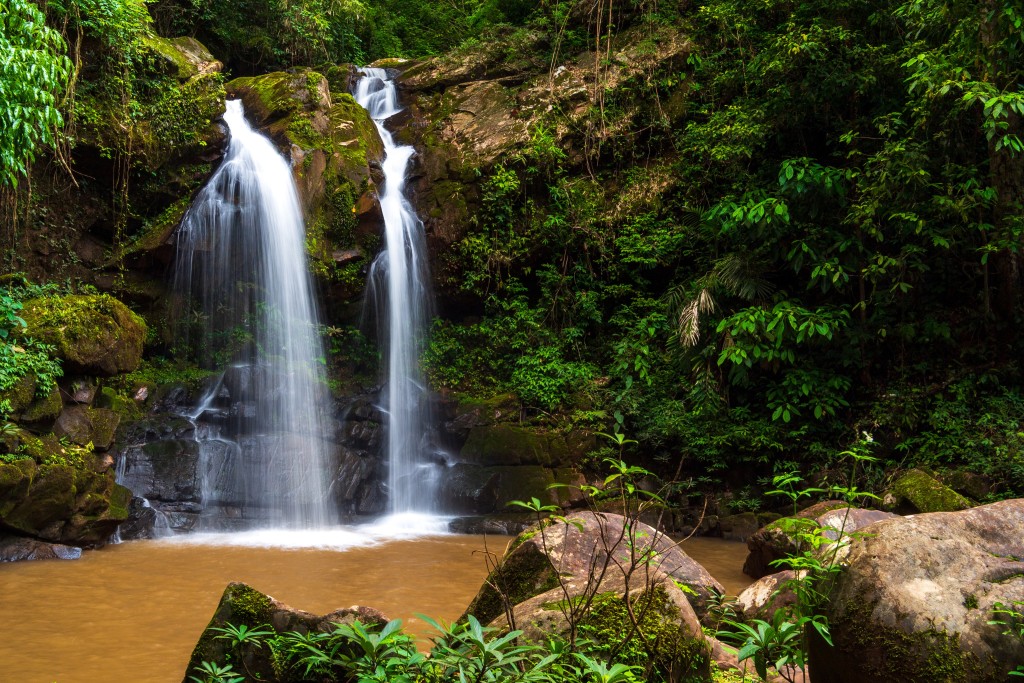
Sapan Waterfall is associated with the Khun Nan National Park area and requires a forest approach. Ask locally or through park channels whether access is open, the trail is passable and a guide or fee applies. Wet rocks, strong water and falling branches are genuine hazards. Turn around when rangers or weather indicate; an itinerary never overrides a closure.
Drive Conservatively
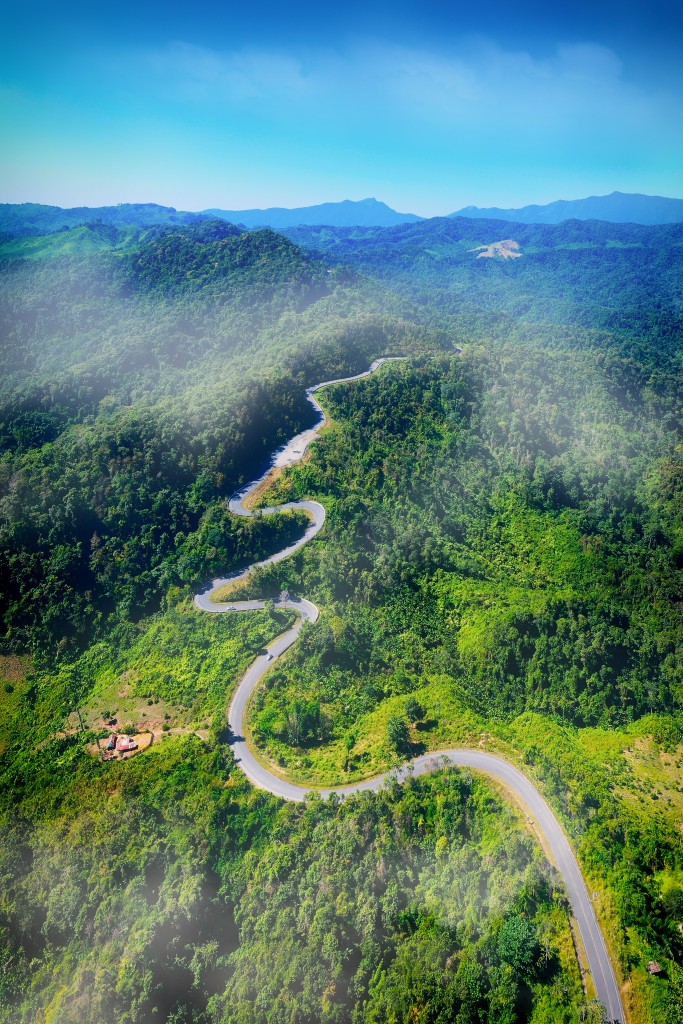
Routes in eastern Nan are steep and winding. Use a roadworthy vehicle with good tyres, brakes and fuel, then travel in daylight. Slow before blind bends, leave space behind trucks and never stop in the carriageway for a view. Motorcyclists need suitable experience and protective equipment. Heavy rain, fog or fatigue is a reason to pause, not a challenge to beat.
Link Bo Kluea
Bo Kluea town provides context through its traditional salt-well heritage and gives the trip another meal or overnight option. Check current opening and demonstration times rather than expecting activity throughout the day. Approach the community as a living place, buy directly where appropriate and avoid photographing residents closely without consent. Sapan is nearby in district terms, but mountain travel still takes time.
Pack For Wet Days
Carry a proper rain shell, dry bag for electronics, small umbrella, quick-drying layer, insect repellent and grippy shoes. Keep a torch in accommodation where paths are dark. Download maps before losing signal and store the Thai address. Medicine, drinking water and a little cash are more important than extra outfits in a remote valley.
Eat And Shop Locally
Small cafes, homestays and community businesses can change hours or sell out. Order northern dishes and seasonal produce with curiosity, but ask about spice and allergies. Bring cash even when a QR is displayed. Avoid demanding metropolitan speed from a village kitchen. The economic value of tourism spreads further when travellers stay, eat and buy locally rather than stopping only for a photograph.
Build A Three-Day Loop
A sensible plan uses one day to reach Bo Kluea or Sapan, a full flexible day for village walking and the waterfall, and a third day to return towards Nan city. Add Doi Phu Kha or other mountain stops only after checking park and road conditions. Reducing stops usually improves the trip: the landscape is the experience, not empty time between pins.
Leave A Weather Buffer
Flooding, landslides, fallen trees and temporary closures are uncommon on any single day but plausible in the season that makes Sapan green. Check local notices, ask accommodation staff and accept a longer route or an extra night when required. Travel insurance and flexible bookings help. A safe arrival the next day is better than forcing a wet mountain road after dark.
At A Glance
- Location: Sapan Village, Bo Kluea district, Nan province.
- Landscape: Wa River valley, rice fields, forested mountains and seasonal mist.
- Nearby sights: Wat Sapan, Sapan Waterfall and Bo Kluea’s salt heritage.
- Best trip style: At least one overnight, with a flexible green-season day.
- Road approach: Mountain roads require daylight, careful driving and current condition checks.
- Map: Open in Google Maps
Keep Planning
Browse more TFT coverage in Travel, Travel and Deals.
Questions
When is Sapan Village green?
The rainy growing season produces the lush paddies and mist, but exact field stages and weather vary.
Can I visit Sapan Waterfall in heavy rain?
Only if the access is open and local or park staff consider conditions safe. Do not enter during a closure.
How long should I stay?
One night is the practical minimum; two gives weather flexibility and a slower village experience.
Is the road difficult?
It is winding and mountainous. Drive in daylight with a roadworthy vehicle and pause in poor visibility.