
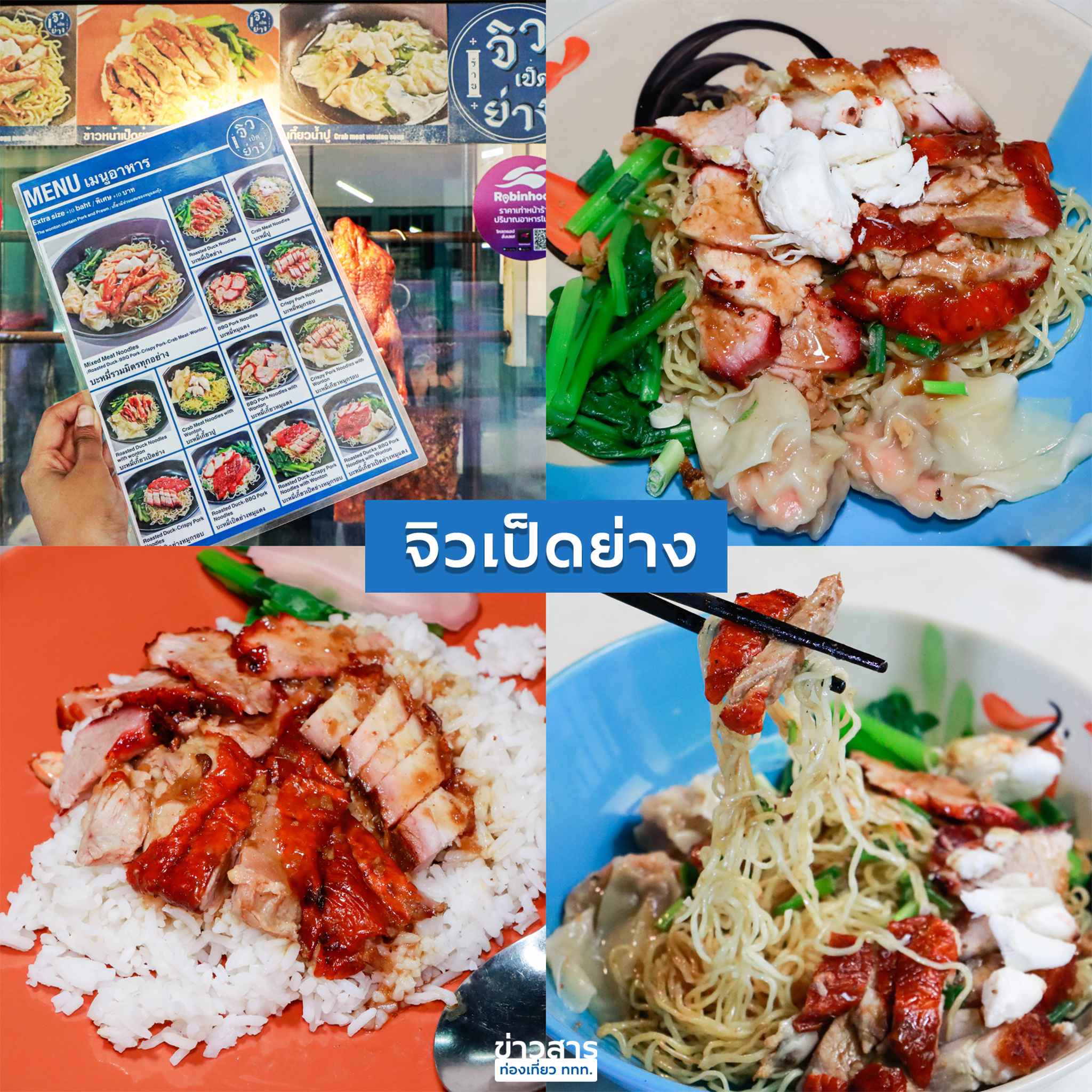
Thewet is an old riverside Bangkok neighbourhood where a fresh market, prepared-food stalls and plant shops sit close to Samsen Road and Devaraj Pier. Jiw Roast Duck gives the area a clear food anchor: roast duck served sliced, with rice or in noodles, followed by a short market walk rather than a destination meal built around ceremony.
The appeal is precision rather than novelty. Look at the duck, choose a portion that fits the group and ask what is available that day. Individual vendors and market sections keep their own hours, so arrive in the morning or around lunch and verify the roast-duck shop directly if it is the sole reason for travelling.
Why It Is Worth Considering
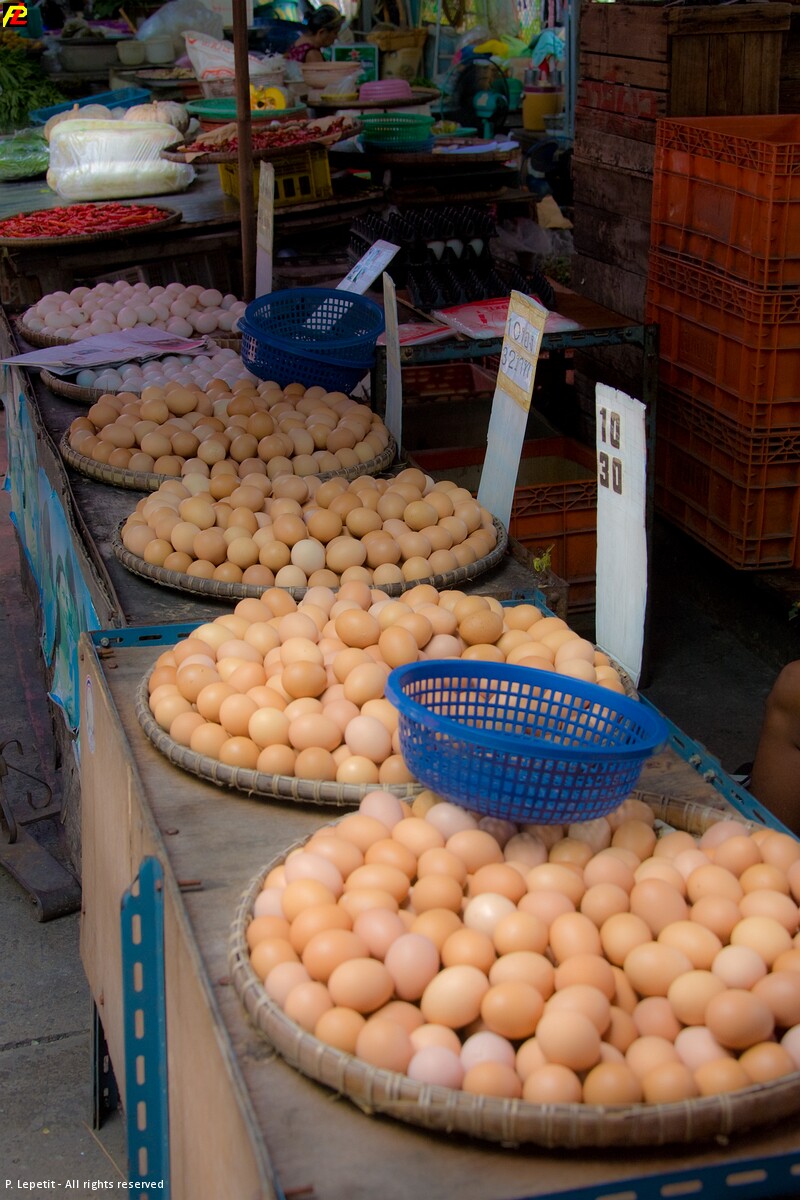
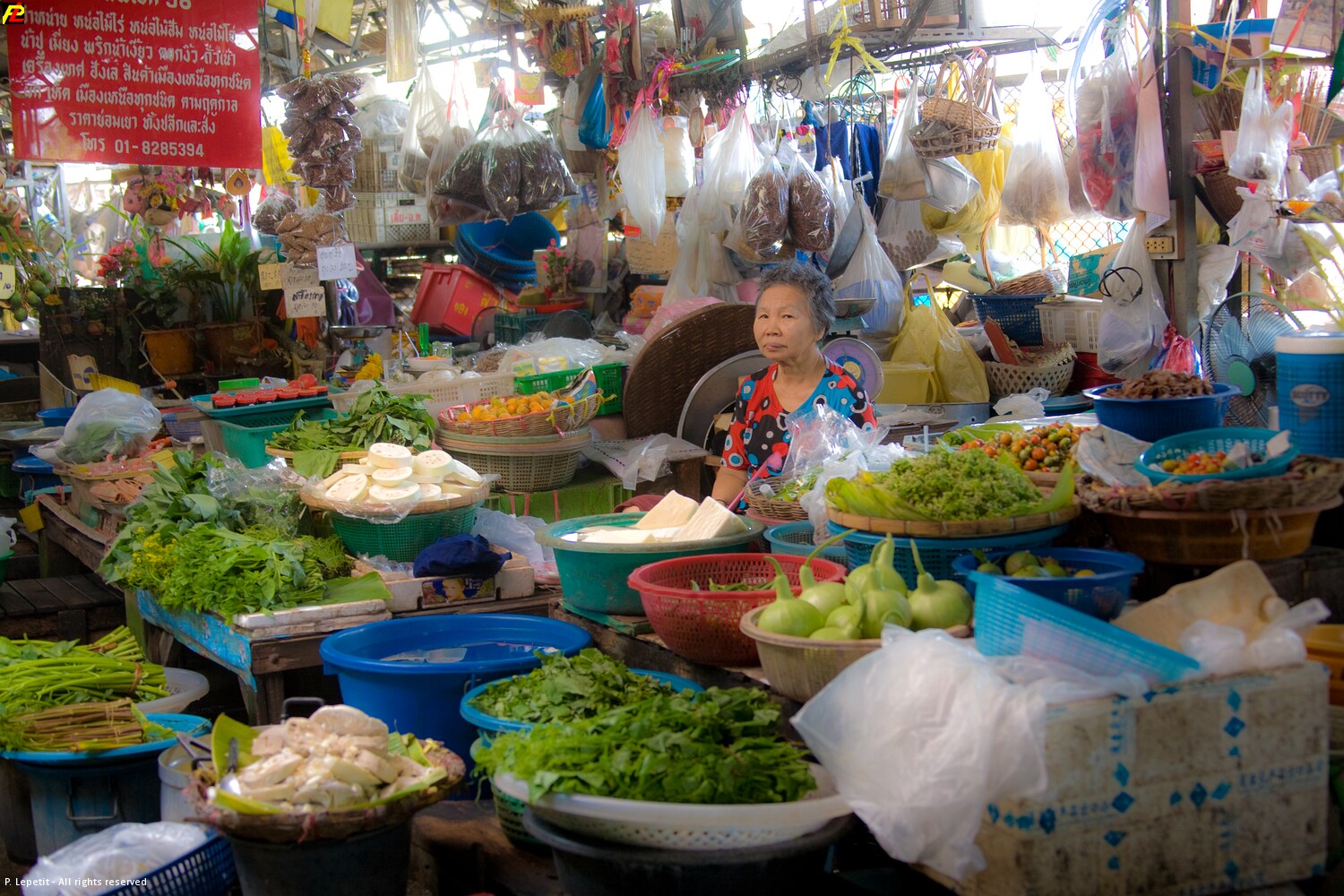
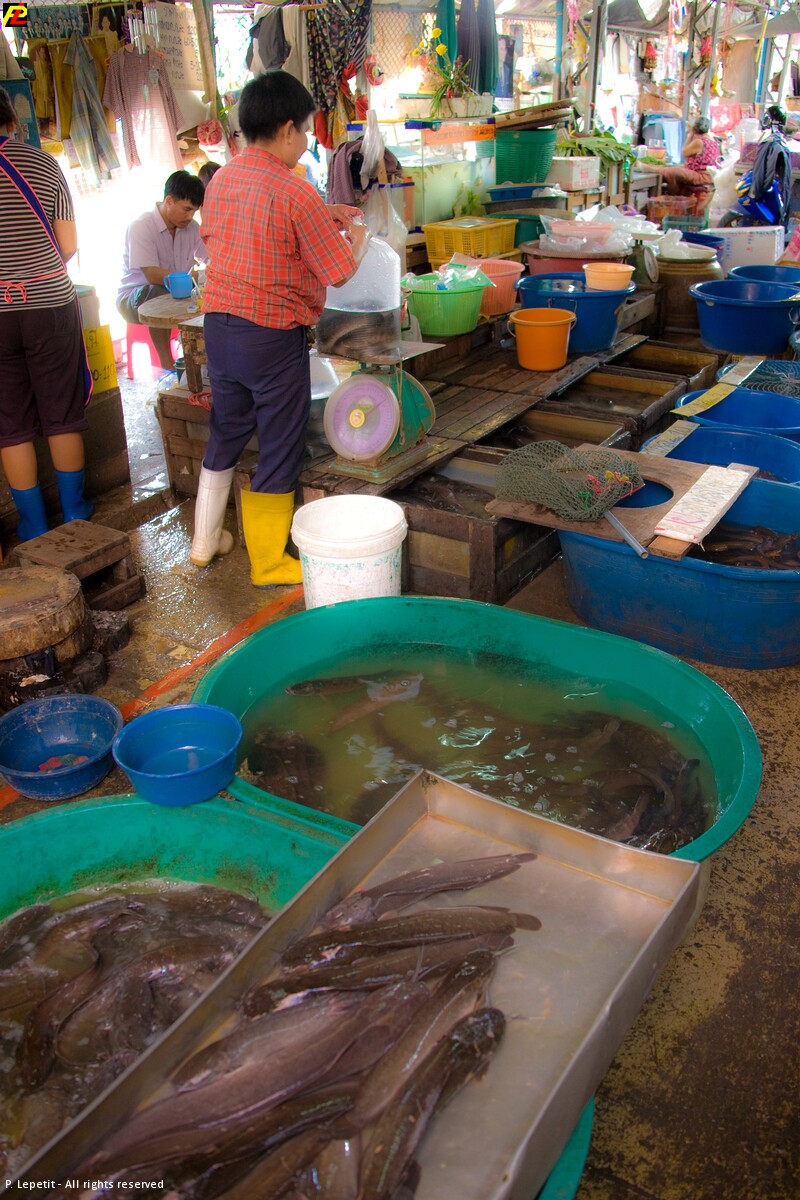
Thewet rewards visitors who want a working neighbourhood market rather than a staged night-market experience. Roast duck provides a satisfying main stop, while wet-market produce, cooked food and nearby plant stalls reveal how residents actually shop. Jiw Roast Duck at Thewet works best when its real character matches the reason for going, not when a popularity signal makes the decision. Define what a successful visit would look like before spending time or money.
What To Expect
Expect heat, narrow passages, damp floors and quick service. At the duck counter, portions may be chopped to order and served with sauce, rice or noodles. English may be limited, so a photograph, pointing and a clear quantity help. Conditions vary with date, weather, inventory and operating needs, so treat this as a planning frame rather than a promise that every detail will be identical on arrival.
Price And Value
Street-food prices can change with portion and ingredient costs. Ask the price before ordering, check whether rice or noodles are separate and carry small Thai-baht notes. A larger duck plate is only good value when the group can finish it. Compare the full cost for the actual group, including transport, food, service charge, tax, add-ons and cancellation exposure. The lowest headline is not always the strongest value.
Choose The Timing
Morning and lunch are the safest broad windows for seeing the fresh market active and food moving steadily. Avoid relying on an old fixed timetable. Heavy rain can make lanes slippery and traffic around Samsen Road slower. Build a realistic buffer before and after the main activity. Spare time protects the plan when traffic, queues, rain, transfers or local operations move more slowly than expected.
Getting There
River travel to Thewet or Devaraj Pier can be pleasant when the relevant boat service is operating. Road options include taxi, bus and ride-hailing. Confirm the final pier or market entrance because several pins can refer to the wider area. Save the destination in Thai and English, verify the final map pin and keep enough battery for navigation. Confirm the return journey before companions are tired or local transport becomes scarce.
Reserve Or Plan Well
A normal market meal should not need a reservation. Larger groups should split into smaller tables or contact the shop first. Decide whether the objective is duck, market photography or a broader Dusit walk so companions understand the pace. Keep written confirmations and review names, dates, party size, inclusions and cancellation terms. When no reservation is needed, save current opening information shortly before leaving.
Make It Comfortable
Wear closed shoes with grip, carry tissues and sanitiser, and keep valuables secure in crowded lanes. Choose food served hot, watch handling and ask clearly about soy, wheat, shellfish or other allergies, recognising that cross-contact is likely. Carry water where permitted, dress for the setting and tell companions about stairs, heat, noise, crowding or long transfers. Comfort planning is part of good value, not an afterthought.
Build A Better Visit
The riverside, Wat Thewarat Kunchorn and the plant-market area can extend the visit without a long transfer. Choose one addition and avoid blocking vendors or photographing people closely without permission. One well-matched extra stop is usually better than a long checklist. Leave room for food, rest and the unexpected so the core experience does not become a race.
Check Before Leaving
Verify the duck shop’s current service, market access, riverboat operation and weather before leaving. If cooked duck has been sitting in unsafe heat or hygiene looks poor, select another busy stall rather than treating reputation as a guarantee. Verify live hours, availability, access and every date-sensitive detail on the day. Contact the operator directly when one unanswered point would decide whether the journey or purchase is worthwhile.
Who It Suits
It suits curious diners, photographers who behave respectfully and visitors comfortable with a busy local market. Travellers needing air conditioning, strict allergen control, step-free certainty or a long leisurely meal should choose a conventional restaurant. People whose priorities differ should compare alternatives rather than treating popularity as proof of fit. A clear decision rule keeps this guide useful when plans change.
A Useful Final Filter
Jiw Roast Duck at Thewet is a strong choice when its real character matches the purpose of the visit. Reconfirm the essentials, keep the plan flexible and leave enough time to enjoy the experience rather than merely complete it. Small preparations protect the outcome without turning leisure, culture or travel into administration.
Practical Information
- Area: Thewet, Dusit district, Bangkok.
- Food focus: Roast duck by the plate, with rice or in noodles.
- Best broad window: Morning to lunch; verify current service.
- Nearby access: Samsen Road and the Devaraj or Thewet riverside area.
- Map: Open in Google Maps
Keep Planning
Browse more TFT coverage in Street Food, Travel and Deals.
Questions
Is Thewet only a food market?
No. Fresh produce, prepared food and plant stalls form part of the wider area.
Should I reserve?
Usually not for a normal visit, but large groups should contact the shop.
Are hours guaranteed?
No. Verify the current vendor schedule before a dedicated trip.
Is it safe for severe allergies?
Shared preparation can make strict avoidance difficult; discuss the risk directly.