
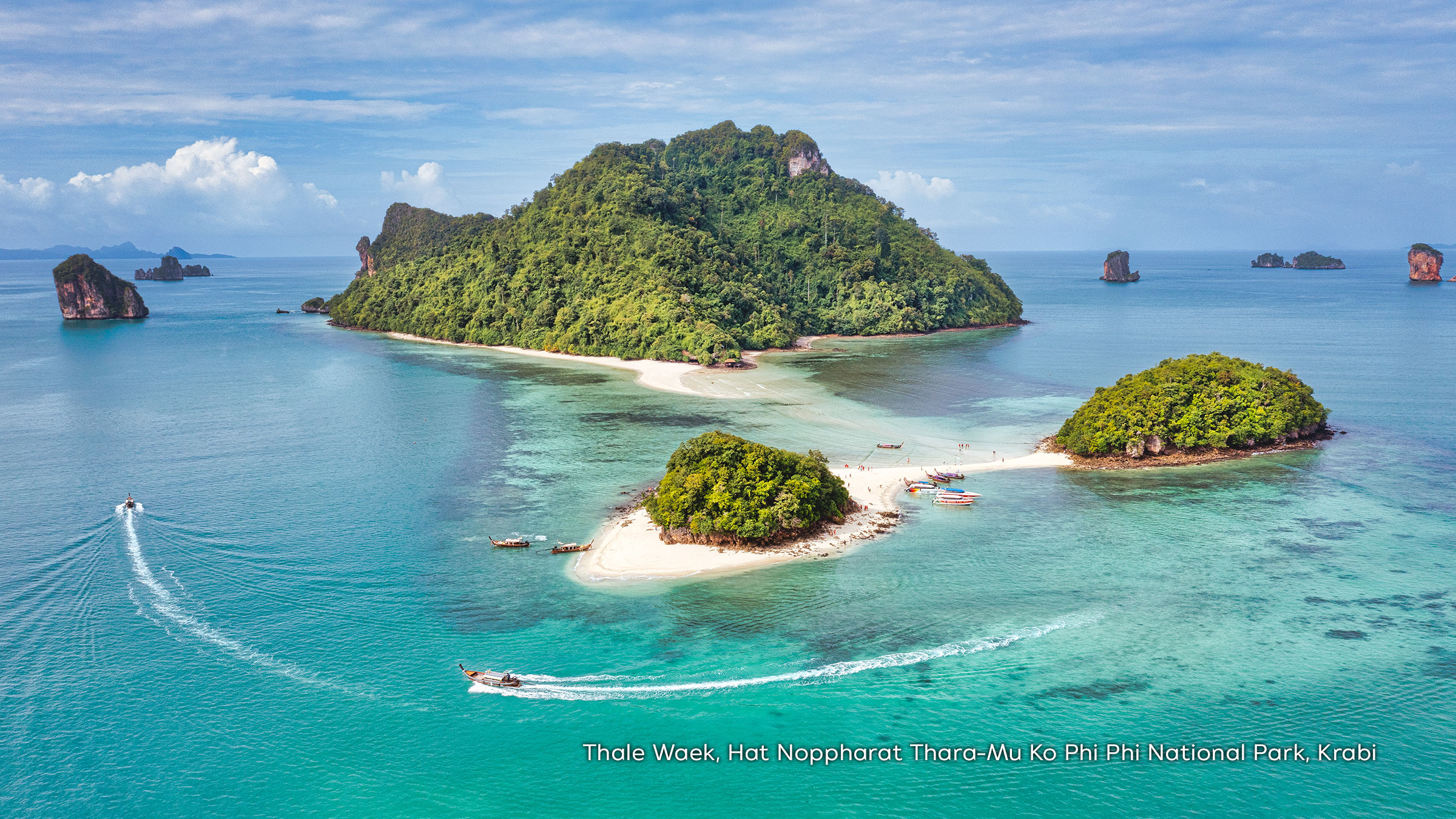
Krabi’s limestone cliffs and turquoise water made it one of Thailand’s most recognisable destinations. That success also creates pressure: crowded boat routes, concentrated spending and waste that small islands and coastal communities must absorb. Krabi Prototype, introduced by the Tourism Authority of Thailand in September 2026, positions the province as a model for tourism that protects natural assets while spreading benefits more widely.
For travellers, the idea is not an abstract sustainability label. It changes how you plan: stay longer, visit fewer places per day, book community-led experiences and treat park rules as part of the trip rather than an inconvenience.
What Krabi Prototype means
The initiative brings public agencies, tourism businesses and communities around a common goal: keep Krabi desirable without exhausting the places people come to see. It connects environmental care with local income, cultural continuity and better visitor management.
A responsible trip can still include Maya Bay, Phi Phi, Railay and the hot springs. The difference is pace and balance. Pair famous scenery with mainland and community experiences, use regulated operators and leave room for seasonal closures or capacity limits.
Begin with the right base
Choose accommodation according to the places you genuinely plan to visit. Ao Nang is convenient for boat departures; Krabi Town suits food, markets and local transport; quieter coastal areas reward travellers who value space over nightlife. Constantly moving hotels creates extra journeys and consumes time that could be spent in one community.
Our Railay guide helps with the peninsula’s boat-only logistics, while the Tubkaak guide covers a calmer mainland coast. Compare stays in our hotel section.
Add community-led experiences
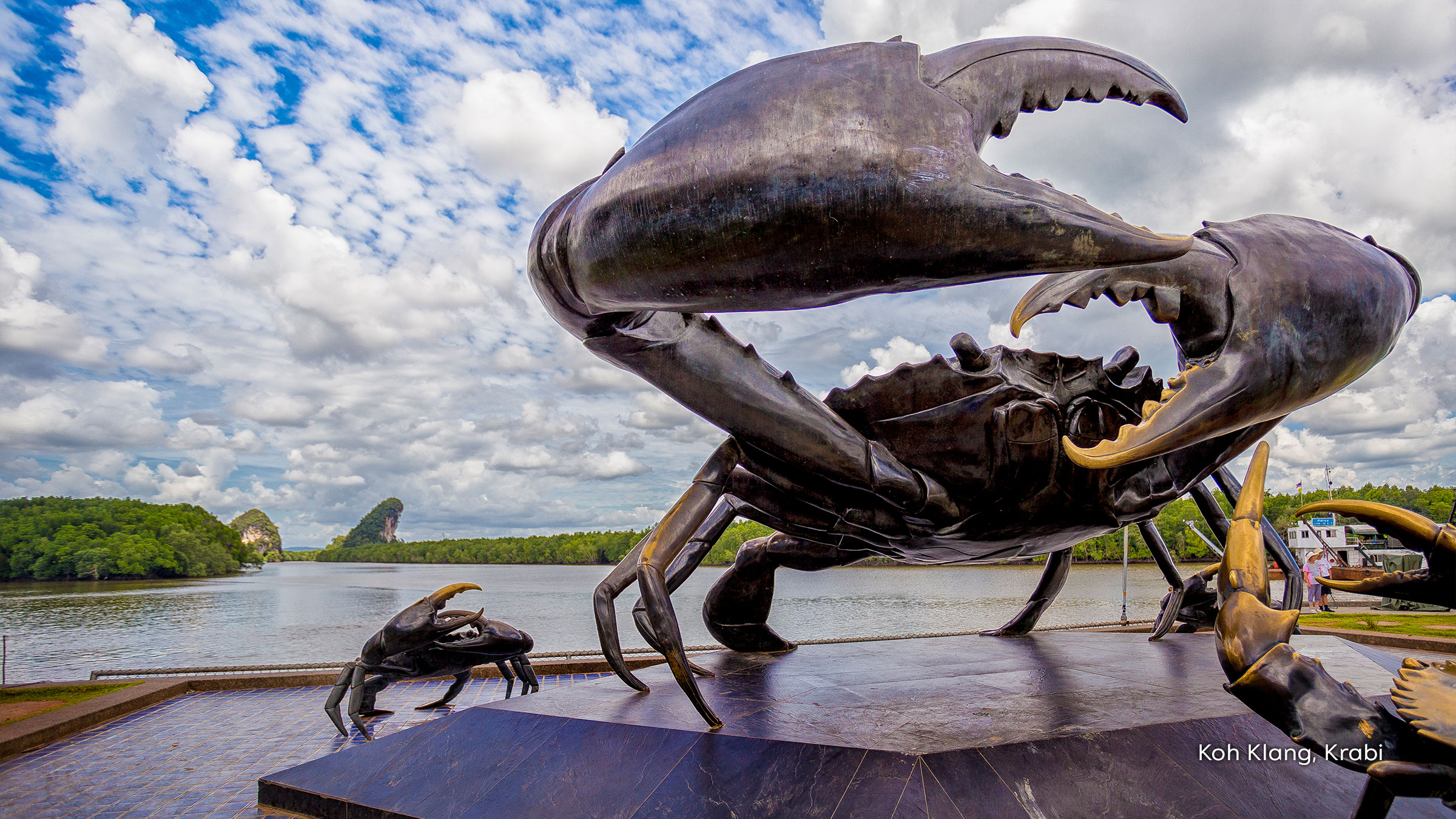
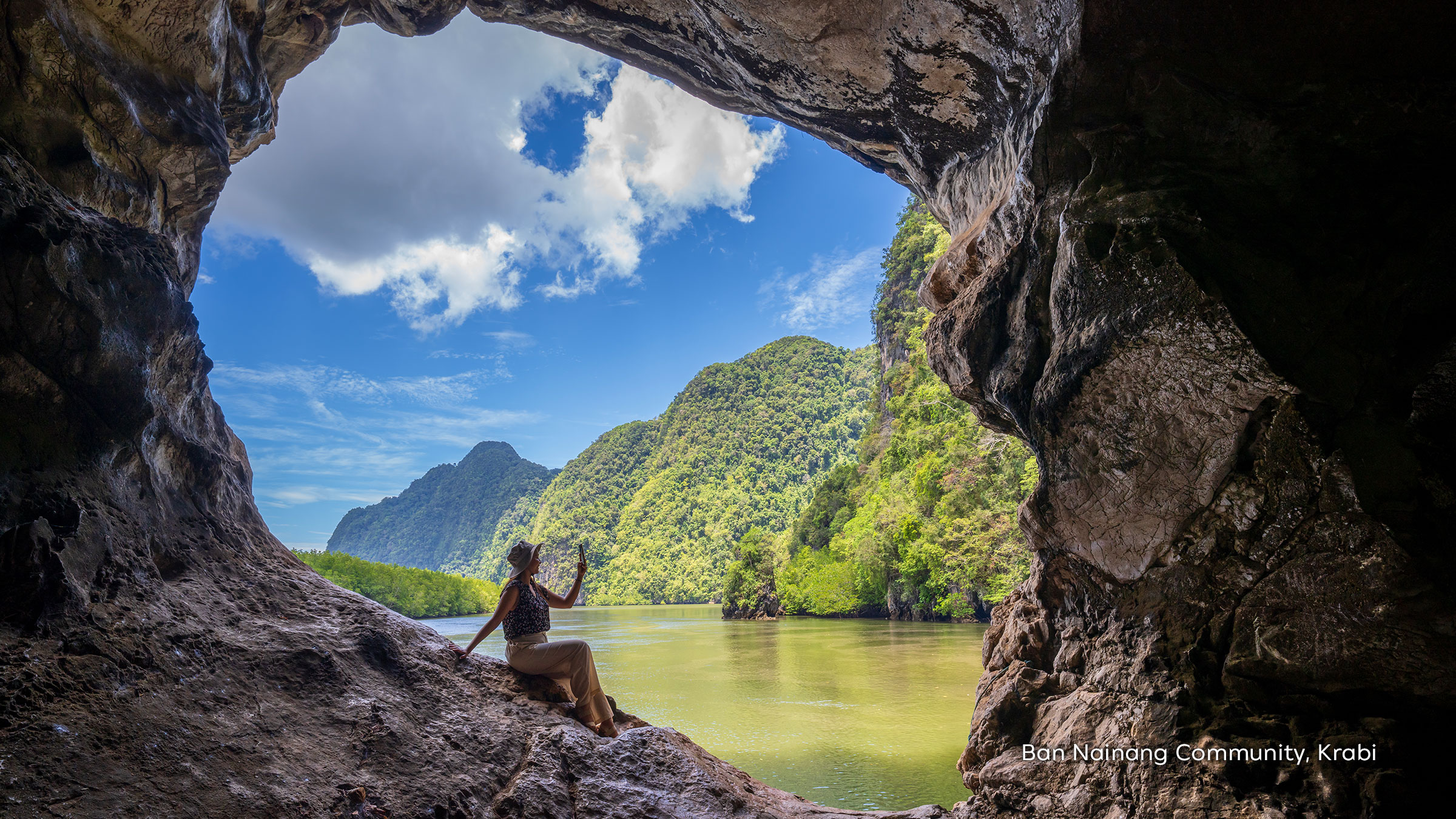
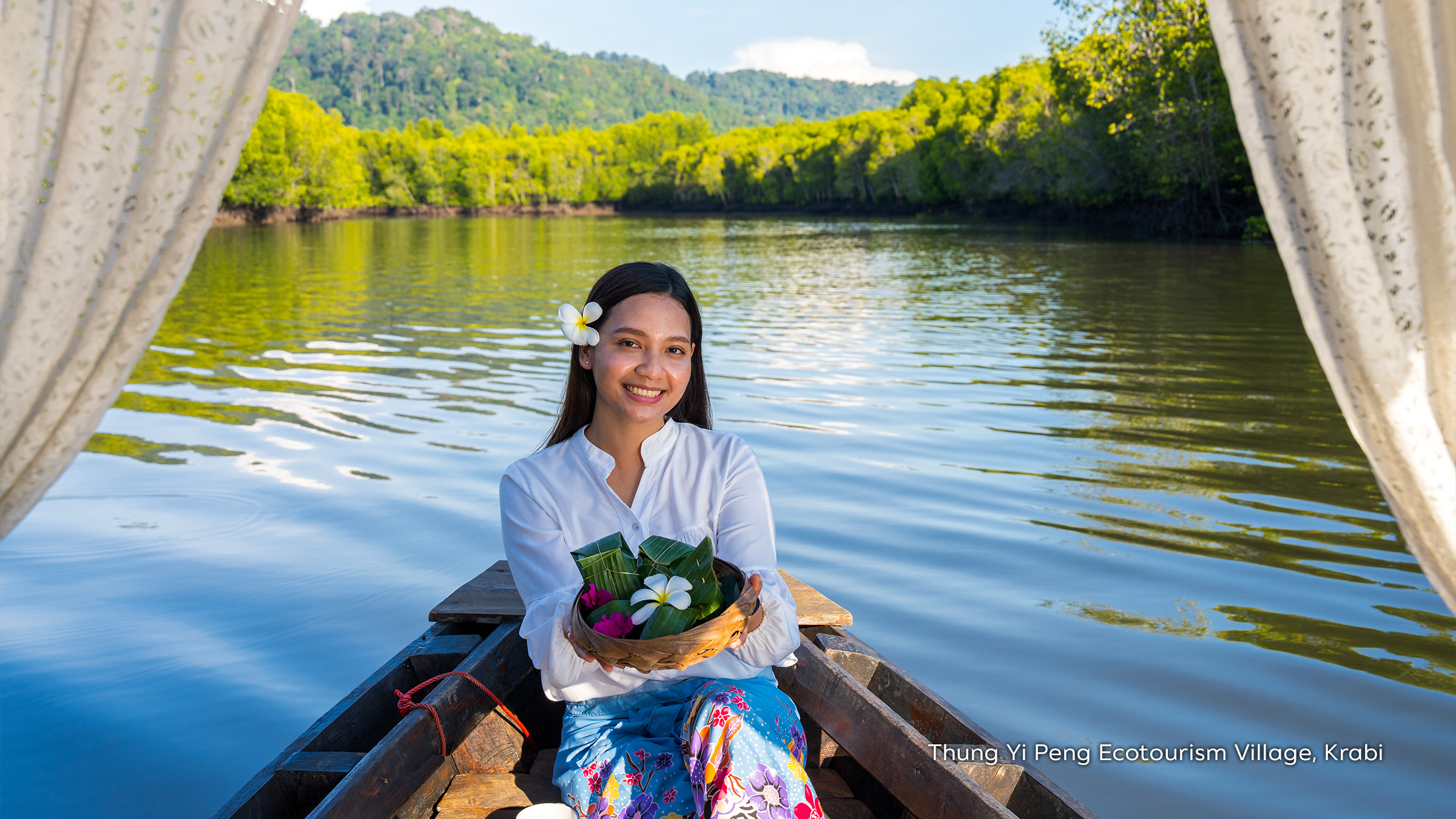
Laem Sak, Ban Nai Nang, Koh Klang and Thung Yi Peng illustrate a broader Krabi beyond island day trips. Activities may include mangrove exploration, local food, crafts, farming and conversations about how coastal livelihoods are changing.
Book with recognised community groups or responsible operators, ask what portion of the fee remains locally and follow the host’s pace. Do not treat homes, places of worship or working landscapes as open-air sets. Permission matters, especially before photographing people.
Respect the marine environment
Use established piers and licensed boats. Keep distance from coral, never stand on reefs and do not take shells or marine life. Reef-safe behaviour matters more than a marketing label: secure loose items, minimise single-use packaging and bring every piece of waste back to shore.
National parks may close bays, trails or dive areas for weather, safety or ecological recovery. Check current notices shortly before travel and accept closures without pressuring operators to find unofficial access. A flexible backup day on the mainland protects the holiday from disappointment.
Travel slowly
A four-island checklist can become a sequence of rushed transfers. Consider one well-paced boat day instead, then devote another day to mangroves, a community, a walk or a long lunch. Fewer movements reduce fuel use and give each place more meaning.
Shared transfers can be efficient, but a crowded speedboat is not automatically sustainable. Ask about group size, route, waste handling and safety. The most responsible operator is often the one willing to cancel when weather makes the plan unsafe.
Spend beyond the resort
Large hotels provide jobs, but travellers can broaden the local benefit by eating at independent restaurants, booking community guides and buying directly from craftspeople. Choose products you will use rather than souvenirs made to satisfy a vague idea of authenticity.
Cash remains useful in smaller communities. Carry modest notes, pay the stated price and avoid aggressive bargaining over low-cost handmade work. A respectful transaction is part of responsible travel.
Include culture
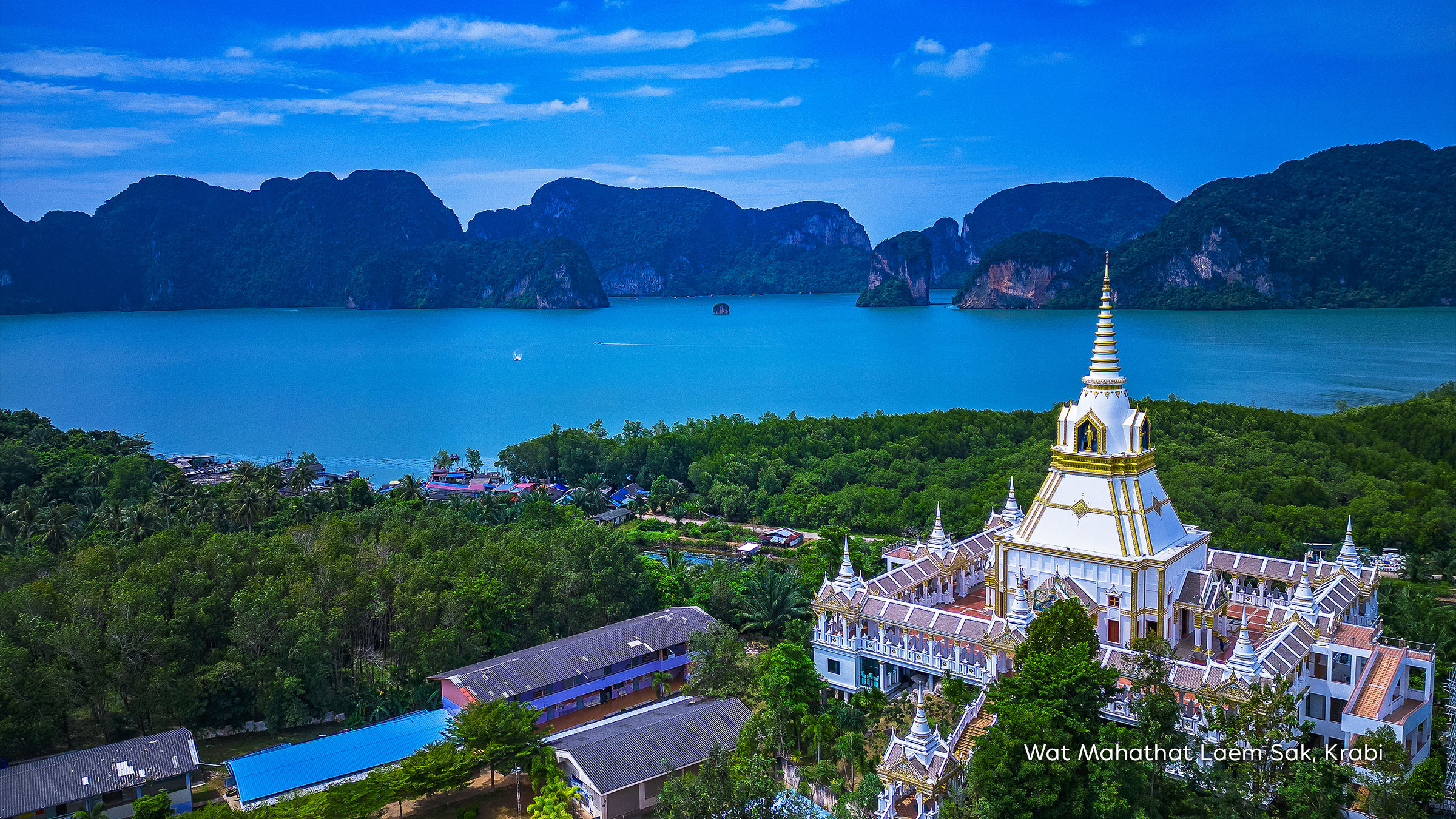
Krabi is more than beaches. Places such as Wat Mahathat Laem Sak add cultural context to a northern coastal route. Dress appropriately, keep voices low and follow signs around sacred spaces. If a ceremony is taking place, observe from a respectful distance unless invited.
Local food also carries history. Ask what is seasonal and produced nearby, and try dishes connected to fishing, Muslim communities and southern Thai agriculture. Eating locally turns sustainability from a restriction into one of the trip’s pleasures.
A three-day outline
On day one, settle into your base and explore the immediate neighbourhood on foot. Day two can be a regulated island or marine-park trip, chosen after checking conditions. Use day three for a community experience, mangrove route or Krabi Town, rather than repeating another fast boat circuit.
With more time, add one quiet mainland coast and keep an unscheduled weather day. Browse our Thailand travel guides for routes that connect Krabi with nearby provinces without unnecessary backtracking.
Small choices that add up
Refill water where facilities allow, decline disposable cutlery, switch off air conditioning when leaving the room and reuse towels. Do not feed wildlife. Choose sunscreen and personal-care products thoughtfully, but remember that no product makes touching coral acceptable.
Krabi Prototype will succeed only if tourism remains valuable to residents and viable for ecosystems. A visitor cannot solve every structural issue, but a slower itinerary, respectful behaviour and locally directed spending are concrete contributions. They also produce a better trip.