
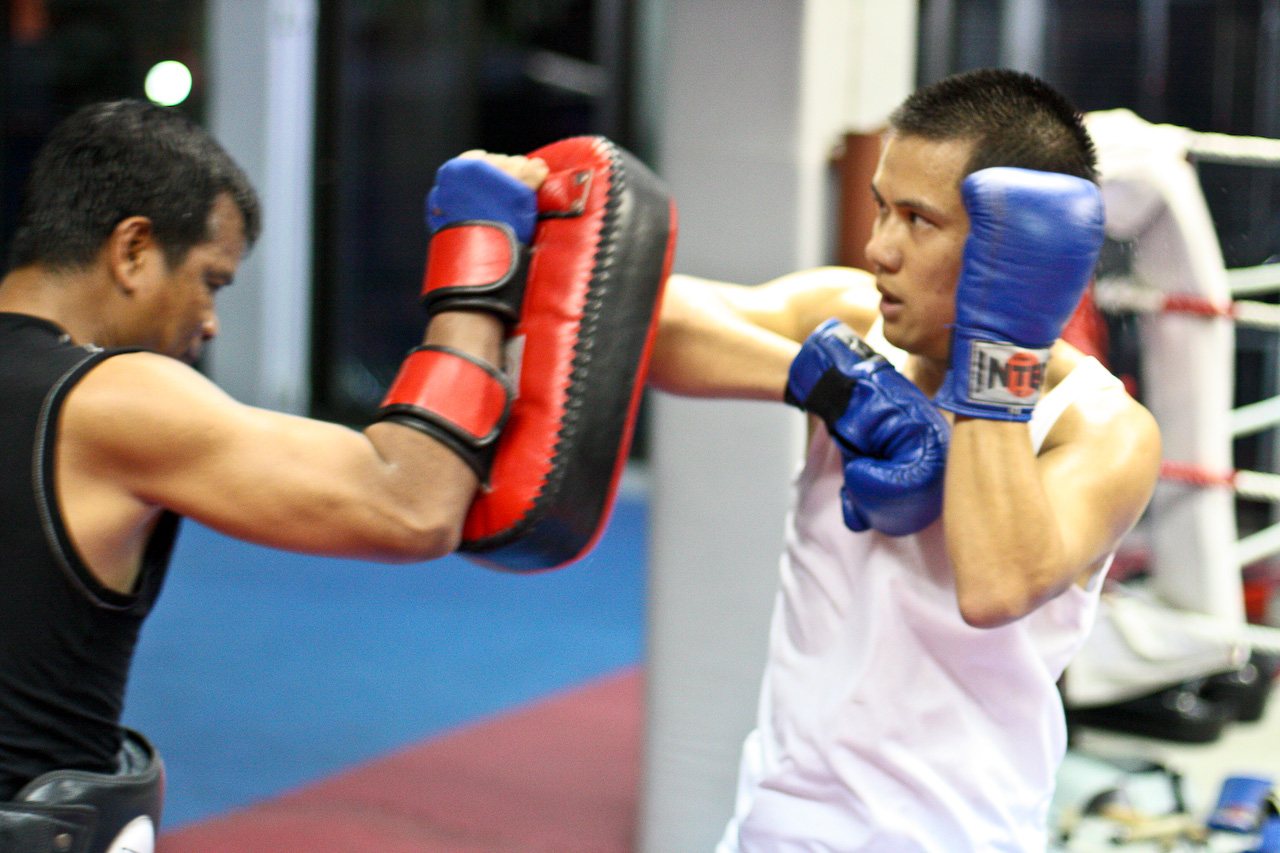
Long before mixed martial arts captured the global imagination, Thailand had already perfected its own combat discipline — one so effective, so deeply embedded in national identity, that it is simply known as “the art of eight limbs.” Muay Thai (มวยไทย) is not merely a sport in Thailand; it is a cultural institution, a spiritual practice, and a way of life that has shaped the nation’s history for centuries. For visitors to Thailand, witnessing a live Muay Thai bout is one of the most visceral, exhilarating, and culturally illuminating experiences the kingdom has to offer.
The History of Muay Thai
Muay Thai’s origins are shrouded in the mists of Thai military history. The discipline evolved from muay boran (ancient boxing), a battlefield combat system developed by Siamese soldiers who needed effective hand-to-hand techniques when weapons were lost or broken in combat. Unlike Western boxing, which restricts strikes to the fists, muay boran — and its modern descendant Muay Thai — employs eight points of contact: two fists, two elbows, two knees, and two shins. This comprehensive striking system made it devastatingly effective in close combat.
The most celebrated figure in Muay Thai legend is Nai Khanomtom, a Siamese prisoner of war captured by the Burmese in 1774 following the fall of Ayutthaya. According to tradition, Nai Khanomtom was forced to fight against ten Burmese warriors in succession, defeating all of them using only his Muay Thai skills. So impressed was the Burmese king that he granted Nai Khanomtom his freedom. Each year, 17 March is celebrated as National Muay Thai Day in his honour.
The sport underwent its most significant modernisation in the 1920s and 1930s, when formal rules were introduced, boxing gloves replaced the traditional hemp rope hand wraps, weight classes were established, and timed rounds replaced the old system of fighting until one combatant could no longer continue. These reforms transformed Muay Thai from a military skill into a regulated competitive sport, though it retained its deep spiritual and ceremonial dimensions.
The Ritual and Ceremony
What distinguishes a Muay Thai bout from any other combat sport is the extraordinary ritual that precedes the fighting. Every bout begins with the wai kru ram muay — a ceremonial dance in which each fighter pays respect to their teacher (kru), their training camp, and the spirits of the ring. Fighters circle the ring slowly, touching each corner post with a prayer, before performing a series of stylised movements that are unique to their training lineage.
Throughout the wai kru and the subsequent bout, live traditional music accompanies the action. A small orchestra — typically comprising a pi (Java pipe), two klong khaek (tom-tom drums), and ching (small cymbals) — plays continuously, its tempo rising and falling with the intensity of the fight. The music serves both a practical and spiritual purpose: it sets the rhythm of the bout, encourages the fighters, and creates the hypnotic atmosphere that distinguishes Muay Thai from any other combat sport in the world.
Fighters wear a mongkhon (sacred headband) during the wai kru, which is removed before the fighting begins, and a pra jiad (armband) throughout the bout. Both are blessed by monks and believed to offer spiritual protection. The deeply personal nature of these rituals — each fighter’s wai kru is unique to their lineage — gives every bout a ceremonial gravitas that elevates it far beyond mere athletic competition.
Where to Watch Muay Thai in Bangkok
Rajadamnern Stadium
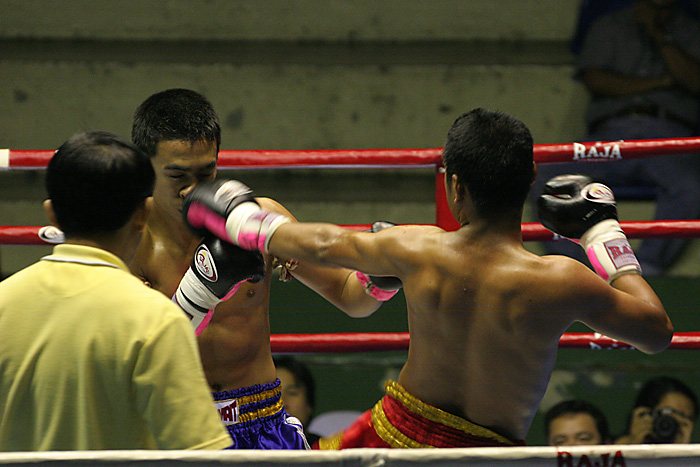
Opened in 1945, Rajadamnern Stadium on Ratchadamnoen Nok Road is the oldest purpose-built Muay Thai stadium in the world and remains the sport’s most prestigious venue. Fighting at Rajadamnern is considered the highest honour in a Thai boxer’s career, and the stadium regularly hosts championship bouts that attract the finest fighters in the country.
The stadium underwent a significant renovation completed in recent years, modernising its facilities whilst preserving its historic character. Bouts are held on Monday, Wednesday, Thursday, and Sunday evenings, typically beginning at 6:30 PM with the main card running until approximately 11:00 PM. Ticket prices range from approximately 1,000 THB for third-class seating to 2,000 THB for ringside seats. The atmosphere is electric — particularly in the lower tiers where Thai gamblers cluster, their frenzied hand signals and shouted bets adding an extraordinary layer of intensity to the proceedings.
Location: 1 Ratchadamnoen Nok Road, Pom Prap Sattru Phai, Bangkok
Getting There: Taxi or tuk-tuk from Khao San Road (5 minutes) or BTS/MRT and taxi
Lumpinee Boxing Stadium
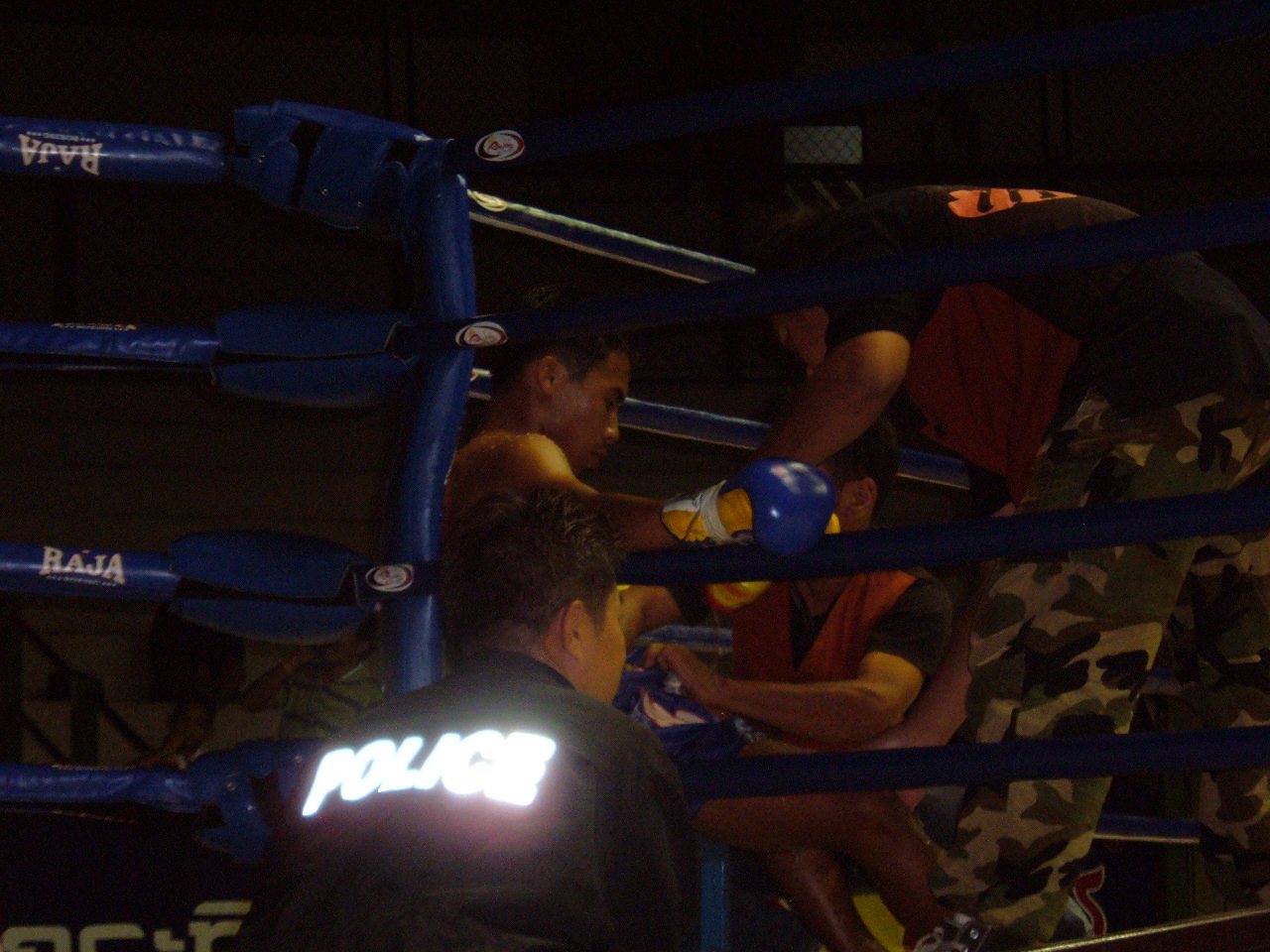
Originally established in 1956 and relocated to its current purpose-built facility on Ram Intra Road in 2014, Lumpinee Stadium is Rajadamnern’s great rival and co-equal in prestige. The new venue is a modern, well-appointed arena that seats thousands and offers excellent sightlines from every position. Championship belts from both Rajadamnern and Lumpinee are considered the twin pinnacles of Muay Thai achievement.
Bouts are held on Tuesday and Friday evenings from approximately 6:00 PM, with Saturday afternoon programmes occasionally added. Ticket prices are comparable to Rajadamnern, ranging from 1,000 to 2,000 THB depending on seating class. The atmosphere at Lumpinee can be slightly less frenetic than Rajadamnern’s famously intense gambling sections, making it a marginally more comfortable introduction for first-time visitors — though both venues deliver an unforgettable experience.
Location: Ram Intra Road, Anusawari, Bang Khen, Bangkok
Getting There: Taxi from central Bangkok (30–45 minutes depending on traffic)
Tourist-Oriented Shows
For visitors seeking a more accessible introduction, several venues in Bangkok and tourist areas offer Muay Thai shows tailored for international audiences. These typically feature English commentary, shorter programmes, and more comfortable seating. MBK Fight Night at MBK Centre offers free outdoor Muay Thai on Wednesday evenings — an excellent no-cost introduction to the sport. Various shows along Khao San Road and in tourist-heavy areas like Sukhumvit and Silom offer nightly bouts with English-speaking hosts.
However, serious Muay Thai enthusiasts should make the effort to attend Rajadamnern or Lumpinee. The atmosphere, the quality of the fighters, and the authenticity of the experience at these historic stadiums is incomparably superior to any tourist show.
Understanding the Fights
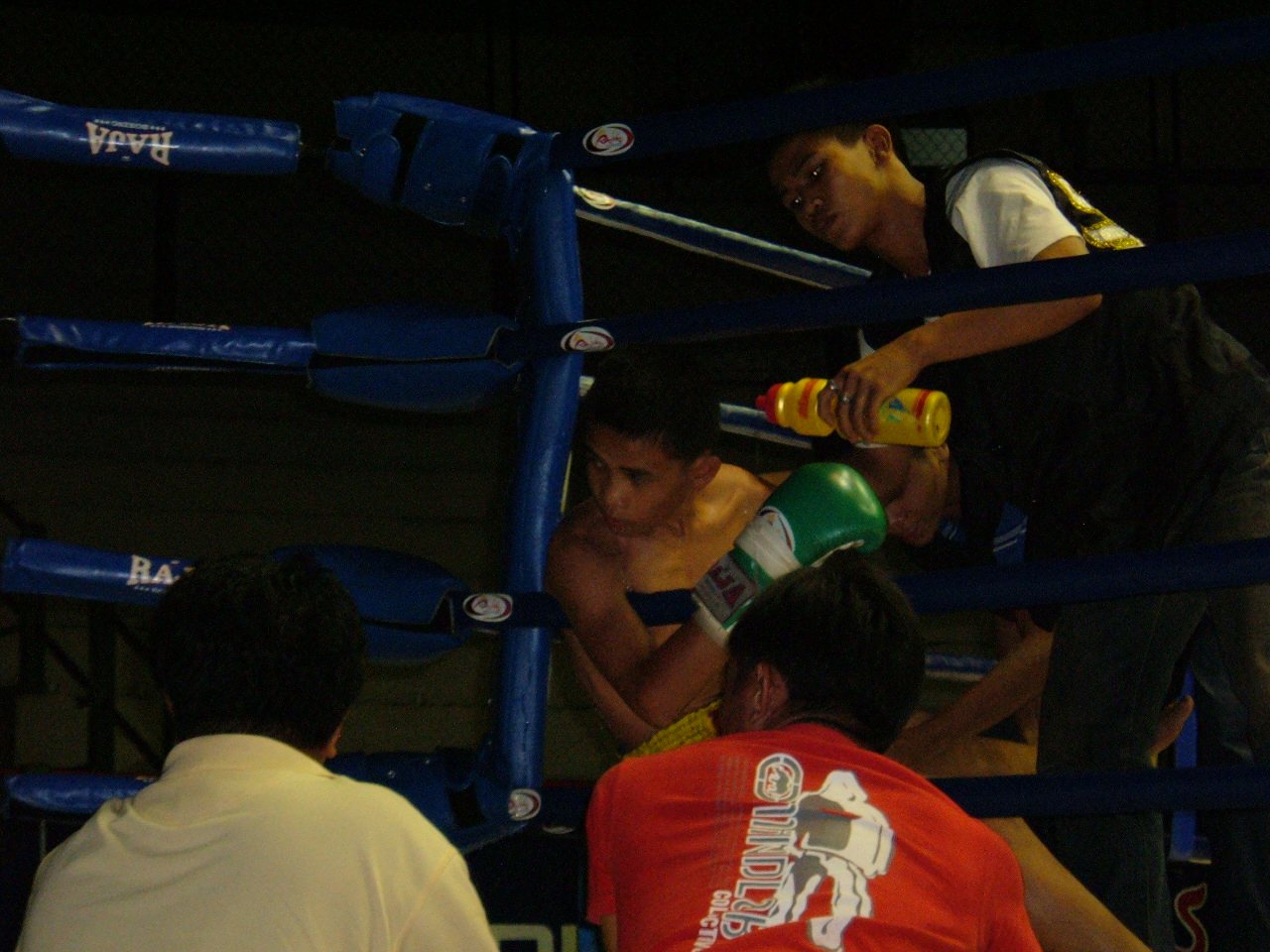
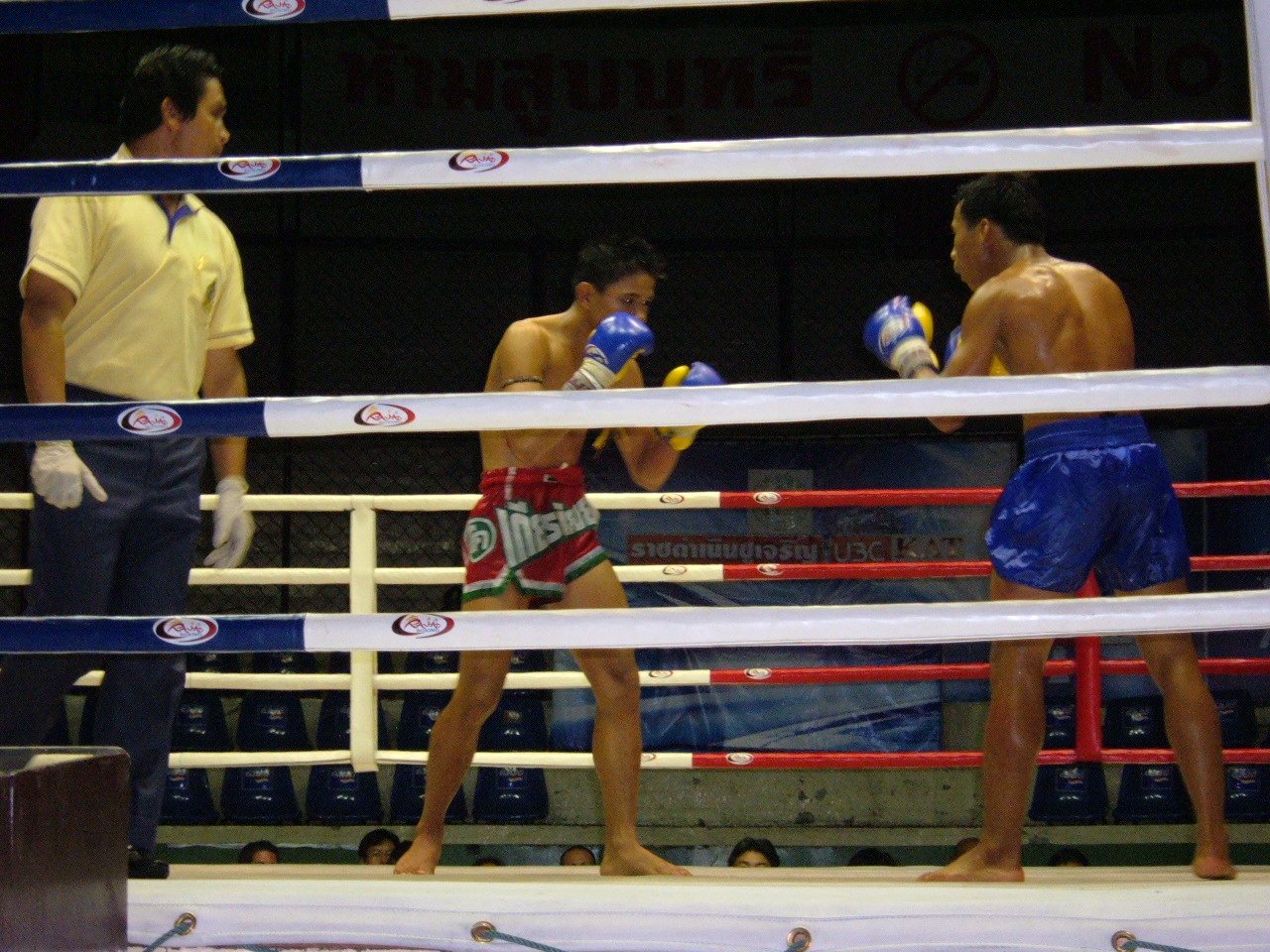
A standard Muay Thai bout consists of five rounds of three minutes each, with two-minute rest periods between rounds. Victory can be achieved by knockout, technical knockout, or judges’ decision. The scoring system rewards technical skill, clean striking, and ring generalship — Thai judges particularly value kicks to the body and the devastating use of knees in the clinch, which is considered the most technically demanding aspect of the art.
Experienced observers will notice that the first two rounds of a Thai bout are often fought at a measured, almost cautious pace, with both fighters assessing each other’s range, timing, and preferred techniques. The action typically intensifies dramatically from round three onward, building to a crescendo in rounds four and five. This rhythmic structure, echoed by the accelerating tempo of the live music, gives Thai boxing a narrative arc that is absent from most combat sports.
Training: Experiencing Muay Thai First-Hand
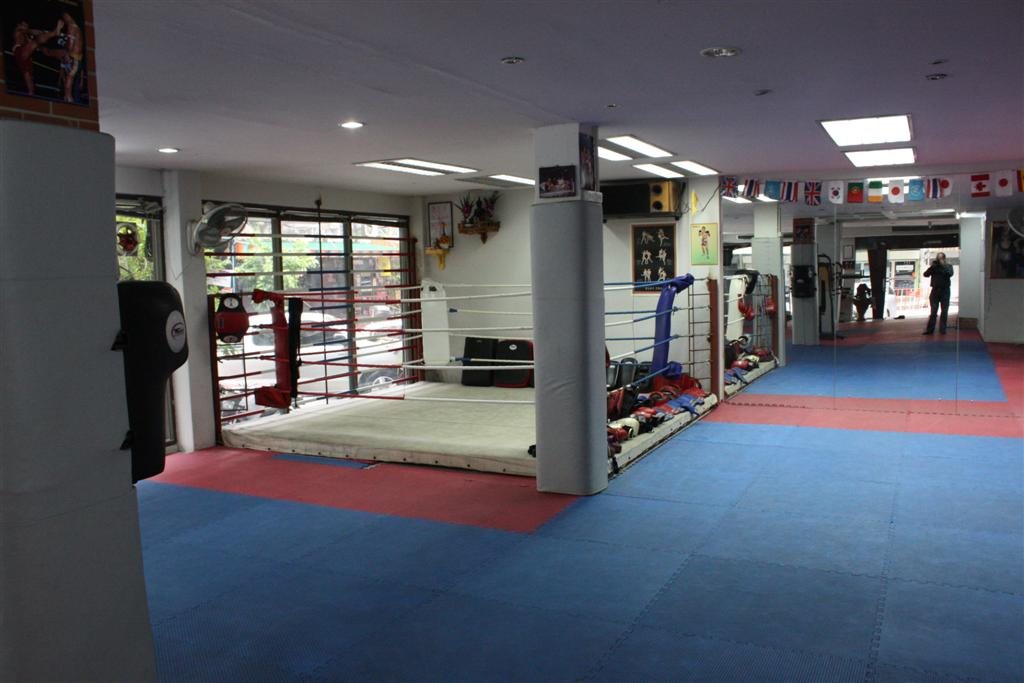
For those inspired to try Muay Thai themselves, Bangkok offers dozens of training camps that welcome foreign students for sessions ranging from a single class to months-long immersions. Well-regarded camps catering to international visitors include Attachai Muay Thai Gym in the Thonglor area, Elite Fight Club near Asok, and numerous camps along the BTS corridor. A single training session typically costs 300–500 THB, whilst weekly packages range from 2,000 to 5,000 THB depending on the camp’s prestige and facilities.
No prior martial arts experience is necessary — beginner classes focus on basic techniques, fitness, and pad work in a supportive environment. The training is physically demanding but deeply rewarding, and even a single session provides profound insight into the discipline, conditioning, and technical sophistication that underpins this ancient art.
A Living National Treasure
In 2023, UNESCO inscribed Muay Thai on its Representative List of the Intangible Cultural Heritage of Humanity — a recognition that confirms what Thais have always known: this is far more than a sport. Muay Thai is a living cultural practice that connects modern Thailand to its warrior past, that binds communities through shared training and spectatorship, and that continues to inspire practitioners around the world with its combination of devastating effectiveness and profound spiritual depth.
Whether you witness a championship bout at Rajadamnern, try your hand at a beginner’s class, or simply appreciate the art from a ringside seat at a local stadium, engaging with Muay Thai is one of the most authentic cultural experiences Thailand has to offer. The art of eight limbs has survived centuries of change and emerged stronger than ever — and the electric atmosphere of a live Thai boxing night in Bangkok is something no visitor should miss.
Key Venues:
Rajadamnern Stadium — Mon, Wed, Thu, Sun from 6:30 PM — 1,000–2,000 THB
Lumpinee Stadium — Tue, Fri from 6:00 PM — 1,000–2,000 THB
MBK Fight Night — Wed evenings — Free