
In the heart of Bangkok, nestled along the banks of Khlong Saen Saep in the shadow of the National Stadium BTS station, stands a cluster of six traditional Thai teak houses that together tell one of the most extraordinary stories in modern Thai cultural history. This is the Jim Thompson House — the former residence of the American silk entrepreneur whose vision single-handedly rescued Thai silk from obscurity, transformed it into a globally coveted luxury textile, and whose mysterious disappearance in the Malaysian jungle in 1967 remains one of Asia’s greatest unsolved mysteries.
The Man Behind the Silk
James Harrison Wilson Thompson was born in Greenville, Delaware, in 1906 to a wealthy American family. Trained as an architect at the University of Pennsylvania, he practised briefly in New York before the Second World War redirected the course of his life entirely. Recruited into the Office of Strategic Services (OSS) — the predecessor of the CIA — Thompson was posted to Southeast Asia, arriving in Bangkok in 1945 as part of the Allied effort to manage Thailand’s transition from Japanese occupation.
It was in Bangkok that Thompson fell irreversibly in love — not with a person, but with a country. After the war, whilst most of his colleagues returned to America, Thompson stayed. He was captivated by Thai art, architecture, and above all by the lustrous, hand-woven silk he discovered being produced in tiny quantities by Muslim Cham weavers in the Ban Krua community along Khlong Saen Saep, just steps from where his house now stands.
Thai silk had a long and distinguished history — it had been prized by royalty for centuries — but by the mid-20th century, the craft had declined to near extinction. The introduction of cheap, machine-made fabrics had devastated the handloom weavers, and traditional silk production had dwindled to a handful of families weaving primarily for their own use. Thompson saw an opportunity where others saw obsolescence.
The Silk Renaissance
With an entrepreneur’s instinct and an aesthete’s eye, Thompson began collecting samples of Thai silk and sending them to fashion editors and couturiers in New York, London, and Paris. The response was electric. The silk’s distinctive qualities — its rich, slightly irregular texture, its extraordinary depth of colour (achieved through the traditional technique of using one colour for the warp and another for the weft), and its natural sheen — immediately distinguished it from the machine-perfect silks of Europe and Japan.
Thompson’s breakthrough came in 1951 when the Broadway production of The King and I, starring Yul Brynner and Gertrude Lawrence, used Thai silk for its costumes. The association with glamour, exoticism, and theatrical grandeur catapulted Thai silk into the international spotlight. Orders flooded in from fashion houses, interior designers, and luxury retailers worldwide.
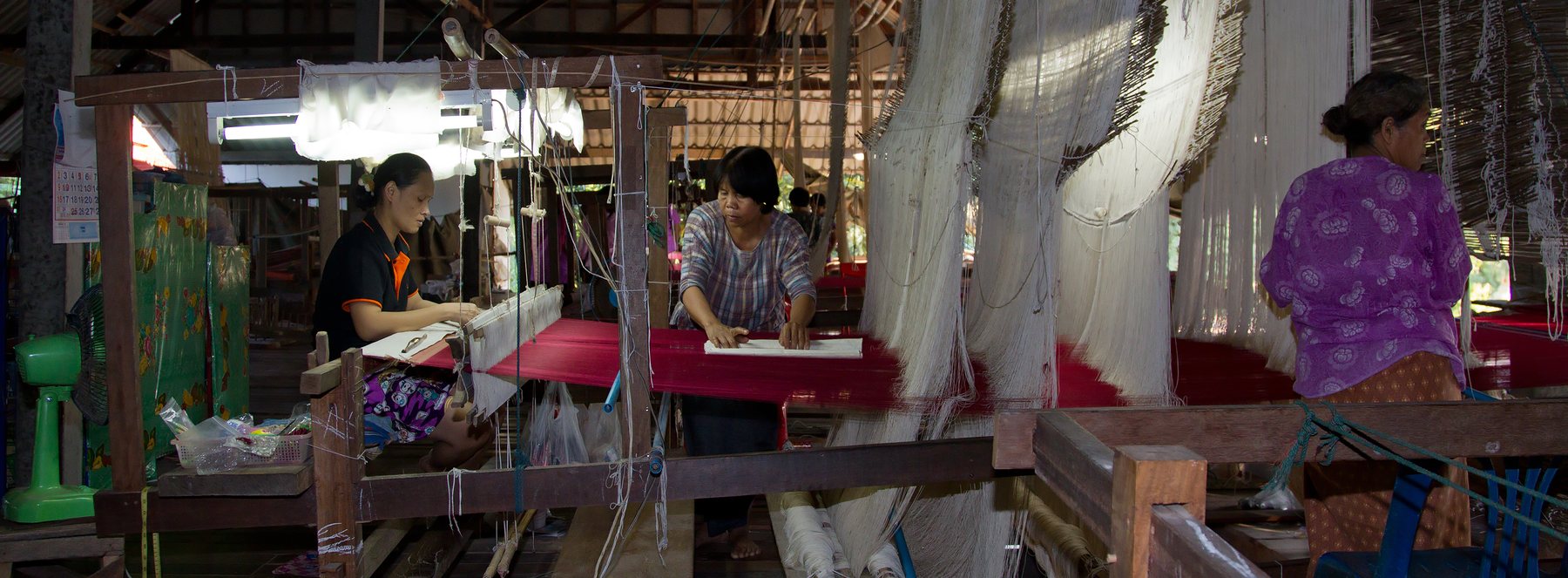
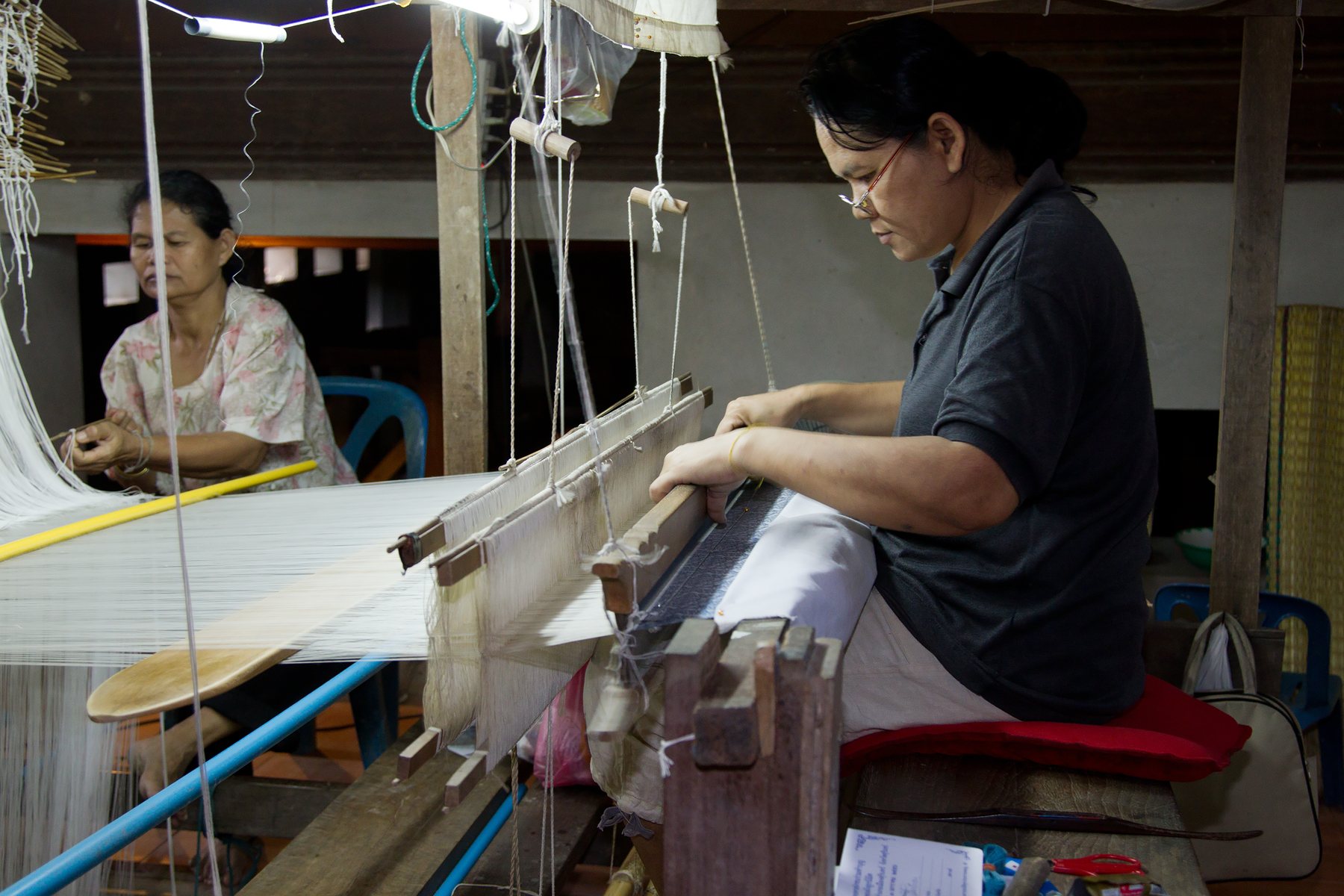
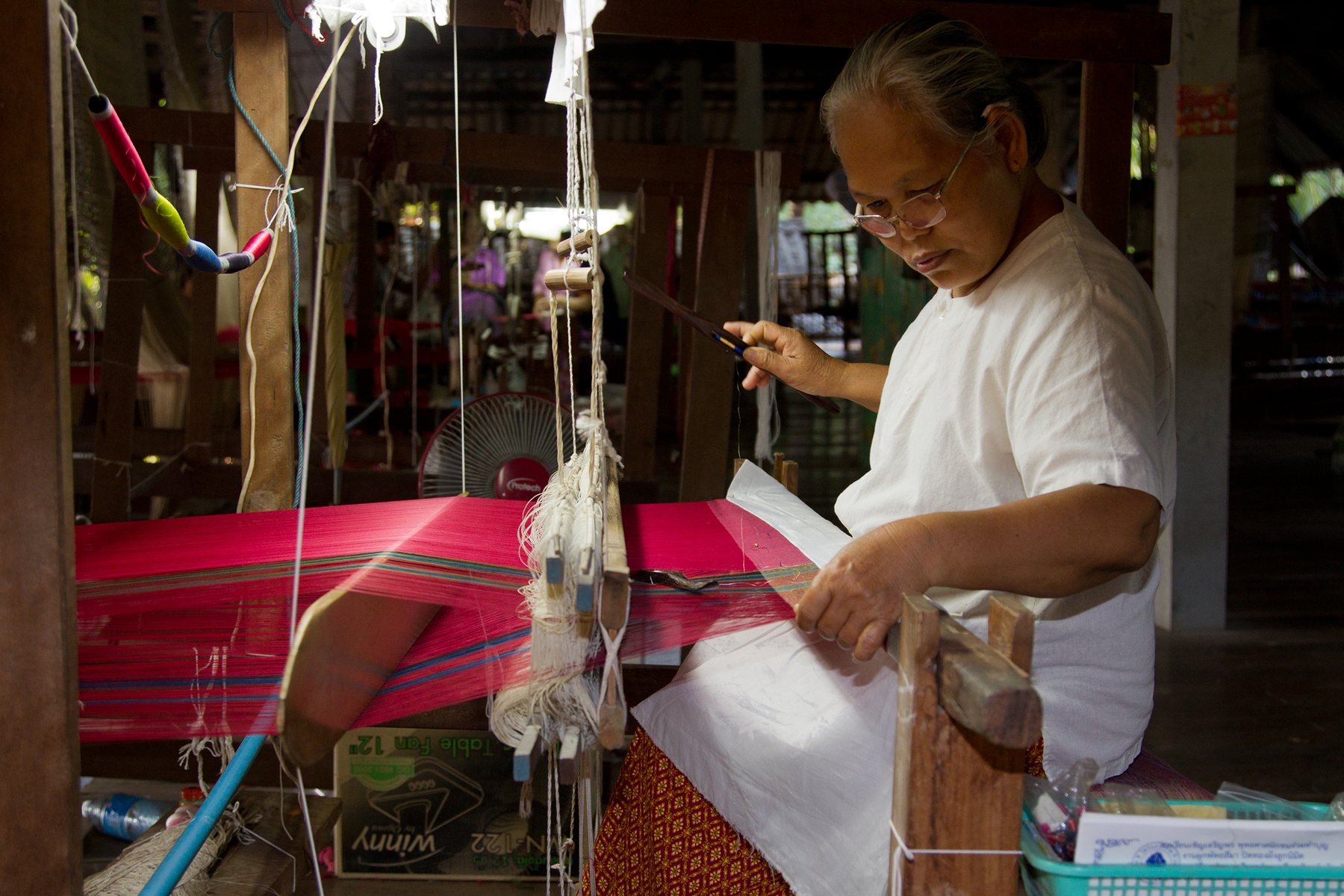
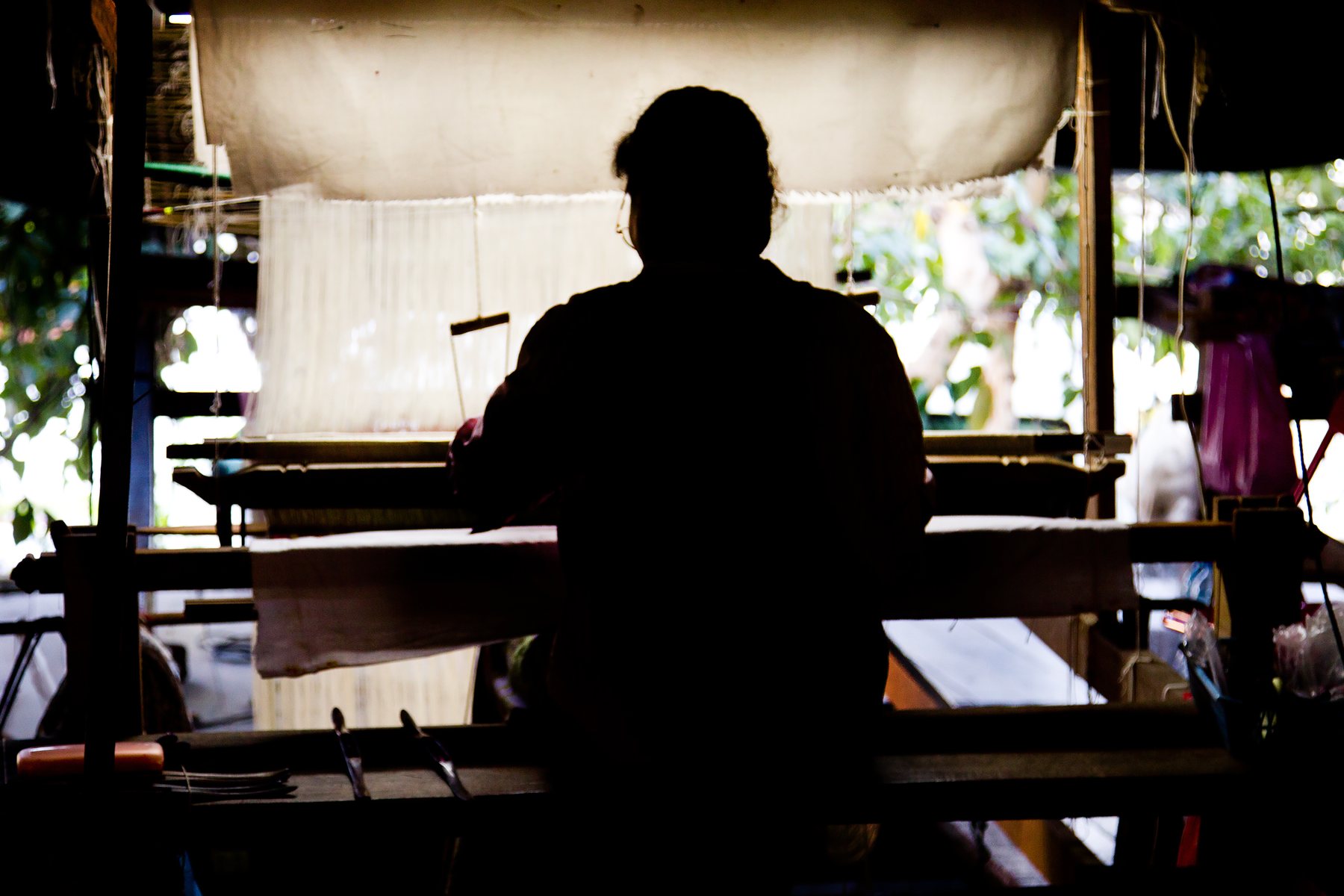
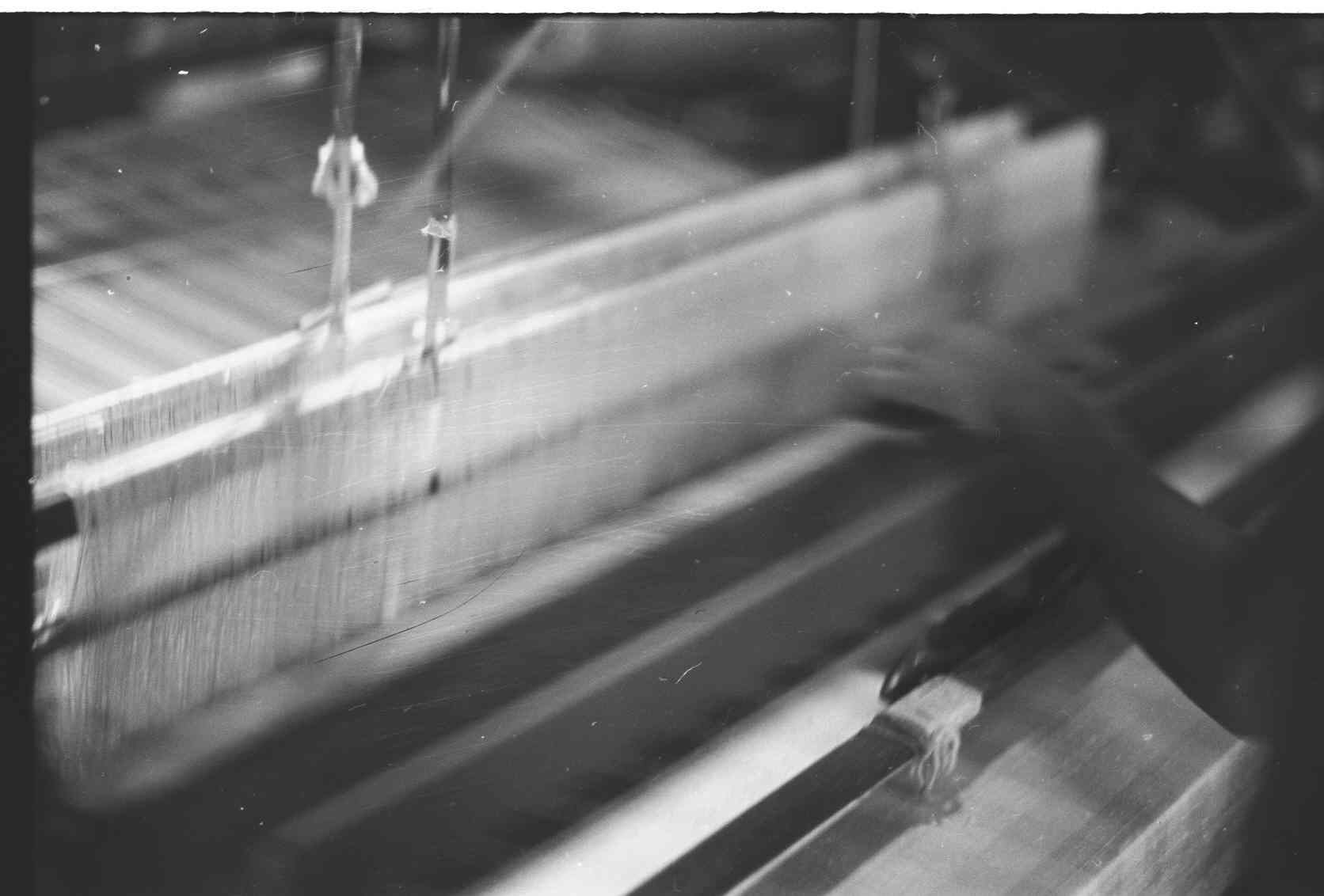
Thompson founded the Thai Silk Company in 1948 (later renamed Jim Thompson Thai Silk Company), which remains a thriving luxury brand to this day. Crucially, he insisted on maintaining traditional hand-weaving methods rather than mechanising production, ensuring that the craft’s distinctive character — and the livelihoods of the weaving communities — were preserved. He introduced brighter, more varied colour palettes to appeal to Western tastes, but the fundamental technique remained unchanged: each metre of Jim Thompson silk is still woven by hand on traditional looms, a process that can take an entire day for a single length of fabric.
The House: A Masterpiece of Thai Architecture
In the late 1950s, Thompson began assembling his Bangkok residence from six antique Thai houses, some dating to the 19th century, which he purchased from various locations around central Thailand and transported to his chosen site along the klong. In a characteristically unconventional move, he had several of the houses reassembled with their walls reversed — so that the ornamental exterior panels faced inward — creating interiors of remarkable beauty.
The result is an architectural treasure. The houses are arranged around a central terrace garden lush with tropical plants, and their interiors display Thompson’s extraordinary personal collection of Southeast Asian art: Burmese and Cambodian sculpture, Chinese blue-and-white porcelain, Thai paintings, Bencharong ceramics, and antique furniture. The collection, amassed over two decades of passionate collecting, is museum-quality and provides a window into the artistic cross-currents that have shaped Southeast Asian culture over centuries.
The house itself is designed with the traditional Thai principle of elevating living spaces above ground level on stilts — a practice that provides flood protection, natural cooling through air circulation, and a shaded space beneath the house for daytime activities. The rooms flow into one another with a graceful informality that reflects Thompson’s social nature — he was a legendary host, and the house was the setting for countless dinners attended by diplomats, artists, royalty, and visiting celebrities.
The Disappearance
On Easter Sunday, 26 March 1967, Jim Thompson went for an afternoon walk in the Cameron Highlands of Malaysia, where he was holidaying with friends. He never returned. Despite one of the largest search operations ever mounted in Malaysia — involving hundreds of soldiers, police, Orang Asli trackers, and even bomoh (traditional spirit mediums) — no trace of Thompson was ever found. No body, no clothing, no footprint beyond the point where the trail ended.
Theories about his fate have multiplied over the decades. Some believe he was killed by bandits or fell into a ravine; others point to his wartime intelligence connections and suggest abduction by communist agents during the height of the Vietnam War. More exotic theories involve business rivals, personal enemies, or even voluntary disappearance. The mystery has never been solved, and Thompson was officially declared dead in 1974. His disappearance has only added to the legend, and the Cameron Highlands walk has itself become a pilgrimage of sorts for devotees of the Thompson story.
Visiting the Jim Thompson House Museum
The Museum Experience
The Jim Thompson House operates as a museum under the James H.W. Thompson Foundation, a charitable trust established to preserve Thompson’s collection and support Thai arts education. Guided tours — available in English, Thai, Japanese, French, and Chinese — depart every 20 minutes and last approximately 40 minutes. The guides are knowledgeable and engaging, weaving Thompson’s personal story with insights into Thai architecture, art history, and silk production.
The tour covers the main house and its art collection, the grounds and gardens, and a brief history of Thai silk weaving. Photography is not permitted inside the houses (to protect the artworks), but the gardens and exterior are wonderfully photogenic. A small but excellent museum shop sells Jim Thompson silk products, books, and souvenirs.
Admission and Hours
The museum is open daily from 10:00 AM to 6:00 PM (last guided tour at 5:00 PM). Admission is 200 THB for adults and 100 THB for students and children. The fee includes the guided tour, which is mandatory — visitors cannot wander the houses unaccompanied, a policy designed to protect the fragile interiors and irreplaceable art collection.
Getting There
The museum is located at 6 Soi Kasemsan 2, Rama I Road, directly behind the MBK Centre shopping mall. The easiest access is via BTS National Stadium Station (Exit 1), from which the museum entrance is a three-minute walk. Look for the signage pointing down the narrow soi — the entrance is easy to miss amid the surrounding commercial development, but the tranquillity of the grounds once you pass through the gate provides an immediate and welcome contrast to the city outside.
The Jim Thompson Art Centre
Adjacent to the house museum, the Jim Thompson Art Centre (JTAC) is a contemporary gallery space that hosts rotating exhibitions of modern and contemporary art, often with a focus on Thai and Southeast Asian artists. The centre provides an interesting counterpoint to the historical focus of the house museum, demonstrating the continuing vitality of the artistic traditions that Thompson championed. Admission to the art centre is typically free or included with the house museum ticket.
Thai Silk Today
Thompson’s legacy endures most powerfully in the continuing vitality of Thai silk production. The Jim Thompson brand operates flagship stores in Bangkok (including a beautiful outlet on Surawong Road and concessions in major hotels and shopping centres), as well as international boutiques. The company produces clothing, accessories, home furnishings, and decorative fabrics, all maintaining the hand-woven tradition that Thompson insisted upon.
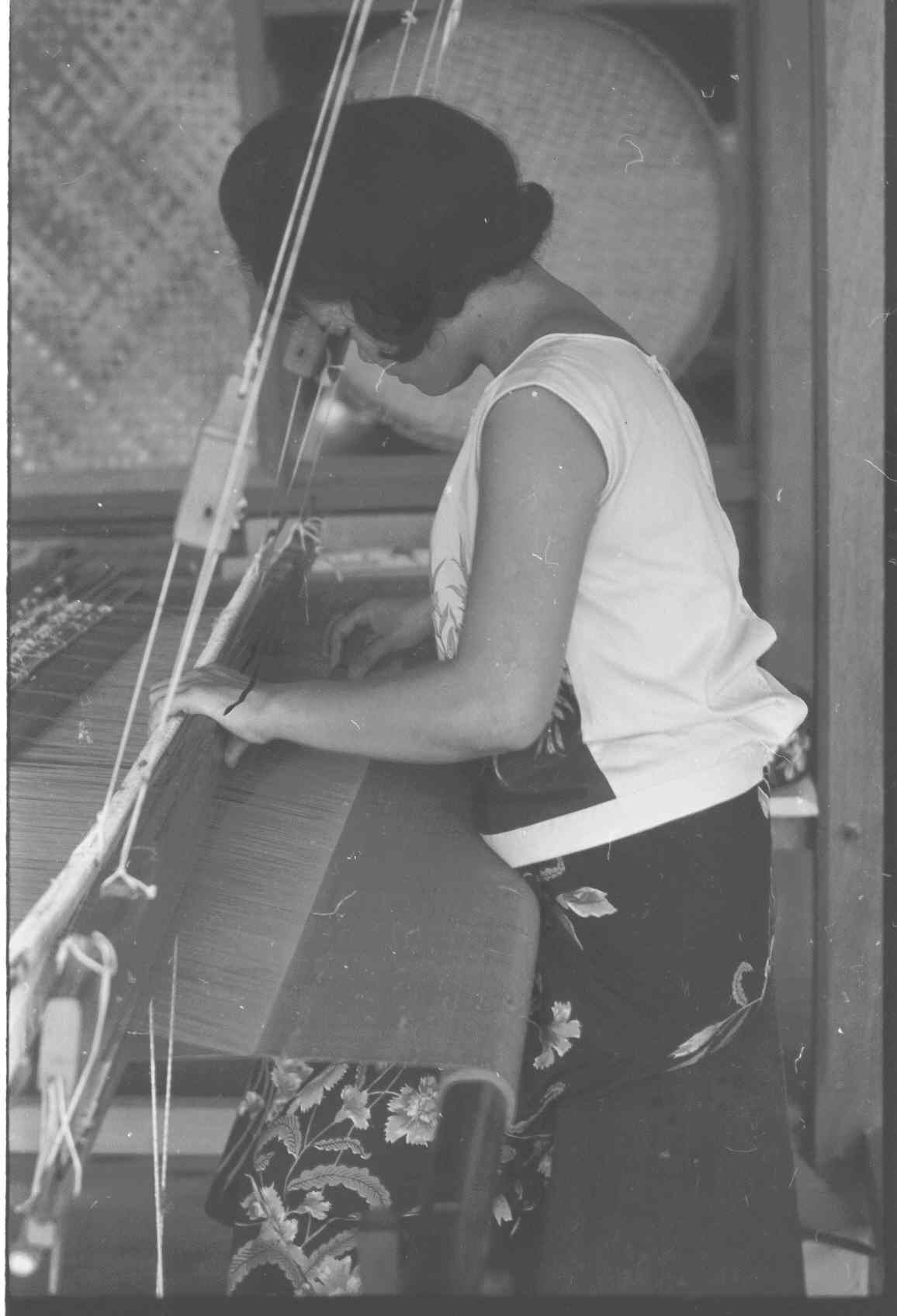
Beyond the Thompson brand, Thai silk weaving thrives in the northeastern Isaan region — particularly in Khon Kaen and Surin provinces — where village cooperatives produce mudmee (ikat-dyed) silk of extraordinary beauty. The Queen Sirikit Museum of Textiles, located within the Grand Palace complex, provides an excellent scholarly overview of Thailand’s textile heritage, including royal silk traditions that predate Thompson’s involvement by centuries.
For visitors wishing to witness silk production first-hand, the Ban Krua community — the same neighbourhood where Thompson first encountered Thai silk weaving in the 1940s — still maintains a small number of active weavers. The community is located directly across the klong from the Jim Thompson House and can be reached via a short walk from the museum.
Jim Thompson’s story — part adventure, part business saga, part unsolved mystery — embodies the transformative power of cultural passion. A single individual, driven by genuine love for a craft and a country, rescued an entire artistic tradition from extinction and placed it on the world stage. The house he left behind, the brand he created, and the weaving communities he sustained are his enduring monuments — and together they offer visitors one of the most compelling cultural experiences in Bangkok.
Address: 6 Soi Kasemsan 2, Rama I Road, Wang Mai, Pathum Wan, Bangkok 10330
Opening Hours: Daily, 10:00 AM – 6:00 PM (last tour 5:00 PM)
Admission: 200 THB (adults), 100 THB (students/children)
Nearest Transport: BTS National Stadium Station (Exit 1)