
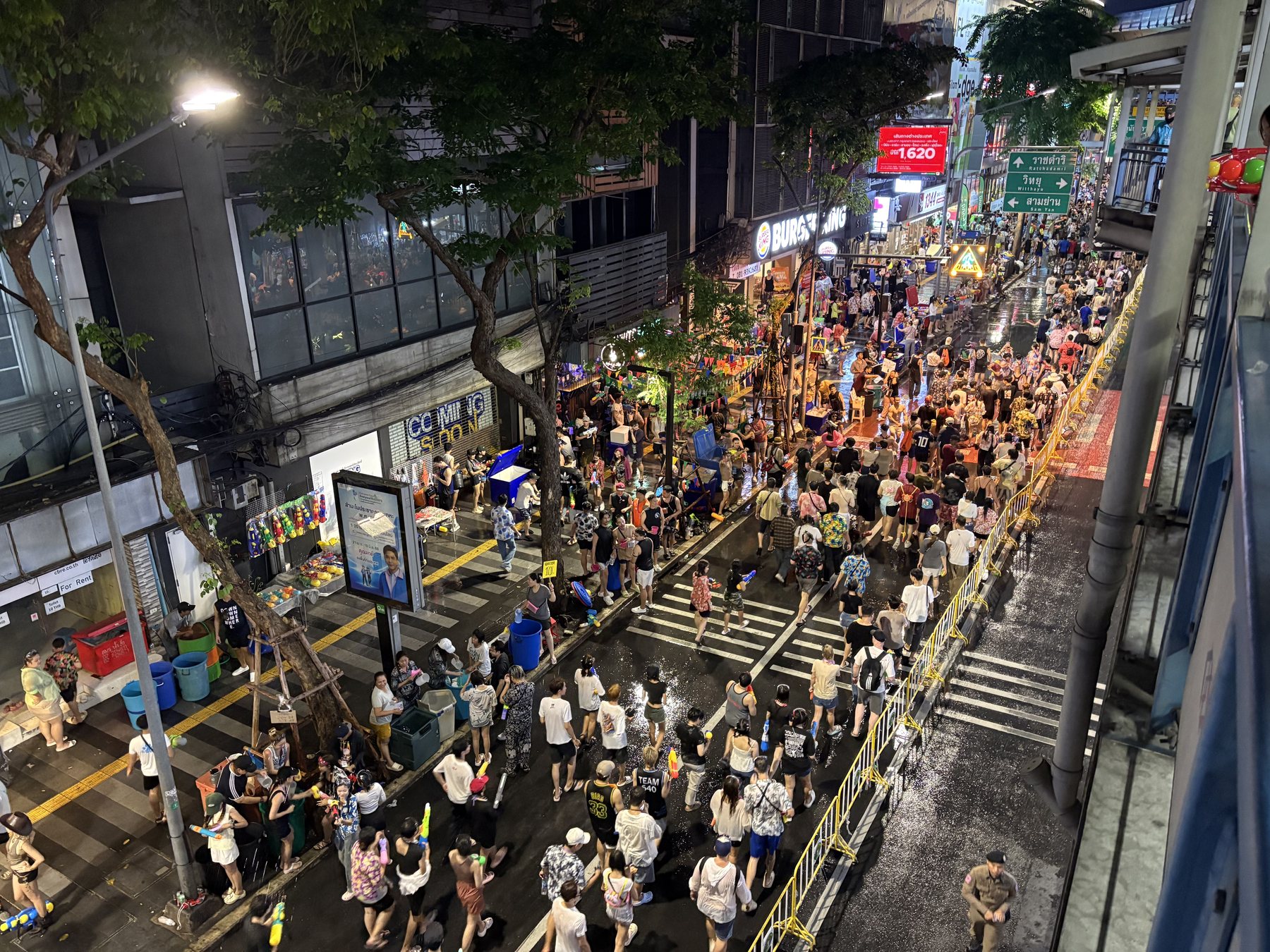
Every April, Thailand erupts into the world’s largest water fight. For three extraordinary days — 13 to 15 April — the entire kingdom becomes a joyful battleground of water guns, garden hoses, buckets, and beaming smiles, as Thais and visitors alike celebrate Songkran (สงกรานต์), the traditional Thai New Year. But beneath the soaking-wet revelry lies one of the oldest and most spiritually significant festivals in Southeast Asia — a celebration of renewal, respect, and purification that has been observed for over a thousand years.
The History and Meaning of Songkran
The word “Songkran” derives from the Sanskrit saṃkrānti, meaning “astrological passage” or “transformation,” referring to the sun’s entry into the zodiac sign of Aries — traditionally marking the beginning of a new solar year in the Buddhist calendar. The festival’s roots stretch back more than a millennium, drawing from both Brahmanical astrological traditions and Theravada Buddhist practices.
Originally, Songkran was a solemn occasion centred on temple rituals and family gatherings. The water element — which has come to dominate modern celebrations — originated as a gentle act of reverence: devotees would pour scented water over Buddha images in temple ceremonies, and younger family members would carefully pour water over the hands of their elders in a ritual known as rod nam dam hua, requesting blessings for health and prosperity in the coming year.
Over the centuries, the ceremonial water-pouring evolved into something altogether more exuberant. By the late 20th century, Songkran had transformed into the spectacular, city-wide water battle that it is today — a celebration so infectiously joyful that UNESCO inscribed it as an Intangible Cultural Heritage of Humanity. In 2026, authorities project that at least 6.5 million people will participate nationwide, generating approximately 30 billion THB in tourism revenue.
The Three Days of Songkran
13 April: Wan Sangkhan Long — The Grand Day
The first day marks the final day of the old year. Thais clean their homes thoroughly — a symbolic act of sweeping away the misfortunes of the past year. Many families prepare elaborate offerings for temple visits, and the morning is devoted to making merit: offering food to monks, listening to sermons, and pouring scented water over Buddha statues in a ritual known as song nam phra. By afternoon, the water festivities begin in earnest.
14 April: Wan Nao — Family Day
The second day — the day between years — is traditionally devoted to family. Younger Thais visit their parents and grandparents to perform the rod nam dam hua ceremony, pouring jasmine-scented water over the elders’ hands whilst kneeling in respect. In return, the elders offer blessings, wisdom, and encouragement for the year ahead. This tender, intimate ritual is the emotional heart of Songkran and a powerful expression of the Thai value of respect for elders.
15 April: Wan Taloeng Sok — Thai New Year
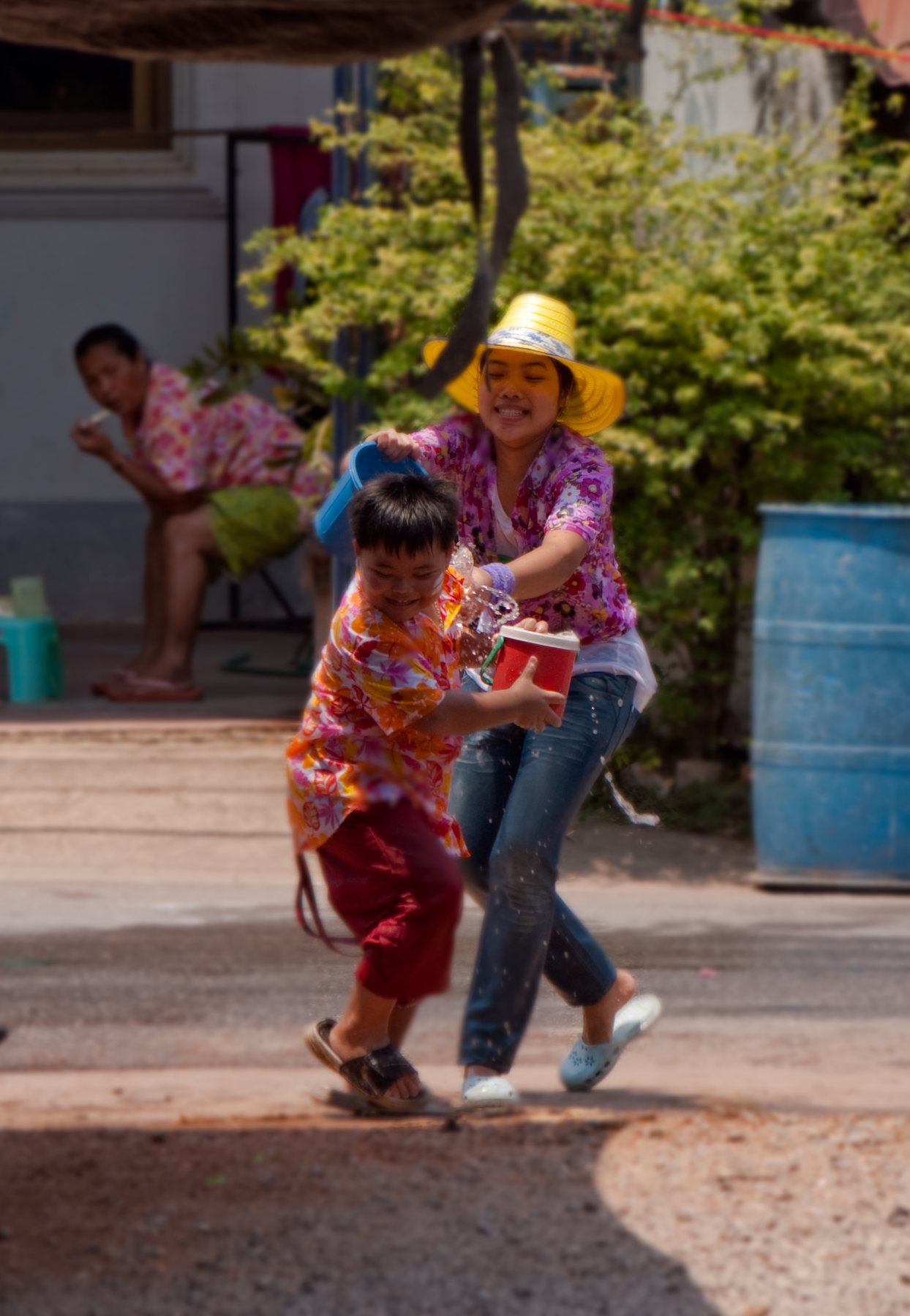
The third day is the official first day of the traditional Thai New Year. Temple visits continue, merit-making intensifies, and the water celebrations reach their peak. This is the day when the streets are at their most exuberant, the water guns at their largest, and the smiles at their widest.
Where to Celebrate Songkran
Silom Road, Bangkok
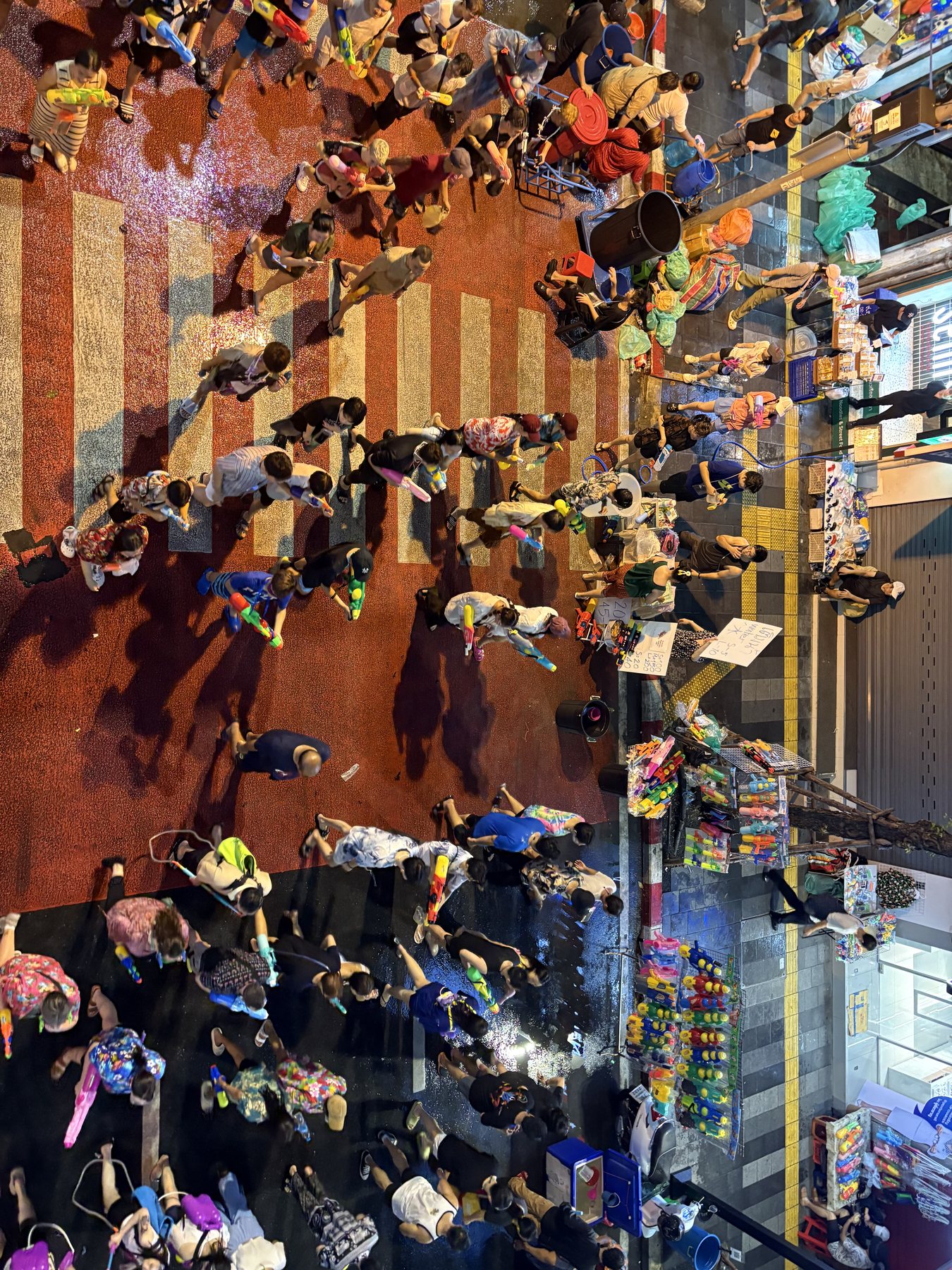
Bangkok’s Silom Road hosts the capital’s most spectacular Songkran celebrations. This two-kilometre stretch of financial district transforms into a massive open-air water-fight arena, with temporary stages, sound systems, and water stations positioned along its entire length. Tens of thousands of revellers — armed with everything from modest water pistols to industrial-sized super soakers — create a wall of water that is simply impossible to pass through dry.
The celebration is free and open to all. Street vendors sell water guns (100–500 THB), food, and beverages along the route. The nearest BTS station is Sala Daeng or Chong Nonsi. Peak activity runs from approximately 4:00 PM to 9:00 PM, though splashing begins much earlier.
Khao San Road, Bangkok
The legendary backpacker strip becomes ground zero for the international Songkran experience. Younger crowds — both Thai and international — pack the narrow road for an all-day water battle supplemented by live music, DJ sets, and abundant cheap drinks. The atmosphere is high-energy and uninhibited, making it the ideal choice for party-focused visitors. No admission charge; budget approximately 500–1,000 THB for food and drinks throughout the day.
Chiang Mai
Many Thais consider Chiang Mai’s Songkran the most culturally authentic in the country. The northern capital celebrates with particular reverence, incorporating Lanna traditions including cultural parades, beauty pageants, traditional performances, and elaborate processions through the Old City. The Tha Pae Gate serves as the focal point for water celebrations, with the moat surrounding the Old City providing an inexhaustible supply of ammunition. Chiang Mai’s celebrations typically extend to five or six days, making it ideal for visitors who wish to experience both the spiritual and festive dimensions of the festival.
Pattaya
Pattaya extends its Songkran celebrations to a full week — the unofficial “Wan Lai” celebration on 19 April adds several extra days of revelry to the official dates. Beach Road and Walking Street host massive outdoor parties with live music, international DJs, and water activities that take full advantage of the beachfront location. Hotels and resorts offer premium Songkran packages ranging from 1,500 to 5,000 THB per person for pool parties and exclusive events.
Practical Guide for Songkran
What to Wear
You will get soaked — there is no avoiding it, and attempting to stay dry is both futile and contrary to the spirit of the occasion. Wear quick-dry clothing (technical fabrics designed for water activities are ideal), water shoes or sandals with secure straps (avoid flip-flops, which slip on wet surfaces), and apply waterproof sunscreen (SPF 50+) generously — sun exposure during hours of outdoor revelry is significant.
Protecting Your Valuables
Invest in a waterproof phone pouch (available for 50–100 THB from street vendors and 7-Eleven stores) and carry only essentials: cash, phone, and one form of identification. Leave cameras, passports, and electronics at your hotel unless they are fully waterproofed. Many participants wear waterproof pouches around their necks as a practical and low-profile solution.
Safety Considerations
Songkran is overwhelmingly safe and good-natured, but sensible precautions apply. Avoid driving during the festival — road accidents increase significantly during Songkran, and water-soaked roads create hazardous conditions. Use the BTS, MRT, or ride-hailing apps for transport. Stay hydrated — the combination of tropical heat, sun exposure, and constant activity causes dehydration faster than you might expect. Drink responsibly, particularly if participating in water activities near roads or waterways.
Budget
Street celebrations are entirely free. Budget approximately 1,500–2,500 THB per day for food, drinks, transport, and a water gun. Accommodation prices surge 50–100% during the festival period — booking several months in advance is strongly recommended, particularly in Chiang Mai and at Bangkok hotels near Silom and Khao San Road.
Cultural Sensitivity
Whilst the water-fighting aspect of Songkran dominates public perception, remember that this is fundamentally a religious and cultural festival. Morning temple ceremonies (6:00–10:00 AM) offer a profoundly different experience from the afternoon water battles, and participating in both provides a complete and respectful understanding of the occasion. If you visit a temple during Songkran, dress modestly and observe normal temple etiquette.
An Unforgettable Experience
Songkran is one of those rare festivals that delivers exactly what it promises — and then exceeds every expectation. The joyfulness is genuine, the participation is universal, and the combination of spiritual depth and uninhibited fun creates an atmosphere that is unique in the world. Whether you spend your Songkran making merit at a Chiang Mai temple, dodging super soakers on Silom Road, or dancing in the spray on Khao San Road, you will emerge — thoroughly soaked and irrepressibly happy — with one of the greatest travel memories of your life.
Dates: 13–15 April annually (public holidays)
Best Locations: Silom Road (Bangkok), Khao San Road (Bangkok), Chiang Mai Old City, Pattaya Beach
Cost: Free street celebrations; budget 1,500–2,500 THB/day
Essential Items: Waterproof phone pouch, quick-dry clothing, SPF 50+ sunscreen, water gun