

Chiang Mai has firmly established itself as the world’s most popular digital nomad destination, and for good reason. This northern Thai city offers an unbeatable combination of affordable living, reliable internet, a thriving community of remote workers, and a quality of life that keeps nomads returning year after year. Whether you’re a first-time digital nomad or a seasoned location-independent professional, Chiang Mai delivers everything you need to live and work productively in the Land of Smiles.
Why Digital Nomads Choose Chiang Mai
The appeal of Chiang Mai for remote workers extends far beyond its famous temples and night markets. The city consistently ranks as one of the most affordable destinations in Southeast Asia, with a comfortable lifestyle achievable on a monthly budget of 30,000 to 50,000 THB. High-speed internet is widely available, with many cafés and coworking spaces offering speeds exceeding 100 Mbps. The city’s compact size means you can reach most places within 15 minutes by motorbike, and the warm community of fellow nomads makes it easy to build both professional and social connections.
The cost of living breakdown is remarkably attractive. A modern studio apartment in the Nimmanhaemin area runs between 8,000 and 15,000 THB per month, while a one-bedroom condominium with pool and gym access can be found for 12,000 to 20,000 THB. Eating out at local restaurants costs as little as 40 to 60 THB per meal, and even Western-style dining rarely exceeds 300 THB. A monthly gym membership costs around 1,500 THB, and a Thai massage can be enjoyed for just 200 to 300 THB per session.
Top Coworking Spaces
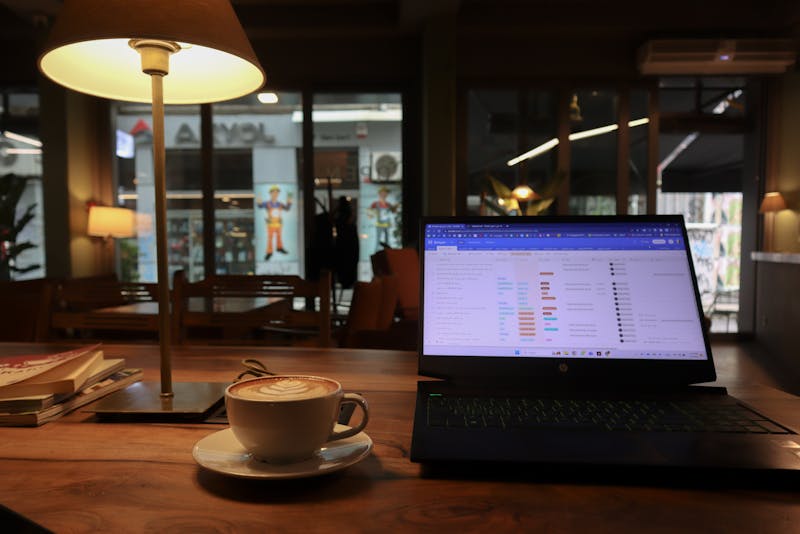
Chiang Mai’s coworking scene is arguably the most developed in Southeast Asia, with dozens of spaces catering to every work style and budget. Punspace, the city’s pioneering coworking brand, operates three locations across the city. Their Nimmanhaemin branch is the most popular, offering hot desks from 299 THB per day or 4,500 THB per month. The space features ergonomic chairs, standing desks, private phone booths, meeting rooms, and internet speeds consistently above 200 Mbps. The Tha Phae Gate location provides a more intimate atmosphere in a beautifully renovated shophouse near the Old City.
Hub53 Coworking on Huay Kaew Road has earned a loyal following for its relaxed garden setting and strong community events programme. Monthly memberships start at 3,900 THB, and the space regularly hosts skill-sharing workshops, networking evenings, and startup pitch nights. The outdoor working area, shaded by tropical trees, offers a refreshing alternative to indoor desks.
For those who prefer a more corporate environment, CAMP at Maya Lifestyle Shopping Centre sits atop the mall and is technically free — operated by AIS (Thailand’s largest mobile network), it provides complimentary WiFi and power outlets in exchange for purchasing a drink at the on-site café. The space fills up quickly, especially in the mornings, so arriving before 9am is advisable. Despite being free, the internet speeds are impressive, regularly hitting 100 Mbps.
Best Neighbourhoods for Nomads
Nimmanhaemin (commonly shortened to Nimman) is the undisputed heart of Chiang Mai’s nomad community. This trendy neighbourhood west of the Old City is packed with speciality coffee shops, coworking spaces, international restaurants, and modern condominiums. The area around Soi 9 and Soi 13 is particularly popular, with walking distance access to Punspace, Think Park, and the Maya mall. Rent in Nimman tends to be the highest in Chiang Mai, but the convenience and social scene justify the premium for most nomads.
The Old City, enclosed within the ancient moat and walls, offers a more culturally immersive experience. Accommodation here tends to be in converted guesthouses and older apartments, with prices significantly lower than Nimman. You’ll be surrounded by centuries-old temples, traditional markets, and authentic Thai street food. The area around Tha Phae Gate provides excellent walkability and easy access to the Sunday Walking Street market.
Santitham, just north of the Old City, has emerged as the “up-and-coming” nomad neighbourhood. It offers the best of both worlds: lower rents than Nimman (studios from 5,000 THB per month), a more local Thai atmosphere, and still walkable distance to Old City attractions. The area has seen a surge of new cafés and small coworking spaces opening in recent years.

Internet and Connectivity
Reliable internet is non-negotiable for digital nomads, and Chiang Mai delivers consistently. Most modern condominiums include fibre-optic internet with speeds of 100 to 300 Mbps, and upgrading to a faster plan typically costs only 600 to 900 THB per month through providers like AIS Fibre or True Online. For backup connectivity, Thai mobile data is exceptionally affordable — an unlimited 5G data plan from AIS or True costs around 599 to 899 THB per month.
Virtually every café and restaurant in the Nimman area offers free WiFi, though speeds vary considerably. For serious work sessions, dedicated coworking spaces remain the most reliable option. Many nomads also carry pocket WiFi devices or use their phone’s hotspot as a backup during important video calls.
Community and Networking
What truly sets Chiang Mai apart from other nomad destinations is the depth and maturity of its community. The Chiang Mai Digital Nomads Facebook group has over 100,000 members and serves as the primary hub for finding accommodation, coworking recommendations, and social events. Weekly meetups happen regularly at various venues, and the community is famously welcoming to newcomers.

Nomad Coffee Club organises weekly morning coffee meetups where remote workers gather before heading to their respective workspaces. These casual gatherings are the single best way to build your initial network in the city. For more structured networking, events like the Chiang Mai SEO Conference and various startup weekends attract professionals from across Southeast Asia.
Visa Options for Digital Nomads
Thailand has significantly improved its visa offerings for remote workers. The Destination Thailand Visa (DTV), introduced in 2024, is specifically designed for digital nomads and remote workers. It grants a 180-day stay (extendable to 360 days) and costs 10,000 THB. Applicants need to demonstrate remote work or freelance activity and show financial means of at least 500,000 THB in savings.
For shorter stays, the Tourist Visa Exemption provides 60 days for most nationalities, extendable by 30 days at any immigration office for 1,900 THB. The Single Entry Tourist Visa (obtained from a Thai embassy before travel) grants 60 days, also extendable by 30 days. Many nomads combine these visa types with border runs to neighbouring countries like Laos or Myanmar to extend their time in Thailand.
The Thailand Elite Visa remains popular among longer-term nomads willing to invest more upfront. Starting at 600,000 THB for five years, it provides hassle-free entry and exit with no need for visa runs. The premium tiers include airport VIP services, annual health check-ups, and golf memberships.
Practical Tips for New Arrivals
Getting settled in Chiang Mai is refreshingly straightforward. Upon arrival, purchase a local SIM card at the airport from AIS, True, or DTAC — a tourist SIM with 15 days of unlimited data costs around 299 THB. Download the Grab app for affordable rides around the city (most trips within the city cost 60 to 120 THB), and the Bolt app as an alternative.
For accommodation, most nomads start with a short-term booking through Airbnb or Agoda for one to two weeks while they explore neighbourhoods and find longer-term housing. Facebook groups like “Chiang Mai Housing” and “Chiang Mai Rentals” are excellent resources for finding monthly rentals directly from landlords, often at lower prices than online platforms. When renting directly, expect to pay one to two months’ deposit plus one month’s rent upfront.

The dry season (November to February) is the most pleasant time weather-wise, with cool mornings and warm afternoons. However, March and April bring the burning season, when agricultural fires create poor air quality — many nomads temporarily relocate to southern Thailand or neighbouring countries during this period. The rainy season (June to October) brings afternoon showers but is generally still very workable.
Beyond Work: Living the Chiang Mai Life
Life in Chiang Mai extends well beyond the laptop screen. The city is a paradise for food lovers, with night markets offering incredible meals for under 50 THB. The Saturday and Sunday Walking Street markets transform the Old City into a vibrant bazaar of street food, handicrafts, and live performances. For fitness enthusiasts, Muay Thai training camps like Lanna Muay Thai and Chiangmai Muay Thai Gym offer drop-in sessions from 400 THB, while yoga studios and climbing gyms abound.
Day trips to Doi Inthanon (Thailand’s highest peak), the Elephant Nature Park (an ethical elephant sanctuary), and the charming town of Pai provide weekend adventure opportunities. The city also serves as an excellent base for exploring the wider region, with direct flights to Bangkok, Phuket, and several international destinations from Chiang Mai International Airport.
Chiang Mai isn’t just a place to work remotely — it’s a place to build a fulfilling, balanced life while pursuing your professional goals. The combination of affordability, community, infrastructure, and lifestyle is why thousands of digital nomads call it home, and why many who come for a month end up staying for years.