
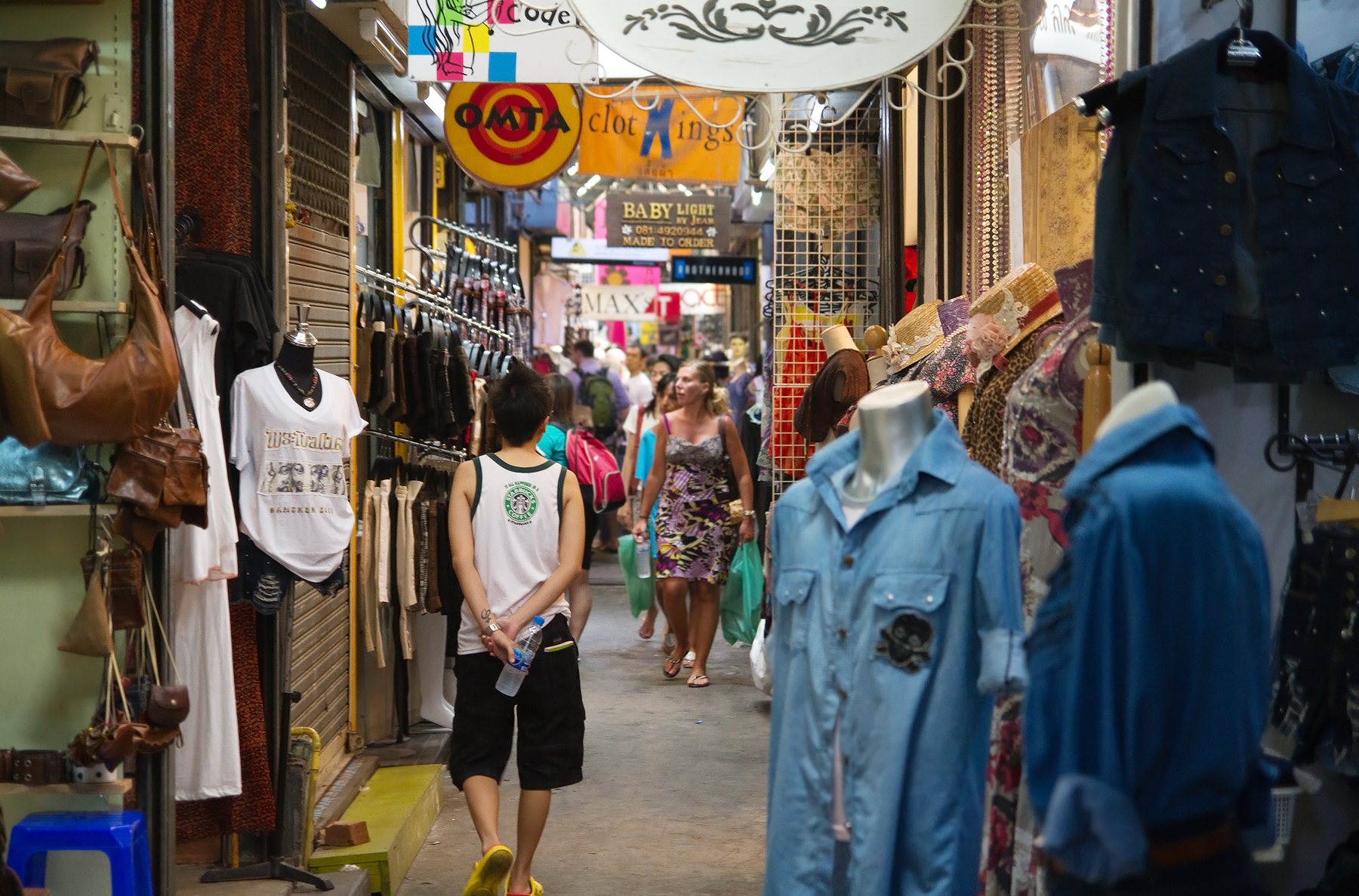
Bangkok’s markets are the beating heart of the city’s commercial culture — vibrant, chaotic, and endlessly rewarding for those willing to dive in. From the sprawling labyrinth of Chatuchak Weekend Market to the curated cool of Jodd Fairs and the riverside charm of Asiatique, the Thai capital offers market experiences that cater to every taste, budget, and shopping style. Here is your essential guide to navigating Bangkok’s finest markets.
Chatuchak Weekend Market
Chatuchak is not just a market — it is a small city unto itself. Spread across 35 acres with over 15,000 stalls organised into 26 sections, it draws approximately 200,000 visitors every weekend and ranks among the largest open-air markets in the world. The sheer scale can feel overwhelming at first, but therein lies the magic: every visit reveals new stalls, new finds, and new corners you hadn’t previously noticed.
The 26 sections are loosely organised by product type, though in practice the boundaries blur delightfully. Sections 2 to 6 and 12 to 14 focus on clothing and fashion, with everything from vintage denim and handmade jewellery to designer copies and emerging Thai fashion labels. Section 7 is dedicated to art, paintings, and prints. The home décor sections offer furniture, ceramics, and textiles at prices that make international shipping worthwhile. The plant section, sprawling and wonderfully chaotic, is a paradise for botanical enthusiasts.
Prices at Chatuchak are remarkably low, with most items falling between 100 and 500 THB. Bargaining is expected and part of the experience — a respectful opening offer of 60 to 70 per cent of the asking price is appropriate, with settlement typically landing at 70 to 80 per cent. Cash is essential at most stalls (carry small bills), comfortable shoes are mandatory, and the heat can be intense, so plan for regular hydration breaks.
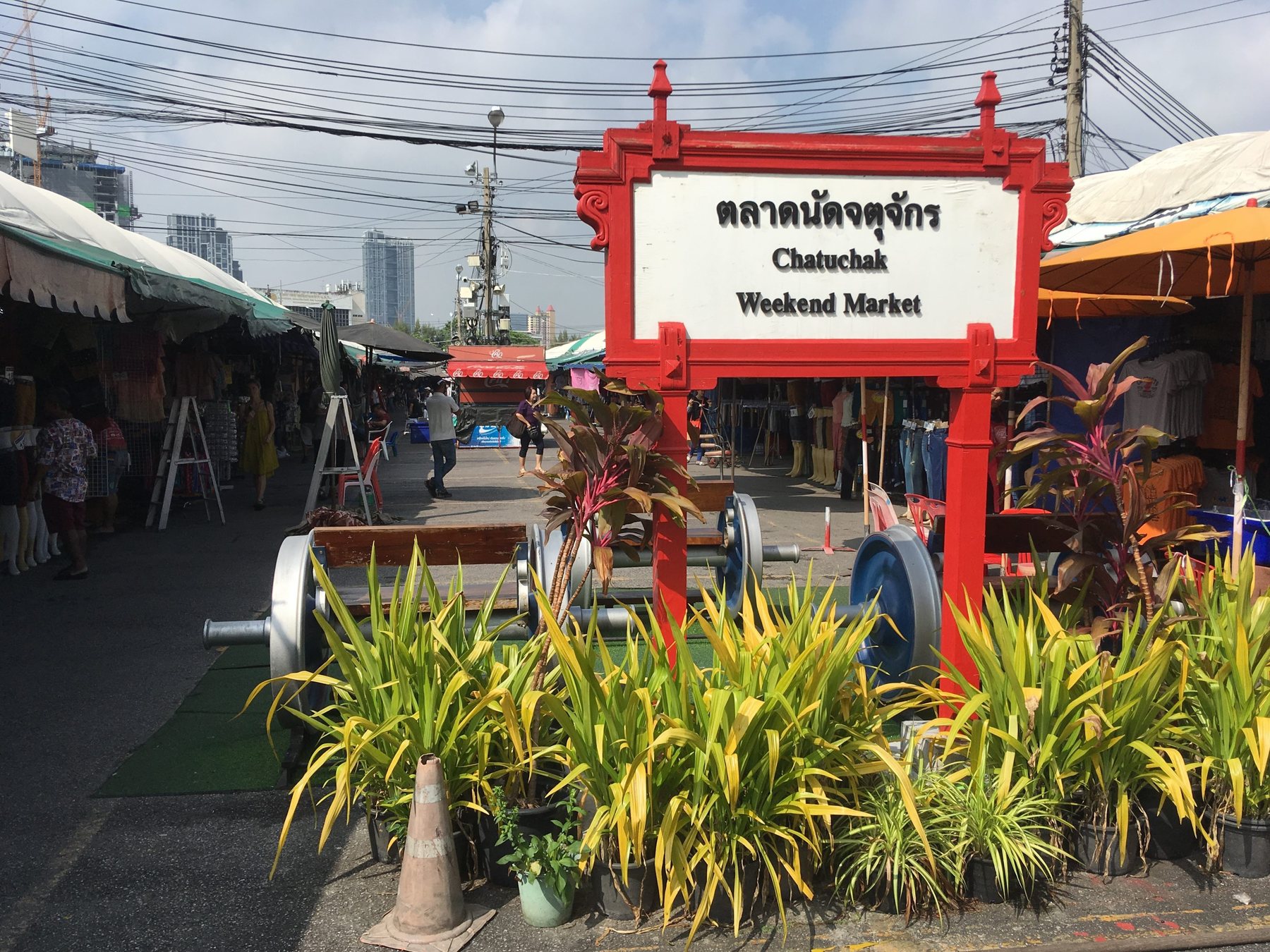
The market operates Friday evening (6pm to midnight) and Saturday and Sunday (9am to 6pm). Free maps are available at information kiosks near the main entrances. The coconut ice cream served in a coconut shell with toppings is Chatuchak’s signature refreshment — follow the longest queue and you’ll find the best vendor. Allow a minimum of half a day for a meaningful exploration; serious shoppers will need the full day.
Jodd Fairs Night Market
Jodd Fairs in the Ratchada area represents the evolution of Bangkok’s night market culture — a curated, design-conscious alternative to the more chaotic traditional markets that has captured the imagination of both locals and visitors. The market is structured in two main sections: a food area with over 700 vendors, and a retail section near the entrance featuring vintage clothing, handmade jewellery, and artisan goods.
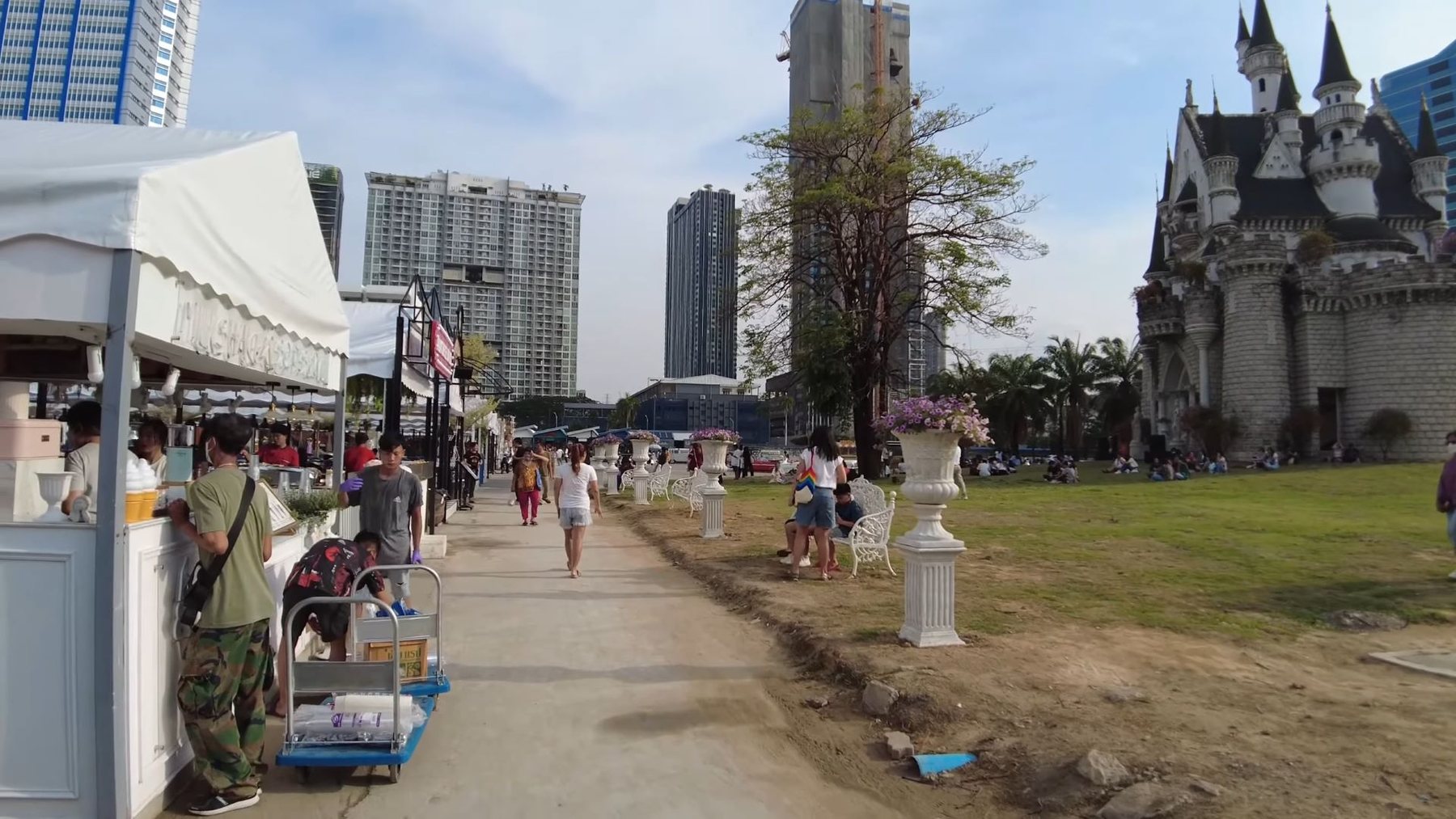
The food scene at Jodd Fairs is exceptional. Thai, Japanese, Taiwanese, Western, and Middle Eastern cuisines are all represented, with vendors ranging from established street food operators to aspiring young chefs testing new concepts. Moo ping (grilled pork skewers) at 10 to 15 THB per stick is the quintessential Thai market snack, while khao neow mamuang (mango sticky rice) from 60 THB satisfies sweet cravings. Most substantial meals fall in the 100 to 300 THB range.
The retail section offers better value than tourist-oriented markets. Silk scarves range from 150 to 300 THB (compared to 500 THB and above at tourist markets), and vintage clothing is priced competitively. The open-air seating area with food trucks and cocktail vendors at the front of the market provides a social gathering point where the evening’s energy builds.
Jodd Fairs operates nightly from approximately 4pm to midnight, making it an excellent evening activity after a day of sightseeing. The Ratchada location is accessible via MRT Thailand Cultural Centre station (Exit 3). The atmosphere is energetic without being overwhelming, and the crowd skews young and trendy — making it one of the best places to experience contemporary Bangkok social culture.
Asiatique The Riverfront
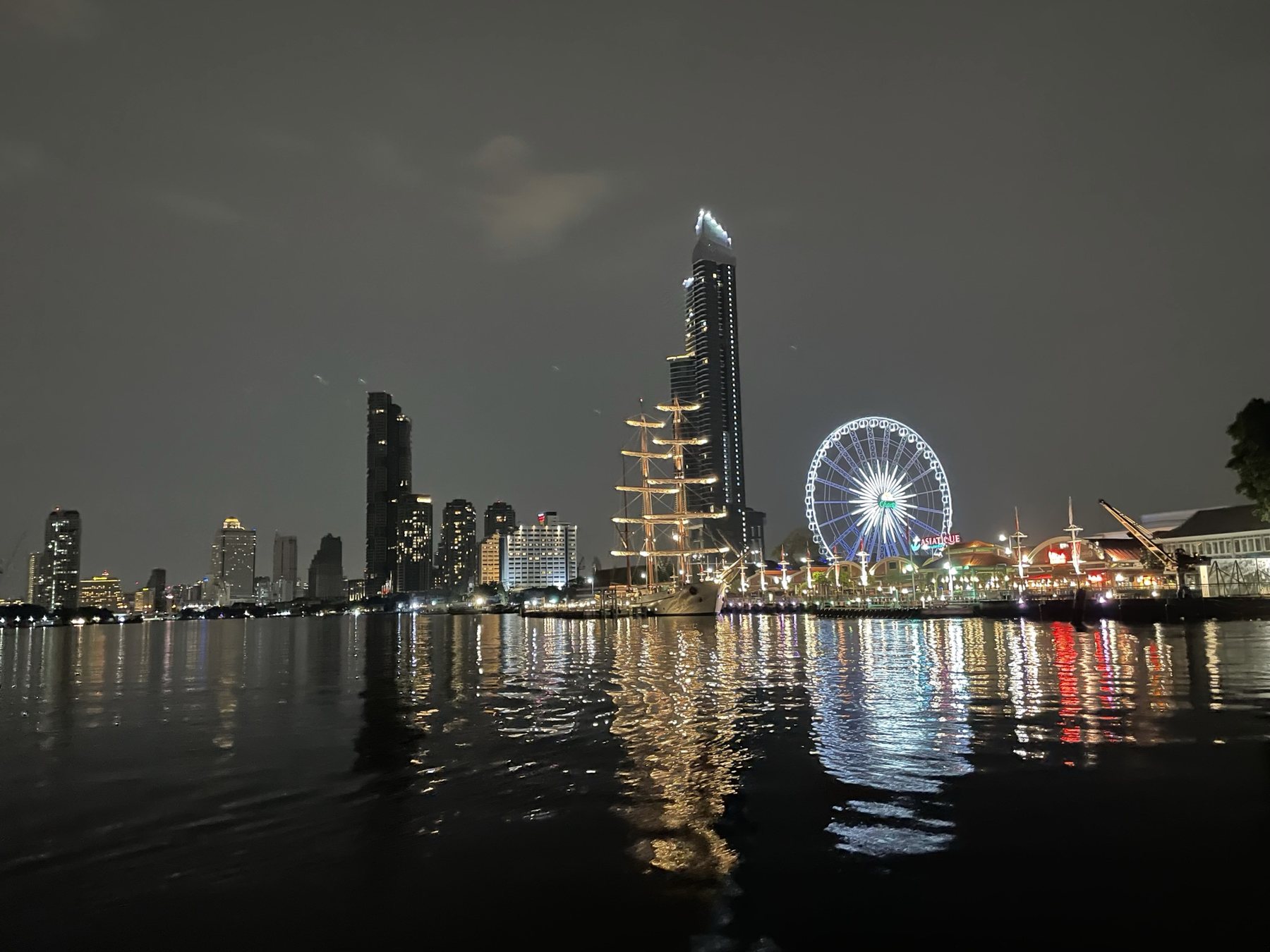
Asiatique The Riverfront occupies a former international trading port on the Chao Phraya River, transforming the historic warehouse district into a sprawling open-air market and entertainment complex. The development preserves several original warehouse structures, lending an industrial heritage atmosphere that distinguishes it from Bangkok’s more modern retail developments.
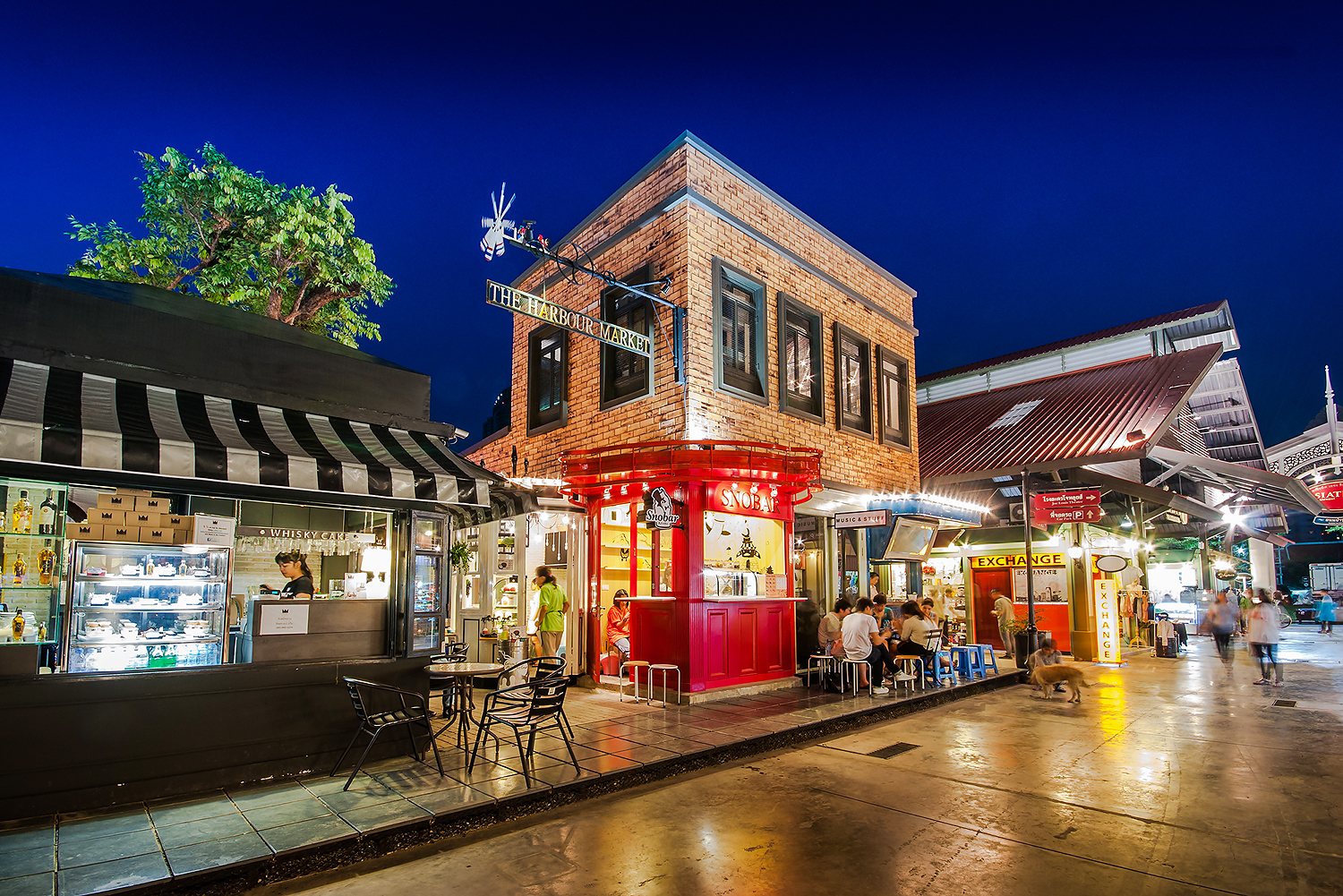
The market is organised into distinct zones. The Chareonkrung District focuses on souvenirs, handicrafts, and Thai artisan products — silk scarves, carved wooden items, elephant-themed goods, and traditional Thai art are well-represented. The Factory District houses fashion, accessories, beauty products, and contemporary Thai designer goods. With over 1,500 boutiques and stores, the selection is substantial, though prices tend to be higher than Chatuchak or Jodd Fairs given the more tourist-oriented positioning. Bargaining is still possible and can yield discounts of 10 to 30 per cent off initial asking prices.
Beyond shopping, Asiatique offers entertainment including the Calypso Cabaret show, Muay Thai Live performances, and a Ferris wheel providing panoramic river views. The dining options span riverside restaurants serving fresh seafood, international cuisine, and Thai classics. Boat tours from the Asiatique pier offer twilight cruises along the Chao Phraya from 50 THB for shared boats to 500 THB for private charters.
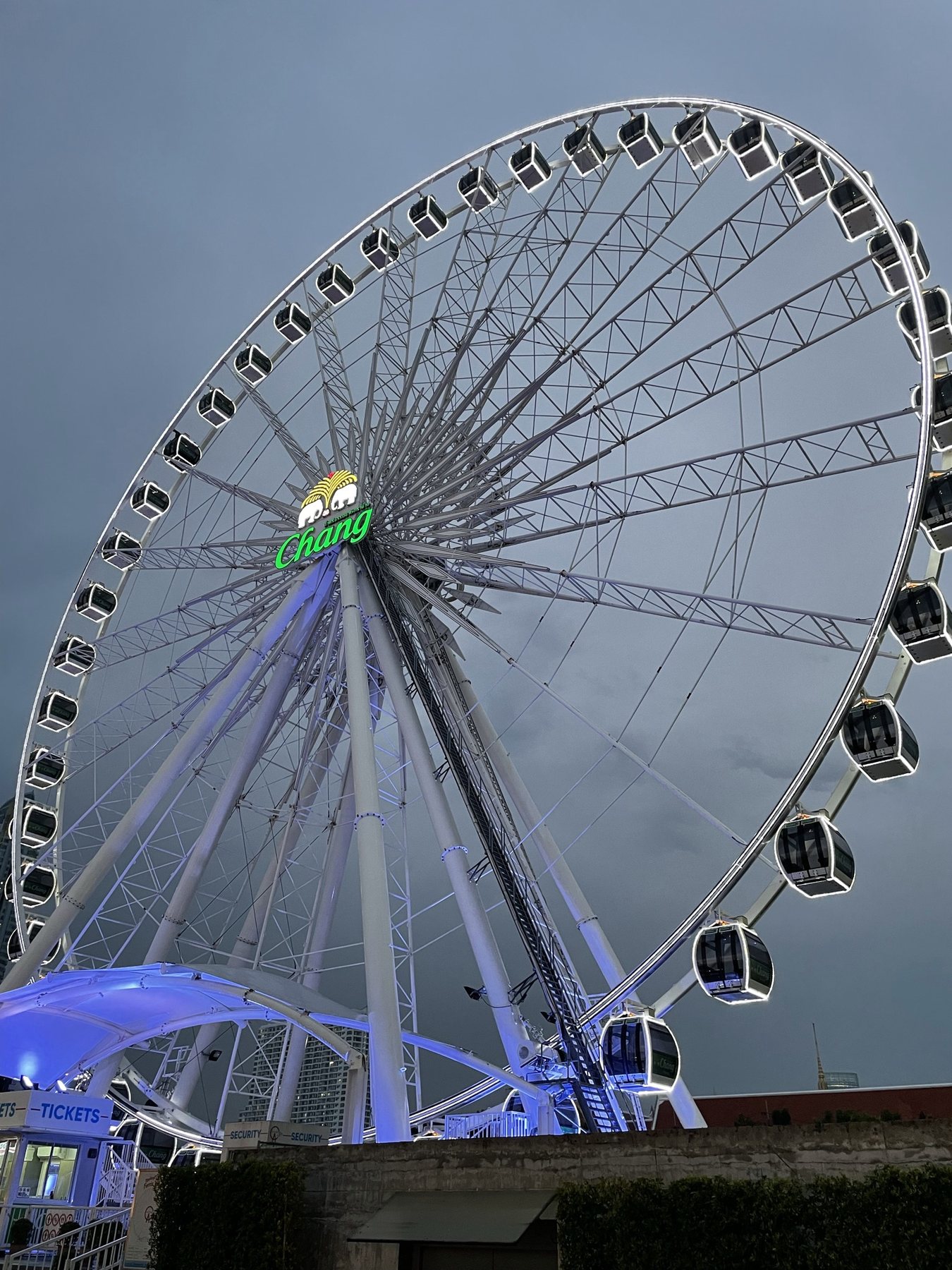
Asiatique operates daily from 5pm to midnight, with free admission. A complimentary shuttle boat runs from BTS Saphan Taksin station (Sathorn Pier) every 15 minutes, making the riverside location easily accessible. The combination of shopping, dining, entertainment, and river views makes Asiatique a complete evening destination rather than purely a market.
Market Shopping Tips
Bangkok’s markets reward preparation and flexibility. Carry cash in small denominations (20 and 100 THB notes are ideal), as most vendors cannot break large bills. Wear comfortable, breathable clothing and closed-toe shoes that can handle uneven surfaces and occasional puddles. Bring a reusable bag — vendors provide thin plastic bags that struggle with heavier purchases.
Bargaining etiquette matters. Always smile, be respectful, and don’t begin negotiating unless you’re genuinely interested in buying. Walking away is a legitimate negotiation tactic — if the vendor calls you back, there’s room to negotiate further. Never haggle over small amounts (saving 20 THB on a 200 THB item benefits neither party meaningfully). And if a price seems fair, paying it with a smile builds goodwill and supports small businesses.
The best strategy is to combine multiple market visits across different days: Chatuchak for the sheer spectacle and variety on weekends, Jodd Fairs for evening street food and contemporary shopping, and Asiatique for a more curated riverside experience. Together, they showcase the full spectrum of Bangkok’s extraordinary market culture.