
Bangkok’s property market offers foreigners a rare opportunity in Southeast Asia: the legal right to own condominium units outright in their own name. While land ownership remains restricted to Thai nationals, the Condominium Act allows foreign freehold ownership of up to 49 per cent of any registered condominium building’s total floor area. This clear legal framework, combined with Bangkok’s dynamic economy, modern infrastructure, and relatively affordable property prices, has made the Thai capital one of the most popular real estate investment destinations for international buyers.
The Legal Framework
Thailand’s Condominium Act provides the foundation for foreign ownership. The key provisions are straightforward: foreigners can own condominium units in freehold (permanent ownership with full title) provided that the total foreign-owned area in any building does not exceed 49 per cent of the building’s total sellable area. The remaining 51 per cent must be owned by Thai nationals or Thai-registered companies.
Once the 49 per cent foreign quota in a building is filled, additional foreign buyers cannot purchase freehold units in that building. This quota system creates urgency in popular developments — desirable projects in prime locations often reach their foreign quota quickly, particularly during launch phases. Checking the available foreign quota before committing to a purchase is an essential first step.
For purchases exceeding the foreign quota, leasehold arrangements (typically 30-year leases, renewable) provide an alternative, though leasehold does not confer the same ownership rights and is generally less desirable from an investment perspective. Proposed legislative changes to extend leasehold terms to 99 years have been discussed but remained unenacted as of early 2026.
The Purchase Process
The critical requirement for foreign freehold purchases is that the funds used to buy the property must be transferred from overseas in foreign currency, converted to Thai baht upon arrival in Thailand. This is not a formality — the receiving Thai bank must issue a Foreign Exchange Transaction Form (FET Form) or bank letter documenting the transfer, and this document is required at the Land Department when registering ownership. Without it, the transaction cannot be completed as a foreign freehold purchase.
The transfer amount documented on the FET Form must equal or exceed the purchase price stated in the contract. Wire transfers from an overseas bank account in the buyer’s name are the standard method. The process typically follows these steps: reservation with a deposit (usually 50,000 to 200,000 THB), signing of the Sale and Purchase Agreement, staged payments during construction (for off-plan purchases) or a single transfer (for completed units), and final registration at the Land Department.
Transfer fees and taxes at registration typically include a transfer fee of 2 per cent (often split equally between buyer and seller), specific business tax of 3.3 per cent or stamp duty of 0.5 per cent (paid by the seller), and withholding tax calculated on the assessed or sale value. The total transaction costs for a buyer are typically 1 to 2 per cent of the purchase price, with the exact figure depending on how costs are shared per the contract terms.
Price Ranges by Area
Bangkok’s condominium market spans an enormous price range depending on location, building quality, and developer reputation. The city-wide average sits at approximately 150,000 THB per square metre, but this figure masks significant variation across neighbourhoods.
Prime central locations — Sukhumvit (Thonglor, Phrom Phong, Asoke), Sathorn, Silom, and Wireless Road — command 200,000 to 300,000 THB per square metre and above for new-build projects from premium developers. A 35-square-metre one-bedroom unit in these areas typically costs 7 to 10 million THB, while two-bedroom units of 55 to 70 square metres range from 11 to 21 million THB.
Mid-range areas along the BTS and MRT lines — Ari, Phra Khanong, On Nut, Ratchathewi — offer significantly better value at 100,000 to 170,000 THB per square metre. The same one-bedroom unit that costs 8 million THB in Thonglor might be found for 3.5 to 5 million THB in On Nut, with modern finishes and full facilities.
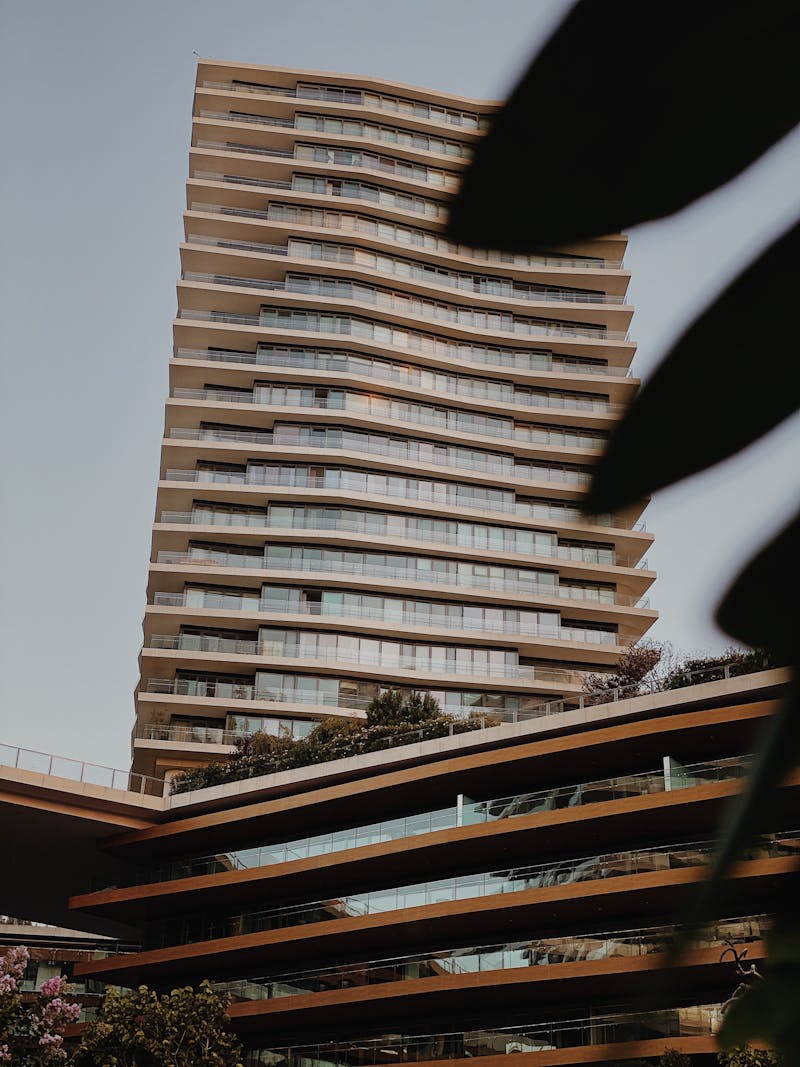
Suburban and outer areas (Bang Na, Bearing, Lat Phrao) provide entry-level investment at 72,000 to 130,000 THB per square metre, though rental demand and capital appreciation tend to be weaker than in central locations. Prime areas have historically appreciated at 3 to 5 per cent annually, while some outer districts have experienced periods of stagnation.
Due Diligence Essentials
Engaging a reputable Thai property lawyer is strongly recommended before signing any contract. Key due diligence checks include verifying the developer’s track record and financial stability (particularly for off-plan purchases), confirming the available foreign ownership quota, reviewing the condominium’s juristic person management and sinking fund health, checking for any liens, encumbrances, or legal disputes on the title, and ensuring the contract terms align with market standards.
The 2025 updates to the Office of the Consumer Protection Board (OCPB) regulations have strengthened buyer protection for off-plan purchases, standardising contract terms and banning unfair clauses. These protections, effective from January 2025, require developers to use standardised Thai-language contracts and provide clearer disclosure of project specifications, timelines, and penalty terms.
Ongoing Costs
Condominium ownership in Bangkok incurs several recurring costs. Common area maintenance fees, paid monthly to the building’s juristic person (management body), typically range from 40 to 80 THB per square metre per month for standard buildings and 80 to 150 THB for luxury developments. A sinking fund contribution (a one-time payment at purchase for future major repairs) usually runs 500 to 1,000 THB per square metre.
Property tax under Thailand’s Land and Buildings Tax Act is assessed annually at rates ranging from 0.02 to 0.3 per cent of the government-appraised value. Owner-occupied primary residences valued under 50 million THB are exempt, though investment properties (including those rented out) are taxed at the applicable rate. Rental income is subject to Thai income tax if the owner is a Thai tax resident.
Bangkok’s condominium market offers genuine opportunity for foreign buyers who approach it with proper preparation, professional guidance, and realistic expectations. The legal framework is clear, the process is well-established, and the lifestyle dividend — owning a base in one of Asia’s most vibrant cities — adds a dimension of value that purely financial analysis cannot capture.