
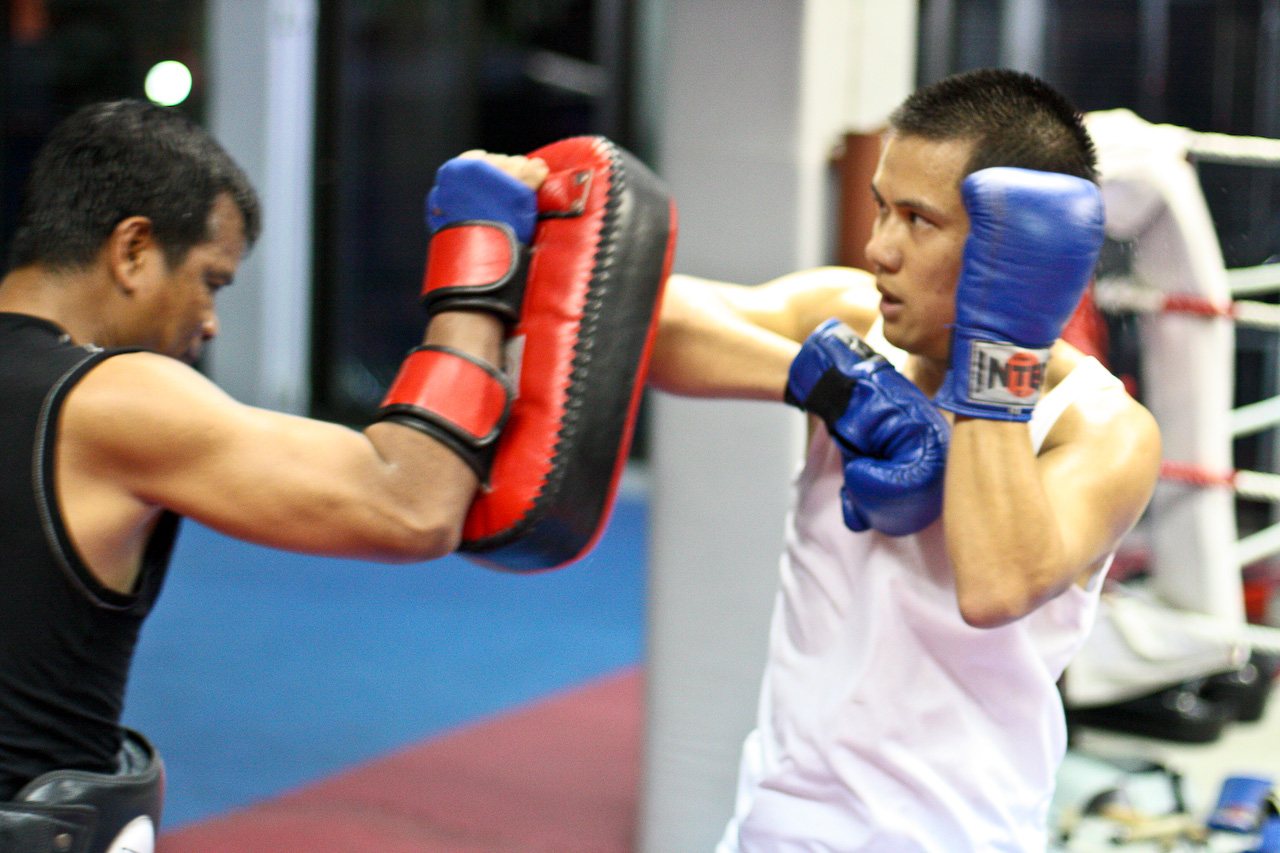
Muay Thai — the “Art of Eight Limbs” — is Thailand’s national sport and one of the most effective martial arts in the world. For fitness enthusiasts, combat sports fans, and travellers seeking an authentic cultural experience, training at a Muay Thai camp in Thailand offers something no gym class abroad can replicate: learning from world-class trainers in the sport’s homeland, surrounded by a community of dedicated practitioners from every corner of the globe. Here are the best camps for foreign visitors.
Tiger Muay Thai, Phuket
Tiger Muay Thai in Chalong, Phuket, is the largest and most internationally renowned training facility in Thailand. The 9,600-square-metre complex houses 12 boxing rings, an MMA cage, a fully equipped weight room, a yoga studio, and facilities for over 20 different training disciplines. With more than 40 instructors and up to 25 classes offered daily (Monday to Saturday, from 6:30am to 7pm), the camp caters to every level from complete beginners to professional fighters.
The daily schedule offers remarkable variety. Morning and afternoon Muay Thai sessions form the core programme, supplemented by MMA, Brazilian Jiu-Jitsu, boxing, K1 kickboxing, Krabi Krabong (traditional Thai weapons), and yoga classes. This breadth means visitors can focus exclusively on Muay Thai or cross-train across multiple disciplines during their stay.
Accommodation packages make Tiger particularly convenient for international visitors. Dormitory rooms start from 6,000 THB per month, Fighter Budget rooms from 8,000 THB, and Standard Bungalows from 16,000 THB per month. Weekly rates range from 2,000 THB (dorm) to 12,000 THB and above (VIP). An optional food programme provides nutritionally balanced meals designed for training athletes at 3,000 THB per week or 12,000 THB per month. Training-only packages (without accommodation) are also available for those arranging their own lodging.
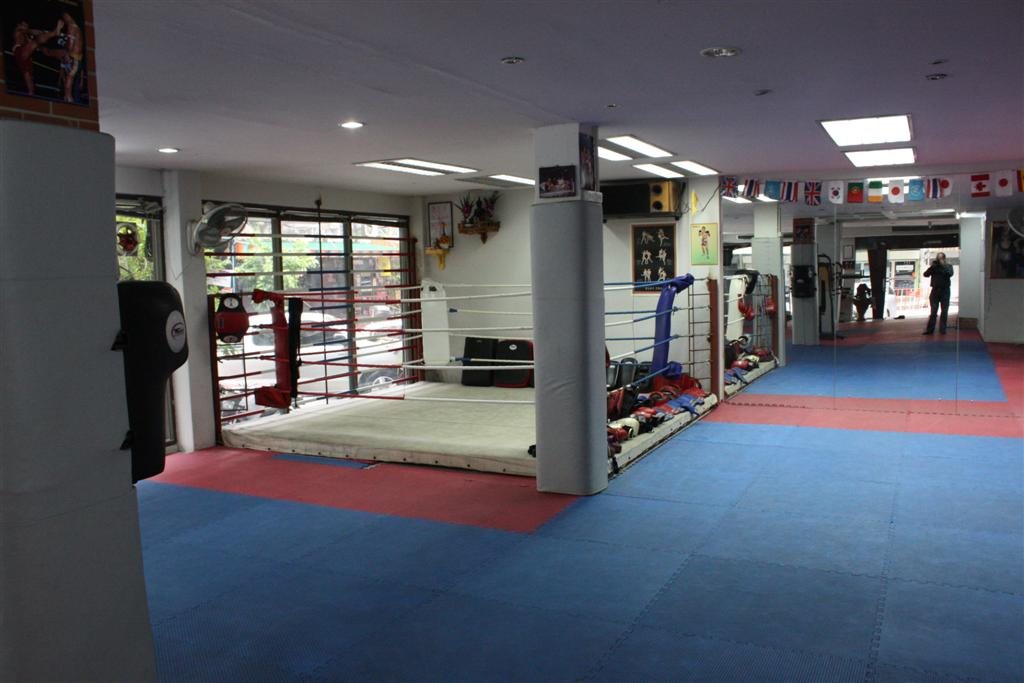
The camp’s size and international reputation mean you’ll train alongside a genuinely diverse group — backpackers on a two-week holiday, professional fighters preparing for bouts, fitness enthusiasts on transformation programmes, and digital nomads adding martial arts to their morning routine. The atmosphere is intense during training and social afterwards, with the surrounding Chalong area offering abundant restaurants, shops, and beaches for recovery days.
Fairtex Training Centre, Pattaya
Fairtex is one of the most storied names in Muay Thai history, having produced multiple world champions and Lumpinee Stadium title holders. The Fairtex Training Centre in Pattaya brings this championship pedigree to a facility designed for both Thai fighters and international trainees, combining professional-grade equipment and coaching with comfortable on-site accommodation.
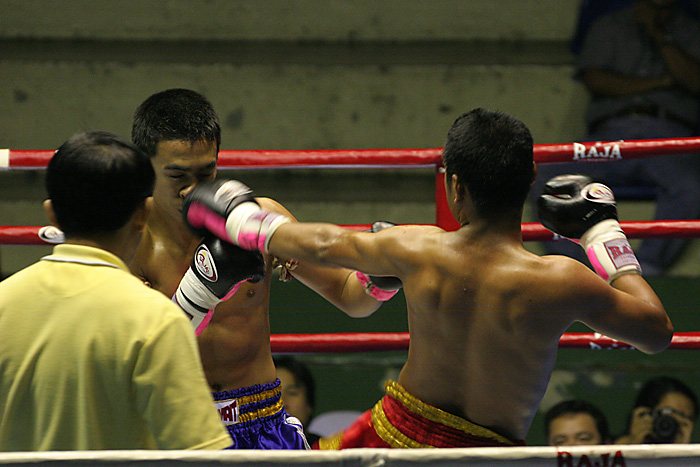
The facility includes six boxing rings, an MMA cage, an air-conditioned BJJ room, a swimming pool, and comprehensive fitness areas. Training sessions cost 800 THB per session or 12,000 THB for a monthly unlimited pass. A combined BJJ and Muay Thai monthly package is available at 19,500 THB (or 17,500 THB with a six-month commitment). Private training sessions, ideal for focused technical improvement, are available at additional cost.
On-site accommodation at the Fairtex Hotel offers Deluxe rooms from 1,300 THB per night and Grand Deluxe from 1,500 THB per night. For longer stays, the Fairtex Residence apartments provide more independent living at 1,000 to 1,300 THB per day or 13,000 to 15,000 THB per month. Unlike Tiger, Fairtex does not operate an on-site restaurant, but the surrounding Pattaya area offers abundant and affordable dining options.
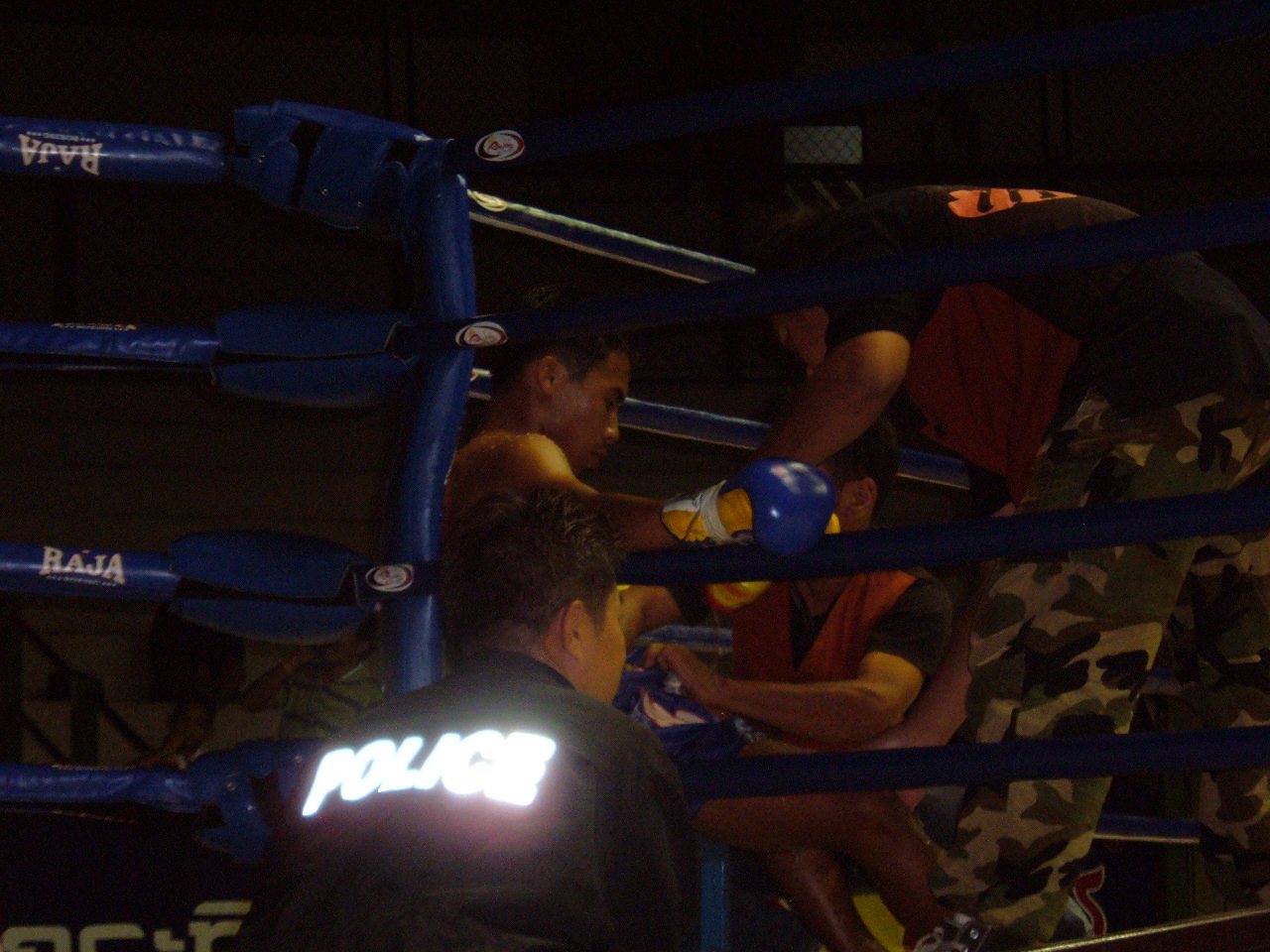
Fairtex’s particular strength is the quality of its Thai trainers — many are former champions or active competitors who bring genuine fight experience to their coaching. For serious students of Muay Thai technique, the depth of knowledge available at Fairtex is difficult to match.
Lanna Muay Thai, Chiang Mai
Lanna Muay Thai, established in 1966, is the most historic training camp in Chiang Mai and one of the oldest continuously operating gyms in Thailand. The camp’s longevity reflects a commitment to traditional training methods and an authentic atmosphere that larger, more commercialised camps sometimes sacrifice in the pursuit of international appeal.
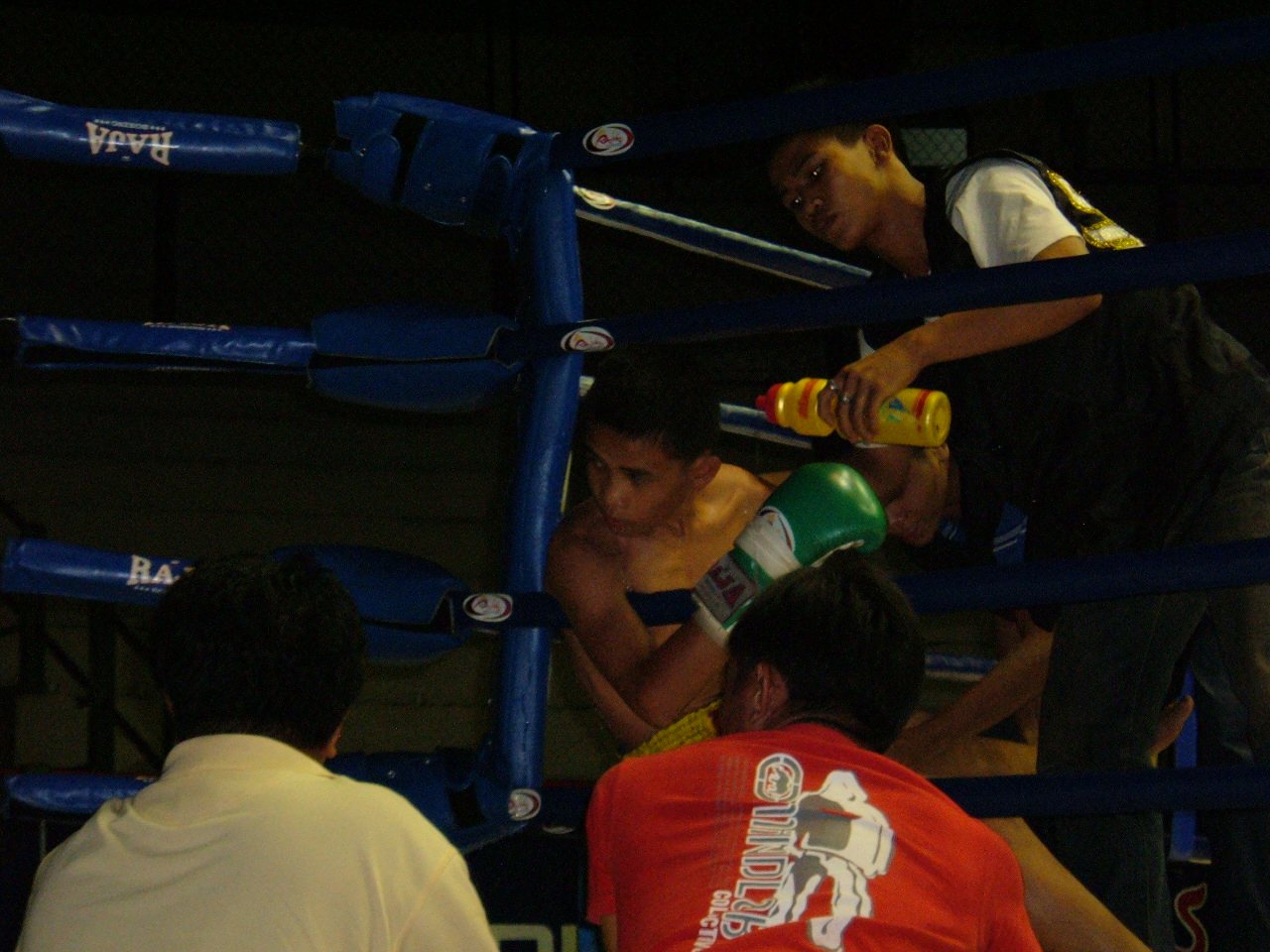
Training at Lanna is structured around the fundamentals: pad work, bag work, clinch practice, sparring, and the conditioning drills that have produced Thai fighters for generations. The pace is demanding but the trainers — while communicating primarily through demonstration rather than extensive English instruction — are patient with beginners and adept at adjusting intensity to match each student’s level.
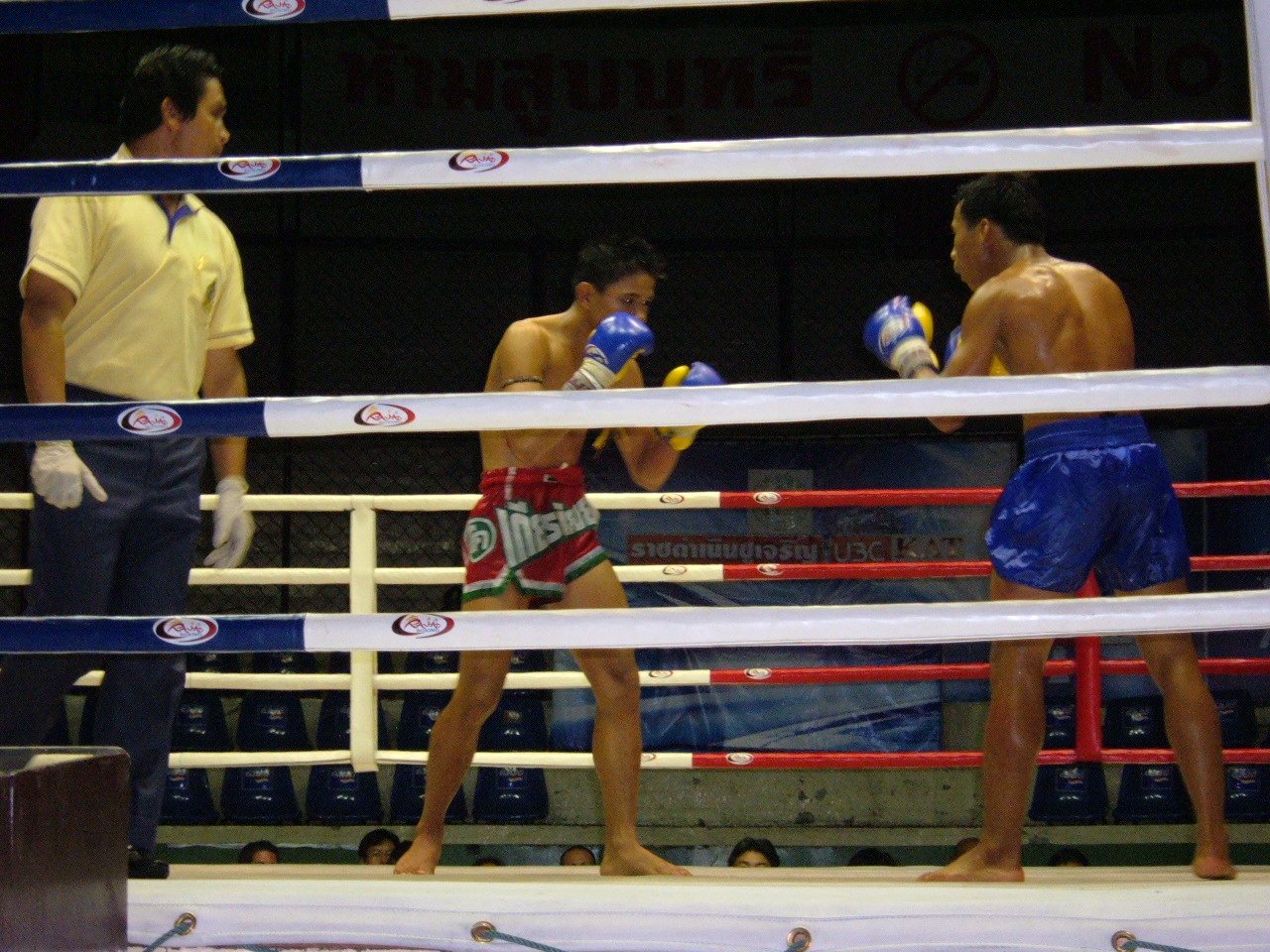
Pricing is among the most affordable of any reputable camp in Thailand. Weekly rates range from 6,000 to 8,800 THB, and all-inclusive packages combining training, accommodation, and meals offer extraordinary value. Private training sessions are available from 800 to 1,200 THB per hour. For fighters seeking competitive experience, Lanna arranges bouts at local Chiang Mai stadiums — a thrilling opportunity to test skills in the sport’s authentic environment.
The camp also assists with Education Visa (ED visa) applications for long-term trainees, providing a legal pathway for extended stays of up to one year. This makes Lanna particularly attractive for dedicated practitioners planning immersive training blocks of several months. The Chiang Mai setting adds considerable lifestyle appeal — the city’s affordable cost of living, excellent food scene, and cultural attractions provide a rich context beyond the training ring.
What to Expect at Your First Training Session
Most camps welcome complete beginners, and no prior martial arts experience is required. A typical two-hour session begins with a warm-up of skipping rope, running, and dynamic stretching. The main session covers technique instruction (punches, kicks, elbows, and knees), pad work with a trainer, bag work for developing power and combinations, and partner drills for timing and distance. Sessions typically conclude with core conditioning and stretching.
The physical demands are significant. Even fit individuals find their first few days challenging, as Muay Thai engages muscles and movement patterns that conventional gym training often neglects. Most camps recommend starting with one session per day for the first week before progressing to the standard two-session schedule. Hydration and nutrition are critical — Thailand’s heat and humidity amplify the physical demands considerably.
Bring your own gloves and hand wraps if possible (cleaner and better-fitting than communal equipment), though all camps provide loaner gear for newcomers. Muay Thai shorts are available at camps and local markets from 200 to 500 THB. Shin guards are recommended for sparring but usually provided by the camp.
Choosing Your Camp
Tiger Muay Thai suits those who want variety, modern facilities, and a large international community. Fairtex appeals to serious martial artists who value championship-level coaching and professional training infrastructure. Lanna is ideal for students seeking authentic, traditional training at the most affordable price point in a culturally rich setting.
Regardless of your choice, training Muay Thai in Thailand is a profoundly rewarding experience. The combination of expert instruction, physical challenge, cultural immersion, and the camaraderie of fellow trainees creates memories — and fitness gains — that last long after you’ve left the ring.